Home Blog Page 124

Rotary International Conducts Joint Community Outreach in Gombe State

0

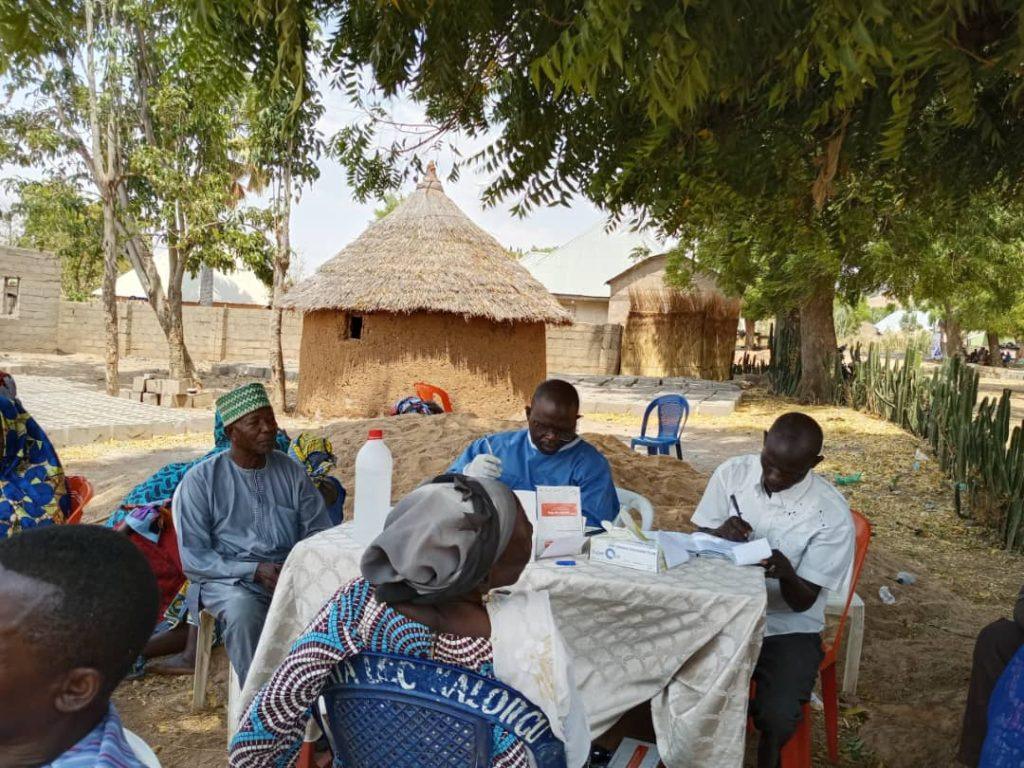
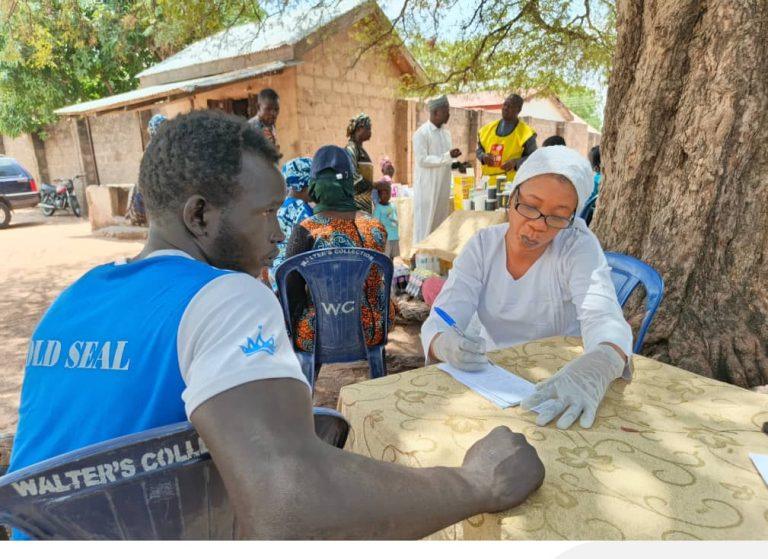
Rotary International in collaboration with the Gombe State Primary Health Care Development Agency and the Gombe State Government, have conducted joint community outreach programmes across five locations in the state.

The outreach covered London Mai Dorawa in Gombe LGA; Kalorgu community, Shamaki Ward and Ture Balam in Kaltungo LGA; as well as Liji Ward, Gindin Waziri, and Ngare community in Zambuk Ward of Yamaltu Deba LGA.

The initiative forms part of ongoing efforts to reduce maternal and neonatal morbidity and mortality in the state.

It is also one of several community engagement activities currently being implemented by Rotary across four states, Ekiti, FCT, Gombe and Nasarawa under the PoS project, Together for Healthy Families in Nigeria, led by Professor Emmanuel A. Lufadeju.

Community leaders expressed appreciation for the intervention. The District Head of London Mai Dorawa, Mallam Adamu Ishiyaku Garba, commended Rotary for bringing essential healthcare services closer to residents.

Similarly, the District Head of Liji community, Mallam Umar Abdullahi, conveyed gratitude for the free medical services provided.

A total of 48 skilled healthcare workers, 16 from each participating LGA, were engaged in delivering the services. These included:

  • Nurses
  • Midwives
  • Community Health Officers (CHOs)
  • Community Health Extension Workers (CHEWs)
  • Laboratory technicians
  • Pharmacy technicians
  • Medical records personnel
  • Social mobilisation officers

Ward Development Committees, local government reproductive health coordinators, monitoring and evaluation officers, maternal and child health coordinators, and members of the Rotary Club of Kaltungo also supported the exercise.

During the outreach, more than 1,500 people across the five locations accessed healthcare services. Beneficiaries included children aged 5–15, women of childbearing age, and elderly men and women.

Residents of the benefiting communities expressed deep appreciation to Rotary International for its commitment to improving healthcare access.

The Rotary Representative in Gombe State, Mohammed Dantata Ndus, also commended the Governor, Muhammadu Inuwa Yahaya, for prioritising healthcare delivery and supporting Rotary’s initiatives.

He further praised the Commissioner for Health, Dr Habu Dahiru, for his dedication to advancing healthcare in the state and maintaining a collaborative relationship with Rotary.

Strategic Diplomacy in Nigeria’s Ambassadorial Appointments

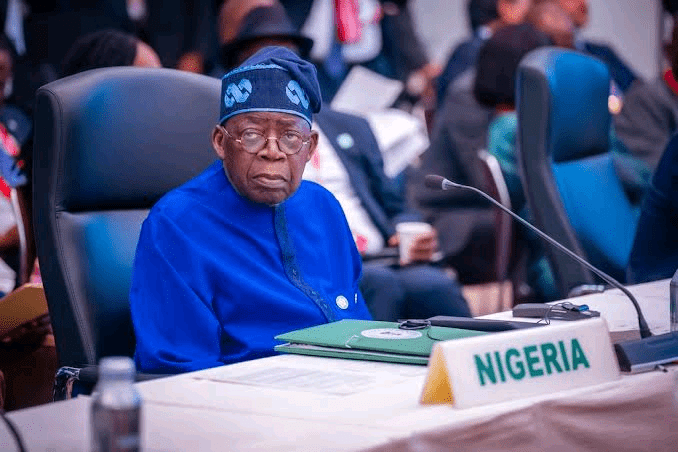
Nigeria’s foreign policy is undergoing a deliberate recalibration. President Bola Ahmed Tinubu’s recent appointment of 31 non-career ambassadors and 34 career diplomats is more than a bureaucratic reshuffle; it is a strategic signal of Nigeria’s intent to reclaim its voice on the global stage.

Following the initial three appointments of Nigeria’s foremost diplomats, Ambassador Aminu Dalhatu, Ambassador Ayo Oke, and Lateef Kayode, Nigeria received agreement from the United Kingdom and France. The early approval underscores the seriousness of this effort, aligning with President Tinubu’s 4D foreign policy doctrine: Democracy, Development, Demography, and Diaspora.

This repositioning did not emerge in a vacuum. In September 2023, Tinubu recalled 83 envoys, exercising his constitutional authority to reset Nigeria’s diplomatic machinery. That decision, though disruptive, was necessary.

However, prolonged vacancies weakened Nigeria’s ability to negotiate, sustain commitments, and engage host governments on critical issues such as security cooperation and migration management. In multilateral arenas, where coalition-building and technical follow-through are essential, Nigeria’s absence carried tangible costs.

Now, the government is filling those gaps with renewed vigour. Over the past eighteen months, extensive background checks preceded the appointments, while the 2025 budget earmarked ₦302.4 billion for foreign missions, and the 2026 proposal allocated ₦41 billion to upgrade 109 missions worldwide.

These figures reflect more than operational support; they represent an investment in diplomacy as an economic instrument. With external reserves estimated at $50.45 billion, Nigeria is leveraging its missions to widen market access, attract investment, and strengthen buffers against global shocks.

The new ambassadors are expected to embody outcome-driven diplomacy. No longer mere ceremonial representatives, they must function as negotiators, coordinators, and dealmakers.

They must also build on achievements recorded in the past 24 months. During this period, even without ambassadors, Nigeria signed at least 30 foreign agreements spanning infrastructure, trade, education, tourism, security, IT, energy, and sports.

These are not abstract commitments; they are deal-enablers for jobs, technology transfer, and export growth. President Tinubu’s visit to Türkiye, which yielded nine MoUs across defence, trade, and energy, exemplifies this pragmatic approach.

Nigeria’s envoys must also navigate the realities of insecurity at home. Banditry and terrorism remain pressing challenges.

Notably, foreign engagements are increasingly being used as platforms for intelligence sharing, counter-terrorism collaboration, defence industry partnerships, capacity building, and investment-linked cooperation with partners such as the United States, Türkiye, and China. In this context, missions abroad are not luxuries, they are extensions of Nigeria’s security architecture.

At the regional level, Nigeria’s ambassadors face equally weighty responsibilities. Within ECOWAS and the African Union, coalition-building and consensus management are vital to stabilising West Africa. Ambassadors must read political signals early, sustain dialogue with host authorities, and coordinate responses that protect civilians, uphold constitutional order, and safeguard Nigeria’s economic interests. Instability in the region is not abstract; it threatens trade routes, border communities, and regional commerce.

Diaspora engagement adds another layer of strategic importance. Nigeria’s envoys are tasked with mobilising remittances, skills, innovation networks, and cultural influence, while improving consular efficiency and citizen protection abroad. In an era where legitimacy is tested by how states treat their citizens overseas, this is a critical measure of Nigeria’s credibility.

Ultimately, President Tinubu’s ambassadorial appointments represent a decisive pivot. They restore diplomatic capacity, align resources with national priorities, and demand professionalism from Nigeria’s representatives.

In a world where nations compete fiercely for capital, technology, and influence, Nigeria cannot afford slow responses or inconsistent messaging. Its envoys must project clarity, patriotism, and speed.

Sokoto Government Joins Efforts to Boost Security

0

Governor Ahmed Aliyu, says the Federal Government and the Sokoto State Government are working in synergy to end insecurity in the state.

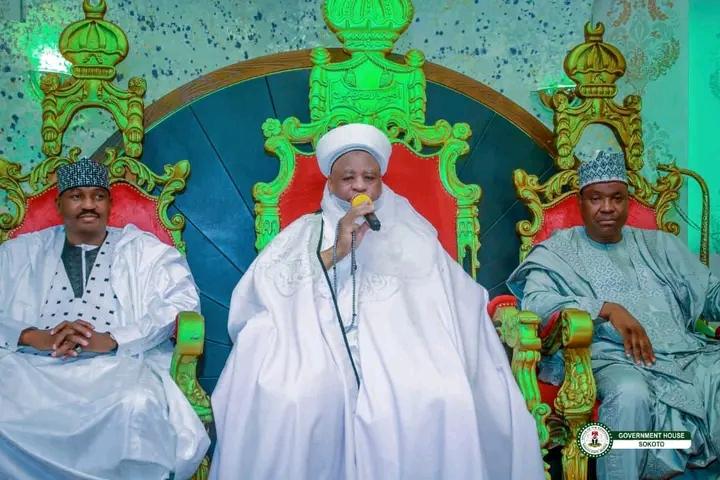
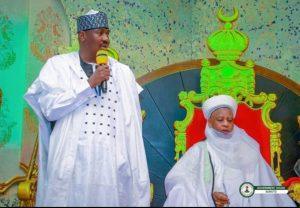
Governor Aliyu stated this when he paid Sallah homage to the Sultan of Sokoto, Muhammad Sa’ad Abubakar, at his palace shortly after Eid prayers.

He assured the people of the state that his administration has continued to provide logistical and other forms of support to conventional security agencies, as well as the State Community Guard Corps, in order to enhance security across the state.

He therefore called for continued support and cooperation from the people towards the government and security agencies in their efforts to boost security in the state.

The Governor further reassured the people of the state of his administration’s readiness to continue operating an open-door policy in order to meet the yearnings and aspirations of the people.

Governor Aliyu also urged Islamic scholars (Ulama) to intensify prayers for continued peaceful coexistence in the state and in Nigeria as a whole.

He expressed gratitude to Muslim preachers who conducted various Tafseer sessions throughout the Ramadan period, educating Muslims on the teachings of the glorious Qur’an.

He also reminded preachers to continue teaching the basic tenets of Islam, especially the Five Pillars of Islam, so that Muslims will better understand how to worship Almighty Allah.

Responding, the Sultan of Sokoto, Muhammad Sa’ad Abubakar, commended Governor Ahmed Aliyu Sokoto for the numerous people-oriented projects his administration is executing across the state.

“Your Excellency, do not relent in what you are doing for our state. The Sultanate Council is behind you,” he said.

The Sultan also lauded the efforts of security agencies in the state for protecting the lives and property of the people, urging them to sustain the momentum.

In a statement by the Director-General of Media and Publicity, Abubakar Bawa, the Sultan further appealed to Nigerians to continue offering prayers for the nation’s leaders for Allah’s guidance at all times.

Sultan Sa’ad Abubakar also called on the people of the state to continue to rally around the present administration in its quest to transform the state.

Israel, Iran Trade Attacks as US Sends Marines to Middle East

0

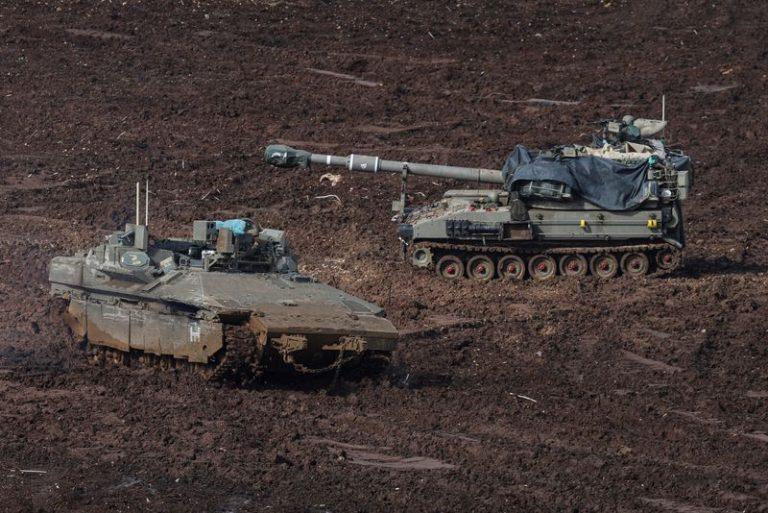
Israel and Iran exchanged attacks on Saturday, as the United States deployed thousands of additional Marines to the Middle East, while President Donald Trump criticized NATO allies for their reluctance to assist in reopening the Strait of Hormuz.

Israel also attacked Beirut, saying it was targeting Hezbollah as it steps up airstrikes targeting the Iran-backed Lebanese militia in the deadliest spillover from the war on Iran since Hezbollah fired on Israel in support of Tehran ​on March 2.

More than 2,000 people have been killed since the U.S. and Israel attacked Iran on February 28, while Americans appear increasingly concerned at signs the war could expand further as it enters its ​fourth week.

Vital energy infrastructure in Iran and neighbouring Gulf states has been attacked, sending oil prices up 50% and threatening global economic shock.

Iran Targets U.S.-UK Base In Indian Ocean

Israel said Saturday’s attacks on Iran included Tehran, Karaj west of the capital and the central city of Isfahan.

Before its strikes on Lebanon, the Israeli military said, it issued evacuation warnings for seven neighbourhoods in the southern ​suburbs of Beirut. More than 1,000 people have been killed in Lebanon and over 1 million displaced in the Israeli attacks.

Air raid sirens in Israel warned of incoming missiles from early morning, sending millions to shelters as the ​blasts of interceptions rang out from above. There were no immediate reports of casualties.

Israel’s military said search and rescue teams were headed to impact sites in central Israel and asked the public to avoid gatherings in those areas. Iranian missile attacks have killed 19 people in Israel and the Palestinian territories since the war began.

Iran fired two ballistic missiles at the U.S.-British military base Diego Garcia in the Indian Ocean, demonstrating the reach of its weaponry. The Wall Street Journal said two ​intermediate-range ballistic missiles were launched but did not hit the base.

Natural gas prices in Europe surged as much as 35% this week as Iran and Israel hit some of the region’s most important gas infrastructure. The EU urged ​members to lower gas-storage targets and start refilling reserves gradually to curb demand, according to late reports.

United Airlines (UAL.O), said it would cut its scheduled flights by 5% in the second and third quarters, planning for prolonged higher oil prices.


Reuters.

Mozambique’s Ex-Finance Minister To Be Released From US Prison

0

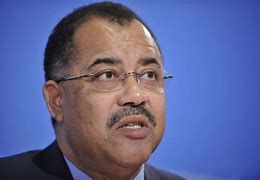
Former Mozambique finance minister Manuel Chang will be released from a US federal prison on 26 March and deported to Mozambique after serving a reduced sentence in the country’s “hidden debts” scandal, a New York court confirmed.

Chang, 70, was sentenced in January 2025 to 102 months for conspiracy to commit wire fraud and money laundering in connection with the $2.7 billion loan scheme that plunged Mozambique into financial crisis.

His sentence was shortened through credits for time served in pre-trial detention and good behaviour, leaving him with little more than a year behind bars in the US.

He had sought early release on health grounds, citing kidney problems and hypertension, but a New York judge rejected the request last month, ruling that prison authorities were adequately monitoring his condition.

Chang was arrested in South Africa in December 2018 and spent six years in custody before being extradited to the United States in 2023.

Prosecutors accused him of accepting $7 million in bribes and signing sovereign guarantees that enabled three state-owned companies to secretly borrow billions from international banks between 2013 and 2016.

The loans were ostensibly for a tuna fleet, shipyard and coastal security projects, but much of the money was diverted by bankers and officials.

The scandal, uncovered in 2016, triggered a debt crisis in Mozambique, derailed its economic growth and led to years of litigation and settlements with creditors.

Chang denied wrongdoing, insisting he acted on government instructions and received no personal kickbacks.


AP

Nigeria, UK Sign MoU on Safe, Regulated Migration — Presidency Clarifies

0

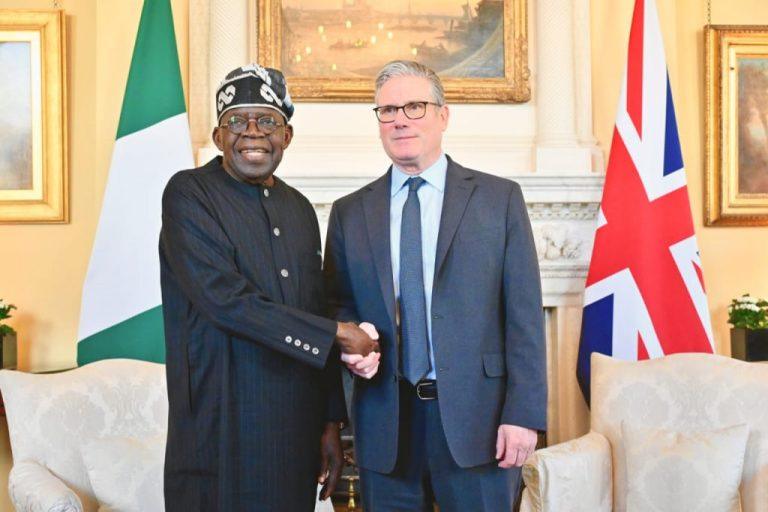
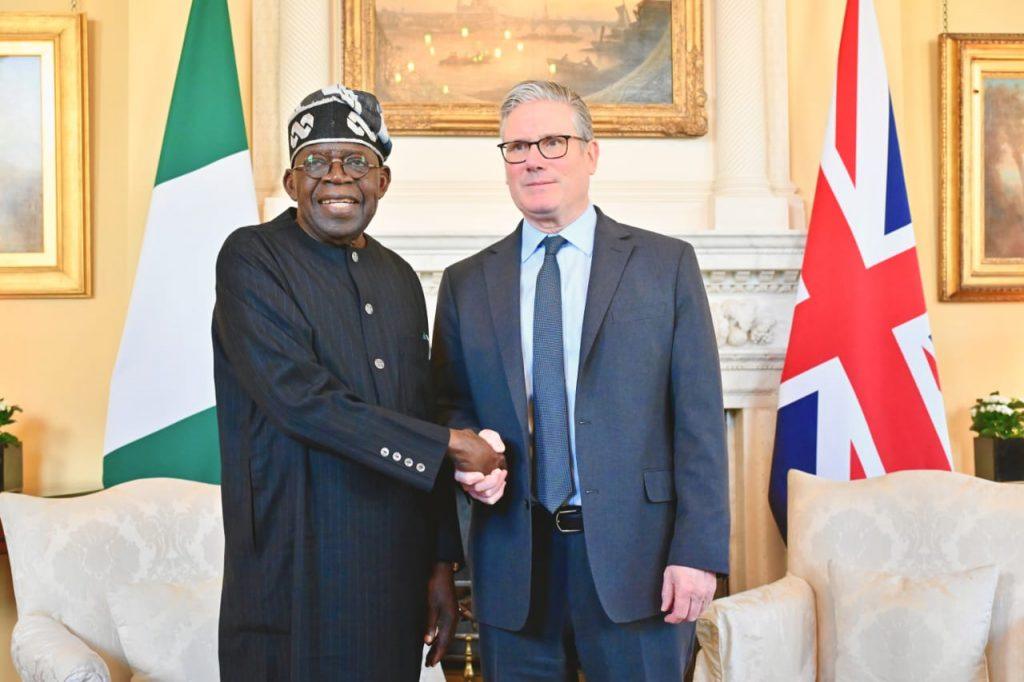
The Nigerian government has clarified that the Memorandum of Understanding (MoU) signed between Nigeria and the United Kingdom establishes a framework for safe, orderly, and regulated migration between both countries, while strengthening cooperation against irregular migration.

In a statement issued on Saturday by the Special Adviser to the President on Information and Strategy, Mr. Bayo Onanuga, the Presidency said the agreement provides a structured mechanism to facilitate legal migration flows and enhance bilateral efforts in tackling migration-related offences, in line with existing immigration laws and international conventions.

The clarification follows what Mr. Onanuga described as widespread misinformation surrounding the migration partnership signed during President Bola Tinubu’s recent state visit to the United Kingdom.

The Presidential aide clarified that the MoU does not compel Nigeria to accept foreign nationals, stressing that only verified Nigerian citizens are eligible for repatriation under the agreement.

“It has become necessary to debunk the raft of misinformation assailing the migration partnership between Nigeria and the United Kingdom, as contained in the Memorandum of Understanding signed by the two nations on the sidelines of President Bola Ahmed Tinubu’s historic state visit to the UK.

“The memorandum on immigration cooperation, like other memoranda signed, aimed to strengthen the partnership between Nigeria and the United Kingdom.

“Nigeria’s Minister of Interior and the Secretary of State for the Home Department of the Government of the United Kingdom and Northern Ireland signed the Migration MoU.

“The MoU establishes a framework to facilitate a regulated and safe migration flow between the two countries and to encourage further bilateral cooperation in the fight against irregular migration and associated acts by citizens of each country, in accordance with their respective immigration and citizenship laws and extant international treaties, conventions, protocols, agreements, and charters,” Mr. Onanuga added.

He further explained that any individual to be returned must undergo multiple layers of identification and verification, adding that where errors occur, such persons would be returned to the requesting country at its own expense.

Read also: Nigeria, UK sign MoU on migration, Border Security, Visas

UK Trip Aims to Attract Foreign Investment – Presidency

The Presidency further noted that both countries have agreed to ensure the dignified return of their nationals who no longer have the legal right to remain in the other country, with full respect for human rights and fundamental freedoms.

Mr. Onanuga further stated that under the agreement, migrants being repatriated are entitled to return with their legally acquired personal belongings and are given adequate time to arrange the transfer or disposal of their assets before departure.

“Under the agreement, Nigeria and the United Kingdom will work together to secure the dignified return of their nationals who do not, or no longer, have the right to enter or remain in the territory of the other country.

“A clear condition in the MoU is that the returnees concerned are bona fide nationals of the country and are treated with dignity and respect, with due regard to their human rights and fundamental freedoms.

“Law enforcement officers in each country will take the necessary action to protect the interests and well-being of citizens of either party and to mitigate conflict triggers related to migration matters.

Further clarifying the Nigerian-UK partnership, the Special Adviser to the President stressed that the MoU outlines strict procedures for return, including identity verification before departure and upon arrival, as well as coordination between the relevant authorities of both countries.

He also said that Nigeria retains full sovereignty over its documentation process, with the Nigeria Immigration Service solely responsible for issuing travel documents and handling all immigration procedures concerning Nigerian returnees.

In addition, the agreement provides reintegration support for returnees, including short-term assistance such as accommodation and transportation, as well as long-term opportunities through education, vocational training, and entrepreneurship programmes.

“Nowhere in the 12-page memorandum is Nigeria required to accept foreign nationals other than Nigerians. Nationals to be repatriated must have undergone multiple levels of identification and verification, and, where errors occur, they are returned to the requesting country at the requesting country’s cost.

“A key provision in the MoU is that the migrant to be returned must carry his legally acquired personal belongings to the country of destination, unlike in the past when migrants left with nothing.

“Article 12 further reinforces this good deal: “Every returnee will be given ample opportunity to make adequate arrangements for the transfer or disposal of his property in the territory of the requesting party, under the supervision of the mission of the requested party.”

Another provision is that where a return is being considered, and the person has made a claim under relevant domestic or international human rights legislation, that claim will be considered in line with the provisions under the party’s respective domestic legislation.

The appeal may relate to circumstances in which the foreign nationals have been lawfully resident in the territory of the requesting party for most of their lives and socially and culturally integrated in the territory of the requesting party. Another ground of appeal may be where the nationals would face significant obstacles to their integration into the country to which they are to be deported.

Article 9 of the MoU sets out the conditions for the migrant’s return.

“Before departure, identification checks will be carried out by the officers of the requested party in the territory of the requesting party and on arrival by the competent authorities of the requested party. The requesting party will coordinate all returns with the officers of the requested party.

“A return may be conducted by means of a scheduled aircraft or an aircraft chartered specifically for this purpose by the authorities of the parties; the requesting party will provide the flight details and particulars of each returnee five (5) working days before the date of return.

“A return will be conducted using an original, valid passport, or, if the requesting party can biometrically match a returnee to a visa application made in the territory of the requested party, then an expedited process will be permissible, via which the requesting party will facilitate the return or repatriation using a UK Letter (UKL).

“If a returnee cannot be biometrically matched to a visa application by the requesting party, but there is otherwise strong evidence to confirm nationality, including a copy of a passport, a passport number, or a national identity card, then an expedited process will again be permissible via which the requesting party will facilitate return or repatriation using a UK Letter (UKL).

“Should the requested party not be satisfied with a returnee’s identity within five (5) working days of submission of the UK Letter (UKL) to Nigerian authorities, detailed reasons should be presented to the requesting party why the identity cannot be satisfied. In these circumstances, removal will be deferred.

“If subsequent evidence shows that a returnee who has been returned is not a national of the requested party, the requesting party will take the person back to its territory at the requesting party’s cost and by the most efficient means possible. The request for the return of the person referred to in Article X will be made within ten (10) working days following the return exercise and carried out within fourteen (14) working days after acceptance of the request.”

Article 9, subsection 3, shows that Nigeria has not ceded to the UK the right to document the repatriated person.

The section says: It shall be the sole responsibility of the Nigeria Immigration Service (NIS) to issue and handle, as is necessary under Nigerian domestic legislation, any Nigerian documentation (including the digital acknowledgement of receipt of a UK Letter) ahead of the notified date of return as stated in the UK Letter.

This shall be distinct from the UK Letter process and remains the sole right and responsibility of Nigerian authorities, including the handling of the travel document and any onward transmission required from the issuing office to enable entry.

Article 11 deals with returnee reintegration assistance. It states that every returnee will be able to access basic on-arrival and reintegration assistance in the territory of the requested party.

“Short-term assistance may include airport reception, accommodation, onward transportation, care and provision packs, and small cash assistance. Medium-term assistance can include support to find and reunite with family; support in obtaining the in-country documentation required, signposting to local services, and the potential provision of mental well-being and counselling services (if required).

“Longer-term assistance may allow access to a Returnee Education and Entrepreneurship Fund to enable sustainable reintegration. Support may include accessing the local job market, setting up a business, accessing vocational training or further education, and assistance with legal migration opportunities.

“Should the parties’ domestic legislation regarding the provision of reintegration support to all or certain categories of returnees change, or should the overarching non-legally mandated package of reintegration support change, the parties will inform each other as soon as is practicable.”

The Presidency added that the MoU, similar to previous agreements signed in 2012, 2017, and 2022, will run for an initial period of five years, subject to renewal.

Mr. Onanuga urged media organisations to seek proper clarification on sensitive issues to prevent the spread of misinformation and ensure accurate public understanding of government policies.

Investors Laud Nigeria’s Financial Reforms in London

Global investors and development partners have praised Nigeria’s ongoing financial sector reforms, describing them as credible and effective in boosting confidence in the economy.

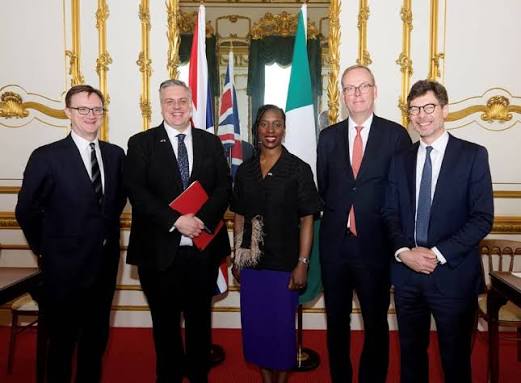
The commendation was given at the Africa Capital Forum event themed, “From Stabilisation to Capital Mobilisation,” jointly hosted by the UK’s in London. The event was held on the sidelines of President Bola Ahmed Tinubu’s state visit to the United Kingdom.

Speaking at the high-level forum, which brought together global investors, development financiers, and fintech innovators for a strategic dialogue to deepen Nigeria’s financial resilience and investor confidence, the British Deputy High Commissioner to Nigeria, Mr. Jonny Baxter, said the United Kingdom remained one of Nigeria’s partners with links in banking and capital markets.

“The next phase of the reforms should be converting renewed investor interest into long-term sustainable investments,” Baxter said, adding that the UK will also support economic transformation to enhance the economic relationship between the two countries.

Read Also: Nigeria Government Seals £746m UK Deal to Upgrade Ports

UK Trip Aims to Attract Foreign Investment – Presidency

In her remarks, the President of the European Bank for Reconstruction and Development (EBRD), Madame Odile Renaud-Basso, praised the potential of the Nigerian economy, noting that “we see all the potential in the economic stabilisation in Nigeria, the growth of the population, the appetite, the investment of new technologies, and the ability of the people to embrace the new technologies.”

The Head of West and Central Africa, UKEF, Steve Gray, in his contribution, noted that “Confidence is built through full fiscal transparency. But the reforms in Nigeria are providing transparency and building confidence. “I want to see more reflection of the reality of Nigeria’s strengths so that more can be done to support Nigeria’s priorities,” Gray added.

Also speaking, the Managing Director (Policy Strategy and Delivery) of the European Bank for Reconstruction and Development (EBRD), Melis Ekmen Tabojer, said: “The recent reforms that Nigeria has had have had a huge impact in attracting investors and how policies are made.”

Mrs Sanyade, Okoli, Special Adviser to the President on Finance and the Economy, who represented the Minister of Finance and the Coordinating Minister of the Economy, Mr. Wale Edun, at the event, said that Nigerian government seeks to drive the right quality of growth, but noted that the government alone cannot fund this growth. “We need to work with partners who will bring the sticky, equity capital,” she noted.

Key sessions of the forum featuring the Central Bank of Nigeria Deputy Governors Dr. Muhammad Sani Abdullahi (Economic Policy) and Mr. Philip Ikeazor (Financial System Stability) among other subject matter experts, examined repricing risks and the reopening of capital markets, Nigerian banks’ presence on the global stage, Fintech and the future of remittances, highlighting the rise of digital platforms, as well as regulation, risk, and resilience.

The Central Bank Deputy Governor (Economic Policy), Dr Muhammad Sani Abdullahi, emphasised the level of stability achieved by the CBN, noting that net and gross reserves are high, foreign reserves are over $50bn, the foreign exchange market has stabilised, and inflation is falling, but we are cautious.

Also speaking, the Bank’s Deputy Governor in charge of Financial System Stability, Mr Philip Ikeazor, said that all the reforms that have been put in place are such that they cut across stakeholders, ensuring that even at the end of this particular administration, people will see the need not to reverse these reforms.

Increased Confidence in Banking Reforms

In their respective interventions, Segun Alebiosu (MD/CEO of First Bank); Oliver Alawuba (MD/CEO of the United Bank for Africa (UBA); Miriam Olusanya (MD/CEO of GTCO); Yemisi Edun (MD/CEO of First City Monument Bank); Roosevelt Ogbonna (MD/CEO of Access Bank); and Akin Oguranti, the Executive Director of Zenith Bank, who represented the bank’s Managing Director, all commended the banking reforms in Nigeria, noting that the reforms have increased confidence in the economy and allowed the banks to fund more projects locally.

Over the past two years, Nigeria has undertaken significant monetary and structural reforms aimed at stabilising its macroeconomic environment.

Under the leadership of the CBN Governor Olayemi Cardoso, inflation has dropped sharply from 34 per cent to 15 per cent, the exchange rate volatility has eased, and foreign reserves have risen above US $50 billion. Banking recapitalisation and foreign exchange market unification have further strengthened trust in policy consistency.

The Forum assessed the impact of these reforms and highlighted new opportunities for long-term capital mobilisation and diaspora investment.

Framed around three pillars (Nigeria’s macroeconomic reset, strengthening the financial system, and mobilising global and diaspora capital), the Africa Capital Forum seeks to build stronger bridges among Abuja, London, and the global financial community.


Nigeria Government Seals £746m UK Deal to Upgrade Ports

The Ministry of Marine and Blue Economy, has secured a £746 million deal with the United Kingdom to modernise Apapa Port and Tin Can Island Port.

Backed by UK Export Finance, the project marks the first major port upgrade in nearly 50 years and targets improved efficiency, capacity, and global competitiveness.

The agreement, signed during President Bola Ahmed Tinubu’s London visit, aims to transform Nigeria’s key maritime hubs, which handles over 70% of trade, through modern infrastructure and digital systems.

READ ALSO: UK Trip Aims to Attract Foreign Investment – Presidency

Nigeria, UK Migration Agreement Applies Only to Citizens – Presidency

NSIA, UK Firm Seal $496m Dairy Deal, 7,500 Jobs

Dr. Oyetola noted that once completed, the reforms will fundamentally reshape the operational landscape of Nigeria’s maritime gateways.

“By modernising our infrastructure and embracing digital technologies, we will enable faster clearance of imports and exports, reduce demurrage and logistics costs for businesses, and ensure a more predictable and transparent cargo movement system. These improvements will not only ease trade but will also stimulate economic growth and generate increased revenue for national development.”

The Minister added that the transformation of the two port complexes will strengthen Nigeria’s strategic position within regional and global maritime networks, attracting greater shipping traffic and reinforcing the country as a vital gateway for trade across West and Central Africa.

“Our vision is to build a port system that reflects the aspirations of a modern and globally competitive Nigeria. The modernisation of Apapa and Tin Can Island ports is a bold and necessary step in that direction. It will enhance the efficiency of our logistics chain, deepen investor confidence and ensure that Nigeria’s maritime infrastructure is capable of supporting the nation’s long-term economic ambitions,” Oyetola added.

The Lagos Port Complex Apapa, established in 1913, has for more than a century remained Nigeria’s oldest and busiest seaport, serving as the gateway for a vast proportion of the nation’s imports and exports.

The Tin Can Island Port Complex was later developed to complement Apapa and was officially commissioned on 14 October 1977.

Despite their strategic importance, neither facility has experienced a modernisation programme of this magnitude, making the initiative the most significant port upgrade undertaken by the Federal Government in almost fifty years.


Nigerian Army Reaffirms Commitment to Protecting Lives

0

The Nigerian Army has reiterated its unwavering commitment to safeguarding lives and property across the country, particularly in its ongoing efforts to combat banditry and restore lasting peace.

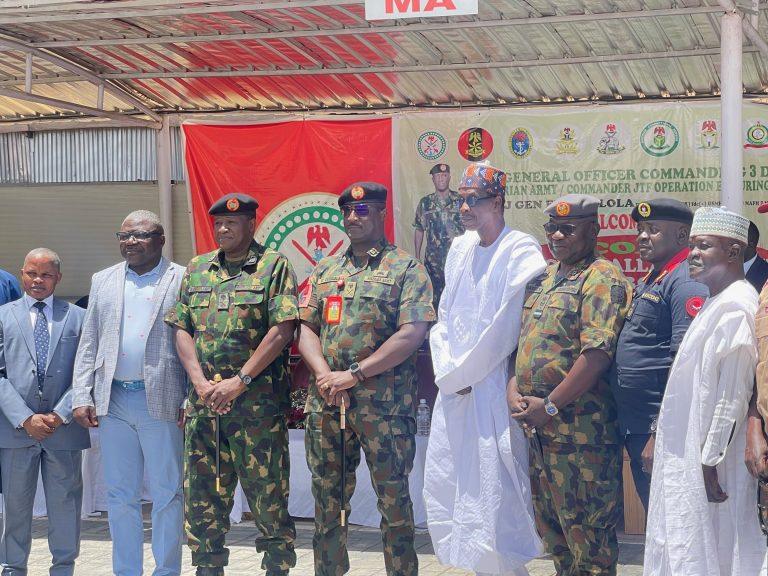
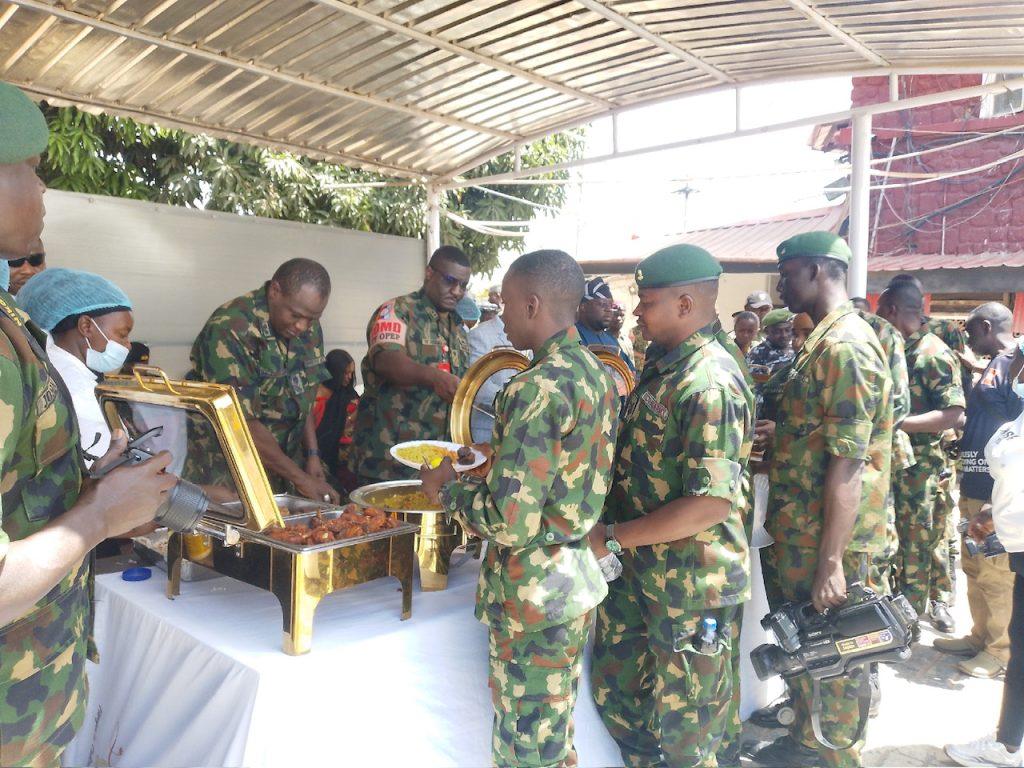
The Chief of Army Staff, Lt. Gen. Waidi Shuaibu, gave this assurance during an Eid Mubarak celebration held with troops of Operation Enduring Peace (OPEP) at the Joint Task Force headquarters in Jos, Plateau State, north central Nigeria, where he was represented by Maj. Gen. Isa Abdullahi, the Administrative Officer.

In his message, the Army Chief commended the resilience and dedication of OPEP personnel in maintaining relative stability in Plateau State. He, however, expressed concern over recent attacks on members of the task force, noting that some soldiers had lost their lives in the line of duty.

“I want to assure Nigerians that officers and soldiers remain fully committed to their constitutional responsibility and would not relent in ongoing operations to secure vulnerable communities.

“I also want to reiterate the Army’s commitment to improving the welfare of its personnel, including enhanced support systems for families of fallen heroes, as their sacrifices would never be forgotten.” Said the Army Chief.

Earlier in his remarks, the General Officer Commanding 3 Division and Commander, Operation Enduring Peace, Major Gen. Oyinlola, reaffirmed the commitment of OPEP and the 3 Division to sustaining peace in the region.

He appreciated the cooperation of community leaders, other sister agencies, and residents, noting that their support remains vital to operational success.

The Special Adviser on Security to Plateau State Governor Caleb Mutfwang, Brig. Gen. Gakji Shippi (rtd), expressed the state government’s gratitude to the task force for their unwavering commitment and sacrifice. He noted that the presence of security personnel has significantly improved safety, allowing residents to live without fear.

The celebration brought together troops, retired and serving military personnel, as well as friends and families.

Nigeria Prioritises GBV Fight, Condemns Ozoro Incident

0

The minister of Women Affairs and Social Development, Hajiya Imaan Sulaiman-Ibrahim, has affirmed that the federal government, under the Renewed Hope Agenda of President Bola Ahmed Tinubu, is committed to “the safety, dignity, and protection of women and girls, ensuring that no victim is silenced, ignored, or denied justice”.

In a statement condemning reported incidents of sexual assault and harassment in the Ozoro community of the Isoko North Local Government Area of Delta State, Southern Nigeria, the minister said it was “deeply disturbing, unacceptable, and contrary to all norms of human dignity, public safety, and the rule of law.”

Her statement underscored “the urgency of strengthening collective action against gender-based violence”, expressing “deep concern over disturbing reports from Ozoro in Delta State, where women were allegedly subjected to sexual assault and harassment during activities linked to a local festival in Isoko North”, noting that the reports have been “widely described in public discourse as reflecting elements of ‘rape culture.’”

Citing provisions of the Constitution of the Federal Republic of Nigeria and the Violence Against Persons (Prohibition) Act (VAPP Act), Sulaiman-Ibrahim stressed that “no cultural or traditional practice can justify or excuse sexual violence in any form.”

Her statement noted that “Section 1 prohibits all forms of violence; Section 14 criminalises harmful traditional practices; and Section 15 prohibits cruel, inhuman, and degrading treatment,” adding that “sexual assault is a serious criminal offence, and all allegations must be thoroughly investigated with perpetrators held fully accountable under the law.”

The minister commended “the swift response of the Commissioner of Police, Delta State Command, CP Aina Adesola” and called for “a transparent, thorough, and accelerated investigation to ensure that all persons implicated are identified and brought to justice without delay.”

She further pledged to “intensify collaboration with the Delta State Ministry of Women Affairs and Social Development” to ensure provision of “psychosocial care, medical attention, and legal assistance” to victims.

She affirmed that the ministry will also “deepen sustainable engagement with traditional leaders, community institutions, and relevant stakeholders” to ensure that “culture is not misused as a cover for violence.”

Minister Sulaiman-Ibrahim urged the public to “support ongoing investigations and cooperate fully with law enforcement authorities”, stressing that “collective vigilance and cooperation are essential to ensuring that justice is not only done, but seen to be done.”