Home Blog Page 488

Anambra First Lady Urges Global Commitment to Upholding Human Dignity

0

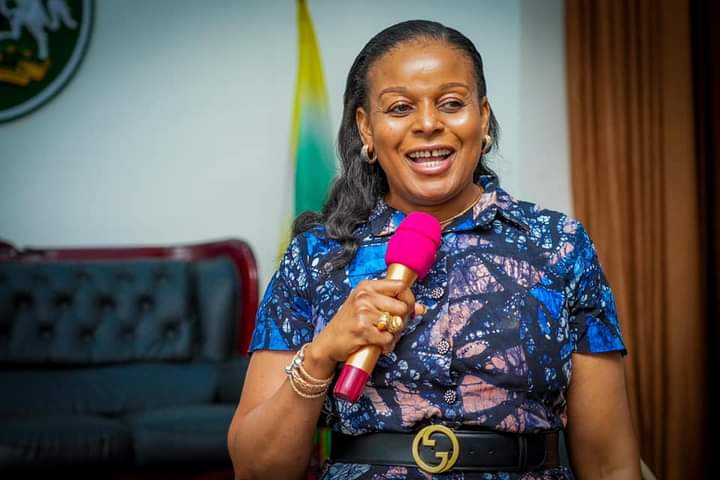
The wife of the Anambra State Governor, Dr. Nonye Soludo, has reaffirmed that human rights remain sacred, inviolable, and essential to building a more inclusive and equitable society.

Dr. Soludo made the assertion on Wednesday in a statement marking the 2025 World Human Rights Day, observed globally every December 10.

Speaking on this year’s theme, ‘Let’s Stand for Equality, Freedom, and Dignity for All,’ Dr. Soludo stressed that every individual—regardless of creed, culture, race, belief, politics, or gender, deserves full recognition of their humanity and fair treatment.

“Human rights are as sacred as the values they uphold. Every human being deserves the right to live, to safety, to succeed, and to thrive without fear or inhibition,” she said.

Dr. Soludo, who also founded the Nonye Soludo Healthy Living Initiative, noted that respect for human rights forms the bedrock of any just and progressive society. She emphasised that everyday interactions shape the strength and character of communities.

“Our lives depend greatly on how we treat one another. We must look beyond differences in race, background, gender, and belief systems,” she said. “Our unique identities should unite us rather than divide us. No one deserves to live in a society marked by fear, alienation, or extremism.”

Reiterating the non-negotiable nature of human dignity, the Anambra First Lady insisted that fairness and equality must remain core values.

“Everyone, no matter their cultural, political, or religious differences, deserves full human dignity and fairness. These rights are not negotiable,” she affirmed.

Dr. Soludo’s message echoes the global spirit of Human Rights Day, which commemorates one of the world’s most enduring commitments to freedom, equality, and universal human rights.

Maritime Expert Advocates Funding Model for Host Communities

0

A prominent maritime scholar, Dr. Eugene Nweke, has urged the Nigerian Government to establish a Port-Host Community Development Trust Fund.

Dr Nweke noted that globally, competitive ports measure success not only by cargo throughput or revenue, but by the wellbeing and quality of life of their host communities.

Dr. Nweke, who is the Head of Research at the Sea Empowerment & Research Centre (SEREC), made the call at the 2025 Annual Conference of the Congress of Nigerian Maritime Media Practitioners (CONMMEP) held in Lagos, Southwest Nigeria.

Speaking on the theme “Empowering Host Communities Through Strategic Partnership,” he explained that modern ports have evolved beyond transit corridors to become complex socio-economic ecosystems deeply interlinked with surrounding communities.

He recommended that Nigeria adopt a model similar to the Petroleum Industry Act (PIA), which created the Host Community Development Trust Fund.

Breaking down the proposal, he outlined a governance structure consisting of 40 percent representation for host communities, 30 percent for port authorities and operators, 20 percent for relevant government agencies, and 10 percent for civil society groups or independent experts.

Citing data from the petroleum sector, Dr. Nweke highlighted that as at October 2025, the Host Community Development Trust established under the PIA had accumulated ₦373 billion and facilitated 536 community projects nationwide.

This, he argued, demonstrates how dedicated funding, statutory transparency, and strong community participation can drive sustainable development.

He further urged terminal operators, shipping lines, and logistics companies to make annual contributions to a statutory fund similar to the Delta Port Fund, stressing that past empowerment efforts have failed because CSR initiatives are often ad hoc, episodic, and insufficiently systemic.

A structured model, he said, would ensure long-term empowerment and accountability.

Dr. Nweke also criticized what he described as double standards among some shipping companies that comply with community-related obligations abroad but fall short in Nigeria.

Regulators, he insisted, must enforce compliance to ensure host communities are not marginalised.

Draft Bill

He revealed that a draft bill addressing port-host community development had previously been forwarded to the National Assembly and expressed optimism that it would soon be revisited to strengthen legal protection and community empowerment.

In his remarks, CONMMEP President, Udo Onyeka, described the conference as more than a forum for discussion, calling it a “call to action” for stakeholders to build synergy, enhance accountability, and align with a shared vision for Nigeria’s maritime future.

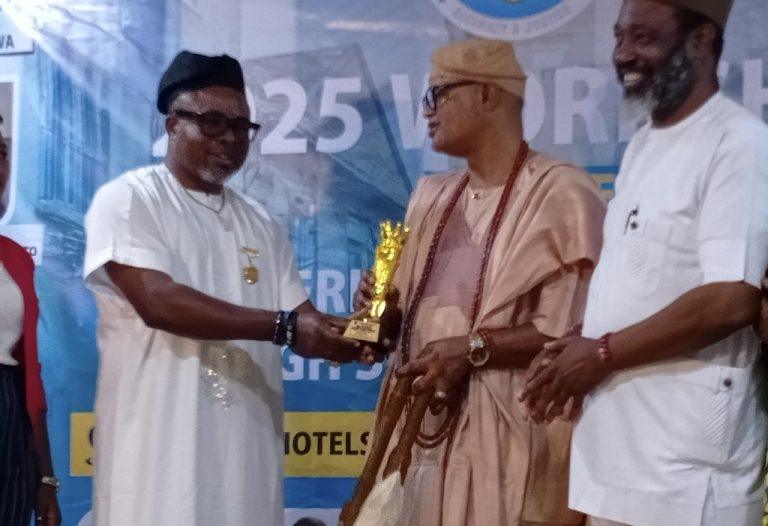
The event also featured the presentation of awards to outstanding maritime practitioners and the unveiling of the Eagle Dispatch magazine.

Presidency Commends CSOs for Health Sector Reforms

0

A Senior Special Adviser to President Bola Tinubu on Health, Dr Salma Anas-Kolo has commended Civil Society Organisations (CSOs) for their substantial contributions to the reforms achieved in Nigeria’s health sector.

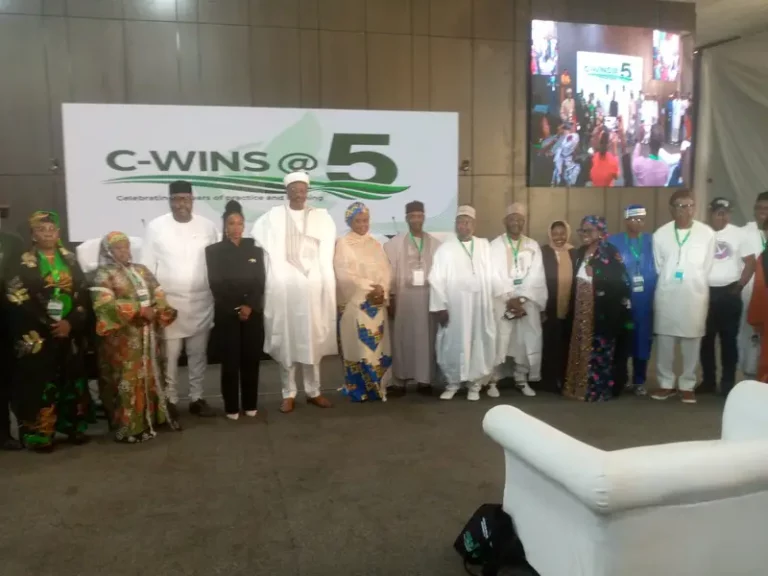
Anas-Kolo gave the commendation in Abuja at the fifth anniversary of the Centre for Well-being and Integrated Nutrition Solutions (CWINS), an NGO.

She said CSOs had remained central to generating ideas that drive the health sector agenda, and  their efforts had “made the impossible possible”.

“Today, we are enjoying the Basic Health Care Provision Fund (BHCPF), which represents one per cent of the consolidated revenue for health. We have not even fully achieved the one per cent, yet the impact is visible,” she said.

While uring the CSOs to intensify advocacy at the sub-national level, Kolo stressed that states must allocate a fair proportion of their budgets to health.

“That should be the next loud voice. State governments must allocate at least 2% of their budgets to health. That is the advocacy we want to hear,” she said.

Anas-Kolo said strong CSO advocacy had also contributed to the development of Nigeria’s procurement plan and work plan for funding family planning commodities.

She encouraged civil society groups to continue championing health sector transformation to ensure Nigeria meets its Universal Health Coverage (UHC) targets before 2030.

“CSOs must ensure adequate resource allocation and policies that place citizens, especially women and girls, at the core of governance,” she said.

The Coordinating Minister of Health and Social Welfare, Prof Ali Pate, represented by Dr Ladidi Bako, Director of Nutrition, said the CWINS anniversary provided an opportunity for reflection and renewed commitment.

Pate noted that Nigeria faces a triple burden of malnutrition: undernutrition, overnutrition, and micronutrient deficiency.

“Our partnership with CWINS and others has enabled inclusive programme design, stronger data generation and expanded nutrition interventions for school-age children, adolescents, women and the elderly,” he said.

He urged CSOs to leave the event with renewed determination to ensure every child has access to proper nutrition.

Bako, who delivered the keynote address, said the government was deepening financing for nutrition at multiple levels, stating that primary healthcare must remain central to equity.

She said Nigeria recognises nutrition as a multisectoral responsibility and must prioritise the most vulnerable groups, especially children in Local Government Areas with high cases of wasting and stunting.

NAN

Stakeholders Call for Women’s Rights at Beijing+30

0

Stakeholders have reiterated call for stronger policies, sustained funding and collective action to advance the rights of women and girls in Nigeria.

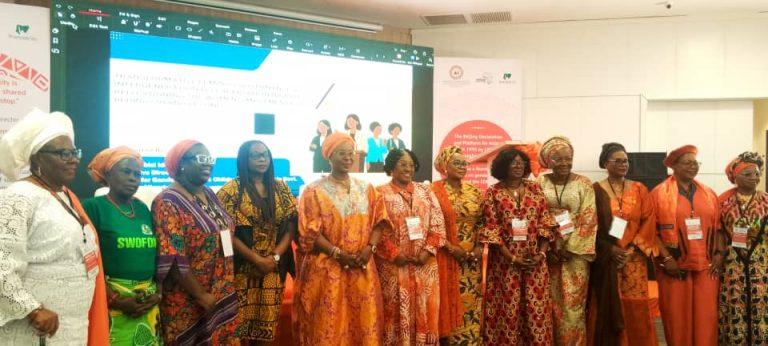
The stakeholders made the call at the Beijing +30 Women’s Summit, in Abuja, as the world marks the 30th anniversary of the Beijing Declaration and Platform for Action.

The Beijing Declaration and Platform for action, adopted in 1995 focus on women’s empowerment, gender equality and sustainable development, with a call to action for global progress.

The stakeholders said that systemic barriers, policies and underfunding had slowed progress toward gender equity.

They said that urgent reform was needed to ensure that women can fully participate in national decision-making.

Minister of Women Affairs and Social Development, Hajiya Imaan Sulaiman-Ibrahim, said that Nigerian women possessed enormous potential but were held back by disunity, under-investment, and structural barriers.

Economic Empowerment

Sulaiman-Ibrahim said that economic empowerment was a critical pathway to financially stable women, reducing vulnerability, enabling participation in decision-making and supporting children’s education.

When women have money, they can achieve anything. Financially empowered women are better positioned to resist domestic abuse, support their families, and engage meaningfully in politics,” she said.

On legislative reforms, the Minister expressed concern about the proposed reserved-seats bill for women, warning that poor design could put women against one another and undermine progress.

She, therefore called for strategic consensus-building and Intentional negotiation.

‎Drawing on lessons from China, she highlighted how intentional investment in women transformed outcomes for millions.

She also decried Nigeria’s absence in major continental and global gender platforms, urging women to show up and work collectively to secure representation.

‎She said that Nigeria could not solve gender challenges without unity, honesty and shared ownership of reforms.

The power of teamwork makes the dream work,” she said.

She therefore called for intentional coalition-building, informed advocacy, and strategic negotiations to secure sustainable political representation for women.

A Professor of Sociology and Gender Studies at Obafemi Awolowo University, Professor Olabisi Aina in her keynote address, said that Nigeria’s gender-equity efforts remained trapped in fragmented coordination, underfunding and data poverty.

Gender Responsive Policies

She emphasised the need for the Ministry of Women Affairs to drive gender-responsive policies across health, education, agriculture and planning, ensuring that government action advances women’s rights and inclusion.

Aina called for a transformative feminist governance model, driven by collaboration, justice, accountability and data.

“Feminist leadership is not about filling seats but reshaping the table and ensuring that women who enter governance understand the issues and can negotiate effectively.

‎“When a nation is directed only by the brains of men, can you say it is thinking in totality?,” she said.

She said: “Nigeria is lagging behind its African peers on women’s political epresentation, and this is a shame for a country considered the giant
of Africa.”

‎She identified key pillars for progress, including intergenerational mentorship, gender-responsive budgeting, stronger GBV interventions, feminist data governance, and investment in knowledge production.

How can you change the situation of women when you do not have data? Data is the engine of transformation,” she said.

The Chairperson, Nigeria Governors Spouses’ Forum and first Lady of Kwara State, Professor Olufolake AbdulRazaq, reaffirmed commitment towards ending GBV, improving women’s rights, economic empowerment and participation in governance.

Earlier, Mrs Bisi Adeleye-Fayemi, Co-founder, Amandla Institute, highlighted the need to tackle Gender-Based Violence (GBV), noting progress in some states but highlighting the need for nationwide
accountability.

The progress of African women since Beijing has been one of five steps forward and ten steps back.

“We have had to say the same thing over again to different audiences, or we make gains and our losses keep increasing,” she said.

She, therefore, stressed the need for conscientious efforts towards gender equality, women’s rights, ending GBV and shaping the post-Beijing gender agenda.

Other activities include panel discussion on “Recalling Beijing 1995 (Looking Back)” and “Intergenerational Dialogue (Marching Forward).

The summit was organised by the Amandla Institute for Policy and Leadership Advancement in collaboration with the African Women Leaders Network (AWLN-Nigeria) and Womanifesto.

The summit, ended with a shared call for transformative feminist governance to address persistent inequality and accelerate meaningful change for Nigerian women.

Lateefah Ibrahim

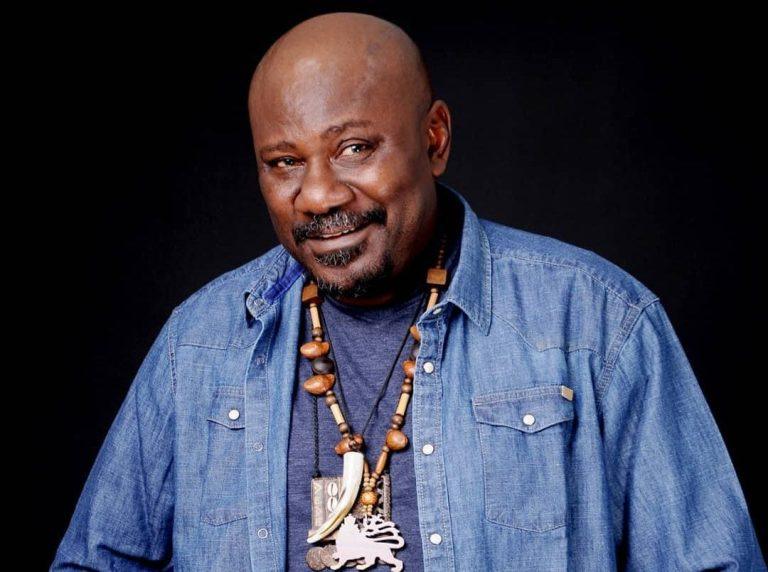
The Man Died’ Sweeps 2025 ZUFF as Amkpe, Sam Dede Lead Winners

Nigerian-American interdisciplinary artist and filmmaker Awam Amkpe, along with veteran actor Sam Dede, emerged as top winners as the feature film “The Man Died” swept major categories at the 15th edition of the 2025 Zuma International Film Festival (ZUFF).

READ ALSO: Nigerian Government hails Zuma Film Festival platform

The week-long festival, which opened on Dec. 1 in Abuja, climaxed on Friday night with a colourful awards ceremony celebrating outstanding achievements in African cinema, creativity, and cultural expression.

Announcing the winners, the ZUFF 2025 jury revealed that the festival received a record 3,179 film submissions from across the world. Out of these, 406 films were shortlisted for competition, with 21 categories eventually awarded, reflecting the depth of talent and diversity in global filmmaking.

Amkpe won Best Director for “The Man Died”, a gripping 2024 adaptation of Nobel laureate Wole Soyinka’s memoir documenting his 27-month imprisonment during Nigeria’s civil war. The film, starring Wale Ojo as Soyinka, explores resistance, tyranny, and the enduring power of the human spirit through the writer’s internal battles and clandestine writings. The cast also features industry veterans such as Sam Dede and Norbert Young.”

Dede clinched the Best Supporting Actor award for his role in the same film, contributing to its dominance at this year’s festival.

Other major winners include:

Best Actor: Abdulazeem Ibrahim

Best Actress: Ijapari Ben-Hirk for “Finding Nina”

Best Cinematography: “The Man Died”

Best Documentary: “The Cashew Rain” by Alan Schvarsberg (Brazil)

Best Picture: “The Man Died”

In his remarks, Dr Ali Nuhu, Managing Director and Chief Executive of the Nigerian Film Corporation (NFC), praised all stakeholders and participants for contributing to a successful 15th edition. He noted that the demand for film content globally continues to rise, driving the relevance of ZUFF as a platform for showcasing African stories and strengthening the creative economy.

Nuhu added that the festival remains committed to promoting excellence in filmmaking and inspiring new narratives that highlight the power of storytelling.

“As we bring the 2025 Zuma International Film Festival to a close and commence activities towards the 2026 and 16th editions in earnest, I gladly affirm that we shall continue to offer unparalleled national, regional, and global opportunities through shared ideas, experiences, and exchanges.”

”Throughout the five days, Zuma offered meticulously curated programmes, panel sessions and events that left us inspired, educated and entertained.

”From the thought-provoking documentaries to captivating short and feature films, there was indeed something that resonated with everyone, and we will be leaving this venue today with unforgettable thrills and experiences,” he said.

The NFC boss reaffirmed the Film Corporation’s commitment to bettering Nigeria’s film industry for the promotion and growth of film production and cinema activities.

“This year’s theme, ‘Storytelling for Global Influence: Film as a Soft Power and Economic Force’, reminded us of the incredible power of Nigeria’s and indeed Africa’s cultural and creative strength.”

”We intend to sustain the importance of storytelling as a soft power in driving global influence, just as Nigeria’s cinematic excellence continues to exert a positive impact globally.”

”We must support the growth of creative economies, including cultural diplomacy. We have been transported into the world of creative excellence with nothing short of exceptional experiences.”

“From the success so far, we intend to use ZUMA 2026 to sustain conversations, strengthen partnerships, and boost co-production, creating the perfect opportunity to connect, promote, and reward excellence,” he added.

He appreciated members of the jury for their film entries that were impactful with deep storytelling mechanisms and resonated across the global film community.

“I congratulate the award winners from all the categories of the Zuma International Film Festival 2025. May your award continue to inspire you into greater content creation with a positive impact on human existence.”

“Those who did not come top as winners need not despair. Together, we stay positive, still contributing to the business of filmmaking as creative giants. Nigeria, with its vibrant film industry, is a pride for all of us.”

“I deeply appreciate the governments and embassies of the People’s Republic of China, Iran, Spain, Germany, South Africa, and others for sending delegates to participate in ZUFF 2025.

“This indeed is an indication of how best to strengthen our bilateral cultural relations, which we cherish.”

“We deeply appreciate President Bola Tinubu, the Federal Capital Territory Administration (FCTA) led by Nyesom Wike and Dr Mariyam Mahmoud, and Hannatu Musawa, Minister of Art, Culture, Tourism & Creative Economy, and Gov. Caleb Manasseh Mutfwang of Plateau.”

Mr Ejike Asiegbu, Chairman of the Jury, said the event witnessed an extraordinary level of cruelty, the partial and mystical success of human beings across the world.

“An overwhelming treatment, an overwhelming precedent in global confidence in the super talk of contenting, authentic storytelling, and cinematic innovation.

“I am delighted to extend our heartfelt appreciation to the NFC boss, who is very capable, dynamic, cheerful, and distinguished, and I also appreciate the seven exceptional jury members, composed of three Nigerians and four international members.


NAN/Oluchi

President Tinubu Unveils New Security, Economic Blueprint

0

President Bola Tinubu has announced a new security and economic framework aimed at unlocking Nigeria’s vast marine and aquatic resources under the blue economy as one of the country’s most critical sectors for national transformation.

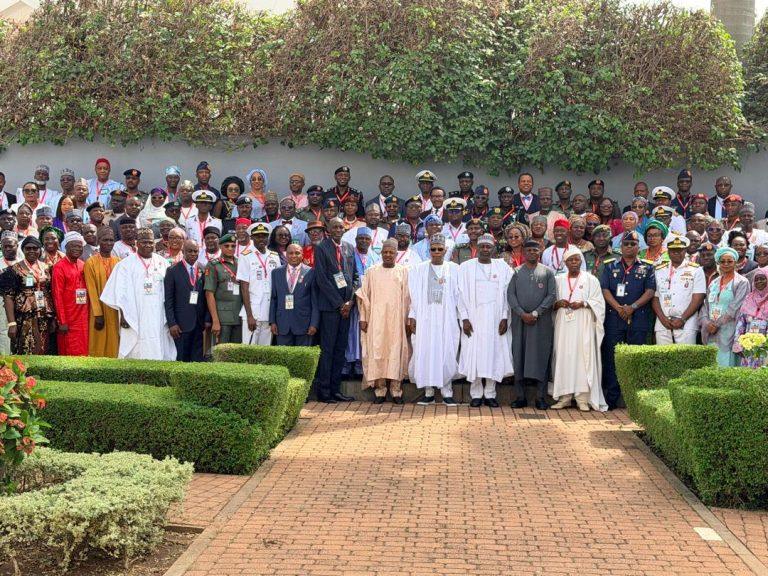
He has also directed all relevant ministries, departments, and agencies to immediately review and implement recommendations by the National Institute for Policy and Strategic Studies’ (NIPSS) comprehensive study on blue economy development.

Speaking during a Presidential Parley with participants of Senior Executive Course 47 of the National Institute for Policy and Strategic Studies (NIPSS) at the Presidential Villa, the President said the administration was committed to converting Nigeria’s maritime potential into a major driver of economic diversification, job creation and long-term prosperity.

The blue economy offers a strategic pathway for diversifying our revenue base, creating sustainable employment and revitalising the ecosystems that sustain national development. If properly harnessed, this sector could become an anchor of shared prosperity for generations,” he said.

President Tinubu welcomed the findings of the NIPSS study on Blue Economy and Sustainable Development in Nigeria, describing it as a timely resource that outlines the “opportunities we must seize, the challenges we must confront and the policies we must refine.”

He praised the institute for sustaining its tradition of analytical rigour, creativity and patriotic duty.

New Growth Avenues

The Nigerian leader noted that Nigeria’s marine endowments, including an 853-kilometre coastline, rich fisheries, extensive inland waterways and a strategic location within the Gulf of Guinea, place the country in a strong position to build new growth avenues.

He said the administration was prioritising aquaculture expansion, port and maritime corridor modernisation, coastal tourism, marine biotechnology and renewable ocean energy.

These opportunities lie within our grasp if we act with discipline and intentionality,” he said.

Reaffirming his administration’s reform agenda, President Tinubu highlighted the establishment of the Ministry of Marine and Blue Economy as a critical step toward improving port management systems, strengthening maritime security operations and enabling private-sector growth.

He, however, acknowledged that more work lies ahead and directed all relevant ministries, departments and agencies to immediately study and prepare to implement the NIPSS recommendations.

Security

The President stressed that economic ambitions in the blue economy cannot be realised without a safe and stable environment.

While piracy has reduced through the Deep Blue Project, he warned that oil theft, illegal fishing, smuggling, vandalism and kidnapping still undermine national revenues and investor confidence.

These threats are real, and this Administration is taking decisive steps to address them,” he said.

President Tinubu also assigned NIPSS an expanded national security mandate, ordering the institute to conduct a nationwide security diagnostic and develop actionable recommendations to guide reforms in Nigeria’s security architecture.

The policy paper shall be submitted to my office within an agreed timeline, and it will receive the utmost attention,” he assured.

The Nigerian leader described NIPSS as the intellectual engine of our national transformation and urged the scholars to remain bold, solution-driven and rooted in the country’s realities.

President Bola Tinubu was represented by Vice President Kashim Shettima.

The Director-General of NPISS, Professor Ayo Omotayo, thanked President Tinubu for the support the institution has received.

He appreciated the Minister of Finance and Coordinating Minister of the Economy, Wale Edun, for providing funding for SEC 47.

Professor Omotayo noted that the team visited several Nigerian states and 14 countries outside Nigeria, and were at the Presidential Villa to present their findings titled “Blue Economy and Sustainable Development in Nigeria: Issues, Challenges and Opportunities.

Highlighting the content of the report, Monitor General of set 47, Colonel Murkar Dauda said the Nigerian Government was already addressing systemic gaps in the blue economy, while commending the President for his visionary leadership in driving the economy.

Among other issues, the report noted challenges of governance, institutional coordination, and policy coherence, as well as the fact that available infrastructure falls below global standards.

The report further emphasised the opportunities available in Nigeria.

Fisheries and aquaculture remain strong entry points for Nigeria.” the report explained.

It advised that diversifying revenue sources would unlock new earnings for the country.

In its recommendations, the participants advised the Nigerian government to launch a national fisheries expansion programme, leveraging public-private investments to increase fish production from the current 1.2 metric tonnes to 10 metric tonnes within two years.

The report also recommended expanding the revenue base of the marine and blue economy sector, while developing a comprehensive marine and blue economy financing framework.

The report stressed that the Federal Government should review and harmonise all legal, policy, and institutional frameworks on the marine and blue economy; establish an innovative marine and blue economy skills, job creation, and social inclusion framework, as well as enhance the safety and security of inland water bodies, among others.


Lateefah Ibrahim

Ondo State Appoints Ara Special Envoy for Creative Diplomacy

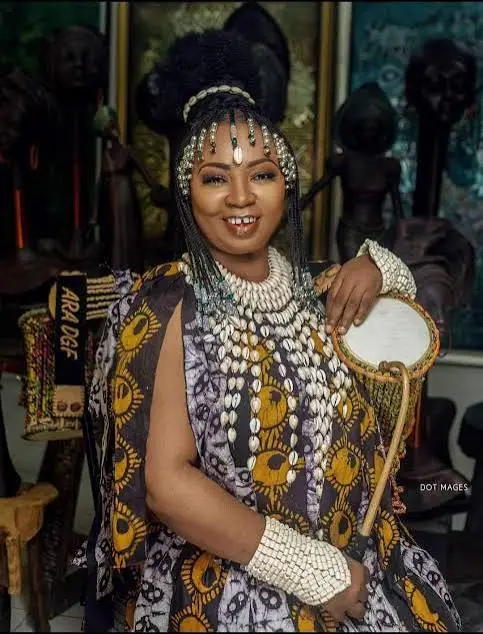
Nigeria’s foremost female talking drummer, Aralola Olamuyiwa, popularly known as Ara, has been appointed Special Envoy on Diplomacy and Global Creative Affairs by Gov. Lucky Aiyedatiwa.

READ ALSO: Nigerian Army Deploys GOC to Kwara to Boost Security

Ara confirmed the appointment in a statement on Tuesday in Lagos, describing it as a significant recognition of her long-standing contributions to culture and creativity. She noted that the honour reflects her over 25 years of promoting African culture, music, and creative excellence on global platforms and international cultural circuits.

She added that her journey has been driven by a passion for showcasing African heritage and elevating Nigeria’s image through music, performance, and cultural advocacy.

Widely regarded as one of Nigeria’s most influential cultural ambassadors, Ara has consistently used her talking drum to foster unity and strengthen intercultural understanding. Her performances on international stages have advanced African identity, deepened cultural exchange, and highlighted Nigeria’s creative potential to global audiences.

In her new role, Ara is expected to help Ondo State enhance cultural diplomacy, expand creative partnerships, and showcase the state’s unique cultural and tourism assets. She stated that the appointment will allow her to collaborate closely with stakeholders committed to promoting Ondo State’s cultural richness both locally and internationally.

Expressing gratitude for the trust placed in her, Ara reaffirmed her dedication to Nigeria’s cultural development and global creative representation.

“I look forward to contributing meaningfully to cultural diplomacy and representing Ondo State and Nigeria with excellence,” she said.

She added that her mandate will focus on supporting emerging creatives, promoting cultural innovation, and fostering global collaboration with artists connected to Ondo State.

The appointment earned congratulations from former President Olusegun Obasanjo and the traditional ruler of Ondo town, Oba Adesimbo Kiladejo.

Mr. Pretty Okafor, National President of the Performing Musicians Employers Association of Nigeria, also commended the appointment, describing it as “a well-deserved recognition.”


NAN/Oluchi

Public Relations Expert Seeks Review of AI Copyright Law

0

A public relations expert and fellow of the Nigerian Institute of Public Relations (NIPR), Saadu Salahu, has stressed the urgent need for the federal government, particularly lawmakers, to review Nigeria’s copyright law to prevent unpatriotic elements from misusing artificial intelligence (AI) in exacerbating sensitive security issues.

He commended both federal and state governments for their efforts at securing life and property across the country.

Salahu, a senior adviser and counsellor to the Kwara State governor, made the call in a lecture themed “Professionalism and Synergy in Public Relations Practice,” which he presented at the 2025 get-together dinner organised by the Kwara State chapter of the NIPR in Ilorin, the state capital.

The guest lecturer said evidence of social media abuse and misapplication of AI with negative consequences were the reasons some countries took legal steps to strike a balance between free speech, public good, and national security.

He cited Denmark, Australia, and a few European Union nations as examples of countries that had made legislation to check abuse of social media and AI.

Salahu urged the government to engage AI experts in combating insecurity by developing AI-powered solutions to further support government efforts to improve public safety.

He added that governments must curb the criminal use of technology, including AI and social media, regulate social media, and educate influencers on responsible use, stressing that security, being the responsibility of all, demanded patriotism from citizens.

“Misinformation, disinformation, and fake news constitute part of serious dangers to current insecurity in the country,” he emphasised.

The NIPR Fellow reminded professional public relations practitioners of the need to measure up to global standards set by the Institute.

“Expectedly, we are and must be seen as professional public relations practitioners in a management capacity for the good of our employer and the public or publics,” Salahu stressed.

He added that they needed in-depth knowledge and skills in cutting-edge technologies such as AI, social media monitoring, content management systems, and crisis-management software to remain reputable professionals.

Salahu used the forum to thank and commend the Kwara State Governor, AbdulRahaman AbdulRazaq, for allowing him and many of his colleagues to be part of his leadership since 2019.

“He has made us extremely proud by being the first governor to have appointed the greatest number of media practitioners into enviable positions in his administration.

“It is on record that the governor has been rightly rated by credible local and international organisations and experts as the best governor in transparency and accountability, good governance, education, health, socio-economic and infrastructural transformation, poverty alleviation, youth and women inclusion in governance, peace and security, urban renewal, and ease of doing business.

“Governor AbdulRahaman AbdulRazaq’s investment in digital literacy to empower students and youths in the state to fit into leadership positions in the digital economy is quite inspiring and commendable.

“Similarly, outcomes of the pace-setting but just-concluded summit on Artificial Intelligence in Kwara State consolidate Kwara’s leadership position in Nigeria’s digital ecosystem.” He explained.

In her remarks, a ranking member of the National Council of the NIPR, Prof. Saudat AbdulBaki, highlighted the achievements of the Ike Neliaku-led Council in repositioning the NIPR as a global professional body.

AbdulBaki, who is the Dean of the Faculty of Mass Communication at the University of Ilorin, urged members of the Kwara State chapter to sustain their participation in NIPR programmes and activities lined up for 2026.

PIAK

Stakeholder Lauds NISECEXPO-DICON for Strengthening Africa’s Defence Capacity

0

The former Director-General of the Defence Industries Corporation of Nigeria (DICON), Retired Major-General Victor Ezugwu, has commended the organisers of NISECEXPO-DICON for driving efforts to strengthen Africa’s defence production capacity to confront emerging security threats.

He gave the commendation during the closing ceremony of the international defence and security exhibition in Abuja.

READ ALSO: Nigeria to Host 2025 NISECEXPO-DICON Security Conference

Ezugwu said the expo created a vital platform for African nations to collaborate, share ideas, and prepare for future conflicts that were becoming increasingly complex and driven by rapidly evolving technologies and non-state actors.

He stressed the need for a strong and well-structured defence manufacturing system across the continent.

Ezugwu noted that participants and experts from Nigeria, other African countries, Israel, and Ukraine presented practical solutions that could enhance defence readiness.

According to him, Nigerian defence industries, including DICON and IPAL, gained valuable exposure to modern technologies such as artificial intelligence and drones, which were now essential to contemporary warfare.

The retired senior officer expressed optimism that Nigeria’s defence sector would be significantly stronger within the next two years.

He said, “This is largely due to renewed political will demonstrated by President Bola Ahmed Tinubu, who recently signed the amended DICON Act after years of delay”.

Ezugwu applauded the new Minister of Defence and urged defence institutions to focus on local production, especially at DICON’s Kauri facility, to provide the Armed Forces with the equipment they urgently needed.

He stressed that the era of rhetoric was over, adding that Nigeria must now fully shift to a result-driven phase of defence manufacturing to meet national and regional operational demands.

The Chief Executive Officer of the Nigeria International Security Conference and Exhibition (NISEC), Frank Ohwof said “the Nigerian Armed Forces are undergoing a major transformation from traditional war fighting strategies to technology-driven security operations”.

He noted that the military of today was vastly different from what it was a decade ago, particularly in its approach to emerging asymmetric threats.

Ohwof explained that adapting to new operational requirements took time due to natural resistance to change within organisations.

However, he expressed confidence that Nigeria’s military and security agencies now had a stronger understanding of modern warfare dynamics and the need for technological advancement to stay ahead of adversaries.

He stressed that criminals and terrorists were becoming smarter, more educated, and technologically sophisticated, making it essential for law enforcement forces to match or exceed their capabilities. “Technology is no longer an option, it is a compulsory component of national security,” he stated.

On translating ideas from the expo into actionable outcomes, Ohwof affirmed that the DG of DICON was fully committed to ensuring that innovations showcased at the event led to real improvements.

He said “the amended 2023 DICON Act has given the corporation the legal authority it needs to deepen defence production, encourage private sector investment, and boost local manufacturing capacity for improved operational performance”.

He described NISECEXPO as a forward-thinking initiative that united academia, scientists, inventors, and security stakeholders to address shared regional threats.

He added that collaboration with experts in disaster response and medicine enhanced the ability of military and civilian responders to save lives and safeguard communities during conflicts or emergencies, further strengthening Nigeria’s overall security framework.

Professor Roberto Mugavero of the European Centre for Disaster Medicine added that NISECEXPO provided a vital opportunity for civil-military cooperation, linking defence industries with research institutions to develop innovative solutions that could address shared global security challenges.

The 2025 NISECEXPO-DICON is an international security conference and exhibition jointly organised by the Nigeria International Security Conference and Exhibition (NISEC) and the Defence Industries Corporation of Nigeria (DICON).

PIAK

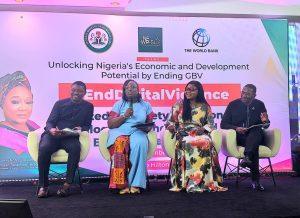
Stakeholders Unite to End GBV Nationwide

0

Stakeholders across development institutions, civil society, and the private sector have proffered solutions to end gender-based violence (GBV) in Nigeria, insisting that stronger systems, better coordination, and sustained funding are essential to achieving measurable progress.

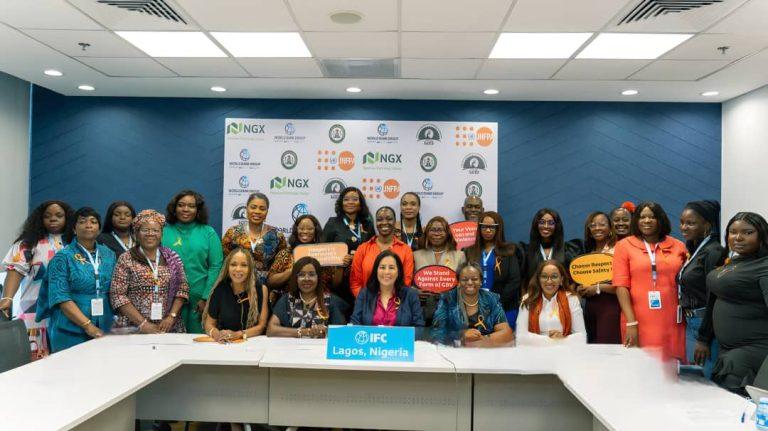
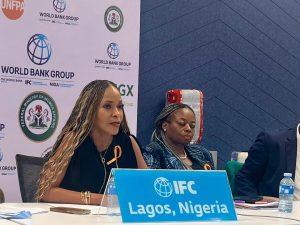
Their positions emerged at a high-level panel on “Integrating GBV Response into Nigeria’s Development Agenda: Systems, Synergies, and Solutions”, where they warned that GBV remains both a human rights crisis and a major constraint to national development.

At a National Dialogue marking the close of the 16 Days of Activism Against Gender-Based Violence, themed “Unlocking Nigeria’s Economic and Development Potentials By Ending GBV”, moderator and economist Ayodele Fashogbon noted that prevalence remains alarming, with “one out of four, one out of five women in Nigeria” experiencing violence due to weak systems that continue to limit progress.

Founder of the Women At Risk Foundation, Dr Kemi Da-Silva Ibru, highlighted Nigeria’s demographic realities, noting that women make up half of the population and dominate 70% of the informal sector, yet remain under-represented in leadership.

She warned that the economic cost of GBV is enormous. “Nigeria loses an average of 2% of our national GDP… about $9 billion lost as a result of gender-based violence,” she said.

On the VAPP Act, Dr Bukola Shonibare of Invictus Africa disclosed that although all states except Kano have domesticated the law, “50.7% of Nigerians are not aware of the VAPP law,” and only “29% of those who know about the VAPP law know its contents.”

She noted that the Act criminalises 26 offences and corrected gaps in older legislation, which recognised only penile-vaginal rape. “If people don’t know the law, they cannot use it,” she said, adding that enforcement remains weak.

Speaking on Sexual Assault Referral Centres (SARCs), Dr Rhoda Robinson of HACEY Health Initiative stated that Nigeria’s “48 SARCs across the country” remain insufficient for 774 LGAs.

She warned that inconsistent services, understaffing, and a lack of dedicated funding undermine their effectiveness. “When we are developing SARCs, state ownership must be heavily promoted… We do not want a situation where the only service they can provide is based on how much they have,” she said.

UNFPA Deputy Representative Koesan Kwawu emphasised the need for a “whole-society approach,” noting inconsistent implementation due to conflicting community norms.

“We need to have a consensus… and consistent application of the law,” he said, adding that workplace GBV policies must be integrated into organisational culture. “Any law… that is not funded is as good as not having them at all.”

Earlier, World Bank Country Director Mathew Verghis described GBV as “a fundamental violation of human dignity and human rights that causes lifelong harm” and “a key barrier to women’s equal participation and advancement in the labour market.”

He said the Bank’s new Gender Strategy prioritises prevention and response, with Nigeria among 16 fast-track countries implementing an integrated intervention model.

“Let this gathering be more than a ceremony… Let it be a pledge to ensure that every girl can walk to school without fear, every woman can pursue her ambitions without harassment, and every community can thrive free from violence,” Verghis said.

The hybrid National Dialogue was organised by the Federal Ministry of Women Affairs and Social Development in collaboration with the World Bank.