Home Blog Page 487

Lawmakers Push for Lower Domestic Air Fares

0

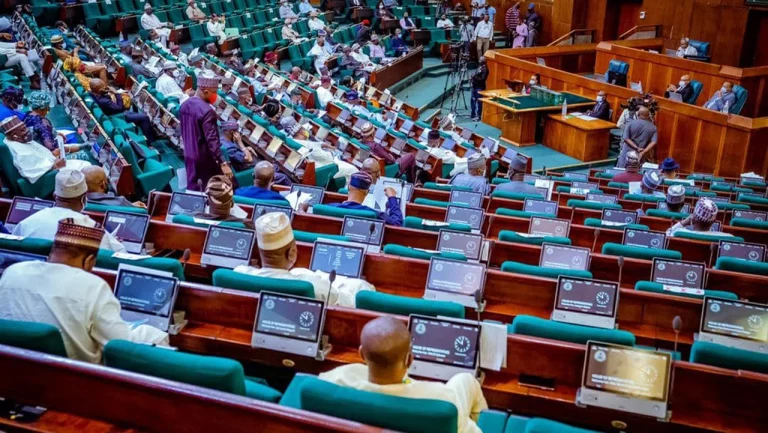
The House of Representatives has considered a motion urging the federal government to prioritise foreign exchange allocation at concessionary rates for airline operators in order to curb the rising cost of airfares in the country.

The House also called for the establishment of a Transparent Assessment Mechanism to determine the true minimum operational costs for airlines throughout the Yuletide season.

In addition, it sought the provision of targeted subsidy grants or palliative subsidies to bridge the gap between sustainable operational costs and the fare ceiling accessible to the public.

The House further mandated collaboration with the Central Bank of Nigeria (CBN) to prioritise concessionary foreign exchange access for airline operators.

These resolutions followed the adoption of a Matter of Urgent National Importance titled “The Exorbitant Rise of Airline Ticket Cost and the Consequential Impact on Security of Lives: Air Ambulance Cost,” sponsored by Obi Aguocha.

Leading the debate on the motion, Aguocha said the House notes “the exorbitant rising cost of airline tickets in the country currently affecting millions of Nigerian families.“

“Concerned that the soaring costs of domestic air travel have created a barrier preventing many from returning to their ancestral homes, where shared laughter and family connections are meant to thrive and improve our self-worth.”

Aguocha argued that while airline operators face challenges from high JetA1 fuel prices to currency fluctuations, the House must consider the broader implications of pricing strategies in the aviation sector.

Concerned that the insatiable pursuit of profit should not come at the expense of the cultural bonds that define us as Nigerians.

“Cognizant that by temporarily reducing fares during this critical period, it would demonstrate a commitment to social responsibility and national solidarity. Such an act would reaffirm to all citizens that the journey home is a fundamental right, accessible to every Nigerian, regardless of financial status.”

He further lamented the unprecedented rise in travel costs, warning that it poses a threat to the traditions that unite Nigerians during the festive season.

Further urge the government to show decisiveness as they did last year with road transporters in providing support. It is imperative that similar assistance be extended to the aviation sector, which plays a critical role in both family reunification and national connectivity.”

After adopting the motion, the House referred it to the Committee on Aviation to interface with airline operators and the executive branch, and to report back within seven days for further legislative action.
NITDA Reaffirms Commitment to Building Innovation-Driven Digital Economy

0

The National Information Technology Development Agency (NITDA) has reaffirmed its commitment to transforming Nigeria into a digitally inclusive, innovation-driven economy through strategic partnerships and grassroots talent development.

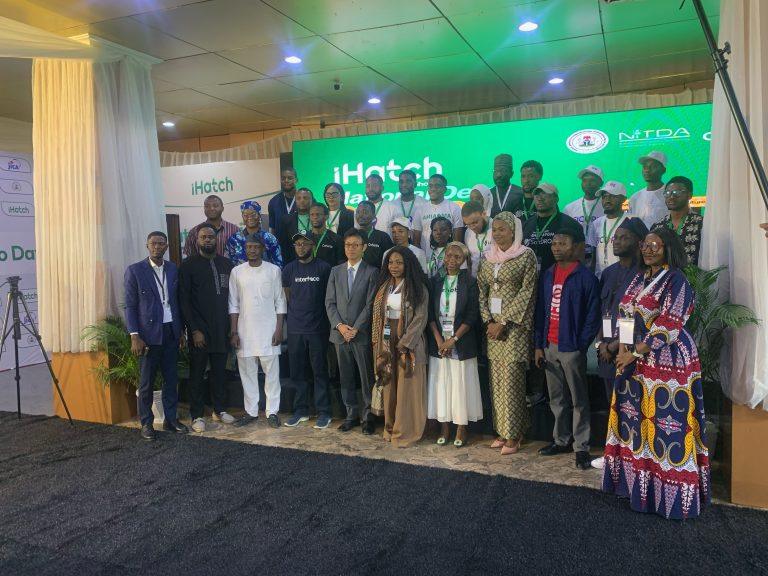
This assurance was given by the NITDA Director General, Kashifu Inuwa Abdullahi, at the iHatch Cohort 4 National Demo Day held in Abuja. He was represented by the National Coordinator of the Office for Nigerian Digital Innovation (ONDI), Victoria Fabunmi.

Inuwa described the iHatch initiative as a “vibrant demonstration” of Nigeria’s collective resolve to nurture innovation and empower young people.

This occasion reflects not just the progress of a program, but the collective effort of a nation determined to nurture innovation, empower youth, and build the future of our digital economy.

“We realized the transformative potential of taking this program deeper—into the states, into communities, and closer to the grassroots where talent is abundant but often undiscovered.”

Highlighting the expansion of the initiative, he noted that iHatch now runs across multiple states, enabling founders to compete at the state level, advance to zonal stages, and ultimately showcase their solutions at the national level.

Most importantly, this approach ensures that no one is left behind. We are building an innovation ecosystem that rises from the grassroots upward — where young people from every corner of this country have the opportunity, the support, and the platform to turn ideas into solutions.”

Inuwa attributed the program’s success to hub managers nationwide and mentors who, according to him, “selflessly shared their expertise and networks” to shape the startups on display.

He congratulated the participating startups, praising their “innovation, resilience, and passion,” and stressing that the Demo Day represented more than a showcase.

“To our startups — I congratulate you. You have endured the rigor of the program, refined your solutions, and remained committed to growth. Your innovation, resilience, and passion are the reason we are here.”

Read Also:NITDA Pledges Global Best Practices for Digital Transformation

NITDA, Governors’ Forum Partner to Drive Digital Transformation

Also speaking, the Permanent Secretary of the Federal Ministry of Communication, Innovation, and Digital Economy, Adeladan Rafiu Olarinre—represented by Emmanuel Udoidiok—reiterated the ministry’s commitment to building an enabling environment for innovators.

Today is not merely a showcase of new businesses. It is a strategic affirmation of Nigeria’s commitment to building a competitive digital and innovation-led economy.”

He emphasized that the government remains focused on policies that strengthen the digital ecosystem.

This commitment extends to driving key policies, expanding broadband penetration, supporting digital skills development, and ensuring a regulatory framework that encourages investment in the startup ecosystem.

“We understand that innovation does not grow by chance. It thrives through strategic collaboration and continuous public-private investment.”

The Demo Day marked the culmination of months of intensive coaching, mentorship, and boot camps through which selected startups refined their solutions.

Twelve startups pitched at the finale, with Interface Africa emerging first and winning a prize of $15,000.

Founder of Interface Africa, Al-Amin Mohammed Idris, thanked NITDA for its support from ideation to market readiness, including integration with government agencies and intervention programmes.

On his next steps, Idris said:

My next line of action is to use this prize money to train 1,000 agents across Nigeria, creating 1,000 jobs. We’ll be providing them with onboarding materials, training, marketing support, and we’ll go into rural communities and empower them.

“Our target is to use this money to not just train them, but to use the resources to unlock investment in about 100,000 businesses, especially in rural markets.”

INEC Opens Window for Voter Register Claims, Objections

The Chairman of the Independent National Electoral Commission INEC, Professor Joash Amupitan, has called on civil society groups, community leaders, the media, and citizens nationwide to support the Commission as it opens the Claims and Objections window for the first phase of the Continuous Voter Registration (CVR) on December 15.

He warned that Nigeria’s democracy cannot gain credibility or maturity if the national voters’ register remains filled with the names of people who have died, moved, or are otherwise ineligible.

Professor Amupitan made the appeal in Abuja on Thursday, 11th December, 2025, at the Nigeria Civil Society Situation Room’s Stakeholders’ Forum on Elections, where he delivered an extensive and soul-searching address on the state of the nation’s democracy, the challenges of election management, and the critical roles played by CSOs, political actors, security agencies, and citizens.

The INEC Chairman, barely two months in office and attending the forum on a day originally slated for the Commission’s weekly meeting, said he considered his presence a duty to the nation.

He emphasised that the upcoming phase of Claims and Objections is decisive for strengthening the integrity of Nigeria’s voters’ register, describing it as “a task the Commission cannot accomplish alone.”

He expressed concern that many Nigerians do not review the public display of the provisional register, allowing errors, duplications, and names of deceased persons to go unreported.

Citing his discovery during the Anambra governorship election preparations, where a prominent leader who died during the 2020 lockdown still appeared on the register, he said such lapses erode trust in the electoral process and damage Nigeria’s democratic credibility.

The INEC Chairman therefore, urged citizens to take the exercise seriously, stating that the public must help identify names that should be removed, errors that require correction, and omissions that need to be fixed.

“If we cannot clean up our register, we cannot claim credibility,” he said. “We need CSOs, community leaders, and the Media to mobilise Nigerians to examine the lists. INEC cannot do it alone.”

Professor Amupitan explained that Phase 1 of the CVR, which began on 18 August and concluded on December 10, recorded a nationwide total of 2,685,725 registrations. Of this figure, 1,576,137 completed their registration online, while 1,109,588 completed the process through physical capture.

He praised the rising political awareness reflected in the numbers, noting that states such as Osun, Kano, Sokoto, Imo, Borno, and Lagos are leading the pack in registration turnout.

To further deepen inclusivity and ease access, the Commission will begin Phase 2 of the registration exercise on January 5, 2026, relocating many registration centres closer to registration areas and hard-to-reach communities.

He said this decision emerged from field assessments showing that distance and poor accessibility hindered turnout in many locations.

Professor Amupitan also detailed the Commission’s preparations for the FCT Area Council election scheduled for February 21, 2026, describing it as one of the Commission’s most sensitive assignments because INEC is solely responsible for local government–level elections in the FCT.

He noted that all information and timelines are already available on the Commission’s platforms and that further discussions on logistics and security will continue.

Nigeria, Niger Republic Agree on Cross-Border Initiatives

0

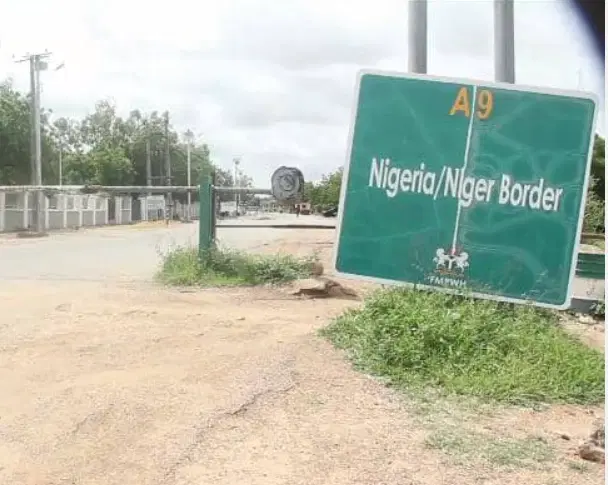
The Nigerian Government and the Republic of Niger have concluded a high-level session of the Joint Standing Committee of Experts (JSC) in Zinder, reaching firm agreements on boundary re-demarcation, security coordination, and enhanced cross-border engagement.

The three-day meeting, held from 8 to 10 December in Zinder, brought together senior officials, technical experts, and field operatives under the Nigeria/Niger Joint Commission (NNJC) to review progress on the ongoing boundary re-demarcation exercise and to adopt a new programme of activities for the 2025/2026 cycle.

A major outcome of the meeting was the formal adoption of the technical report on boundary re-demarcation activities undertaken since the last JSC session in Abuja in 2023.

The meeting revealed that 60 intermediate pillars were constructed between main pillars 79–80 and 80–81 in the Kongolam axis of Katsina State.

During the same period, 40 intermediate pillars were constructed between pillars 108–109 and 109–110. Additionally, 17 intermediate pillars were re-evaluated between pillars 125–126 along the Maigatari/Machina corridor.

The JSC acknowledged that some critical activities remained outstanding due to funding and security constraints in the area. These include joint inspection missions in the Dosso/Katsina sector, re-evaluation of main pillars 1–4 in Gaya, and the construction of 45 intermediate pillars in Kangiwa, Kebbi State. Both countries agreed to prioritise these tasks in the new 2026 work plan.

Strengthening Cross-border Cooperation

The meeting also considered ways of strengthening cross-border cooperation in line with the African Union’s Niamey Convention and the Integrated Border Governance Strategy.

Delegates reviewed existing cooperation corridors including Kano/Katsina/Maradi, Kano/Jigawa/Katsina/Zinder, Kebbi/Sokoto/Tahoua/Dosso, Zamfara/Katsina/Jigawa/Maradi/Zinder, and Yobe/Borno/Diffa, with a view to adopting global best practices. They assessed persistent challenges in these borderlands, including weak infrastructure, security gaps, socio-economic disruptions, and unregulated spaces.

After extensive deliberations, the experts adopted new proposals, including reviving cultural and socio-economic ties between border communities, enhancing joint use of infrastructure in border corridors, strengthening local governance collaboration between Local Government Areas and communes, and expanding security coordination across shared border zones.

Also Read: Nigeria, Niger Republic company sign $1.959b rail agreement

The meeting further recommended local cross-border workshops, joint socio-cultural and sporting activities, improved borderland infrastructure, and enhanced security presence.

Speaking at the closing session, the Director-General of Nigeria’s National Boundary Commission, Surv. Adamu Adaji, commended the experts for their diligence and expressed satisfaction with the quality of engagements.

He reaffirmed Nigeria’s resolute commitment to peaceful relations and deeper cooperation with Niger, stating that the Zinder resolutions would “enhance boundary stability, reinforce peace and security, and stimulate socio-economic development across the borderlands.”

The Head of the Niger delegation and Permanent Secretary of the National Boundary Commission of Niger, Mr Boubacar Amadou, described the deliberations as sincere, productive, and forward-looking. He emphasised the need for greater financial support to accelerate outstanding demarcation tasks.

On his part, the Secretary-General of the Nigeria–Niger Joint Commission (NNJC), Ambassador Musa Saban Mamman, acknowledged the technical depth of the discussions and reiterated the Commission’s commitment to facilitating future engagements.

He also announced plans for a Cross-Border Security Meeting in early 2026 to address emerging threats along the frontier.

Baze Student Wins Inaugural Nigerian Identity Journalism Award

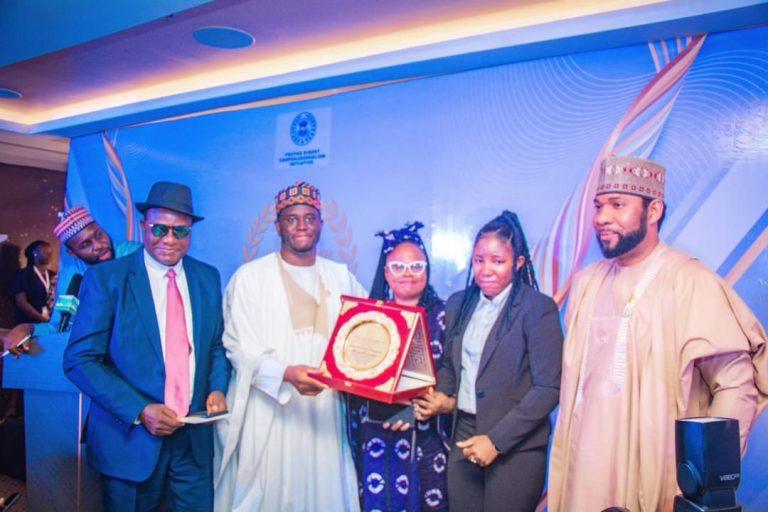
A student of the Mass Communication Department of Baze University, Ubel Albert Ekanem, has won the maiden Nigerian Identity Journalism Award at the 7th Campus Journalism Awards (CJA) held at the Transcorp Hilton, Abuja.

The new category was introduced by Youths Digest in partnership with the National Orientation Agency (NOA) under its Nigerian Identity Project.

The award celebrates young journalists whose work promotes the core values of the National Values Charter (NVC): integrity, patriotism, unity, peace and social responsibility. It was presented by the Director-General of the NOA, Alhaji Lanre Issa-Onilu, represented by the Director of Youth Engagement and Inclusion, Mrs Blessing Oyem.

Ekanem earned the honour with an article published in the Nigerian Tribune on 1 October 2025, titled “From Heritage to Hope: Nigeria’s Journey at 65”. The piece, which captured the spirit of the Nigerian identity, was selected from 39 finalists shortlisted for the debut category.

Youths Digest and the NOA explained that the award aims to inspire young journalists to advance value-driven storytelling and reinforce Nigeria’s shared identity through responsible media practice.

At the ceremony, Usman Bashir Abubakar, a law student from the University of Maiduguri, emerged as Overall Campus Journalist of the Year, following his outstanding performance in an article-writing competition and competitive public speaking assessed by an independent jury.

In his remarks, the Convener, Gidado Yushau Shuaib, described the awards as a national youth-driven movement dedicated to truth, accountability and transformative storytelling. He noted that the initiative has grown into a network of more than 3,000 campus journalists across over 100 tertiary institutions since its launch in 2018. The 2025 edition alone attracted nearly 400 entries from more than 80 institutions, bringing total submissions since inception to over 2,500.

“You are the heartbeat of this movement,” Shuaib told the finalists, commending the young reporters who continue to challenge power, uphold public interest journalism and reshape Nigeria’s narrative.

Over the years, the initiative has expanded beyond the awards to include the Campus Journalism Dialogue, introduced in 2019 at Bayero University Kano, and the online #CJDChat series, which has generated over 1,000 engagements and more than 100,000 impressions. The keynote address on “AI and the Future of Journalism” was delivered by PRNigeria Publisher, Yushau A. Shuaib.

The 2025 ceremony drew commendations from dignitaries, including representatives of the Minister of State for Education; the Director-General of the Voice of Nigeria, Mallam Jibrin Baba Ndace; the Managing Director of the News Agency of Nigeria, Alhaji Ali M. Ali; the Executive Director of CISLAC, Comrade Auwal Musa Rafsanjani; and the Registrar of Baze University, Professor Abiodun Adeniyi.

Other notable guests included Amnesty International Country Director Isa Sanusi; Nigeria Customs Service Spokesperson DCC Abdullahi Aliyu Maiwada; Managing Director of News Central TV Kayode Akintemi; former Army spokesperson Brigadier General S. K. Usman (rtd); Editor-in-Chief of LEADERSHIP Newspapers Azubuike Ishiekwene; AANI General Secretary Dr Khalifa Mohammed mni; Chairman of Image Merchants Professor Sule Yau Sule; Senior Special Assistant to the President on Print Media Abdulaziz; as well as representatives from NOA, NIPR and NFIU.

Shuaib also appreciated sponsors and partners, including CISLAC, NNPC, Amnesty International, Voice of Nigeria, NOA, NEMA, the MacArthur Foundation, TETFund, NAN, Buffer Zone Initiative, CEOS Network Africa and Cutting Edge Communications.

“When we support their creativity and protect the space for them to thrive, we secure a stronger, more united and more prosperous Nigeria,” he said, reaffirming the pivotal role of young journalists in strengthening national development and deepening democracy.

Nigerian Government Praises Governor Zulum’s Education Reforms

0

The Nigerian Government has praised Borno State Governor, Professor Babagana Zulum, for his massive investment in education infrastructure, describing him as a “pacesetter” whose commitment is setting new national standards.

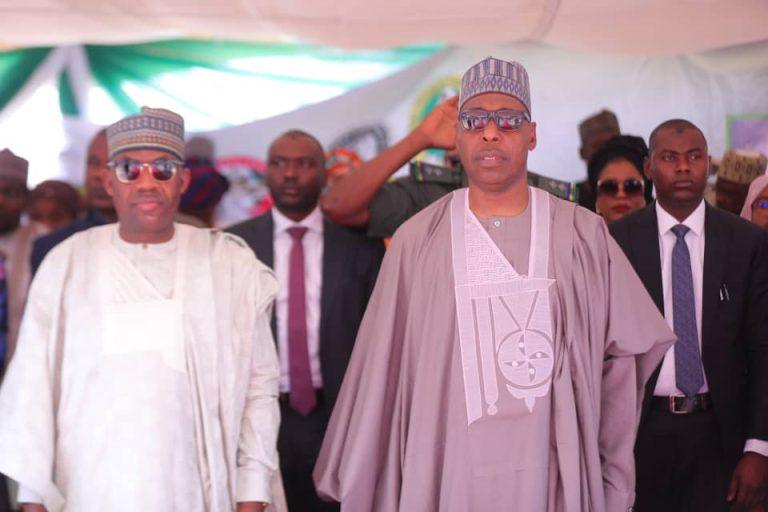
The commendation was delivered in Maiduguri by the Minister of Education, Dr Maruf Alausa, during the official commissioning of two newly constructed mega schools funded by the Zulum administration.

The two facilities—Kulogumna Mega Primary School and Government Day Secondary School, Kaleri—are fully equipped with laboratories, libraries, ICT resources and sports facilities designed to improve learning outcomes for thousands of students.

The schools have 48 and 60 classrooms respectively, built to modern standards to accommodate the rising demand for quality education in the state.

Performing the symbolic tape-cutting, the minister expressed astonishment at the level of educational development he witnessed in Borno.

According to him, the quality of infrastructure in the state’s primary and secondary schools surpasses what he has seen in some tertiary institutions across Nigeria.

 “We have a governor in the person of Professor Zulum who understands what governance is all about and who understands how to move a state and the nation forward.

I was humbled yesterday. The quality of primary, junior and senior secondary schools in Borno State blew me away.

I’ve visited many universities and polytechnics across the country that do not have the kind of infrastructure I have seen in a primary school here,” Alausa said.

Dr Alausa also commissioned the newly built Federal Government School in Ngarannam, funded by the Islamic Development Bank (IsDB) and executed by the Federal Ministry of Education through the Universal Basic Education Commission (UBEC).

The project adds to the expanding portfolio of collaborative educational development in the state.

In his remarks, Governor Zulum reaffirmed that education remains the backbone of Borno’s long-term recovery and growth strategy.

Teachers Welfare

He said there are ongoing plans to enhance teachers’ welfare, provide adequate accommodation and promote technical and vocational education.

We have to ensure accommodations are being provided for teachers, and very soon the Borno State Government will roll out plans to motivate them.

Most importantly, there must be a deliberate effort to encourage technical and vocational education. Therefore, government will soon announce plans to increase teachers’ salaries,” Zulum said.

He further noted that the state has fully implemented the minimum wage for teachers at both primary and secondary school levels.

Lateefah Ibrahim

APC Applauds Nigeria’s Leadership Growth Influence in West Africa

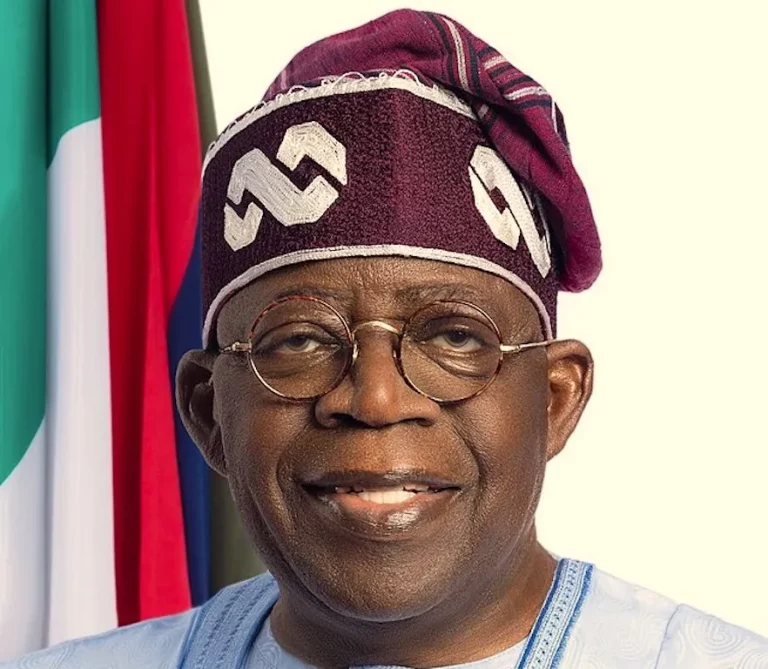
The All Progressives Congress (APC) says Nigeria is providing strong regional leadership under President Bola Tinubu.

A statement by the Lagos State APC spokesman, Mr Seye Oladejo says, the country is playing a stabilising role as West Africa faces political instability, security threats and economic uncertainty.

According to him, President Tinubu’s leadership in ECOWAS has strengthened diplomatic engagement, supported democratic governance and reopened dialogue channels in troubled West African nations.

He said Nigeria has remained resolute in opposing unconstitutional government takeovers across the sub-region.

Oladejo noted that Nigeria was also driving regional security cooperation through counterterrorism initiatives, intelligence sharing and joint operations with neighbouring countries and efforts that are improving responses to terrorism, piracy and cross-border crime.

He commended the enhancement of the ECOWAS Standby Force under President Tinubu’s guidance and stated that Nigeria was mobilising international backing to address emerging security threats in the Sahel.

He further said that the country’s foreign policy was now anchored on strategic diplomacy, regional development and economic integration. This includes expanding energy diplomacy and forging new trade partnerships within West Africa.

Oladejo said these initiatives reflect the administration’s Renewed Hope Agenda for a safer and more prosperous region.

He urged Nigerians to remain confident in the nation’s growing influence, adding that Nigeria is shaping key developments across the continent through steady and consistent engagement.


NAN

House Committee Reaffirms Commitment to Youth Empowerment

0

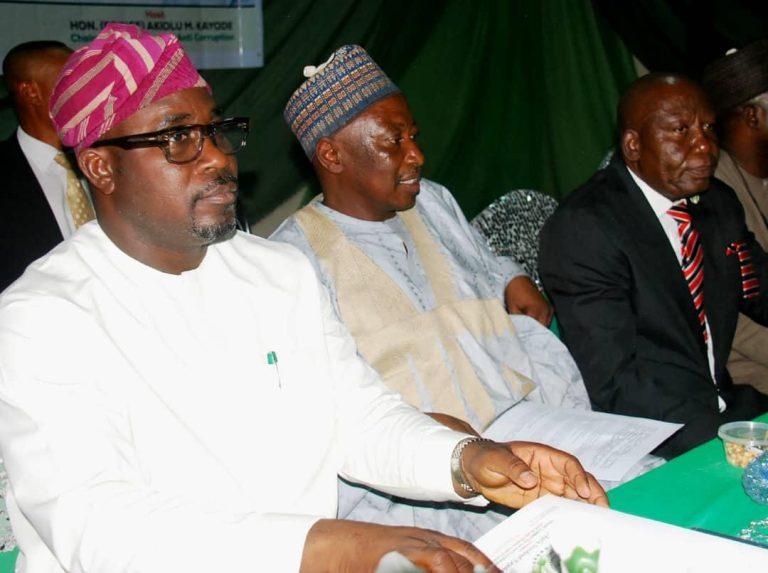
The Chairman of the House of Representatives Committee on Anti-Corruption, Mr Mashood Akinolu, has reaffirmed the House’s commitment to creating policies and frameworks that will empower youths across Nigeria.

Mr. Akinolu made this statement during the commemoration of the 2025 International Anti-Corruption Day in Abuja.

He noted that the House is working to enhance transparency, strengthen legal frameworks, and support civic education that equips young people with the knowledge and tools to resist and report corruption.

The House is working to enhance transparency, strengthen legal frameworks, and support civic education that equips young people with the knowledge and tools to resist and report corruption,” he said.

He emphasised that corruption undermines democracy, steals from the vulnerable, slows development, and erodes public trust in institutions.

In his remarks, the Chairman of the Independent Corrupt Practices and Other Related Offences Commission (ICPC), Musa Aliyu, stated that corruption remains one of the greatest threats to development and social justice. He added that it erodes public trust, diverts resources from essential services, and undermines opportunities for young people.

“Corruption remains one of the greatest threats to development and social justice; it erodes public trust, diverts resources from essential services, and undermines opportunities for young people,” he said.

The Chairman of the Code of Conduct Tribunal (CCT), Dr Mainasara Umar Kogo, advised youths to develop their skills, noting that formal education alone is no longer sufficient in the fast-evolving, technology-driven job market.

Also Read: Nigeria Reaffirms Commitment To Youth Empowerment

He stressed that the nation is endowed with mineral resources, emphasising that one fundamental missing link is injustice.

“If we can bridge that missing link, our future leaders will know that they are not the future leaders of Nigeria alone but future leaders of the world,” he said.

Stakeholders at the event urged Nigeria’s youth to be part of the conversation demanding a corruption-free country and encouraged them to use their creativity and digital skills to promote transparency, accountability, and good governance.

Adamawa Monarch Commends Government’s Swift Intervention In Lamurde

0

A traditional ruler in Adamawa State, Dr Kuruhaye Dishon Dansanda II, has commended the state government and security agencies for their swift and decisive intervention in calming the recent security crisis in Lamurde Local Government Area.

He called on residents to fully support government-led peace efforts, noting that “unity and cooperation remain the strongest tools for sustaining peaceful coexistence in the region.”

Dr Dansanda, addressed as, His Royal Majesty,  Kwandi Nunguraya, emphasised that peace is the foundation upon which every thriving society is built, stressing that “no community can attract investment or development in the midst of conflict.”

He explained that tranquility creates an enabling environment for businesses to grow, agricultural activities to flourish, and public infrastructure to be effectively utilised ultimately improving livelihoods and boosting local economies.

“Communities that nurture peace often enjoy increased investor confidence, improved access to government services, and stronger social bonds,” he stated.

According to him, stability not only protects lives and property but also unlocks economic potential, allowing families, traders, and farmers to pursue opportunities without fear or disruption.

The Kwandi urged residents to fully support ongoing peace initiatives, stressing that “sustainable coexistence can only be achieved when communities cooperate with authorities and shun reprisals.”

Also Read: Adamawa State Police Rescue Children In Traffic Crackdown 

Addressing the tragedy that claimed several lives, the monarch condoled with affected families and called for restraint and forgiveness from all parties.

He observed a minute of silence in honour of the deceased and urged the people to work collectively to prevent further breakdown of law and order.

The royal father made the remarks during the turbaning ceremony of six new village heads. He reminded them that “peace, tolerance, perseverance, and patience must guide your leadership as you oversee your respective communities.”

The Kwandi Nunguraya further directed that two representatives from every village in the Nungura Kingdom attend a security consultation meeting aimed at strengthening communal safety and advancing lasting peace.

President Tinubu Submits 2026–2028 Fiscal Framework for Approval

President Bola Tinubu has submitted the 2026–2028 Medium-Term Expenditure Framework (MTEF) and Fiscal Strategy Paper (FSP) to the National Assembly for approval, a foundational step in the 2026 budget process.

The documents were contained in a letter from the President and read by the Deputy Senate President Senator Jibrin Barau during Thursday’s plenary.

The letter is titled: ‘Submission of the Federal Government of Nigeria’s 2026–2028 Medium-Term Expenditure Framework and Fiscal Strategy Paper.’

President Tinubu explained that the MTEF and FSP were approved by the Federal Executive Council (FEC) on 3 December 2025 and urged lawmakers to expedite legislative action, as the 2026 budget will be prepared on their basis.

“It is with pleasure that I forward the 2026–2028 Medium-Term Expenditure Framework and Fiscal Strategy Paper, MTEF and FSP, for the kind consideration and approval of the distinguished Senate.

The 2026–2028 MTEF and FSP was approved during the Federal Executive Council meeting of 3 December 2025. And the 2026 budget of the Federal Government will be prepared based on parameters and fiscal assumptions of the approved 2026–2028 MTEF and FSP. I seek the cooperation of the National Assembly for expeditious legislative action on the submission,” the President’s letter read.

After reading the letter, Senator Barau referred the documents to the Senate Committee on Finance for detailed scrutiny and possible legislative approval.

Also Read: FEC Approves 2026–2028 MTEF, Sets Nigeria’s Fiscal Direction

The Federal Executive Council last Wednesday approved the 2026–2028 MTEF/FSP, outlining revenue projections, fiscal assumptions, and spending priorities for the next three years.

At the FEC session presided over by President Tinubu, the economic management team, led by the Budget Office of the Federation in collaboration with the Ministry of Budget and Economic Planning, presented the draft MTEF/FSP.

The council approved the framework that will guide Nigeria’s fiscal and budgetary direction from 2026 through 2028.

Key macroeconomic and fiscal assumptions adopted include an oil production target of 2.06 million barrels per day (mbpd) for 2026, with a more conservative 1.8 mbpd benchmark for actual budget planning; a crude oil price benchmark of US$64.85 per barrel; and an exchange rate assumption of N1,512 to the dollar for the 2026 budget.

The federal government also projects total revenue of N34.33 trillion in 2026 under this framework.

In approving the MTEF/FSP, the FEC also endorsed a Medium-Term Fiscal Expenditure Ceiling, a cap on how much the government can spend intended to enforce fiscal discipline.

Other decisions at the FEC meeting included the approval of a US$100 million facility from the African Development Bank for the Nigeria Youth Investment Fund, aimed at supporting entrepreneurs aged 18–35 across micro, small and medium enterprises (MSMEs).

The council also approved a development loan from the Islamic Development Bank (IsDB) for an integrated agricultural project in Yobe State.

The MTEF/FSP is a three-year planning tool that defines in broad terms how the federal government intends to raise revenue, allocate expenditure, and deploy resources across ministries and sectors over a medium-term horizon.

It is required under the Fiscal Responsibility Act, 2007. The document presents assumptions behind revenue projections (such as oil price, production, and exchange rate), outlines strategic expenditure priorities, and forecasts overall fiscal stance, including debt servicing, transfers, recurrent, and capital spending.

By approving the MTEF/FSP, the government essentially sets the fiscal envelope within which annual budgets starting with 2026 will be prepared.

This framework provides a roadmap for fiscal discipline, resource allocation, and policy consistency over multiple years rather than leaving budget decisions ad hoc or reactive.

With the MTEF/FSP submitted to the National Assembly, attention now shifts to how lawmakers, especially the Committee on Finance, will scrutinise the document.

Their approval is required before the 2026 Appropriation Bill can be prepared and presented.