Home Blog Page 494

UK Reaffirms Support as Nigeria Tackles Digital Gender Violence

The Head of Development Cooperation at the British High Commission in Nigeria, Cynthia Rowe, has reaffirmed the United Kingdom’s support in the fight against Technology-Facilitated Gender-Based Violence (TF-GBV), calling for urgent national action to protect women and girls in digital spaces.

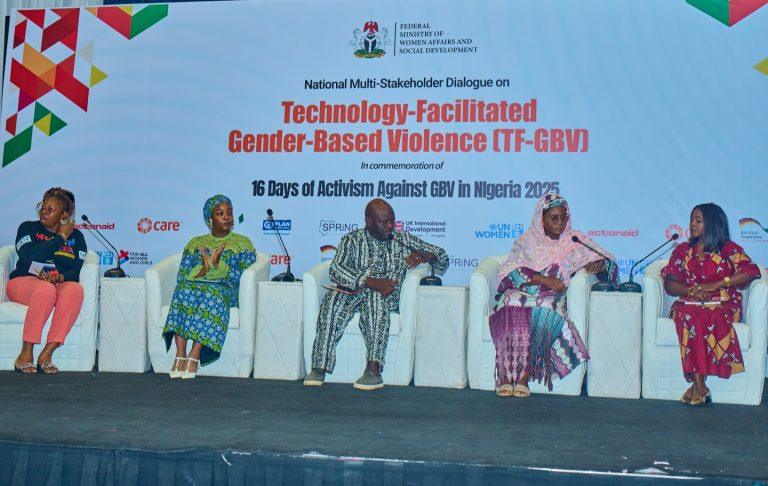
Speaking at a one-day National Multistakeholder Dialogue on Technology-Facilitated Gender-Based Violence (TF-GBV) in Abuja, Rowe warned that online abuse has become one of the fastest-growing threats to gender equality.
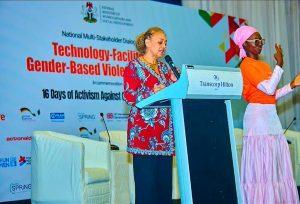
Cynthia Rowe
Cynthia Rowe

She stated that “technology-facilitated gender-based violence is one of the fastest-growing threats to equality and participation in our societies. Addressing it requires not only strong laws but also collective action.”

Citing data from the Humanity Index 2025
She said, “Three in five Nigerians, 59%, have either experienced GBV or know someone who has… and 51% of Nigerians report that they have experienced abuse or violence online.”

While expressing concern about the scale of gender-based violence in the country, she advocated for increased resource allocation and gender-responsive budgeting to address this reality.

Nigeria has spent an average of just 365 Naira per woman on GBV prevention and response last year… In some states, allocations were as low as 34 naira per woman,” she said.

Also calling for updates to existing laws, Rowe urged amendments to criminalise non-consensual image sharing, deepfake sexual content and online sexual extortion.

She emphasised the need for a national online gender safety policy, stronger content moderation standards and swift removal of harmful material by platforms, noting that “laws alone are not enough. We need survivor-centred justice.”

Nigeria already has strong foundations. It has the Cybercrimes Act, the Violence Against Persons Prohibition Act, and the Data Protection Act. But these frameworks do need updating to meet evolving digital threats.”

Rowe stressed that civil society remained vital to progress, saying, “We need civil society to advocate for reform, to monitor implementation and to support survivors.”

Creating safer digital spaces must become a national priority. Together, let us turn digital spaces into platforms of empowerment rather than harm.” Rowe urged.

In an interview, Deputy Team Leader, Tetra Tech SPRiNG Priscilla Ankut, highlighted the value of collective effort in response to TF-GBV, noting that SPRiNG’s collaboration with government and partners “amplifies and reinforces each other’s approaches”.

“…this year’s theme, Unite to End Digital Violence. Now, development partners, government partners, civil society, we have all come together, we have united, and we have amplified our call for ending digital-based violence,” she said

Submissions from a panel moderated by Tetra Tech SPRiNG’s Gender Equality, Disability, and Social Inclusion Lead, Amina Olubukola Akano-Bello, underscored the need for stronger, survivor-centred mechanisms, mapping of GBV service providers, and strengthened multisectoral responses.

Akano-Bello warned that TF-GBV is “weakening protection of women and girls” and could discourage participation in leadership, governance and politics.
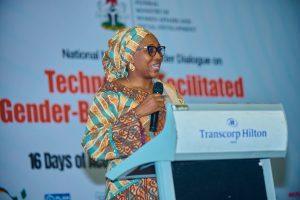
Amina Olubukola Akano-Bello

She said that the menace “can actually undermine the transformative potential of women’s peace and security agenda.”

A participant, Dr Maji Peters, Country Coordinator, Carefronting, stressed the urgency of awareness, noting that many young people seeking online validation become vulnerable.

He cautioned that “the internet never forgets,” and urged Nigerians to “be careful and promote shared humanity.”

Stakeholders at the convergence organised by the Federal Ministry of Women Affairs and Social Development, in collaboration with Development Partners, repeatedly called for urgent reforms to protect women and girls in digital spaces.

The dialogue ended with a unified call for immediate action to curb TF-GBV nationwide.

Lateefah Ibrahim
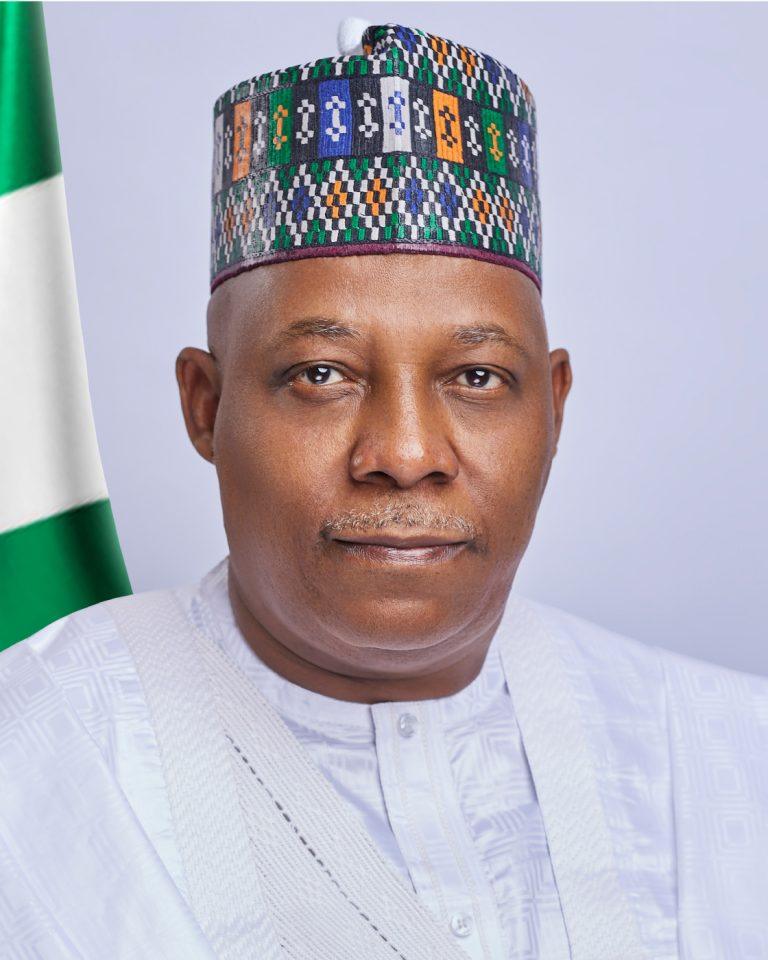
Nigeria’s Education Budget Jumps To ₦3.52trn Under President Tinubu

0

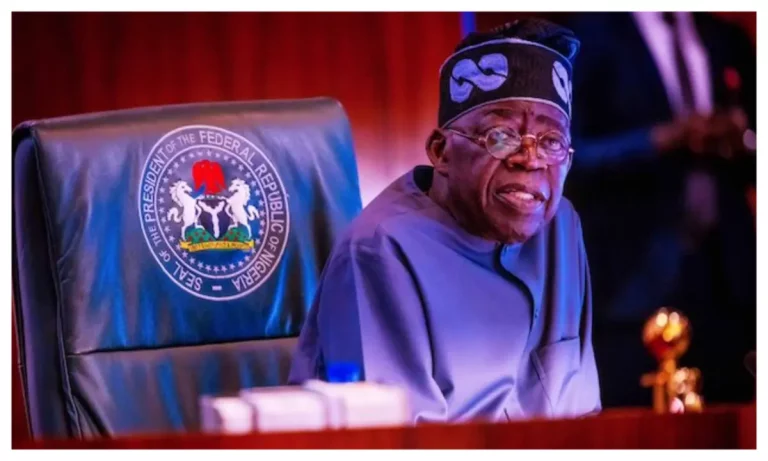
Nigeria’s education budget has jumped to ₦3.52 trillion in 2025 under President Bola Tinubu’s administration, which is a significant increase from ₦1.54 trillion in 2023.

Vice President Kashim Shettima, who stated this on Tuesday in Abuja, said that the number of out-of-school children in the country constitutes a national emergency, calling for collaboration between government and private sector stakeholders to address the problem.

Represented by the Special Adviser to the President on General Duties, Modibo Aliyu, at the opening of the 2025 Nigeria Education Forum in Abuja, VP Shettima noted that education spending under President Bola Tinubu reflects the administration’s unwavering commitment to building an enlightened and globally competitive population.

The forum, organised by the Nigeria Governors’ Forum, the Federal Ministry of Education, and the Committee of States’ Commissioners of Education, focused on the theme “Pathways to Sustainable Education Financing: Developing a Synergy Between Town and Gown in Nigeria.”

VP Shettima further said, “Nothing threatens a civilisation more than an uneducated generation. Nations rise when the people, regardless of circumstance, are equipped with the knowledge to imagine a better future and the skills to build it.”

The Vice-President emphasised that Nigeria has reached a critical inflection point, noting that traditional government-only funding models are no longer sufficient to meet the country’s educational needs.

He called for a fundamental shift toward collaborative, innovative, and resilient financing mechanisms.

In his words: “The burden cannot rest on government alone. We must enlist private sector actors, industry leaders, alumni networks, philanthropists, and communities to co-invest in laboratories, research centres, vocational hubs, innovation clusters, and endowment funds.”

VP Shettima detailed substantial increases across key education funding agencies under the current administration’s Renewed Hope plan, where, for example, the Tertiary Education Trust Fund (TETFUND) budget grew from ₦320.3 billion in 2023 to ₦683.4 billion in 2024, and now stands at ₦1.6 trillion in 2025.

The Universal Basic Education Commission (UBEC) has distributed ₦92.4 billion in matching grants to 25 states and the Federal Capital Territory. Another ₦19 billion has supported teacher development across 32 states and the FCT, while ₦1.5 billion has reached more than 1,147 communities. Individual state UBE grants have increased from approximately ₦1.3 billion to over ₦3.3 billion, allowing states to access more than ₦6.6 billion through counterpart funding arrangements.

“The newly created Nigerian Education Loan Fund (NELFUND), established under the Student Loans Act of 2024, has already disbursed ₦86.3 billion to over 450,000 students in 218 tertiary institutions nationwide,” he said.

He called for deliberate collaboration across federal, state, and local government levels, emphasising the importance of prompt counterpart funding, transparent utilisation of resources, and strict adherence to action plans.

“Since education begins in the community, local governments and traditional institutions must take responsibility for infrastructure development, school maintenance, security, and teacher welfare.

“We are here today because we do not treat education as just a line item in the national budget. We treat it as the foundation of our national identity, the engine of our economic transformation, and the shield of our collective security,” the Vice President said.

Lateefah Ibrahim

Army Chief Decorates Spokesperson

0

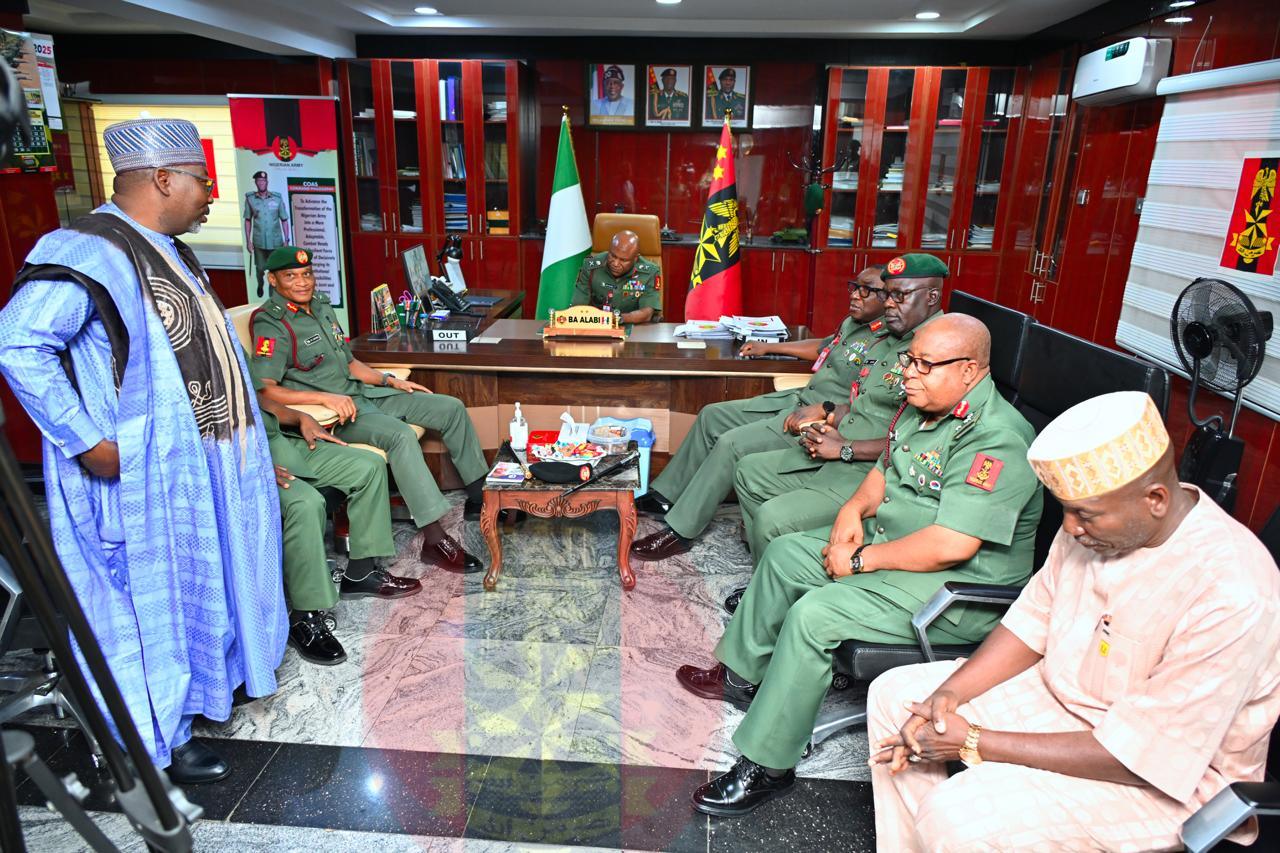
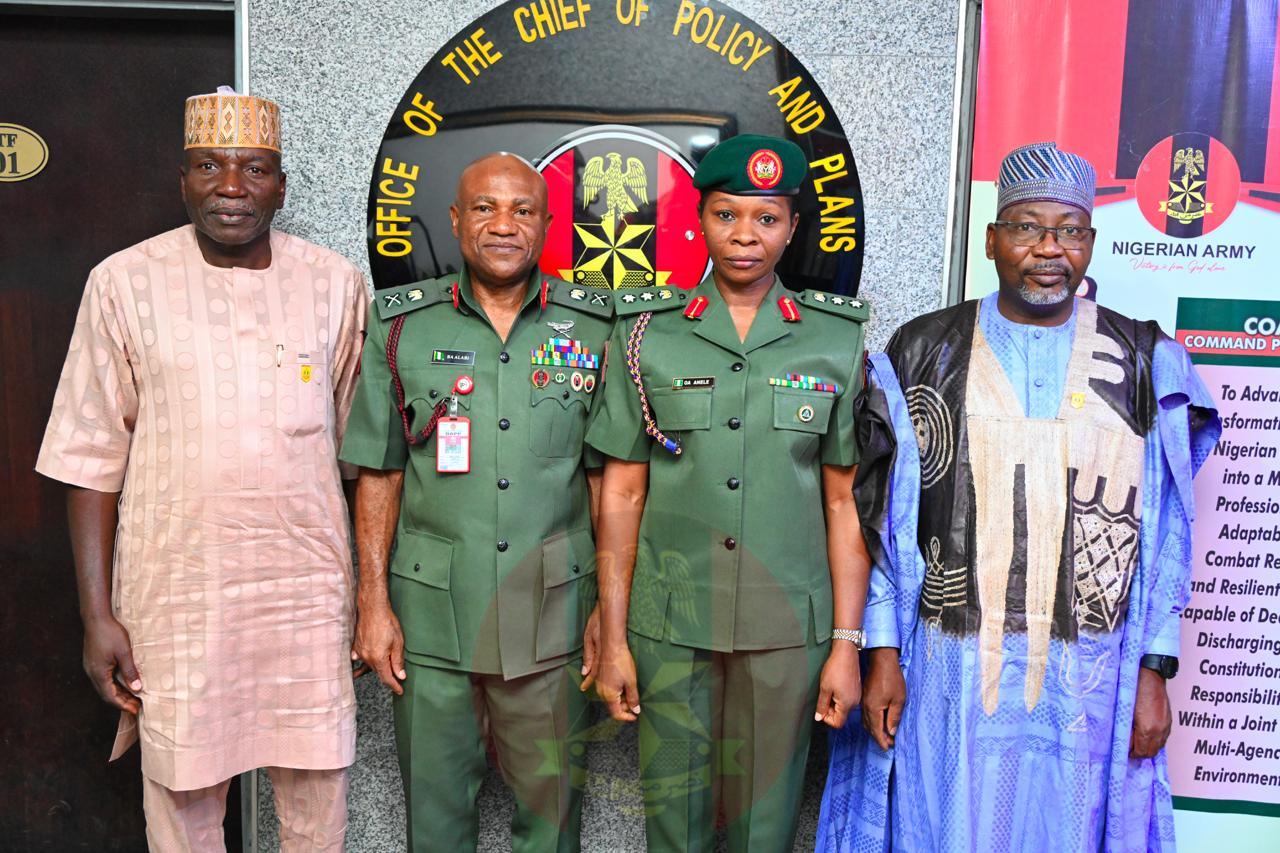
The Chief of Army Staff (COAS), Lieutenant General Waidi Shaibu has decorated the Acting Director, Army Public Relations, Appolonia Anele, with the rank of Colonel at the Army Headquarters, Abuja, reaffirming public trust as a key force multiplier for military operations.

The decoration, held on Tuesday formally recognised Colonel Anele’s dedication, professionalism, and exemplary service, particularly in strategic communication during a period of heightened security operations across the country.

According to a statement signed by the Acting Staff Officer 1 Information/Publicity, Major Akinola Ajibola, “the Army Chief used the brief but symbolic ceremony to emphasise the critical role of public confidence in the success of military operations.”

Represented by the Chief of Policy and Plans (Army), Major General Bamidele Alabi, the Army Chief urged the Directorate of Army Public Relations to sustain credible, responsible and professional engagement with the public.

He stressed that “transparent, accountable and timely communication remains central to sustaining national confidence in the Armed Forces.”

“Public trust is a strategic enabler for military operations. Effective and credible communication strengthens national confidence, supports operational success and reinforces the bond between the Army and the people it serves,” the Army Chief stated.

Lieutenant General Shaibu further tasked the newly decorated Acting Director to continue upholding the highest standards of professionalism, discipline and loyalty, while mentoring officers and soldiers under her command to enhance the overall effectiveness and institutional capacity of the Directorate.

In her vote of thanks, Colonel Appolonia Anele expressed profound gratitude to Almighty God, the Chief of Defence Staff, General Olufemi Oluyede, and the Chief of Army Staff for what she described as visionary leadership, purposeful guidance and mentorship that have shaped her professional growth and career progression.

She reaffirmed her commitment to strengthening strategic communication, projecting the Nigerian Army responsibly and sustaining public confidence in support of ongoing and future military operations.

The ceremony was attended by Senior officers, serving and retired, including former Director, Army Public Relations, Brigadier General Sani Usman Kukasheka (Rtd) mni; Colonel Mustapha Anka (Rtd) mni, as well as family members, friends and well-wishers.


Lateefah Ibrahim

President Tinubu Pledges to Tackle Nigeria’s Security Issues

0

Vice President Kashim Shettima says President Bola Tinubu remains steadfast in addressing Nigeria’s security challenges, acting quickly and decisively to confront all security concerns.

The Vice President made the remarks on Tuesday when he received the faculty and participants of the Executive Intelligence Management Course (EIMC 18) of the National Institute for Security Studies (NISS) at the Presidential Villa, Abuja.

The Vice President, who received the report on behalf of the Nigerian leader, said that “the Tinubu administration is determined to support the security establishment in Nigeria and beyond, to discharge their responsibilities to the nation.”

Led by the NISS Commandant, Mr Joseph Odama, representatives of the 78 participants were at the Presidential Villa to present the executive brief of their end-of-course report to the President.

Speaking on the significance of the programme, which had participants drawn from Ministries, Departments and Agencies within Nigeria and beyond, the Vice President said he was impressed with the composition of the EIMC 18.

He noted that “the security of Africa is a collective responsibility of all stakeholders given the peculiarity of the situation.”

VP Shettima said, “President Tinubu is working round the clock to address concerns in the security sector. It is absolutely essential that we fuse as one to address these issues and all hands must be on deck to salvage the situation.”

The highpoint of the occasion was the presentation of the report titled, “Non-state Actors in Security Management in Africa: Issues, Challenges and Prospects for Peace and Development.”

Recommendations

Among recommendations made by the participants was the formal harmonisation and integration of a country-base security initiative as part of a broad strategy to strengthen the existing legal framework for peace and conflict resolution across Nigeria and Africa.

Earlier, the Commandant of the NISS, Joseph Odama told the Vice President that the 18th edition of the flagship programme, EMIC 18 commenced on February 19, 2025

He pointed out that it had “been a 10-month journey of intense intellectual discovery, strategic broadening and unparalleled professional fellowship.”

Noting that this year’s team was composed of 78 distinguished participants of the rank of Deputy Directors and above, Odama said they “were meticulously drawn from the military, para-military, law enforcement agencies and strategic ministries, departments and agencies of both Nigerian  and state governments.”

In significant testament to our pan-African mandate, we were privileged to host five African countries, which had earlier been mentioned. With the graduation of the AIMC 18, the institute has proudly graduated 1,130 strategic leaders.

“These are men and women who have been rigorously equipped to think critically and act decisively, as well as proffer innovative solutions to the most complex security and developmental challenges facing our nation and the continent at large,” he said.

The Commandant expressed the institute’s deepest appreciation to President Tinubu and the Vice President for their visionary and pragmatic leadership, saying the Renewed Hope Agenda under the President’s stewardship was already manifesting in tangible progress across the nation.


Lateefah Ibrahim

Agency Announces Major PHC Expansion Progress in Nigeria

0

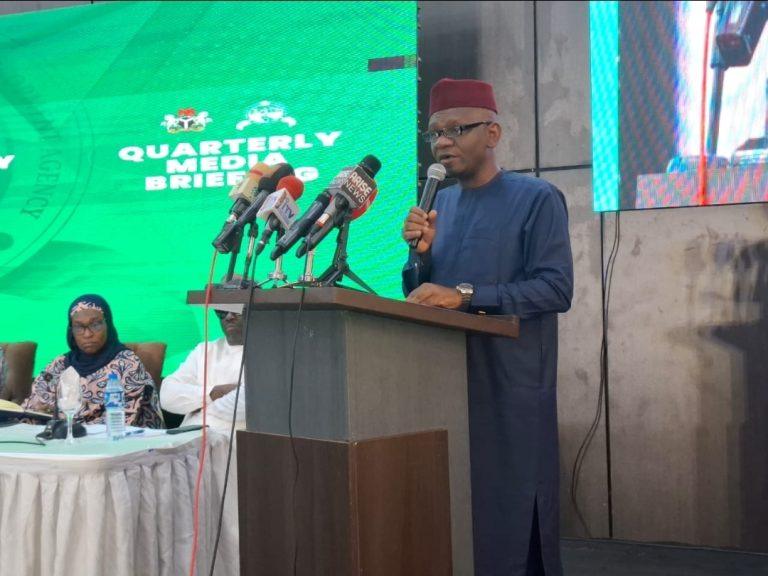
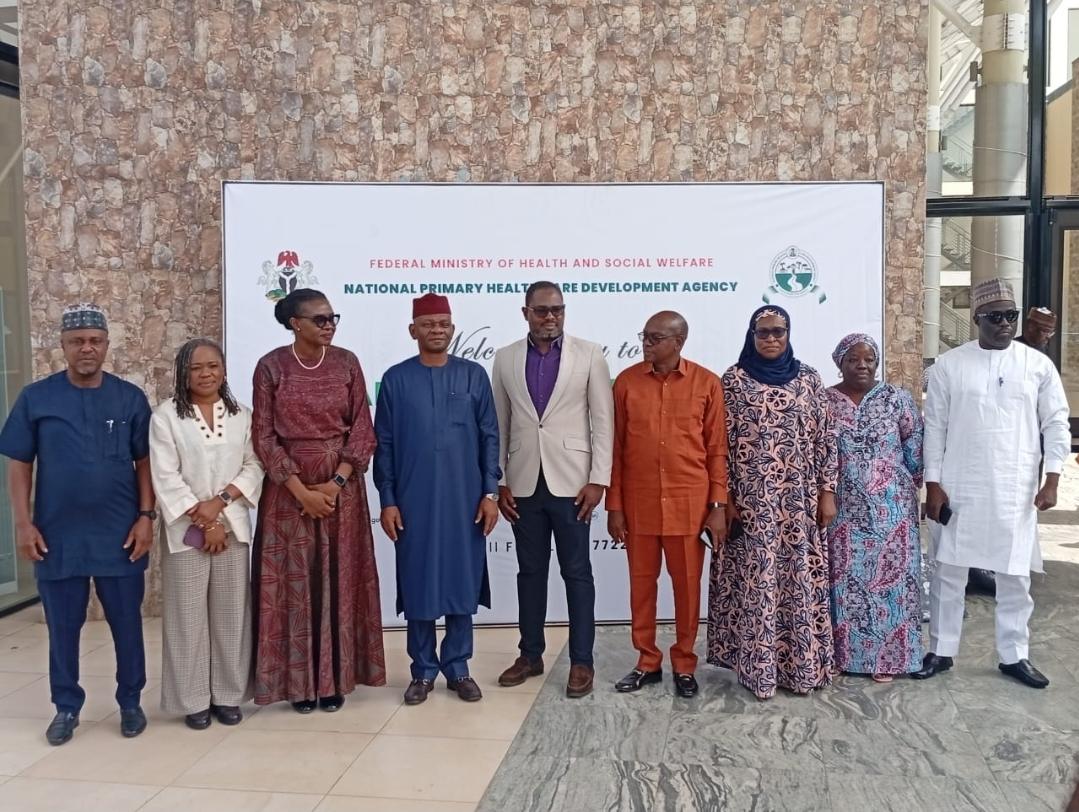
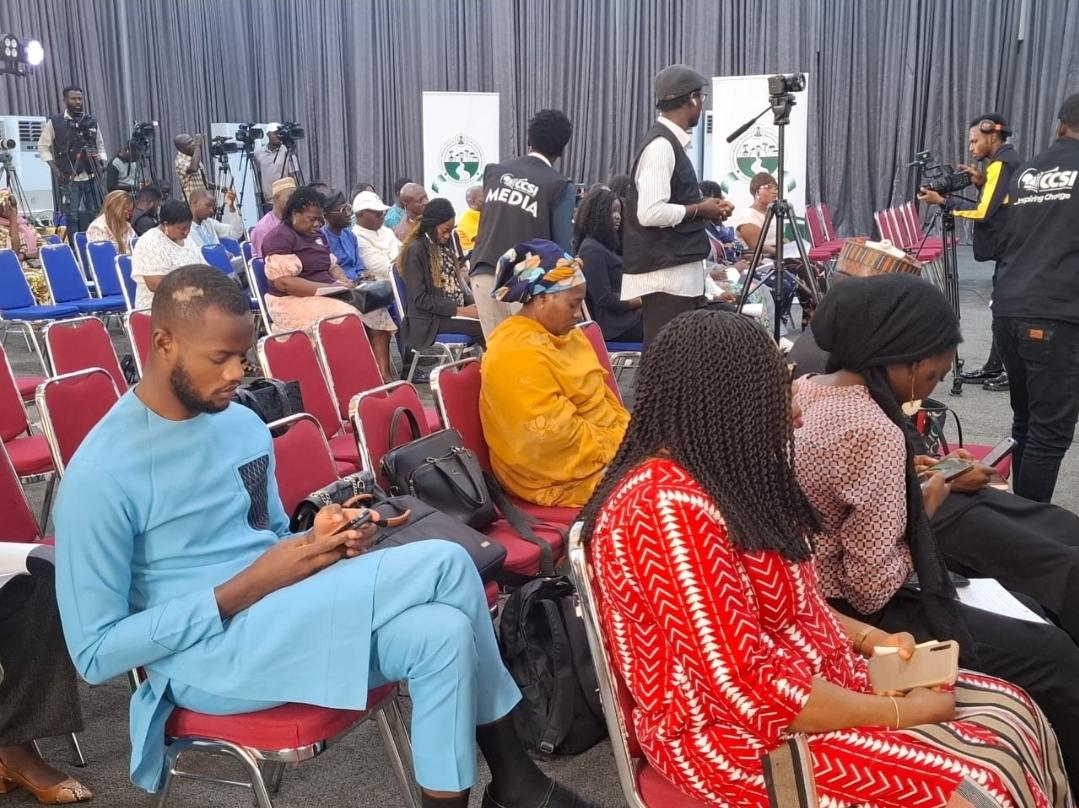
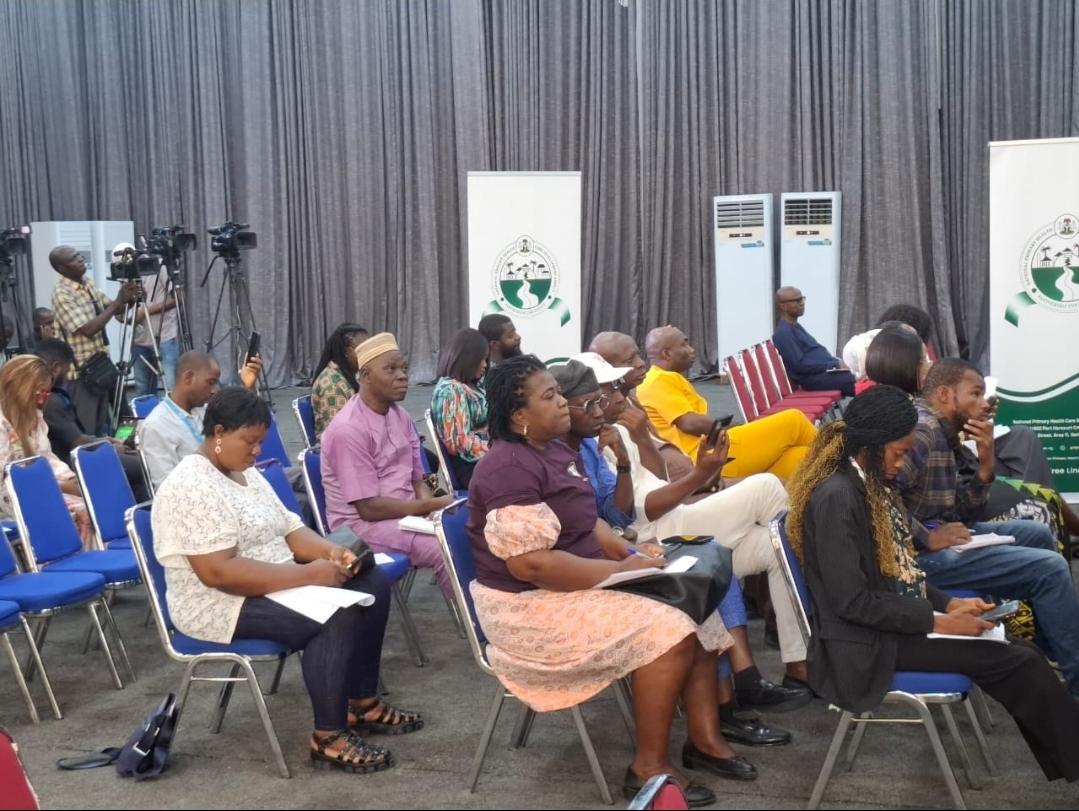
The Executive Director of the National Primary Health Care Development Agency (NPHCDA), Dr. Muyi Aina said Nigeria is witnessing unprecedented progress in the revitalisation of Primary Health Centres (PHCs), backed by stronger reforms, renewed political will and increased federal investment.

Speaking during the agency’s Quarterly Media Briefing in Abuja, Dr Aina said that 2,125 PHCs have now been fully revitalised nationwide, while another 1,671 is in various stages of completion.

He said these efforts are aligned with President Bola Tinubu’s
directive to ensure at least one functional, fully equipped PHC in every political ward, totaling 17,600 facilities.

Dr. Aina noted that “500 PHCs have already been directly upgraded by the Nigerian government with solar power, staff quarters, clean water systems, and essential medical commodities.”

He said that community engagement structures, including Ward Development Committees, have been reactivated in many locations to guarantee ownership, maintenance, and improved service uptake.

Read Also: Nigeria Needs $1 Billion to Sustain Immunisation – NPHCDA

Dr. Aina announced sweeping reforms under the Basic Health Care Provision Fund (BHCPF), which now prioritises transparency, direct facility financing, and performance-based incentives.

He said; “Under the revised structure, low-volume PHCs will receive ₦600,000 quarterly, while high-volume facilities will get ₦800,000 to support operations in line with current economic realities.”

He confirmed that 31 states have already been cleared for Q3 disbursements, following strict verification and accountability checks introduced by the Ministerial Oversight Committee.

The Executive Director also highlighted the recruitment of 1,909 community health extension workers and 1,155 skilled birth attendants to strengthen frontline staffing.

Dr Aina further said that “new digital tools, including the PHC management app, data dashboards, biometric attendance systems, and expanded geo-mapping, are helping to track funding, improve commodity distribution, reduce wastage, and provide real-time visibility into PHC performance.”

He emphasised that these changes are ensuring that every naira allocated reaches the service delivery point.

On immunisation and disease control, Dr. Aina reported major gains from intensified routine vaccination, special outreach programmes, and integrated campaigns conducted in partnership with state governments and global health partners.

He said the “Identify, Enumerate and Vaccinate” strategy has documented 7.4 million children, vaccinated 3.4 million, and reached 163,000 zero-dose children who had previously never received any vaccine.

Dr Aina explained that “The recent nationwide integrated campaign achieved broad coverage, reaching 59 million children with the measles-rubella vaccine, 39 million with oral polio vaccine, and administering the HPV vaccine to 678,000 adolescent girls.

“Millions of Nigerians also benefitted from malaria testing and treatment, vitamin A supplementation, deworming, and neglected tropical disease interventions”.

He confirmed that President Tinubu approved ₦68 billion for vaccine co-financing, enabling the country to avert a critical vaccine stock-out and strengthen supply chain stability.


Osun State Governor Joins Accord Party

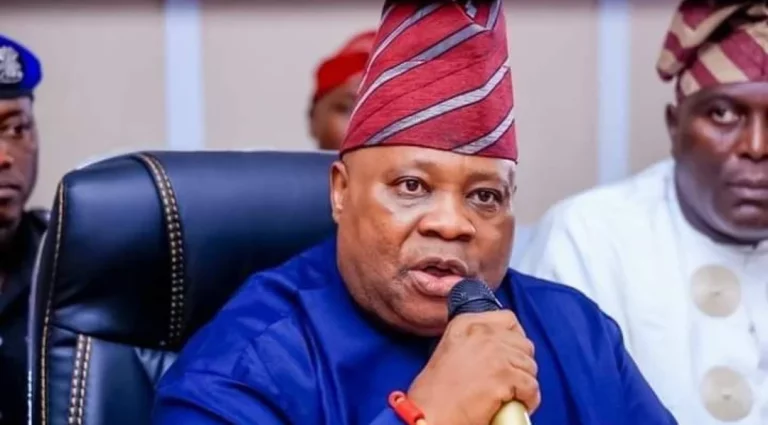
The Osun State Governor, Ademola Adeleke has officially joined the Accord Party, days after leaving the Peoples Democratic Party.

The Governor made the announcement on Tuesday at the Banquet Hall of the Government House in the presence of national and state leaders of the Accord Party.

Governor Adeleke also said his intention to seek for a second term on the platform of the “Thumb-Up” party, stating that he joined the party more than a month ago.

He said, “I joined the Accord Party more than a month ago, precisely on November 6, as a platform to seek re-election in 2026. This was after weeks of consultation and deliberations with stakeholders and opinion leaders.

“Stakeholders and residents of Osun State are aware of why we are taking this important decision. We intend to pursue a second term in office on the platform of the Accord Party to complete the ongoing delivery of good governance and democratic dividends, which have been applauded at home and abroad.”

Adeleke stated that he opted for the party because its mission of welfarism aligns with his administration’s focus on citizens’ and workers’ welfare.

“I welcome our party leaders into the Osun State Government House. You are now part of us, as I am also now part of you. We are united in progress and good intentions for the good people of Osun State and Nigeria at large,” he added.


NP/ Dominica Nwabufo

Senate Summons Minister Over Soaring Domestic Airfare Prices

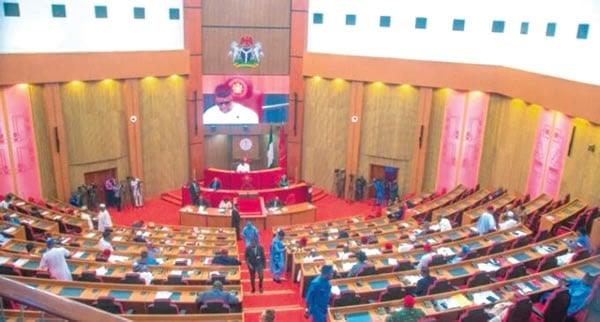
The Nigerian Senate has summoned the Minister of Aviation, Festus Keyamo, along with key stakeholders in the sector, for an urgent meeting following widespread public complaints about the sudden and steep rise in domestic airfares.

The resolution followed a motion raised by Senator Buhari Abdulfatai, who warned that the soaring ticket prices pose a serious threat to mobility and could trigger nationwide travel disruptions in the coming days.

Leading the debate, Senator Buhari noted that Nigerians have continued to lament the escalating cost of domestic flights in recent months.

He disclosed that a one-way ticket from Abuja to Lagos now costs between N400,000 and N600,000, an amount many citizens can no longer afford.

The lawmaker from Oyo State stressed that “the situation is even more troubling given the rising insecurity and difficulty associated with major highways.”

We need to invite stakeholders of our airline agencies to interact and interrogate the issues. Immediate steps must be taken before the festive period,” he said.

Several other Senators supported the motion and expressed similar concerns.

Senator Adamu Aliero described the fare increase as unacceptable, while Senator Onyekachi Nwebonyi condemned what he termed an unprecedented 400 per cent increment.

Nwebonyi also questioned the delayed establishment of a national carrier, insisting that Nigeria is long overdue for one. He urged the Minister to address the issue without further delay.

Senator Solomon Olamilekan noted that airline operators have already received several concessions, particularly on the cost of spare parts, and should therefore be held accountable for the sudden price hikes.

However, Senator Orji Kalu attempted to justify the increases by citing rising operational costs and the soaring prices of spare parts, an argument that drew loud disapproval from several lawmakers.

The Senate resolved that Keyamo, airline operators, regulators and other industry stakeholders must appear before its relevant committees this week to explain the reasons behind the surging fares and to map out immediate measures to stabilise prices ahead of the holiday season.

Northern Governors Forum Appoints Ezekiel Gomos as Director General 

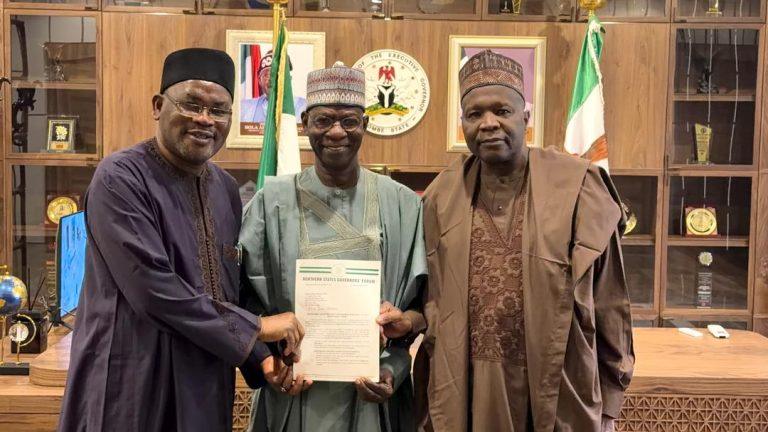
The Northern States Governors’ Forum, NSGF, under the leadership of its Chairman and Governor of Gombe State, Muhammadu Inuwa Yahaya has approved the appointment of Mr. Ezekiel Gomos, as Director-General of the Forum’s Secretariat.

According to the Forum, creating the office of Director-General is a strategic step towards repositioning the Secretariat as a more effective hub for policy coordination, collective action and long-term development planning.

It said;  “the appointment is in line with the Forum’s renewed commitment to strengthening its institutional capacity and improving coordination among the 19 northern states in addressing the region’s pressing challenges.”

Mr. Gomos, a former Secretary to the Plateau State Government, is an accomplished development economist and policy expert with a distinguished career spanning public service, governance reform, private-sector development and human capital advancement.

His experience includes; senior roles in high-impact institutions such as the New Nigeria Development Company, NNDC and the West African Examinations Council, WAEC.

In addition, Mr. Gomos has been Lead Consultant and Head of Faculty at the Jos Business School, JBS, a centre dedicated to entrepreneurship development, leadership training, and policy dialogue.

For nearly two decades, Mr. Gomos has served as a resource person at the National Institute for Policy and Strategic Studies, Kuru, contributing to the training of senior leaders across Nigeria in policy, strategy and national development.

The new DG’s academic credentials include graduate and postgraduate degrees from Ahmadu Bello University, Zaria, and the University of East Anglia, UK.

He is also a recipient of several prestigious international fellowships, including the Hubert Humphrey Fellowship, University of Minnesota, the British Chevening Scholarship and the UNDP Fellowship at the ILO Training Centre in Turin.

Mr. Gomos has attended senior executive programmes at Harvard Kennedy School, the University of Chicago Booth School of Business, and Durham University Business School.

Presenting the appointment letter, Governor Yahaya charged Mr. Gomos to apply his extensive expertise in strategic leadership, institutional development and policy management to strengthen the NSGF Secretariat into a robust platform for collective security coordination, regional economic cooperation and sustainable development across the North.

The NSGF Chairman expressed confidence that the appointment will usher in a new era of deeper collaboration, improved coordination and more coherent regional responses to the North’s most critical challenges.

Historic Boost for Nigeria’s Upstream Sector as NEPL Hits 355,000 bpd

0

NNPC E&P Limited (NEPL), the flagship upstream subsidiary of NNPC Limited, has achieved a historic production level of 355,000 barrels of Oil per day, its highest daily output since 1989.

The milestone, achieved on December 1, 2025, represents a significant boost for Nigeria’s upstream sector and underscores NEPL’s ongoing transformation driven by discipline, efficiency, and strategic operational reforms.

According to performance data released by the company, “NEPL’s average daily production rose by 52 percent, climbing from 203,000 barrels per day in 2023 to 312,000 barrels per day in 2025.”

The company said; “the growth resulted from strengthened systems, improved asset management and a deliberate focus on structured field development.”

NEPL’s progress has also revived optimism around Nigeria’s national production targets. Ambitions of reaching 2 million barrels per day by 2027 and 3 million barrels per day by 2030, previously viewed as overly optimistic, are now seen as more attainable.

Group CEO of NNPC Limited, Bashir Bayo Ojulari, described the milestone as proof that Nigeria’s energy revival is not a dream; it is already happening.”

By exceeding its own production benchmarks, NEPL confirms that the essential building blocks for scaling national output are being firmly established.

“This achievement shows that the machinery of production, including equipment, processes, capabilities and partnerships, can be driven with commercial discipline to deliver real outcomes,” Ojulari said.

He added that the breakthrough has strengthened confidence within and outside the country, reassuring global partners and investors of Nigeria’s commitment to remaining a reliable energy supplier.

Executive Vice President, Upstream, Udy Ntia said the milestone is not only about hitting 355,000 barrels per day but doing so responsibly.

Ntia said; “In an industry where shortcuts can offer quick wins but long-term damage, NEPL is delivering a different message.

“Sustainable progress must rest on responsible operations that protect workers, communities and the environment. This achievement underscores a shift from extraction at any cost to sustainable value creation.”

Managing Director of NEPL, Nicolas Foucart, noted that the company’s performance reflects the wider transformation taking place across NNPC Limited.

This is a story shaped by clear leadership, strong partnerships and a committed workforce turning strategy into measurable progress.

Our people, processes and principles are the true engines of this success. We are building for tomorrow, not just celebrating today,” Foucart said.

He added that the record output brings real benefits to Nigerians, including increased national revenue, improved energy security and a stronger economic foundation.

NNPC E&P Limited is a wholly owned subsidiary of NNPC Limited responsible for the exploration and production of Nigeria’s oil and gas resources.

Senate Approves Presidential Request to Deploy Troops To Republic of Benin

The Nigerian Senate has approved a request from President Bola Tinubu to deploy Nigerian troops to the Republic of Benin as part of a regional peace-stabilisation mission aimed at ‘safeguarding democratic governance in West Africa.’

The approval followed the reading of a formal presidential correspondence in which the President sought the Senate’s consent to authorise military deployment to the neighboring country to forestall an unconstitutional seizure of power and prevent the destabilisation of democratic institutions.

Following the presentation of the letter, the Senate resolved into a ‘Committee of the Whole’ to deliberate on the President’s request.

The motion to enter committee session was moved and seconded after the Senate President called for a voice vote, with the majority of senators responding in the affirmative.

During the closed-door session, senators examined the implications of the proposed deployment, including the potential for mass refugee movement into Nigeria and the security impact on border communities.

READ ALSO: NGF Lauds President Tinubu’s Swift Intervention In Benin Coup

After deliberations, the Senate voted overwhelmingly in favor of granting approval for the deployment of the Nigerian Armed Forces to the Republic of Benin.

Upon reverting to plenary, the Senate President asked members to confirm that the report accurately reflected the discussions of the Committee of the Whole.

The chamber responded affirmatively.

A final voice vote was taken on the confirmation of the President’s action, with the majority again voting “aye,” thereby formalising the Senate’s consent.

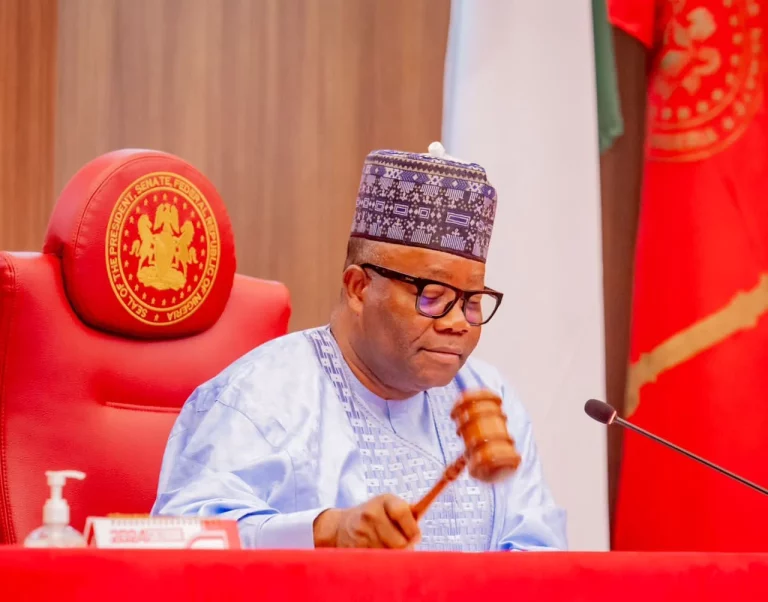
In his remarks, the Senate President Senator Godswill Akpabio commended President Tinubu for seeking constitutional approval and for taking steps to prevent a potential democratic breakdown in the region.

He stressed that “the stabilisation mission was critical not only for Benin Republic also for Nigeria’s national security.”

Senator Akpabio said; “the Senate’s letter of consent would be transmitted to the President immediately.”