Home Blog Page 500

Stakeholders Forge Unified Direction on Capital Gains Tax Reform

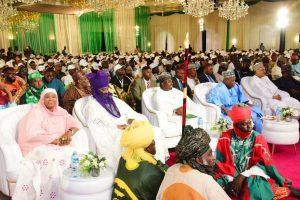
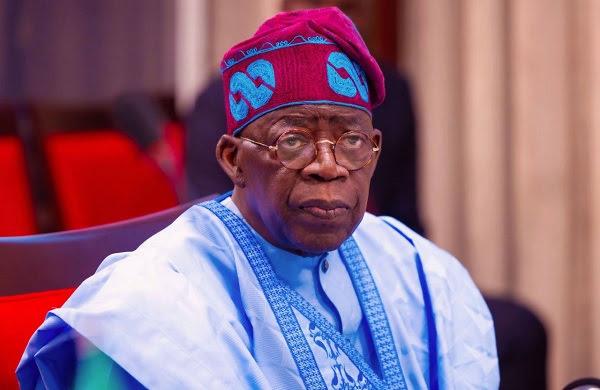
The newly enacted Capital-Gains-Tax (CGT) provisions have gained remarkable momentum marking a deliberate shift towards a more predictable and market-aligned rollout with the inauguration of the National Tax Policy Implementation Committee by the Nigerian Government.

The move follows extensive technical engagements with key capital-market institutions, including the Securities and Exchange Commission (SEC) and Nigerian Exchange Group (NGX Group), reflecting policymakers’ recognition of the market’s role in sustaining liquidity, price discovery and long-term capital formation.

Chaired by leading tax and fiscal-policy expert Joseph Tegbe, the committee has been tasked with steering the implementation process toward clarity, investor protection, and policy coherence.

Mandate

Its mandate includes ensuring transparent guidelines, broad stakeholder consultation, and an execution framework that minimizes market disruption while reinforcing confidence among domestic and foreign investors.

Tegbe said the government would avoid policies that risk disrupting market activity or business investment.

“Implementation of the new tax laws will be fair, transparent, and humane. We will not roll out these policies in a way that cripples businesses or investors. Stakeholder engagement will be central to this process,” he said at the inauguration.

The shift follows sustained engagements by NGX Group and the SEC, during which market operators outlined the potential implications of a rapid CGT rollout on liquidity, investor sentiment and the market’s competitiveness at a time when Nigeria is seeking deeper pools of domestic and foreign capital.

The Chief Executive Officer of NGX Group, Temi Popoola commended the government’s approach, noting that the group, in collaboration with the SEC, has consistently advocated for a data driven approach that balances fiscal objectives with the need to preserve market depth.

He said; “We support the modernisation of Nigeria’s tax system, but reforms of this scale must be carefully calibrated to protect liquidity, sustain participation, and maintain competitiveness.

“Our engagements with government have focused on ensuring that implementation supports the capital market’s role in long-term investment and economic growth.”

Popoola added that global competitiveness hinges not only on policy intent but also on the precision of execution, particularly for emerging markets seeking cross-border flows.

The government’s consultations intensified after the Minister of Finance and Coordinating Minister of the Economy, Wale Edun, visited NGX Group, where market operators outlined the potential unintended consequences of an abrupt CGT rollout.

Analysts view the inauguration of the NTPIC as a constructive signal to investors, indicating that authorities intend to anchor fiscal reforms in evidence and consultation rather than speed alone.

Both SEC and NGX Group have pledged continued collaboration with the committee to ensure that the eventual CGT implementation supports confidence, broadens participation, and aligns with long-term capital-market development objectives.


Olusola Akintonde
FCT Minister of State Urges Embrace of Civic Responsibility

0

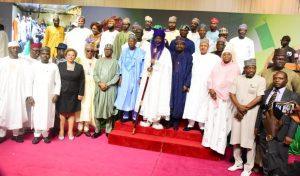
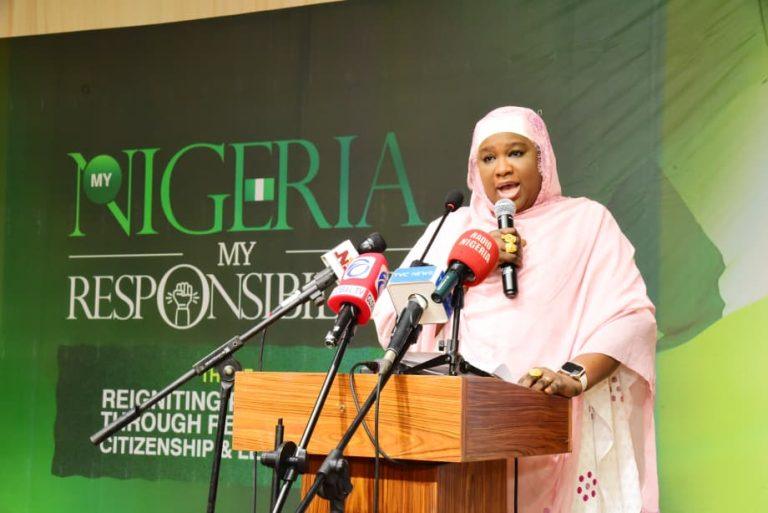
The FCT Minister of State, Dr Mariya Mahmoud, has expressed confidence that the recently launched “My Nigeria, My Responsibility” campaign would drive widespread citizen-led action across schools, workplaces, and local institutions.

Mahmoud made this known at the official launch of the campaign, organised by the Office of the Senior Special Assistant to the President on Citizenship and Leadership, held at the Banquet Hall in the Presidential Villa.

She called on all Nigerians to view the initiative as an opportunity to strengthen ethical leadership, volunteerism, youth mentorship, and the protection of national assets.

Mahmoud noted that the campaign was both timely and visionary, coming at a moment when Nigeria is experiencing significant transformation under the leadership of President Bola Ahmed Tinubu.

The minister emphasised that nation-building transcends government alone, demanding collective responsibility from every individual, community, and organisation.

She highlighted the Federal Capital Territory’s role as the administrative and symbolic centre of Nigeria, underscoring ongoing efforts to promote responsible citizenship, civic culture, and community participation within the FCT.

In her words: “Through inclusive policies focusing on security, environmental stewardship, and engagement, the FCT aims to empower residents to contribute positively to their communities and the nation at large.

“The campaign’s message resonates deeply with the administration’s commitment to discipline, upholding the rule of law, and fostering social harmony.

“The FCT Administration pledges continued support for programmes that build character and promote civic responsibility, particularly among young people who represent Nigeria’s future.”

Mahmoud hailed the initiative as a crucial platform that calls on all Nigerians, including citizens, institutions, and leaders alike, to embrace their civic duties and take ownership in nation-building.

Abia State Launches 7.5MVA Power Substation in Umuahia

The Abia State has taken a significant step towards improving electricity
supply.

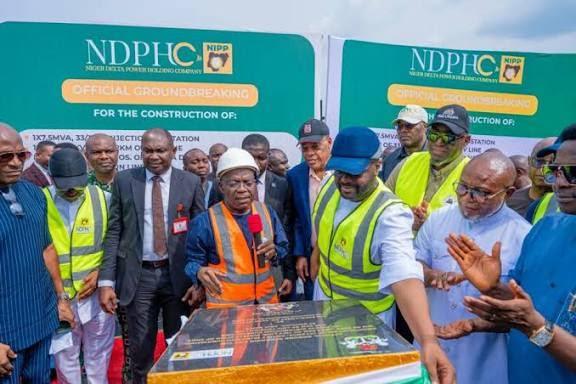
This comes as the State government, in collaboration with the Niger Delta Power Holding Company (NDPHC), flagged off the construction of a 7.5MVA, 33/11kV Injection Substation in Umuahia, the Abia State capital.

Performing the groundbreaking ceremony, the State Governor, Alex Otti described the project as a transformative investment that will greatly enhance power availability and distribution reliability across the State.

Governor Otti noted that “the initiative marks the start of a broader plan to modernize Abia’s power infrastructure and strengthen service delivery to residents and businesses.”

The substation project is being executed under the National Integrated Power Project (NIPP) and its components include the construction of a 1km 33kV line, 1.2km of 11kV line, installation of two 300kVA distribution transformers, and the development of 2km of low-tension network to improve last-mile electricity distribution.

He further disclosed that the Abia State Government has made provisions in the 2026 fiscal budget for the construction of another 7.5MVA Injection Substation within the same axis. Upon completion, the
two facilities will bring the total distribution capacity in the Ogurube Layout of Umuahia to 15MVA.

The Governor commended the Nigerian Government and NDPHC for selecting Abia for the intervention.

He also applauded ongoing power sector
reforms by President Bola Ahmed Tinubu. He stated that the new policies have broadened the national electricity landscape to allow greater State involvement, increased private sector investment, and stronger international collaboration.

The Niger Delta Power Holding Company, Managing Director/CEO, Jennifer Adighije was represented at the event by Executive Director, Networks, Bello Babayo Bello.

Adighije reiterated the company’s commitment to delivering reliable and sustainable electricity infrastructure across Nigeria.

She said the Umuahia substation aligns with NDPHC’s mandate of empowering communities and fostering economic growth.

Stakeholders at the ceremony however emphasized that the partnership between the Nigerian Government, NDPHC, and the Abia State Government underscores the importance of collaborative efforts in delivering critical infrastructure.

The project when completed is expected to improve power supply, stimulate small and medium-scale enterprises, support industrialisation, and enhance the overall quality of life for residents of Umuahia and neighboring communities.


Olusola Akintonde


Dangote Cement Promotes Road Safety Campaign In Ogun

0

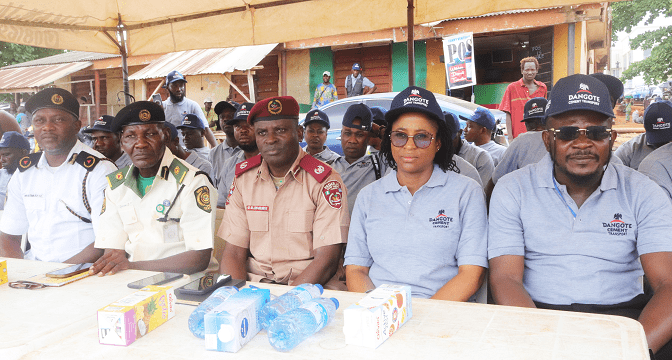
As the pace of end-of-year travel intensifies, Dangote Cement Ibese Plant has stepped up its road-safety campaign with a comprehensive sensitisation programme targeting commercial drivers and motorcycle operators in Ogun State.

The initiative underscored the dangers of speeding and highlighted the critical need for riders to understand truck blind spots, a major cause of fatal road crashes.

The event drew hundreds of drivers and riders from Ilaro and surrounding communities, many of whom described the session as timely, given the spike in vehicular movement associated with the Ember months.

Beyond safety education, the company also distributed protective gear, including helmets, reflective jackets, and safety goggles, to enhance rider visibility and reduce vulnerability during night travel.

Addressing participants, Unit Commander of the Federal Road Safety Corps (FRSC), Assistant Corps Commander Sulaiman Oluwadumiye, cautioned that excessive speed remains a leading culprit in road fatalities.

He explained that high speed reduces a rider’s ability to detect hazards and brake effectively, adding that the risk becomes even more severe when articulated trucks are involved, as their limited visual range can conceal smaller vehicles in deadly blind spots.

“Speed is sweet: the engine sounds powerful, the road looks open, and you feel in control. But the same speed that feels good for one minute can destroy a family in another second. The road has no respect for confidence or experience. There is no medal for the fastest driver, only sorrow for the careless one.”

One of the key sessions focused on identifying and avoiding a truck’s four major blind zones: directly in front, behind, and along both sides. Facilitators used live demonstrations with motorcycles and a stationed truck, leaving many riders shocked at how easily they could vanish from a truck driver’s line of sight.

“Most crashes involving motorcycles and trucks happen because riders unknowingly enter these danger zones, recalling a recent fatal incident in which a rider overtook a truck from the wrong side and disappeared into a blind spot,” Oluwadumiye said.

Head of Transport and Safety at the Ibese Plant, Peter Abuad, led practical demonstrations to reinforce the message. “If you are in any of these blind spots, the truck driver does not know you’re there. Avoid them at all times. Dangote Cement Ibese is committed to ensuring safety and improving lives.”

Health, Safety and Environment representative for Dangote Cement Transport (Nigeria & Pan Africa), Mrs Ebere Okonkwo, described the campaign as part of the company’s broader mission to promote responsible road use and foster safer interactions between heavy-duty trucks and other road users.

“Safety is a shared responsibility. This programme teaches drivers and riders how to identify blind spots and equips them with safety kits. Overspeeding, impatience, and miscalculations remain leading causes of preventable road accidents. We urge riders to prioritise safe habits, especially as we approach the New Year when traffic volumes peak,” she added.

Officials from the Ogun State Traffic Compliance and Enforcement Agency (TRACE) and the Vehicle Inspection Office (VIO) commended Dangote Cement for sustaining its public-safety initiatives.

The event culminated in a road show through key areas of Ilaro, reinforcing the campaign’s core message: in the Ember months and beyond, patience and responsibility, not speed, are the true safeguards of life.

Nigerian President Orders Stronger Security Measures Against School Abductions

0

President Bola Ahmed Tinubu has directed Nigeria’s Security Agencies, in collaboration with State Governors, to adopt more decisive measures to prevent future Abductions from schools across the country.

The President gave the directive in a statement issued on Monday by his spokesperson, Mr Bayo Onanuga, welcoming the return of 100 Catholic students abducted from Papiri Catholic School, Niger State.

President Tinubu also directed Nigeria’s security agencies to intensify and expedite efforts toward the immediate rescue of the remaining 115 students and teachers of Papiri Catholic School in Niger State, as well as other citizens still being held hostage.

He commended the Security Agencies for their tireless efforts in securing the freedom of the 100 students of Papiri Catholic School.

President Tinubu assured the parents that both the Nigerian and Niger State governments are working closely to reunite all the abducted students with their families.

He said; “I have been briefed on the safe return of 100 students from the Catholic School in Niger State. I rejoice with Governor Umar Bago and commend our security agencies for their steadfast work in ensuring the safe return of the students to their families since the unfortunate incident on November 21.

“My directive to our security forces remains that all the students and other abducted Nigerians across the country must be rescued and brought back home safely. We must account for all the victims.

President Tinubu affirmed that the Nigerian government will continue to work with Niger State and other states to secure schools and make the learning environment safer and more conducive for the young ones.

From now on, our security agencies, working with the governors, must prevent future kidnappings. Our children should no longer be sitting ducks for heartless terrorists intent on disrupting their education and subjecting them and their parents to unspeakable trauma,” President Tinubu said.

Morocco Expands Deep-Water Port Network

0

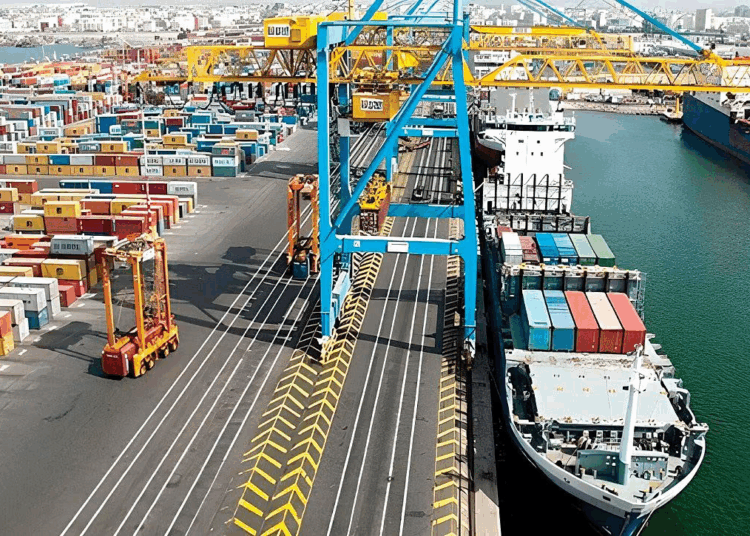
Morocco will open a new deep-water port on the Mediterranean next year and another on the Atlantic in 2028, the Minister of Equipment and Water, Nizar Baraka, has said, as the North African country seeks to replicate the success of Africa’s largest port, Tanger-Med.

Nador West Med, currently under construction on the Mediterranean, is scheduled to become operational in the second half of 2026, Baraka said in an interview. It will offer 800 hectares for industrial activity, with plans to expand to 5,000 hectares, surpassing the size of the industrial zones surrounding Tanger-Med.

The port will also host Morocco’s first liquefied natural gas (LNG) terminal — a floating storage and regasification unit (FSRU) — connected by pipeline to industrial hubs in the northwest. The project forms part of Morocco’s broader drive to increase investment in natural gas and renewable energy in order to reduce reliance on coal.

Further south on the Atlantic coast, Morocco is building a $1 billion port in Dakhla, located in the disputed Western Sahara region. The facility will be surrounded by around 1,600 hectares for industrial activities and 5,200 hectares earmarked for farmland irrigated with desalinated water, according to Baraka.

“The port will be ready in 2028 and will be Morocco’s deepest at 23 metres,” he said. Such depth, he added, will support heavy industries focused on processing raw materials imported from Sahel countries. Officials have long promoted Dakhla as a gateway for landlocked Sahel nations to access global trade routes.

Both the Nador and Dakhla ports will include quays dedicated to the export of green hydrogen once production begins. When completed, they will become Morocco’s third and fourth deep-water ports after Tanger-Med and Jorf Lasfar, the latter being an Atlantic-side port specialising in energy, bulk cargo and phosphate exports.

By 2024, industrial zones surrounding Tanger-Med had attracted 1,400 companies employing 130,000 people across sectors including automotive manufacturing, aeronautics, textiles, agri-food production and renewable energy, according to official data.

Morocco is also considering the construction of a port in Tan-Tan on the Atlantic coast in partnership with green hydrogen investors. “We are conducting studies to determine the appropriate size of the port,” Baraka said.

Turkey to Guarantee Flow of Russian Gas to Hungary

0

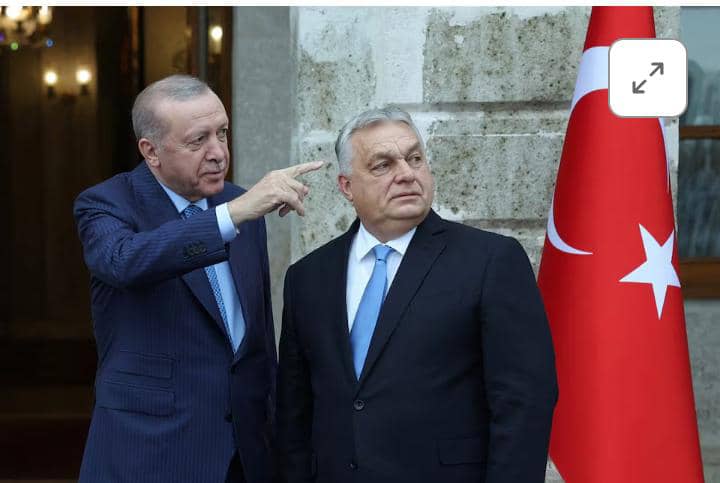
Hungary’s Prime Minister Viktor Orbán says Turkey has agreed to guarantee the continued flow of Russian gas to his country, following talks with President Recep Tayyip Erdoğan on Monday.

Hungary has maintained its reliance on Russian energy since the start of the conflicts in Ukraine prompting criticism from several European Union and NATO allies.

It signed a 15-year deal in 2021 with Russia to buy 4.5 billion cubic metres of Gas annually, and increased purchases from Gazprom last year, importing some 7.5 billion cubic metres of Russian gas via the Turkstream pipeline.

Today I agreed with the president that you, Turkey, will guarantee the route so that we can transport (gas) from Russia to Hungary,” Orban said in a Press conference broadcast by state new channel M1.

Orban also said that Hungary has received 7.5 billion cubic meters of gas through the Turkstream pipeline so far this year.

Last month the United States granted Hungary a one year exemption from its sanctions for using Russian oil and Gas after Orban pressed his case for a reprieve during a friendly meeting with President Donald Trump in Washington.

Orban also met Russian President Vladimir Putin in Moscow at the end of November.

He said on Facebook at the time that he was visiting Moscow “to ensure Hungary’s energy supply is secured for the winter and next year”.

Reuters/Victoria Ibanga

Benue Governor Reaffirms Commitment to Climate Resilience Governance

0

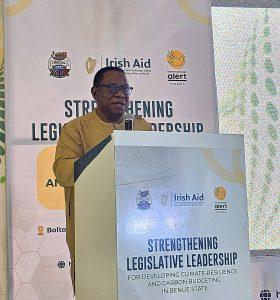
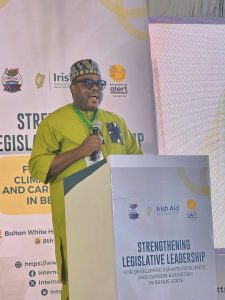
Benue State Governor, Rev. Fr. Dr Hyacinth Iormem Alia, has reaffirmed his administration’s commitment to strengthening climate resilience and environmental governance.

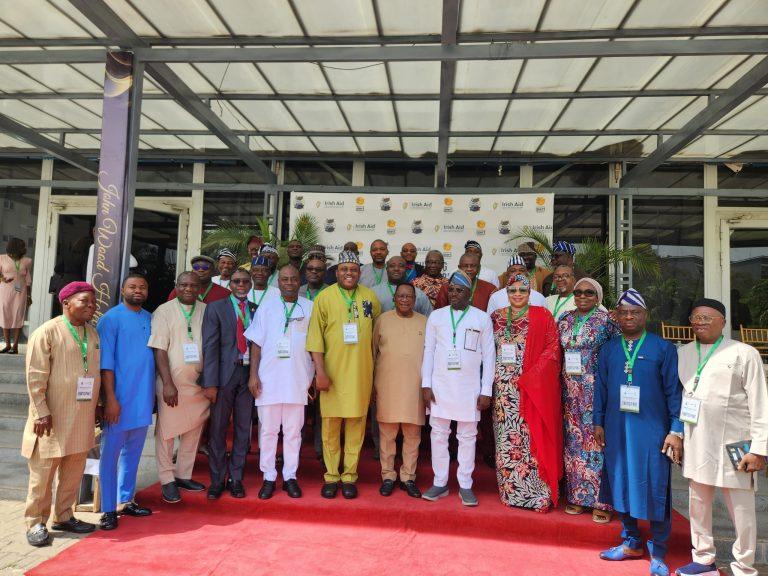
He spoke while declaring open a one-day training for members of the 10th Benue State House of Assembly on “Strengthening Legislative Leadership for Developing Climate Change Resilience and Carbon Budgeting”, organised in collaboration with International Alert, with support from Irish Aid, in Abuja, Nigeria’s capital.

Represented by his Principal Private Secretary, Dr Emmanuel Chenge, the Governor said Benue, Nigeria’s food basket, remains highly vulnerable to climate pressures, citing recurring floods in Makurdi, Agatu, Guma, and Logo; rising temperatures; declining soil fertility; and shrinking agricultural productivity.

He warned that these pressures are also worsening security challenges as drought-induced migration deepens farmer–herder tensions.

“These challenges threaten our agriculture-dependent economy, our infrastructure, and the well-being of our people. They therefore demand urgent, coordinated and visionary action. Climate governance begins with strong laws, effective oversight, and a clear budgeting framework,” he said.

Governor Alia listed ongoing interventions, including the establishment of the Benue State Council on Climate Change, the development of the State Climate Change Policy and Action Plan, flood-control infrastructure, deployment of solar lighting, and support for climate-smart agriculture.

He urged lawmakers to “strengthen oversight, pass climate-responsive laws, support carbon budgeting and sensitise communities on sustainable environmental practices.”

Director-General of the Benue Climate Change Council, Mr Aondofa Daniel Mailumo, warned that climate risks are escalating amid a widening climate-finance gap.

He stressed that stronger legislation is needed to unlock domestic and international funding, regulate land use, and institutionalise climate-risk assessments.

“Climate change requires a dual approach: mitigation and adaptation… Government budget allocations for environmental and climate-related programs remain limited, often fluctuating and insufficient to meet the scale of interventions required.” Mailumo said.

In his remarks, Country Director of International Alert Nigeria, Dr Kingsley Udo, described the engagement as strategic for bridging policy and implementation gaps.

He commended the Benue government for providing “a visionary, multi-stakeholder platform” and reaffirmed his organisation’s support through the “Powering Peace through Climate Action Project.”

According to him, “Today’s meeting is therefore timely and strategic… we are collectively taking an important step toward building a coordinated, accountable, and sustainable climate governance framework for Benue State.”

Speaker of the State Assembly, Hon. Alfred Emberga, said the training will enhance lawmakers’ capacity to enact climate-responsive laws, warning that indiscriminate tree-felling, flooding, and erratic rainfall threaten food production.

Nigeria Launches N50m Equity-free Grant For Tertiary Students

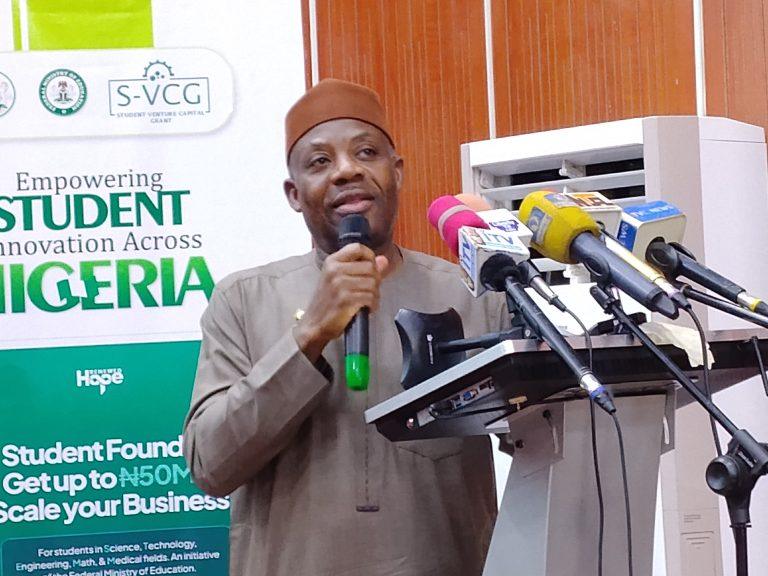
The Nigerian Government has launched the N50 million equity-free Student Venture Capital Grant (S-VCG), aimed at boosting innovation and entrepreneurship across tertiary institutions in Nigeria.

The S-VCG is a N3 billion funding scheme, where each beneficiary students can be granted N50 million.

Minister of Education, Dr Tunji Alausa, unveiled the initiative in Abuja, Nigeria, saying “it is a bold step towards empowering young innovators and building a robust national innovation ecosystem.”

“It is with immense pleasure and a profound sense of responsibility that I stand before you today to launch another landmark initiative that speaks directly to the future of our nation.

“The SVCG was conceived to promote creativity, enterprise, and economic independence among students. 250,000 students are targeted in the first cohort.
This programme aims to ignite innovation, strengthen research excellence, and kick-start a vibrant entrepreneurial culture across tertiary institutions,” he said.

According to the Minister, the scheme is far more than a grant but a strategic intervention designed to identify groundbreaking ideas from Nigerian campuses and drive a culture of innovation-driven problem-solving.

Dr. Alausa said that the initiative aligned with President Bola Tinubu’s Renewed Hope Agenda for Education, which places youth at the forefront of building a competitive, innovation-led economy.

“It is President Bola Tinubu’s commitment to youth development that formed the backbone of the programme.
We have a president, who believes so much in education and in our youth. The President believes you are the heartbeat of this nation, and he will provide all the resources you need not only to excel but to change the world. And that is why we are here today again,’ he said

The Minister said through the scheme eligible students can access up to N50 million in equity-free financing to scale their ventures and beyond funding, beneficiaries will receive incubation support and mentorship from experienced entrepreneurs and industry experts.

Dr. Alausa said that the grant is open to students in federal, state, and private tertiary institutions that are full-time undergraduates in their third year and as well as master’s and PhD candidates.

“In order to qualify, applicants must have registered businesses with the Corporate Affairs Commission (CAC) and projects rooted in STEM and medical sciences,” he said

Dr. Alausa said ongoing applications for the first cohort which opened on the 17 November 2025 will be closed on 23 January 2026 from when evaluation and selection will start by a team of experts, urging students to begin registration.

The Minister said the programme is a collaboration between the Federal Ministry of Education and TETFund, with support from key partners such as the Bank of Industry, Afara Initiative, Centre for Entrepreneurship and Skills Development, AfriLabs, and Google.

Minister of State for Education, Professor Suwaiba Ahmad on her part said the S-VCG is a an opportunity for Nigeria students to transform concepts into high impact results in the areas of health, climate change, industry, innovation among others.

“We are not just giving you money but for it to bear fruits. It is designed to unleash entrepreneurial capabilities on campus. It is an investment in Nigeria’s future emanating from lecture halls and classrooms,” she said.

A former minister of Power, Professor Barth Nnaji said the initiative aligned with efforts to deepen scientific research and innovation in the country that can help solve global and local challenges.

“This is how students and their mentors can develop impactful inventions that not only serve global needs but solve local problems,” he said.

The National Programme Coordinator of S-VCG, Adebayo Onibanjo said the initiative was designed to “ignite student driven innovation and to close investment gaps that made venture capitalists hesitant to invest in early stage University ideas.”

He said the portal has received over 17,914 applications from 402 universities comprising of 346 public and 56 private institutions.

The President of the National Association of Nigerian Students (NANS), Olushola Oladajo commended President Tinubu and the Minister of Education for the initiative.

He said students since the inception of the Tinubu regime have enjoyed the benefits associated with the “Nigeria Education Loan Fund, (NELFUND, the SCVG, uninterrupted academic sessions as ASUU has not going on stretched strikes.”


Olusola Akintonde

Enugu State Launches Gender Based Violence Taskforce

0

The Enugu State Government, in collaboration with the Economic and Social Empowerment of Rural Communities (ESERC), has launched the State Gender-Based Violence (GBV) Taskforce, a milestone in the collective journey to end GBV in the state.

The task force is part of a project funded by the French Government through the French Embassy Fund for Civil Society (FEF-OSC) and aims to provide survivor-centred services and community engagement in Enugu State.

The project has three pillars: community engagement, institutionalisation of a multi-sectoral GBV response system, and economic empowerment of survivors.

The community engagement pillar involves training and deploying Community Advocacy Groups (CAGs) in selected communities, sensitising communities on GBV, and engaging traditional rulers, religious leaders, and other influencers.

The institutionalisation of a multi-sectoral GBV response system involves the launch of the Enugu State GBV Taskforce, which brings together various ministries, departments, and agencies, including the Ministry of Children, Gender Affairs and Social Development, the Ministry of Justice, and security agencies.

The task force, inaugurated by Governor Peter Mbah, has signed a Memorandum of Understanding with several Ministries, Departments and Agencies (MDAs).

The economic empowerment pillar provides seed grants for survivors to rebuild their lives with dignity.

The Executive Director of ESERC, Rev’d Ikechukwu Nwaogu, emphasised that the era of impunity for perpetrators of GBV in Enugu State is over, and the task force will respond swiftly to reports of GBV.

The task force has circulated hotline numbers widely across communities, and anyone can report cases of GBV, including neighbours, church members, and strangers.

The Enugu State Government has provided an enabling environment for the project, and the Hon. Commissioner for Children, Gender Affairs and Social Development, Hon. Mrs. Ngozi Enih, has been instrumental in supporting the project.

It has also made notable progress in the social sector, including advances in healthcare, education, social protection, youth development, and inclusive governance. However, the government recognises that progress alone is not enough, and is committed to transforming the state’s approach to addressing GBV.

ESERC has successfully implemented a similar model in Ebonyi State, which led to a significant reduction in GBV cases, and the organisation is committed to replicating this success in Enugu State.

The launch of the task force is a call to action for all stakeholders, including government agencies, traditional rulers, religious leaders, security agencies, and communities, to work together to end GBV in Enugu State.

The launch marks the beginning of a movement that says no to sexual and gender-based violence, protects women, children, and the most vulnerable, and ensures that survivors find justice and perpetrators are brought to book.

It will also ensure access to shelters, psychosocial support, legal aid, and medical care for survivors, and uphold dignity, confidentiality, and justice for every survivor.

The event was attended by government officials, development partners, traditional and religious leaders, civil society organisations, security agencies, and the media.