Home Blog Page 649

Kano Inaugurates Committee for UNESCO World Heritage Volunteers Programme

0

By Salihu Ali, Kano

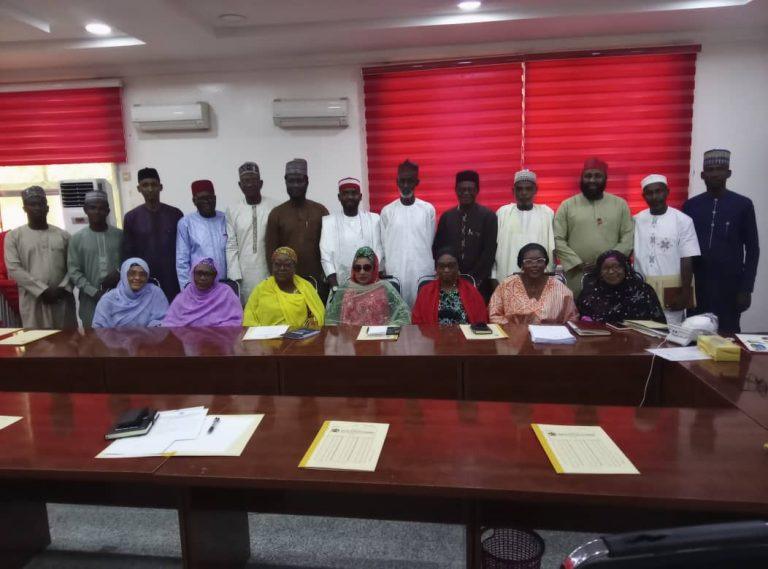
In a renewed effort to promote and safeguard its centuries-old cultural heritage, the Kano State Government has inaugurated the Organising Committee for the 2025 UNESCO World Heritage Volunteers (WHV) Programme.

The initiative highlights the state’s dedication to cultural preservation, youth empowerment, and sustainable development.

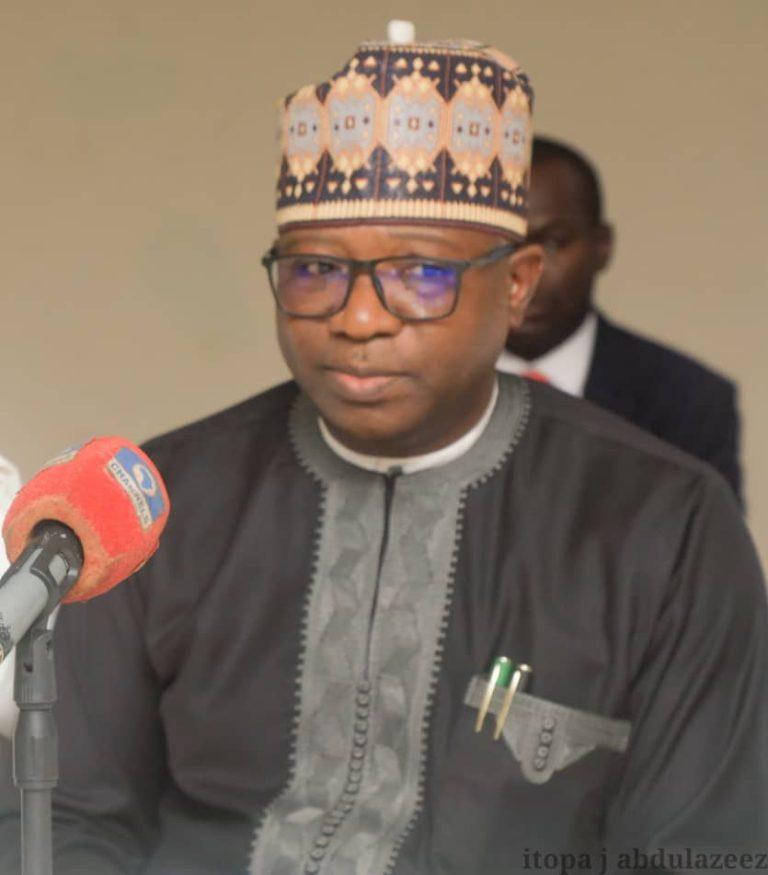
The inauguration ceremony, performed by the Secretary to the State Government, Alhaji Umar Faruq Ibrahim on behalf of Governor Abba Kabir Yusuf signals Kano’s readiness to collaborate with UNESCO in advancing community participation and heritage conservation on a global scale.

While addressing the Committee, Ibrahim praised UNESCO’s continued partnership with member states, emphasising that the WHV initiative aligns with Governor Yusuf’s vision of positioning culture, tourism, and heritage as key pillars of economic and social development.

“The Kano State Government remains fully committed to preserving and promoting our cultural heritage,” said Ibrahim. “This initiative will further strengthen Kano’s place as a center of history, creativity, and cultural excellence not just in Nigeria but across Africa.”

Preserving cultural landmarks

Accepting the appointment on behalf of the newly inaugurated committee, the Commissioner for Tourism and Culture, Hajiya Aisha Lawan Saji, expressed appreciation to the government for the trust placed in them.

“Kano’s heritage defines our identity,” she said. “We are committed to protecting our traditions, landmarks, and collective history for future generations. This programme will ensure our legacy endures.”

The Programme Director, UNESCO WHV Nigeria 2025, Malame N. Mangzha, applauded Kano for its outstanding role in preserving cultural landmarks such as Kurmi Market, Dala Hills, and other historic sites that symbolize the roots of Hausa civilization.

“Kano holds a special place in Africa’s cultural landscape,” she noted. “Its living traditions reflects resilience and pride. This project will elevate Kano’s international cultural profile while fostering youth and community engagement.”
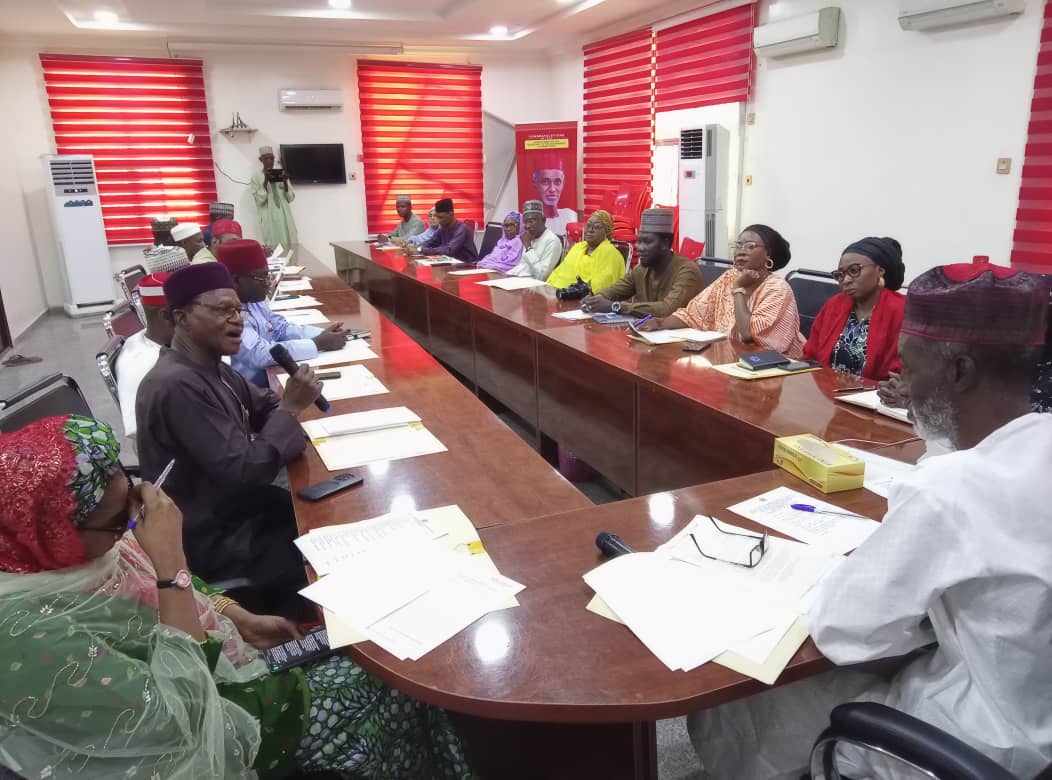
She further revealed that several local and international organizations are expected to collaborate in the 2025 programme, which aims to attract investment and promote sustainable tourism in the region.

“Today’s event is part of a nationwide campaign to engage communities, youth, and traditional leaders in heritage protection, in line with UNESCO’s global mission of promoting culture, environmental sustainability, and inclusive development,” she said.

The committee, chaired by Hajiya Aisha Lawan Saji, includes distinguished figures from government, the academia, and cultural sectors.

The UNESCO WHV 2025 Kano Programme is expected to foster cultural awareness, promote sustainable tourism, and strengthen grassroots participation in heritage conservation.

The initiative reaffirms Kano’s position as the cradle of African civilization and a global symbol of cultural endurance.

Details of the engagement was contained in a press statement by the Press Secretary, Office of the Secretary to Kano State Government, Musa Tanko Muhammad.
Women Exclusion Costly to National Progress – Minister

0

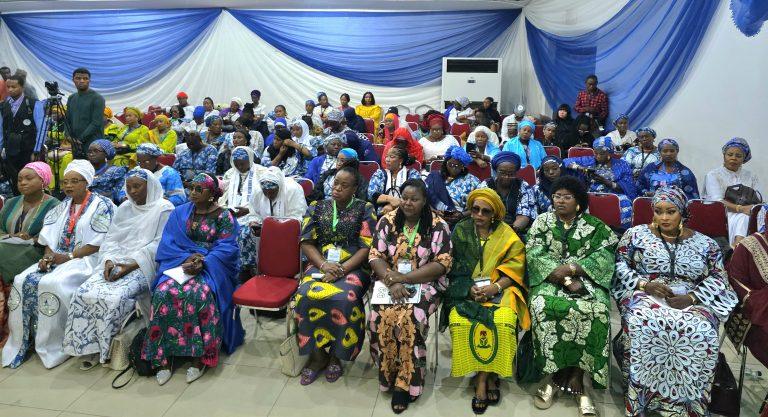
The Minister of Women Affairs and Social Development, Hajiya Imaan Sulaiman-Ibrahim, says excluding women from governance and leadership is costly to Nigeria’s growth, stability, and balanced development.

Speaking in Abuja on Friday, at the 2025 National Conference of the League of Women Voters of Nigeria (NILOWV) held in Abuja, the Minister described the theme, “The Power of Women’s Voices and Votes: A Critical Tool for Electoral Victory,” as both “timely and relevant.”

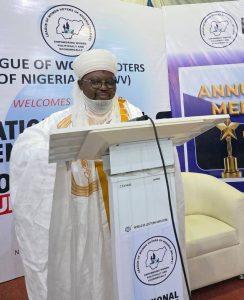
Mrs Ola Erinfolami, Special Adviser on Administration, Representing the Minister of Women Affairs

Represented by Mrs Ola Erinfolami, Special Adviser on Administration, the Minister commended NILOWV for its commitment to advancing women’s political participation and said, “Inclusive governance and gender equality are not optional aspirations but necessary conditions for peace, prosperity, and sustainable development.”

She cautioned that exclusion undermines national capacity and slows progress, stressing that: “excluding women from good things happening in this country does more harm than good. When women are excluded from leadership, our policies lack balance, our institutions lose empathy, and our development outcomes remain incomplete.”

Policies Driving Women’s Empowerment

Sulaiman-Ibrahim said that under the Renewed Hope Agenda of President Bola Ahmed Tinubu, the Ministry is pursuing reforms that place women, children, families, and vulnerable groups at the centre of national renewal.

She listed major frameworks such as the National Gender Policy (2021–2026), the National Women’s Economic Empowerment Policy (2023), and the National Policy on Ending Child Marriage, noting that they are all designed to enhance inclusivity and equity.

Highlighting the Renewed Hope Social Impact Interventions–774, she described it as:

“A coordinated national platform operating across all 774 Local Government Areas, designed to drive women-centred, children-protected, and family-focused transformation nationwide.”

Reserved Seats Bill

On the Reserved Seats for Women Bill currently before the National Assembly, the Minister commended its champions in both chambers, saying: “Women’s inclusion is not an act of charity, but a strategic investment in Nigeria’s sustainable development, democratic strength, and collective progress.”

She called for sustainable financing to achieve gender equality and social inclusion targets, explaining that, “Nigeria currently faces an estimated USD 1.2 billion financing gap over the next five years.”

Hajiya Sulaiman-Ibrahim urged stakeholders to strengthen partnerships, mentorship, and mobilisation of women ahead of the 2027 general elections.

“Let us amplify women’s voices in every public sphere, mobilise their votes for credible leadership, and mentor a new generation of women who will lead with integrity, empathy, and courage,” she said.

Grassroots Mobilisation

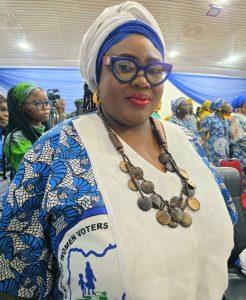
The Founder of NILOWV, Mrs Esther Udehi, called for intensified advocacy at the grassroots to build broader support for the Reserved Seats Bill.

“We need to reach every person, especially women in the villages, to promote women’s inclusion and the passage of the bill,” she said.

Mrs Irene Awunah-Ikyegh, President NILOWV

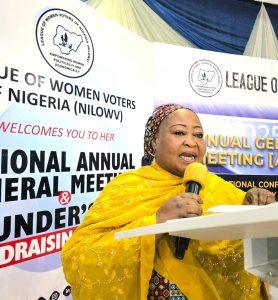
Similarly, the President of NILOWV, Mrs Irene Awunah-Ikyegh, said women’s participation in the 2027 elections would be decisive.

“The special seats bill is critical to 2027, and if it is passed into law, it will change the dynamics of Nigerian politics and restore our democratic integrity,” she affirmed.

Governors’ Spouses Forum 

Representing the First Lady of Kwara State and Chairperson of the Nigeria Governors’ Spouses Forum, Prof Olufolake Abdulrazaq, Director-General of the Forum, Hauwa Halira, highlighted the state’s example of inclusive governance, noting that women currently hold over 20 per cent of seats in the State House of Assembly.

Hauwa Halira, DG, Nigeria Governors’ Spouses Forum

“This action has built public trust and normalised women’s leadership, paving the way for electoral gains,” she said.

She added that the Reserved Seats Bill has attracted wide national backing.

“The campaign for this bill has mobilised over 10 million Nigerians and is endorsed by the Nigeria Governors Forum, the Senate, the House of Representatives, and the Nigeria Governors Spouses Forum,” she said, urging its passage during the current legislative session.

Traditional Rulers Declare Support

Delivering the goodwill message of the Etsu Nupe and Chairman, Niger State Council of Traditional Rulers, Dr Yahaya Abubakar, represented by Dr Muhammad Kudu Abubakar, said traditional rulers recognise the critical role of women in Nigeria’s democracy.

Dr Muhammad Kudu Abubakar, Representing Etsu Nupe

“The power of women’s voices and votes in Nigeria is not only critical but imperative to all democratic institutions, especially political parties,” he said.

He acknowledged the cultural, socio-economic, and financial barriers women face but affirmed royal support for the Reserved Seats Bill.

“Nigeria’s Traditional Rulers support the Reserved Seats Bill and therefore urge the National and State Assemblies to pass this all-important bill,” he stated.

Hajiya Aishatu Bura, National President of the Nigeria Association of Women Journalists (NAWOJ)

In her goodwill message, Hajiya Aishatu Bura, National President of the Nigeria Association of Women Journalists (NAWOJ), emphasised the media’s role in amplifying women’s political voices.

“Every woman’s voice counts not only in the polling booth but in the public square, the media, and the policymaking process,” she said.

She added that societies embracing women’s inclusion in governance “have witnessed transparency, compassion, and accountability.”

The conference ended with a unified call for the urgent passage of the Reserved Seats Bill and renewed mobilisation of women voters nationwide.


Food Security: Nigeria Collaborates With Expert On Fisheries

0

Nigeria is partnering with Professor Rashid Sumaila, a world-renowned expert in Ocean and Fisheries Economics, to address challenges affecting food supply and fish sufficiency in the Gulf of Guinea.

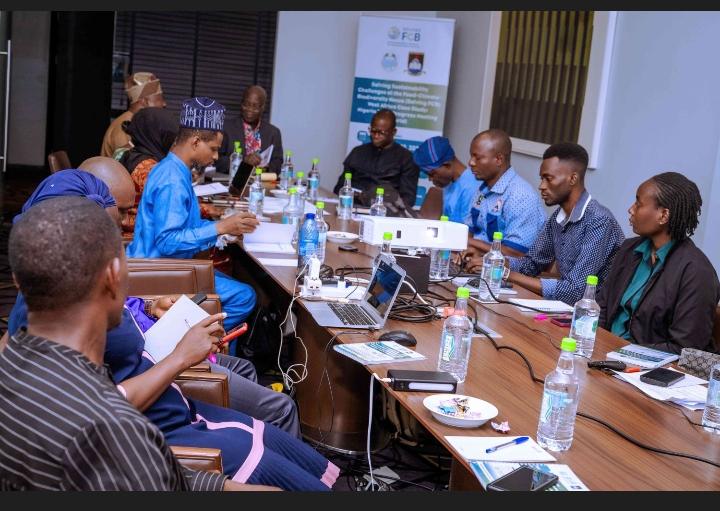
Professor Sumaila, known for his interdisciplinary research on ocean sustainability and fisheries management, was in Lagos for a progress meeting with the Nigerian team on strategies to enhance food security and promote sustainable fisheries in the region.

The meeting, held in Lagos, formed part of ongoing efforts by the Nigerian team to assess postgraduate Doctoral and Master’s students drawn mainly from Lagos State University (LASU) and the University of Lagos (UNILAG).

Professor Shehu Latunji, a Fisheries expert from LASU and one of the Nigerian Co-Investigators in the Solving-FCB project, said; “Professor Sumaila’s visit was to evaluate the performance of the LASU and UNILAG teams working on the project titled “Solving Sustainability Challenges of the Food, Climate and Biodiversity Nexus.”

After listening to presentations and discussions on various topics, Professor Sumaila commended the students for their research efforts in addressing issues affecting the marine ecosystem and the livelihoods of coastal communities.

He stated that “the goal of the project is to understand through research how we can feed millions of Nigerians with fish without emptying the ocean in the face of climate change.”

According to him, the project promotes capacity building and collaboration among journalists, scientists, governments, and NGOs to share knowledge that would help manage Nigeria’s fisheries sustainably for the benefit of present and future generations.

The Solving-FCB project is a global initiative funded by the Social Sciences and Humanities Research Council (SSHRC) and led by the Institute for the Oceans and Fisheries (IOF) at the University of British Columbia (UBC), Canada. The six-year project began in 2022.

Also in attendance were Dr. Charles Iyangbe, Country Representative of WorldFish Nigeria; Mrs. Foluke of the World Aquaculture Society; a representative from the Nigerian Institute of Oceanography; and several other collaborators and students who joined the meeting virtually.

The highlight of the meeting was the presentation of a souvenir, a large photograph of Professor Sumaila bearing the autographs of all participants as a token of appreciation for his visit.

Nigeria Unveils Africa’s First Aeronautic And Management University

0

By Shiktra Shalangwa

The Nigerian government has unveiled the Isaac Balami Aeronautic and Management University, the first Aeronautic and Management University in Africa.

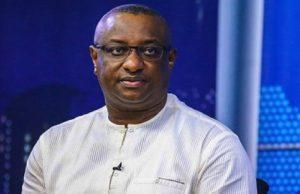
Speaking at the unveiling of the university in Abuja, the nation’s capital, the Minister of Aviation, Mr. Festus Keyamo, said it is a great feat for the aviation industry.

Mr. Keyamo said the unveiling is in line with the vision of the administration of President Bola Tinubu to support the growth and sustainability of the private sector.

“It is one of our five points agendas. One the support for local entrepreneurs within our sector and two human capital development. It is a revolution.”

He urged state governments to support indigenous students, stating that the university is a combination of three institutions.

Mr. Keyamo also urged the university to concentrate on air traffic control, stating that the future of air flight in Africa will be short-staffed in air controlling.

The Minister of Aviation, Mr. Festus Keyamo

Representing the Minister of Women Affairs, the Special Adviser on Technical and Strategic Communication, Mrs. Chumi Okoye, said the university is an extraordinary achievement, with a bold demonstration of what is possible when vision meets determination. She said the university represents the bridge between dreams and opportunity.

The Minister said that “for the first time young women will have access to world class education in aeronautics engineering and management at home without needing to go abroad. The University is a testament to Nigeria’s capacity for innovation and excellence.

“We’re opening new pathways for women in innovation, trade and technical sector such as aviation. Recent data reveals that 13% of aviation jobs are held by women. Our goal is to significantly increase women participation and close these gap.”

She said the ministry will partner with the university to train one hundred (100) young women across Nigeria’s geopolitical zones as the first batch of trainees.

Read Also: Stakeholders in Nigeria Back Establishment of Aviation University

Civil Aviation Authority Denies Claims of Negligence

The Director General Nigerian Civil Aviation Authority (NCAA), Captain Chris Najomo, said the university redefines the future of aviation education, profession, and management in Nigeria and Africa. He said it is timely, considering the challenges in the aviation sector, including limited capacity to advance technical and managerial training.

Visionary revolution

The Vice-Chancellor of the university, Professor Paul Jemitola, in his welcoming remarks, said the university is a revolution designed to shape the future of aviation leadership in Africa. He said the university will provide global standards with local expertise.

The founder of the university, Engineer Isaac Balami, PhD, thanked the Nigerian government, the aviation authority, family, friends, and the Nigerian Universities Commission for their support.

He said with that support, the university has an existing aircraft for maintenance, repair, and overhaul activities in Lagos, South-West Nigeria.

He said, “the university not only offers theories but practical experience and producing young people that can work unsupervised anywhere in the world, giving them competence in digital aviation to have the capability to work from Lagos campus to Boeing, Mercedes, Range Rover, Airbus etc.”

He added, “what took us 20 years we are giving it to our children in four to five years.”

He assured the Nigerian government that he will do his best to ensure the university delivers and closes the skill gap of 65,000 engineers and pilots that will be required in Africa in the next 12 years.

Kogi State Reviews Electoral Framework For 2026 Council Elections

0

The Kogi State Independent Electoral Commission (SIEC), has presented the new state Independent Electoral law to the election stakeholders in the state, with a view to reviewing the provisions of the state electoral framework.

Chairman of Kogi State independent Electoral Commission, Mr. Mamman Eri, said at the review meeting on Friday in Lokoja, North Central Nigeria, that Kogi State the new law had been drafted with consideration to the provisions of the national electoral act 2022, with regards to the local government electoral jurisprudence in Nigeria.

Eri said; “Kogi SIEC was guided by the provisions of the national electoral act 2022 concerning the conduct of area council elections in the federal capital territory, Abuja, as all elections conducted by State Independent Electoral Commissions in violation of the national electoral act would be invalid.”

Eri advised political parties to avoid presenting double candidates to the electoral Commission as witnessed in the last local government council elections in the State. He stressed that any political parties with controversial candidates risk exclusion from the forthcoming council elections in 2026.

The Chairman said; “substitution of candidates must be done within the timeline and urged political parties and other stakeholders to begin early preparations for participation in the electoral process.”

According to Kogi SIEC Chairman, Kogi State was the first among states in Nigeria to review its electoral law, in line with the federal electoral law 2022, making Kogi State Independent electoral law a model to other States in Nigeria to emulate.

He said; “We must work within the electoral timeline to avoid unnecessary litigations and time loss to fulfil our mandate, which is to deliver free and credible council elections in the State. We equally seek full support and collaboration of all election stakeholders in Kogi State towards building public confidence in the electoral process as we begin preparations for a conduct of the next local government elections in Kogi State.”

Responding to the Civil Society concerns in the State on lack of budgetary provisions for funding electoral activities of the State Independent Electoral Commission as provided by the law, Eri said;

“We encourage the civil society in the state to lead agitations for timely release of funds to the state Independent Electoral Commission, as provided in the State independent Electoral law.”

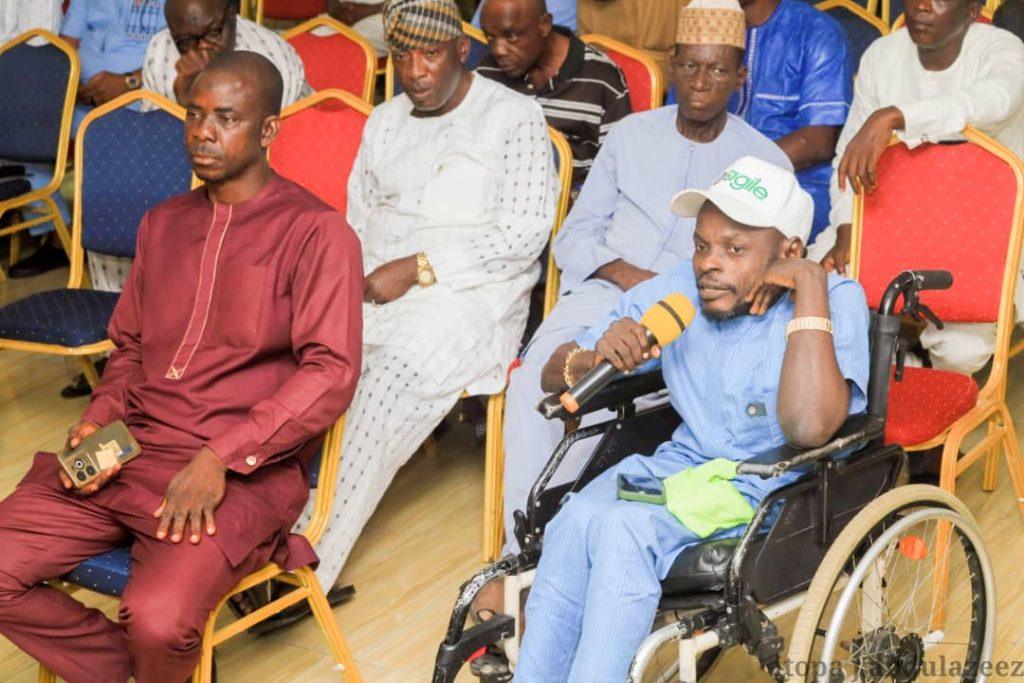
Stakeholders called for increased tenure of local government council chairmen, disability inclusion, credible electoral process, and protection of electoral Independence of the State electoral Commission to bring about a free and fair elections.

A legal practitioner in Kogi State, Barrister Bamidele Suru, who reviewed the new State electoral framework, emphasised the legal implications of infractions of the new electoral law.

He warned officials of the electoral Commission to detach themselves from likely political influence from within and outside government in order to safeguard its independence.

Suru, who provided insights into the provisions of the State electoral framework, said; “the State SIEC is now empowered by law to employ and train its own staff, just as 1 percent of the state revenue and 10 percent of total revenue of local governments must go to State Independent Electoral Commission, at least three months to local government elections, paving the way for increased funding of the State electoral body, among other reforms.”

According to Suru, “Nigeria’s national electoral act is being reviewed by the National Assembly, with proposed amendments to the provisions of Nigeria’s electoral law before conduct of 2027 general elections in Nigeria.”

Suru said; “because Kogi State was the first among States in Nigeria to input the provisions of the national electoral act 2022 into its State electoral law, about 10 other states in Nigeria have adopted the ‘Kogi State Electoral law,’ having a broader legal force.”

Suru, particularly refered to section 202 of the State electoral law, which empowers state Independent Electoral Commission against any form of influence from any person or government agency even though State Governors may still influence their conduct.

Nigerian Troops Arrest 35 Terrorists, Rescue 20 Victims

0

In a decisive military operation, Nigerian troops have apprehended over 35 terrorists, rescued more than 20 victims, and recovered a cache of weapons and ammunition, marking a significant breakthrough in the fight against insurgency.

The Director of Defence Media Operations, Major General Markus Kangye, disclosed this during the weekly briefing of the ongoing military operations by the Armed Forces of Nigeria across the country in Abuja, Nigeria’s capital.

General Kangye said that the Joint Task Force North East OPERATION HADIN KAI (OPHK) recovered some weapons and dismantled terrorists’ networks in North East, Nigeria.

He noted that the efforts of the troops paved the way for the safe resettlement of displaced persons and unimpeded farming activities.

According to him, troops conducted both kinetic and non-kinetic operations against terrorists in Konduga, Magumeri, Gubio, Nganzai, Monguno, Kaga and Mobbar LGAs of Borno State. Similar operations were conducted in Mubi South and Yunusari LGAs of Adamawa and Yobe States.

During the encounters, scores of the terrorists were killed in action.

Also, “16 of their collaborators, informants, sympathisers and spies were arrested, while 7 kidnapped victims were rescued”, he said.

“Some quantities of arms and ammunition, vehicles, PMS and the sum of N5,140,000.00 were also recovered, while their camps were destroyed. Recovered weapons are in troops’ custody,” he added.

In the same vein, troops of Operation FANSAN YAMMA, OPFY sustained operational tempo throughout the week with significant outcomes in the northwest region of the country.

General Kangye said that during firefights, some terrorists were killed in action and kidnapped victims rescued.

According to him, also, several terrorists were killed in action, 14 of them were arrested, while 6 kidnapped victims were rescued.

Weapons, vehicles, livestock and other household items were recovered from them.

Similarly, troops of OPERATION ENDURING PEACE in North Central responded to distress calls about terrorists’ activities in some sectors.

According to him, for instance, troops conducted offensive operations and responded to distress calls on terrorists’ activities in Riyom, Jos South, Bassa, Barkin Ladi, Mangu and Jos East LGAs of Plateau State, as well as Jemaá and Zangon Kataf LGAs of Kaduna State.

“During the firefights, some extremists were killed in action, while 11 of them were arrested. Some weapons, ammunition, motorcycles, and vehicles were recovered from them”, he said.

In another development, troops of Operation WHIRL STROKE recorded some successes in their Area of Responsibility during the week in the North Central region of the country.

According to him, troops conducted operations in Ibbi, Takum, Bali and Wukari LGAs of Taraba State, as well as Logo, Gwer West and Ukum LGAs of Benue State.

They also conducted operations in Awe and Bassa LGAs of Nasarawa and Kogi States. Similar operations were conducted in the Bwari Area Council of the FCT.

“During the operations, troops killed some criminals in action, arrested 12 suspected others, while 17 kidnapped victims were rescued. Some arms and ammunition, vehicles and livestock were recovered from them”, he said.

In Operation DELTA SAFE theatre, troops foiled oil theft worth over Ninety Eight Million Seven Hundred and Five Thousand Four Hundred and Ninety Five Naira (N98, 705, 495.00) only in South-South, Nigeria.

The breakdown indicates: 92,500 litres of stolen crude oil, 1,575 litres of AGO, 660 litres of DPK and 5,000 litres of PMS. Additionally, they discovered and destroyed 11 crude oil cooking ovens, 7 dugout pits, 9 boats, 14 storage tanks and 7 illegal refining sites.

Furthermore, 13 oil thieves and other criminals were arrested, while assorted arms and ammunition were also recovered.

Relatedly, troops conducted offensive operations in Ethiope East, Ughelli South, Ndokwa, Okpe and Warri LGAs of Delta State.

They also conducted similar operations in Ahoada East and Toru LGAs of Rivers State.

During the operations, 9 criminals were arrested. Some weapons and ammunition, as well as a vehicle, were recovered from them.

General Kangye also noted that troops of Operation UDO KA sustained an offensive posture throughout the week under review in South East, Nigeria.

According to him, troops conducted offensive operations and arrested a suspected IPOB/ESN terrorist commander identified as Gentle, who was on the troops’ wanted list alongside 8 other criminals in Owerri West and Mbaitoli LGAs of Imo State, as well as Izzi and Ohaukwu LGAs of Ebonyi State. Weapons, ammunition and vehicles were recovered from them.

Additionally, a female IPOB/ESN collaborator who was also believed to be one of their logistics suppliers was arrested in Umunneochi LGA of Abia State.

During the arrest, 3 children whose investigation revealed were biological children to a wanted IPOB/ESN leader identified as Maduabuchi Nwankwo, otherwise known as Emergency, were found in her custody. It was further revealed that the terrorist leader is also her relation.

And the Military High Command commended the gallant officers and men of the Armed Forces of Nigeria for their unwavering dedication and courage in the face of evolving security challenges.

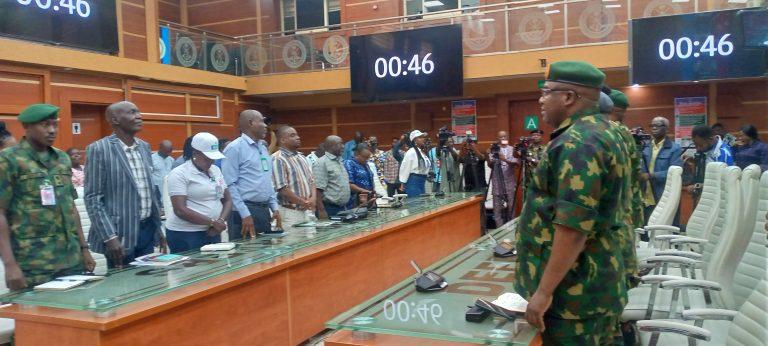
Meanwhile, a minute of silence was observed for officers who lost their lives in defending their fatherland.


Nigeria’s Peacekeeping Achievements Earn Global Recognition- Ex-UN Commander

A former Force Commander of the United Nations Interim Security Force for Abyei (UNISFA), Major General Olufemi Sawyer (rtd), says Nigeria’s leadership on the global stage continues to command respect.

He said this reflects the nation’s growing influence in international peacekeeping and diplomacy.

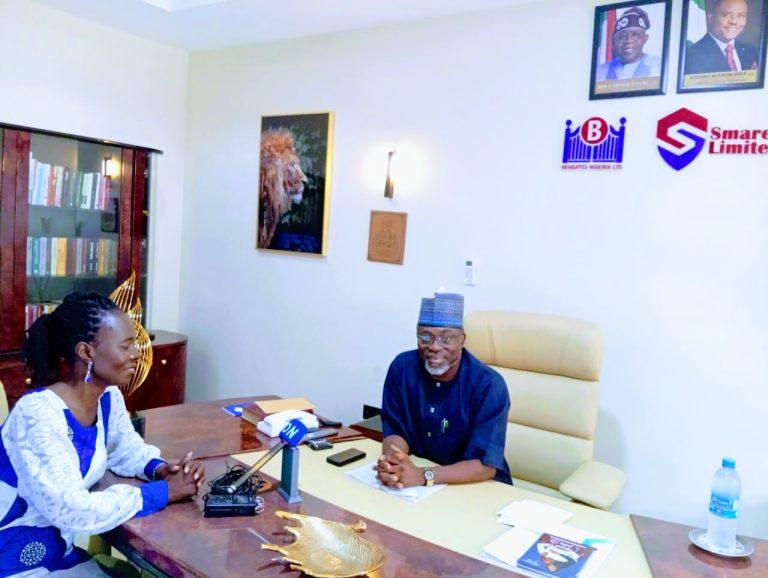
Major General Sawyer stated this during an interview with Voice of Nigeria, where he shared insights from his international mission experience and its impact on Nigeria’s foreign policy posture.

He described leading the UNISFA mission as both “a thing of joy” and a major diplomatic achievement for Nigeria, noting that his appointment projected the country’s image positively within the UN system.

According to the former Force Commander, “When you see a mission being headed by a general from your own country, it projects that country. The last time we had someone head a UN mission was long ago. So when I came on board, I was well accepted in the UN system.”

Major General Sawyer said; “under his command, the mission brought together eight contingents – from Ghana, Nigeria, China, India, Pakistan, Nepal, and Vietnam, with a total of about 3,500 peacekeepers in one operational structure.

“This amplified Nigeria’s leadership profile and aligned with the country’s foreign policy objectives of regional and international engagement.”

Beyond military command, the mission he said offered rare diplomatic exposure.

It gave me an opportunity to interact with people from different parts of the world,” Major General Sawyer said, describing how both uniformed and civilian personnel from multiple nationalities experienced Nigeria’s leadership first-hand.

He particularly highlighted the professionalism of the Nigerian base defence company of about 161 troops stationed at the UNISFA camp.

Major General Sawyer said; “The Nigerian-based defence company showed a very high level of professionalism. When people broke into the camp to steal, they arrested them without molestation and handed them over to local authorities.”

In one incident he recalled, stolen items were recovered in less than an hour – a reflection of the Nigerian Army’s operational discipline before the international community.

Major General Sawyer said another strategic layer of his mission was high-level engagement with government officials of both Sudan and South Sudan, two countries at the heart of the Abyei conflict.

“It was very interesting because I had to meet with the highest leadership of both countries. You see the interplay of international politics and how conflicts arise unnecessarily,” he explained, noting how such engagements deepened Nigeria’s role in international diplomacy and conflict resolution.

He affirmed that Nigeria’s continued participation in UN peacekeeping operations remains a strong pillar of its global credibility and commitment to world peace.

PCC Marks 50 Years Championing Justice, Accountability

0

The Public Complaints Commission of Nigeria says it has minimised conflicts between individuals and institutions, thereby fostering trust and stability in the country.

Chief Federal Commissioner, PCC, Mr Bashir Abubakar said this while briefing the Media ahead of its 50 anniversary celebration with the theme,” Effective Ombudsman Institution: Catalyst for Good Governance”.

He said the Commission has been a beacon of hope, standing as a defender of the people’s rights.

“The Commission’s contributions to nation-building are profound. The success of the Commission has been evident in the 1,802,267 complaints it has received, out of which 1,279,489 were successfully closed in the last 50 years, with 522,778 pending. Our actionable reports and recommendations have led to the amendment or removal of unjust regulations, enhancing administrative fairness.”

According to him, PCC exists to empower citizens to challenge administrative injustices without resorting to costly legal battles or taking the law into their own hands.

He also affirmed that the Commission had, over the past fifty years, handled millions of complaints, restoring hope to countless Nigerians.

” The global appeal of the Ombudsman lies in its cost-free, neutral, and adaptable approach to resolving grievances, evolving from administrative justice to a broader role in protecting human rights. In Nigeria, the PCC serves as a vital bridge between the people and the government, ensuring that citizens, regardless of their means, have access to justice,” he said

The Ombudsman, however, noted with concern inadequate funding as part of the significant challenges facing the Commission.

“Limited budgetary allocations have constrained our logistics, capacity building, and operational efficiency. While we have forged partnerships to enhance our enforcement capabilities, greater support from the government and policymakers is essential to fully realise our mandate.”

The mandate of the Public Complaint Commission allows it to investigate complaints against a wide range of entities, including government ministries, local authorities, public institutions, and private companies, under the Companies and Allied Matters Act.

Additionally, the PCC can proactively initiate investigations into issues critical to the nation’s well-being, ensuring that systemic injustices are addressed.


Hajj Commission Meets States To Review 2026 Pilgrims Fares

0

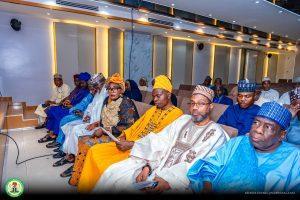
The National Hajj Commission of Nigeria (NAHCON) has met with officials of State Pilgrims Welfare Boards to harmonise the exchange rate that will be adopted for the 2026 Hajj cost computations across the country, among other measures for successful Hajj operations.

The development was contained in a press statement issued by the Deputy Director of Information and Public Relations, Fatima Sanda Usara, to journalists in Abuja, the nation’s capital.

In his remarks, Professor Abdullahi Usman, Chairman of the Commission, called for unity between the State Pilgrims Boards and NAHCON for the success of the country’s 2026 Hajj operations. He also appealed to state executive secretaries to take the issue of medical screening very seriously, considering the emphasis placed on it by Saudi Arabia.


NAHCON also disclosed that efforts are ongoing to negotiate reductions in certain cost components, such as cargo handling charges, to ease the financial burden on intending pilgrims. The Commission, however, emphasised that service providers’ rates will not be arbitrarily reduced, as this could affect the quality of services pilgrims are expected to receive.
The meeting also forwarded a complaint to the Central Bank of Nigeria Board Member representing NAHCON, Dr Adetona Adedeji, requesting a reduction in the bank’s charges on pilgrims. Dr Adedeji noted the possibility of reducing the 2% charge imposed on each pilgrim’s transaction.

In a related development, the Commissioner for Policy, Personnel Management, and Finance, Alhaji Aliu AbdulRazak, announced that the Chairman has approved the regular transfer of funds to the CBN as they are received from the States, to take advantage of the positive exchange rate.
The meeting also discussed the Mashair space reserved for Nigeria’s pilgrims on the NUSUK Masar portal, 66,910 slots for the 2026 Hajj, contrary to the 95,000 slots usually allocated to Nigeria. This means that the actual number that can participate in the 2026 Hajj is 51,513 for the Federal Capital Territory and States, including officials, while 15,397 will go to licensed tour operators.

The reduction, according to the Commission, is due to Saudi Arabia’s cut in Nigeria’s camp slots because of underutilisation in previous years.

Similarly, the Commissioner for Operations, Prince Elegushi, revealed that earlier allocations will be reviewed based on each state’s utilisation during the 2025 Hajj.

The Commission further requested States to submit the number of registered pilgrims to confirm alignment with NAHCON’s projections to facilitate commensurate planning. It also reminded States of the new remittance deadline of December 21 and advised each state to set an internal deadline to ensure all funds are received and transferred to NAHCON before the cutoff date.

Dr Saidu, a representative of the Nigerian Ministry of Health, read out the new medical policies from the Saudi Ministry of Health, stressing that all intending pilgrims must be healthy and active and that a compulsory medical check-up certificate will be required.

He recommended that medical screening should henceforth be conducted only by designated hospitals, and that only specific persons of integrity should be authorised to sign off on medical certifications, which will then be countersigned by the State’s Chief Medical Director to curb forgery.

The Commission emphasised that visa issuance will be linked to medical certificates, which will be verified at the point of entry. Hence, all medical regulations must be strictly adhered to, as any violation will hold Nigeria collectively accountable.


Flamingos’ U17 Women’s World Cup Campaign Begins On Sunday

0

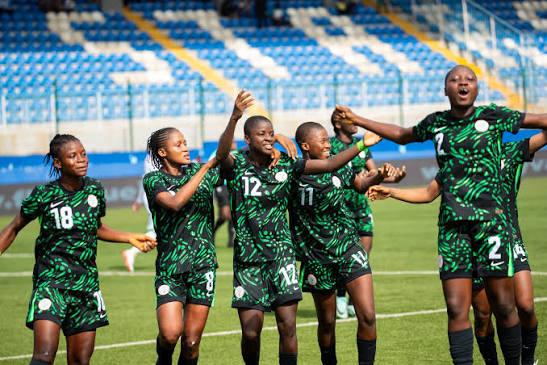
The Flamingos of Nigeria will on Sunday begin their campaign for this year’s FIFA U-17 Women’s World Cup against Canada. This will be the second meeting between these two sides at this level, with the first ending in a 1-1 draw.

The Flamingos arrived in Rabat full of confidence after a strong preparation phase that saw them play several high-intensity warm-up matches.

They recorded double-digit wins, scored freely, and displayed sharp movement and creativity across the final third — hallmarks of Olowookere’s “high-pressing football” philosophy.

The girls showed tenacity, depth, and the capacity to react under pressure when they triumphed 3–2 over Paraguay after narrowly losing to New Zealand in one of their test matches.

All eyes will now be on their World Cup opener, where discipline, composure, and efficient finishing will be key against a well-organised Canadian side, who come into this fixture known for their tactical structure, physical strength, and compact defensive shape.

READ ALSO: Flamingos Arrive in Morocco For U-17 World Cup 

The North Americans have proven tough customers for African teams in past youth tournaments, and Sunday’s clash will test Nigeria’s ability to handle sustained physical pressure while maintaining their attacking rhythm.

Nigeria’s ambitions are much more than just advancing from the group. After their impressive run to third place in India in 2022 and quarterfinals in the last edition in the Dominican Republic, the Flamingos are hungry to push further — and a strong opening result against Canada would send a clear message of intent to the rest of Group D, which also includes France and Samoa.