The Africa Centres for Disease Control and Prevention (Africa CDC) says the Democratic Republic of Congo (DRC), Sierra Leone, and Uganda account for over 84 per cent of mpox cases reported across Africa.
This is based on data from epidemiological week 25 of 2025, highlighting a disproportionate disease burden despite an overall decline in cases continent-wide.
Speaking at a virtual news conference on Friday, Dr. Jean Kaseya, Director-General of Africa CDC, said the DRC alone accounts for 62 per cent of all confirmed cases recorded since the outbreak began.
“While we’re seeing a consistent decline in mpox cases across Africa over the last six weeks, the burden remains overwhelmingly concentrated in just a few countries,” Kaseya said. “This calls for tailored and intensified response efforts in these hotspots.”
According to Africa CDC data, from January 2024 to June 2025, Africa recorded more than 75,630 suspected cases and 25,175 confirmed mpox cases, with 574 deaths.
Uganda recorded over 6,900 confirmed cases, Sierra Leone 4,297, and the DRC 27,940.
Kaseya noted a growing number of cases among children under 15. In Burundi, they account for nearly 47 per cent of confirmed cases, while in Uganda, over 11 per cent of patients are children under 15. Men represent more than two-thirds of confirmed cases continent-wide, suggesting gender-based exposure patterns that require further study.
Despite a near 100 per cent testing rate for samples received, overall testing coverage remains low due to logistical challenges, especially in remote areas of the DRC and Sierra Leone.
However, Kaseya commended Sierra Leone for recent improvements in testing, with a rapid turnaround time of 2.5 days and an 85 per cent positivity rate, indicating targeted and efficient surveillance.
On vaccination, over 698,000 people across 11 countries have received at least one dose of the mpox vaccine. The DRC leads with over 530,000 vaccinated—representing 75 per cent of all vaccinations administered in Africa. Sierra Leone successfully vaccinated more than 70,000 people during its second campaign round, which began on June 23.
Kaseya, however, flagged ongoing vaccine stock outs in countries like Liberia and parts of Sierra Leone as critical setbacks. He also highlighted shortages of essential medicines, ambulance fuel, and hygiene personnel at treatment centres in Uganda and the DRC. Case management units in cities like Entebbe and Fort Portal are reportedly overstretched.
Nonetheless, improvements in supportive care protocols and ongoing health worker training have contributed to a gradual decline in case fatality rates, now at 0.5 per cent continent-wide.
Kaseya urged African Union member states to implement an integrated emergency response addressing both mpox and concurrent cholera outbreaks, especially in areas impacted by climate shocks, conflict, and poor sanitation.
“Mpox remains a Public Health Emergency of Continental Security (PHECS), and we must not relent in our efforts,” he said.
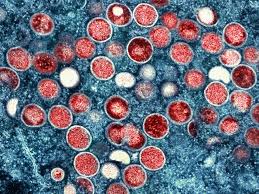
Mpox is a viral disease similar to smallpox, transmitted through close contact. It causes fever, rash, and swollen lymph nodes, and can be severe in children and immunocompromised individuals.