

The Nigeria Hydrological Services Agency (NIHSA) has called for the adoption of data-driven flood communication and enhanced early warning systems to reduce humanitarian and economic losses as flood risks intensify across the country.
The agency said prioritising water intelligence and the timely dissemination of hydrological data is critical to protecting vulnerable communities, infrastructure, and livelihoods ahead of the rainy season.
The call was made during a high-level engagement in Lagos, South-West Nigeria, where NIHSA, in partnership with GMetrix Nigeria Limited, urged increased public awareness, policy adoption, and investment in hydrological data systems.
READ ALSO: Nigeria Reviews Policy Framework on Erosion and Flood Control
The event brought together key stakeholders across the sector and focused on bridging the gap between scientific data and real-world action, a challenge experts said continues to result in the loss of lives, farmlands, and property annually.
Move Beyond Reports
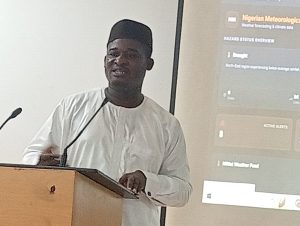
According to the Chief Executive Officer of GMetrix Nigeria Limited, Abdullah Abubakr Kamba, Nigeria is not lacking in data but continues to lag in its utilisation.
“We have reached a point where generating reports is no longer enough.
“The real challenge is ensuring that this data influences decisions at the community level. Hydrological intelligence must move from technical documents into the hands of people who need it most: farmers, urban planners, and local authorities,” he explained.
READ ALSO: NIHSA Issues New Flood Alert for Nigerian Communities
Kamba emphasised that technology-driven platforms can help translate NIHSA’s complex datasets into accessible, real-time tools for everyday Nigerians.
“We see a future where a farmer in Kebbi or a trader in Makurdi can receive flood alerts directly on their phone and act immediately. That is how we save lives, not just by predicting disasters, but by making those predictions usable,” he analysed.
Flooding Is a National Priority
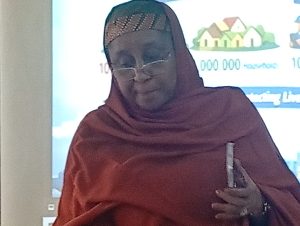
Also addressing attendees, an Assistant Director at NIHSA, Hajiah Hadiza Aminu, underscored the growing urgency of the agency’s mandate in the face of climate change.
“Flooding in Nigeria is no longer a seasonal inconvenience; it is a national security concern,” she warned.
READ ALSO: Nigeria’s Agency Announces New Flood Risk Zones
“Every year, we release the Annual Flood Outlook, backed by rigorous data and analysis. But the effectiveness of that effort depends on whether institutions and communities act on it,” the Assistant Director explained.
Referencing recent flood disasters across the country, Aminu cautioned that early warning systems are only as effective as the response they trigger.
“We can predict where floods are likely to occur with increasing accuracy. What we need now is stronger collaboration. State governments, emergency agencies, and the public must take ownership of preparedness,” she emphasised.
A Narrowing Window
Nigeria has witnessed some of its worst flooding in recent history, with entire communities submerged, farmlands destroyed, and thousands displaced. Experts attribute this to climate change, poor urban planning, and inadequate drainage infrastructure.
Within this context, NIHSA has continued to play a critical role by monitoring rivers, rainfall patterns, and groundwater systems nationwide while issuing early warnings designed to prevent disasters.
However, a persistent challenge remains low public awareness, as many Nigerians are still unaware of NIHSA’s forecasts or fail to act on them promptly.
READ ALSO: Stakeholders Call for Stronger Investment in Climate Action
Turning Awareness into Action
Both speakers called for stronger collaboration to transform hydrological data into actionable knowledge and to ensure early warning systems are trusted, accessible, and widely adopted.
Participants at the event stressed the need for risk communication strategies that resonate with everyday Nigerians, making flood warnings relatable and actionable for affected communities.
They added that as environmental risks intensify, collaboration between public institutions and private-sector innovators such as GMetrix Nigeria Limited is critical to building national resilience.