

Health experts have called for more consistent and timely release of immunisation funds in Nigeria.
They said while efforts to reduce the country’s zero-dose burden are ongoing, improved funding stability would further strengthen vaccine planning and enhance progress.
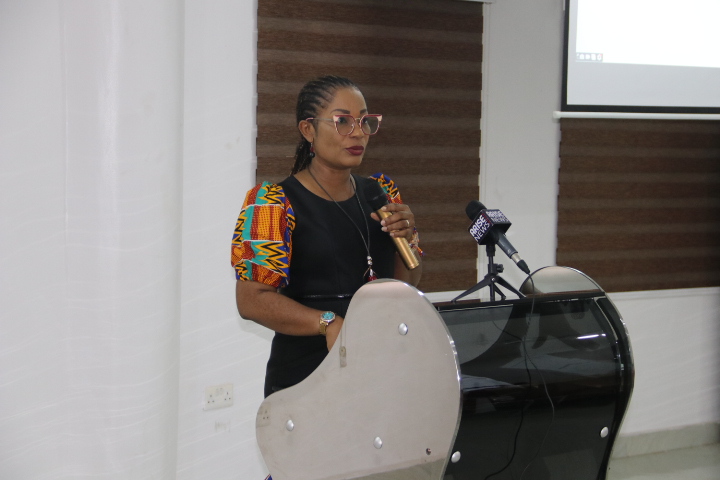
The warning came during a high-level multi-stakeholder engagement on immunisation financing convened by the Vaccine Network for Disease Control (VNDC) under the PREACH Project, funded by Gavi.
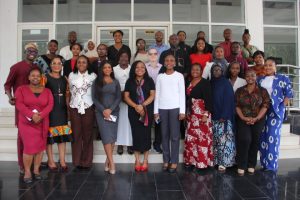
Stakeholders at the meeting said repeated partial disbursements ranging between 10 and 30 per cent from 2023 to 2026 are disrupting vaccine procurement, distribution, and overall system stability.
Speaking at the meeting, the Head of Programmes at VNDC, Mrs Chika Nwankwo, said the current release pattern has made planning for immunisation “difficult and unsustainable” for programme managers.
“This fire brigade approach is not sustainable,” she stated.
Mrs Nwankwo explained that while budget approvals are usually secured, delays in cash release remain the biggest bottleneck affecting service delivery.
“Appropriation is not the problem; the problem is timely release. If funds are not released on time, vaccines cannot be purchased, and when vaccines are not purchased, there will be a stock-out,” she said.
Nwankwo noted that Nigeria has already experienced vaccine stock-outs in the past, that emergency interventions were required in some cases to stabilise supply.
“We were already having a stock-out. It was after our intervention that about 30 per cent of the 2025 immunisation fund was released, but that is not sustainable,” she said.
Coordinated Financing System
The Head of Programmes called for a more predictable and coordinated financing system across all levels of government to ensure continuous vaccine availability.
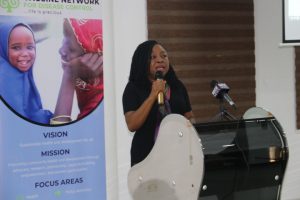
Also speaking, Chief Executive Officer of VNDC, Dr Chika Offor urged the government to urgently release outstanding immunisation funds, warning that continued delays are worsening Nigeria’s zero-dose challenge.
“What we need in Nigeria right now is for the government to release vaccine funds so that we can buy vaccines that are very important to save the lives of our children and reduce zero dose,” she said.
Dr Offor revealed that while about ₦231 billion was appropriated for immunisation, only ₦68 billion has been released so far, leaving a significant funding gap.
She also noted that more than eight million children are born annually in Nigeria and require routine immunisation, alongside other vulnerable groups.
Similarly, UNICEF Health Manager for Immunisation in Nigeria, Dr Sheikh Kabir said funding and accountability challenges persist, but stressed that delayed disbursement remains a major obstacle.
“The issue is not always appropriation; it is the disbursement. Funds are sometimes delayed or inadequate, and that affects procurement,” he said.
He added that Nigeria requires over $150 million annually for vaccine procurement to sustain immunisation programmes nationwide, calling for more efficient release processes to prevent disruptions in supply chains and improve routine immunisation coverage.