Home Blog Page 492

President Tinubu Restates Commitment To Address Security Challenges

0

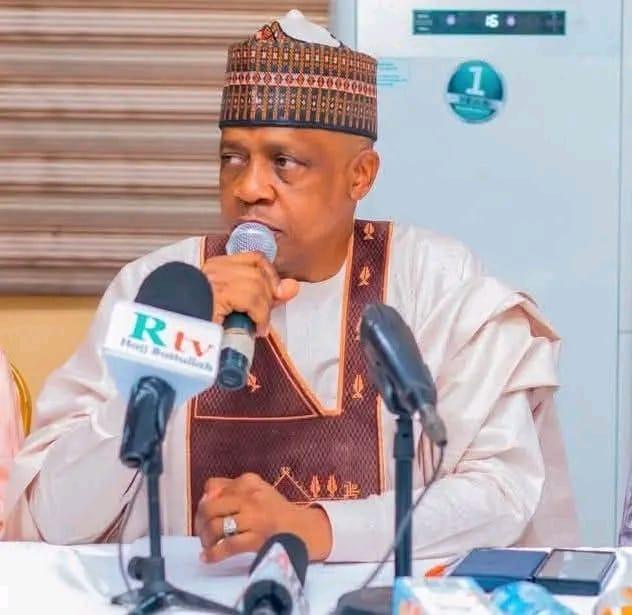
Vice President Kashim Shettima says President Bola Tinubu has remained steadfast in tackling security challenges in Nigeria and is acting quickly and decisively to address all security concerns frontally.

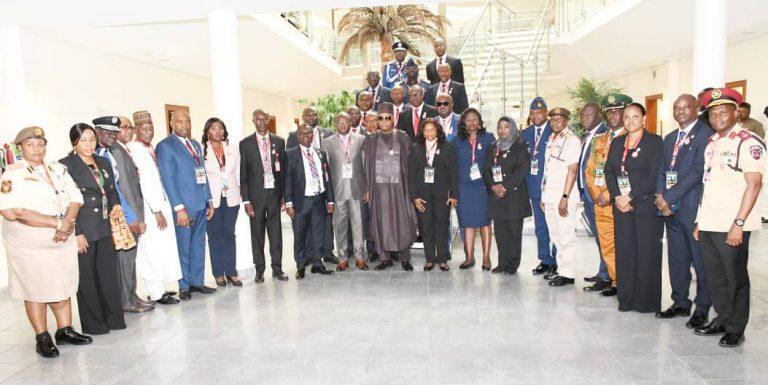
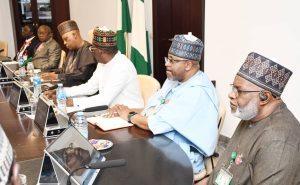
The Vice President stated this on Tuesday when the faculty and participants of the Executive Intelligence Management Course (EIMC) 18 of the National Institute for Security Studies (NISS) visited him at the Presidential Villa, Abuja, the nation’s capital.
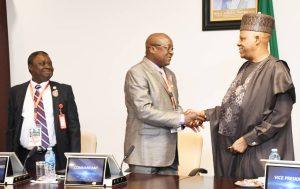
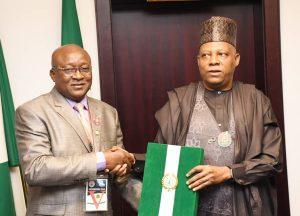
The Vice President, who received the report on behalf of the Nigerian leader, added that the Tinubu administration is determined to support the security establishment in Nigeria and beyond to enable them to discharge their responsibilities to the nation.

Led by the NISS Commandant, Mr Joseph Odama, representatives of the 78 participants were at the Presidential Villa to present the executive brief of their end-of-course report to the President.

Speaking on the significance of the programme, which had participants drawn from ministries, departments and agencies within Nigeria and beyond, the vice president said he was impressed with the composition of the EIMC 18, noting that “The security of Africa is a collective responsibility of all stakeholders given the peculiarity of the situation.”
He said, “President Tinubu is working round the clock to address concerns in the security sector. It is absolutely essential that we fuse as one to address these issues and all hands must be on deck to salvage the situation.”

The high point of the occasion was the presentation of the report titled, “Non-state Actors in Security Management in Africa: Issues, Challenges and Prospects for Peace and Development.”

Recommendations 

Among recommendations made by the participants was the formal harmonisation and integration of a country-based security initiative as part of a broad strategy to strengthen the existing legal framework for peace and conflict resolution across Nigeria and Africa.
Earlier, the Commandant of the NISS, Joseph Odama, told the Vice President that the 18th edition of the flagship programme, EMIC 18, commenced on February 19, 2025, pointing out that it had “been a ten-month journey of intense intellectual discovery, strategic broadening and unparalleled professional fellowship.”

Noting that this year’s team was composed of 78 distinguished participants of the rank of Deputy Directors and above, Odama said they “were meticulously drawn from the military, para-military, law enforcement agencies and strategic ministries, departments and agencies of both federal and state governments.

“In significant testament to our pan-African mandate, we were privileged to host five African countries, which had earlier been mentioned. With the graduation of the AIMC 18, the institute has proudly graduated 1,130 strategic leaders.

“These are men and women who have been rigorously equipped to think critically and act decisively, as well as proffer innovative solutions to the most complex security and developmental challenges facing our nation and the continent at large,” he said.

The Commandant expressed the institute’s deepest appreciation to President Tinubu and the Vice President for their visionary and pragmatic leadership, saying the Renewed Hope Agenda under the President’s stewardship was already manifesting in tangible progress across the nation.


Buratai Commends Nigeria’s Military Intervention in Benin

0

Nigeria’s swift military intervention to quell a coup attempt in the Republic of Benin has been hailed as a “masterstroke of preventative security” and a demonstration of decisive strategic capacity.

Lt General Tukur Yusuf Buratai (Rtd), a former Chief of Army Staff, General Tukur Buratai, stated in a statement to the media, including Voice of Nigeria.

The former military leader commends the operation as “preventative security”, while explaining the distinct challenges of asymmetric warfare at home.

The operation, authorised by President Bola Tinubu at the formal request of the Beninese government, successfully safeguarded democratic order and averted regional instability through the rapid deployment of the Nigerian Air Force and ground forces.

In his assessment, General Buratai framed the mission as a textbook example of successful conventional military engagement.
 “The operation in Cotonou was a classic, conventional military engagement against a clear and contained enemy,” Buratai stated.

 “This type of mission plays directly to the established strengths of a national military: superior firepower, air dominance, and disciplined infantry.”

He argued that comparing this swift success to Nigeria’s protracted internal security battles is a misdiagnosis of two fundamentally different conflicts.

According to Buratai, the fight against domestic banditry and insurgency is a “complex, asymmetric war” against fluid, non-state actors embedded within local communities, requiring long-term strategies blending intelligence, policing, and development.

“Praising the efficiency in Benin does not criticise the pace at home,” he clarified.
“It merely acknowledges that they are different battles entirely.”

Crucially, General Buratai emphasised the national security imperative behind the intervention.

He described it as an act of “enlightened self-interest”, noting that a successful coup in Benin would have directly threatened Nigeria’s western flank.

“A successful coup… would have catastrophically compounded our existing security challenges,” he analysed.

“By acting decisively, [the President] prevented a dangerous wildfire in the adjoining field from spreading to our own compound.”

The former Army Chief concluded that the operation proves Nigeria possesses the political will and military capability for decisive action when faced with a clear, conventional threat.

He stressed that the same clarity of purpose must now be rigorously applied to the intricate, long-term project of domestic security, where success hinges on tools “extending beyond the battlefield.”

The decisive action in Benin has been widely commended by regional bodies, including ECOWAS, which reaffirmed its principle of zero tolerance for unconstitutional changes of government.

Film Festival: China Celebrates Asian Cinema, African Civilisation

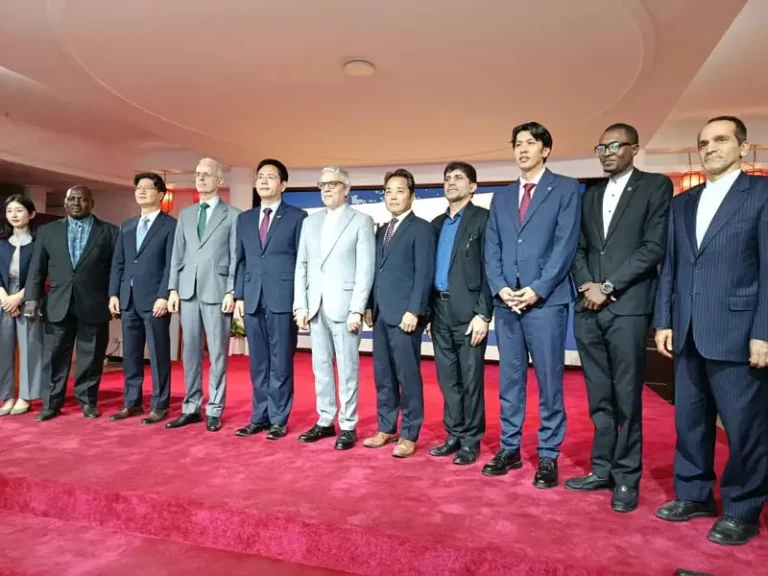
A Cultural Counselor at the Chinese Embassy in Nigeria and Director of the China Cultural Center, Yang Jianxing, has described the Asian Film Festival as a historic platform designed to strengthen ties between Asian and African civilizations.

Jianxing made the remark during the opening of the 7th Asian Film Festival 2025 held on Tuesday in Abuja.

He said; “Culture is our nourishment, and film is a vital part of that culture a medium through which we can understand the way of life of people from other countries.”

“I can say that we are the same, but a little different lifestyles, due to the way we express ourselves by ensuring that we know ourselves in our society and today’s world,” he said.

Jianxing said this event will create a good opportunity for great and friendly Nigerian people for Asian countries to know the type kind of cultures the Asian countries have.

READ ALSO: Nigeria, China Deepen Partnership in Rail Technology Development

“First of all, I have to express my gratitude to all ambassadors, esteemed embassies and countries. This year is the seventh edition of the Asian Film Festival and every year your embassy is very passionate about gathering Asian countries to show Asian beauty.

“We want to say thank you to Korea embassy and KCCN for the great work they are doing in the background as well as their short movie.”

“The Chinese embassy and the China Culture Center are going to showcase a very humorous film just like you watched .

“The film is a very good symbol for the culture exchange, because the director and the actors are from China, but we used some Korean ideas,” Jianxing explained.

He noted that Chinese society and the other Asian country societies and everyone present could through the event feel the beauty of their friendship.

Mr Kozaki Hitoshi, Charge D’ Affaires, Embassy of Japan, said that Asians produced a wide range of its cinematic works, rooted in its long history and culture.

“Asian Film Festival is held here in Nigeria where the film industry is highly developed and knowledge has gained attention on the global stage.

“It provides an excellent opportunity for everyone to experience cinematic cultures, cultures of Asia that deepen future understanding.

”I hope as many resilient friends as possible should become more familiar with Asian films and develop a deeper interest in Asia’s diverse cultures through this film festival,” he said.

Mr. Jeon Juho, Director of the Korean Cultural Centre in Nigeria (KCCN), described the festival as a platform that promotes deeper understanding through cross-cultural experiences presented in Asian cinema.

He recalled that the first Asian Film Festival was held on July 3, 2017, noting that participants have sustained the event over the years because of their shared appreciation for culture and common values.

According to him, this cultural connection is reflected not only in Asian societies but also in their films.

Speaking further, Juho said, “This year, Korea’s entry, ‘The Way Home,’ is a gentle and heartfelt film that beautifully portrays rural culture and universal family bonds. It has earned both domestic and international acclaim.”

He said that all the films featured this year tell powerful, character-driven stories about family, connection, and personal growth, each presented through the unique cultural lens of their respective countries.

He said; “Whether set in bustling cities or quiet villages, these stories offer more than entertainment.

“They open windows into people’s lives, struggles, dreams, and hopes reminding us that, ultimately, we all share similar aspirations.”

Juho also commended Yang Jianxing for voluntarily offering the Chinese Cultural Center as the venue for the 2025 Asian Film Festival.

In his remarks, Mr. Gholamreza Mahdavi Raga, Ambassador of the Islamic Republic of Iran to Nigeria, said the festival celebrates not only cinema but also cultural dialogue, mutual understanding, and friendship among nations.

He praised the participating countries China, Japan, the Republic of Korea, and Turkey for their meaningful contributions, noting that their involvement has made the festival a truly international cultural event.

Raga explained that the festival, originally established through an initiative of the Islamic Republic of Iran, represents a successful collaborative effort among Asian nations.

He emphasized that culture and art are universal languages, with cinema holding a special place among them.

Raga said; “Film has a unique power to tell stories that transcend borders, languages, and politics….Through cinema, we see the world through others’ eyes and understand how interconnected we are as human beings. Films reflect societies, express human emotions, and build bridges of understanding.”

He added that in a world that increasingly needs dialogue, empathy, and peace, cultural events like this festival help break down barriers, strengthen mutual respect, and bring cultures closer.

He expressed gratitude to the organisers, partners, sponsors, filmmakers, and the audience, hoping the festival inspires new perspectives, deeper friendships, and sustainable cultural cooperation.


NAN/Oluchi

Gombe State Affirms Provision of Child Supplements in 2026

0

Gombe State has says there will be no stock-out of child nutrition supplements in 2026, following Governor Muhammadu Inuwa Yahaya’s payment of ₦500 million in counterpart funding.

The State Nutrition Officer, Muhammad Bawa, disclosed this during a media engagement organised by the Gombe State Primary Health Care Development Agency.

Mr. Bawa said; “the combined funding from the state government and UNICEF, under the Accelerated Nutrition Results in Nigeria initiative, would ensure adequate provision of Small Quantity Lipid-Based Nutrient Supplements, SQLNS, Ready-to-Use Therapeutic Food, RUTF, albendazole tablets, Vitamin A supplements and micronutrient powder.

“These interventions are all essential nutrition services designed to improve the wellbeing of communities across Gombe State,” he said.

Mr. Bawa said that, “Routine immunisation and Child Health Week activities remain critical in protecting children from vaccine-preventable diseases such as measles, yellow fever and hepatitis.

“All the services are offered free of charge at all the 114 wards of the 11 LGAs, through government and partner support. Maternal, Newborn and Child Health Week Begins 13 December.”

He said; “the forthcoming round of the Bi-Annual Maternal, Newborn and Child Health Week, MNCHW, is set to be flagged off in Swa Ward of Balanga Local Government Area, with full implementation running from Saturday, 13 December to Wednesday, 17 December and would be integrated with the Supplementary Immunisation Plus Days.”

The two rounds each year is held with the first implemented in May/June, while the second round, is usually scheduled for December.

The Gombe State Nutrition Officer said during the week, children aged six to 59 months would receive Vitamin A supplementation.

The blue capsule (100,000 IU) is for children aged six to 11 months, while the red capsule (200,000 IU) is for children aged 12 to 59 months.

“Deworming tablets will also be administered, Children aged 12–23 months: 200 mg (half tablet), Children aged 24–59 months: 400 mg (full tablet), expectant mothers will receive antenatal care, including multiple micronutrient supplements, folic acid and fersolate,” Mr. Bawa said.

He said children aged 9 to 59 months would also be screened for malnutrition and classified into three categories: Severe Acute Malnutrition, SAM, Moderate Acute Malnutrition, MAM and well-nourished.

“SAM cases will be referred to Outpatient Therapeutic Centres and treated with RUTF. MAM cases will be managed at facility nutrition corners, where mothers and caregivers will receive counselling on complementary feeding to prevent deterioration to SAM. Well-nourished children will receive continued guidance on maintaining proper nutrition,” Mr. Bawa said.

According to him, Small Quantity Lipid-Based Nutrient Supplements are used to prevent children from slipping from good nutritional status or MAM into severe malnutrition, while the Ready-to-Use Therapeutic Food is used for treat SAM.

Mr Bawa said; “the interventions would be carried out across all 114 wards of the state, with each ward hosting two operational health facilities throughout the five-day exercise.”

In addition, Mama-to-Mama support agents will move through communities to provide Vitamin A and deworming tablets to eligible children and that Health education on proper household hygiene and routine immunisation would also form part of the week-long activities.

NDDC Boss Receives Award For Development Drive

The Managing Director of the Niger Delta Development Commission (NDDC) in Nigeria, Dr Samuel Ogbuku, has been nominated for the Public Servant of the Year Award in recognition of his efforts to foster peace and drive development across the Niger Delta region.

The announcement was made during a courtesy visit by the New Telegraph leadership team to the NDDC headquarters in Port-Harcourt, the state capital, where they formally presented the nomination to the Commission’s Chief Executive Officer.

Accepting the honour, Dr Ogbuku expressed gratitude for the recognition, noting that it reflects the collective achievements of the Commission under his leadership.

“We accept the award, and we say thank you for this recognition. This is not the first award we are receiving, as we have had several awards in areas of revolutionising and transforming the Niger Delta,” he stated.

He stressed that the progress recorded by the NDDC aligns with the development priorities of President Bola Tinubu. According to him, the Commission’s Board and Management remain guided by the President’s Renewed Hope Agenda, supported by the oversight of the Minister of Regional Development, Engr. Abubakar Momoh and the National Assembly.

“Mr President has given us all we need to succeed,” he added.

Dr Ogbuku highlighted key achievements that influenced the nomination, including the Light-Up-the-Niger-Delta Project, the distribution of 45,000 U-Lesson tablets to schoolchildren, and extensive youth empowerment programmes.

He disclosed plans for a six-month training programme for 1,000 youths in Compressed Natural Gas (CNG) in Akwa Ibom State, the southern part of the country, with modalities currently being finalised.

“We are focused on the next chapter. We are taking roads and water to inaccessible communities in the region,” he said.

He emphasised that the award is not solely for the NDDC but acknowledges the support of the Presidency, the National Assembly, and stakeholders across the region.

“This honour and recognition are a charge to do more. We do not take it for granted,” he affirmed.

In his remarks, Mr Ayodele Aminu, Managing Director and Editor-in-Chief of the New Telegraph, commended Ogbuku’s leadership, noting that the newspaper’s Board of Editors and Panel of Judges unanimously selected him for the award.

He cited Ogbuku’s strides in accountability, youth empowerment, the Light-Up-the-Niger-Delta initiative, and broad infrastructural development as major considerations.

The New Telegraph 2025 Awards Ceremony is scheduled to be held on February 13, 2026, in Lagos, where Dr Ogbuku will be formally honoured.


Shippers Council Launches Digital Platform For Better Services

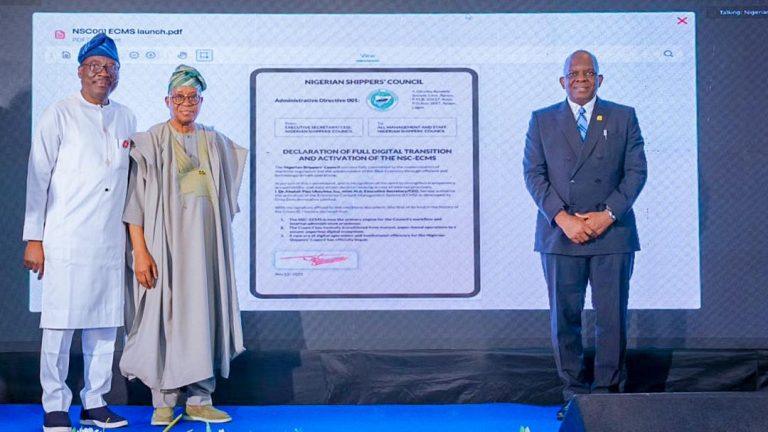
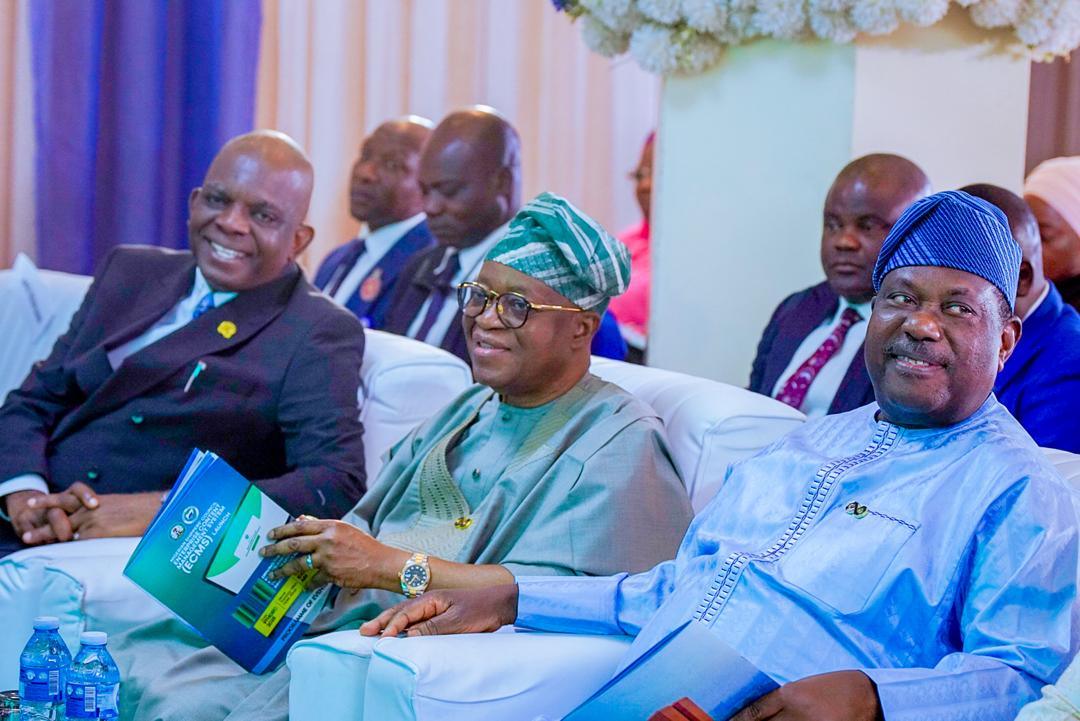
The Nigerian Shippers Council has unveiled its digital platform, the “Enterprise Content Management System (ECMS), for better service delivery in line with the presidential directive on digitalisation of administrative operations for Ministries, Departments and Agencies.

The Enterprise Content Management System (ECMS) is a digital platform that helps the NSC securely store, manage, and easily access all its documents and information.

Speaking at the unveiling ceremony in Abuja, Nigeria’s capital, Executive Secretary and Chief Executive Officer of NSC, Dr Akutah Ukeyima, said the ceremony is a transformative moment in the organisation as it is a decisive step toward building a paperless, efficient, and digitally empowered regulatory organisation.

He said the ECMS will help NSC function better as a regulatory agency and offer better service delivery to the general public.

“While it is not targeted at external stakeholders, it is an essential enabler of better service delivery to them. By improving the speed, accountability, and transparency of our internal processes, we are strengthening the foundation of our regulatory role within the maritime and blue economy sector.

“The system provides automated workflows, secure digital approvals, a unified archive of documents, and real-time performance dashboards. These features will ensure that tasks are executed promptly, responsibilities are clearly tracked, and information is safeguarded and easily accessible.”

While appreciating the staff of the agency for putting in the work to ensure the ECMS is a reality, he said the launch is in response to the presidential directive and the Head of Service’s mandate for all MDAs to fully digitise administrative operations by the end of 2025.

“We are proud to be among the early adopters demonstrating that this transition is not only possible but essential,” he noted.

In his address, the Minister of Marine and Blue Economy, Dr Adegboyega Oyetola, described the event as an important milestone in Nigeria’s journey towards a modern and technology-driven maritime administration.

He noted that digital transformation is central to the Ministry’s strategy to reposition Nigeria as a competitive and efficient maritime nation, fully aligned with the demands of a fast-evolving global trade environment.

Dr Oyetola explained that while the ECMS is an internal workflow and records management tool, its impact will extend far beyond administrative routines by improving service delivery, reducing delays, and enhancing the Council’s capacity to deliver predictable and transparent regulatory interventions.

“With automated workflows, secure approvals, centralised information management, and real-time task tracking, the ECMS will significantly reduce turnaround times and ensure that the Council’s interventions are timely and professionally executed.

This transformation aligns seamlessly with the Ministry’s broader agenda of improving port performance, reducing inefficiencies, and enhancing Nigeria’s competitiveness in regional and global trade.”


Nigeria, Thailand Deepen Bilateral Cooperation

0

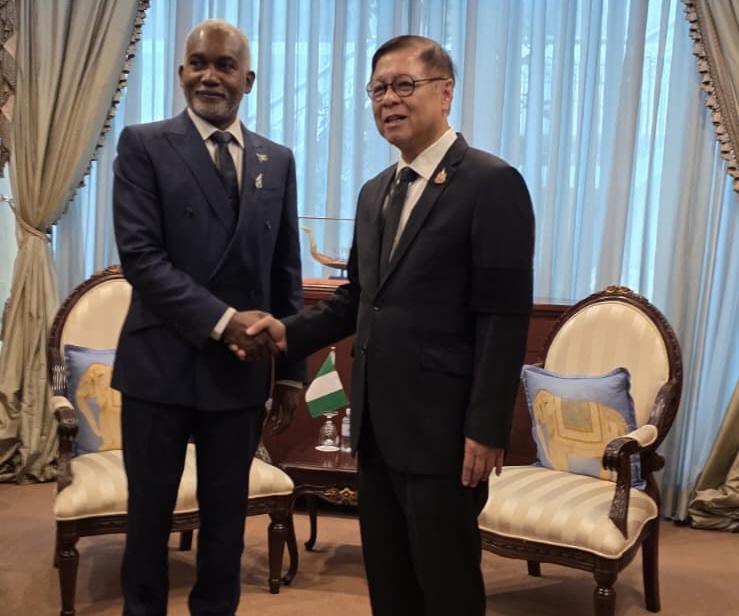
Nigeria and Thailand have reaffirmed their commitment to strengthening bilateral relations during a meeting between the Minister of Foreign Affairs, Ambassador Yusuf Tuggar, and Thailand’s Minister of Foreign Affairs, Mr. Sihasak Phuangketkeow.

In a statement issued by the spokesperson of the Ministry of Foreign Affairs, Kimiebi Ebienfa, the meeting took place on the margins of the relaunch of the Thailand–Africa Initiative (TAI) in Bangkok.

Ambassador Tuggar congratulated his Thai counterpart on his recent appointment and extended condolences on behalf of Nigeria for the passing of Her Majesty The Queen Mother and for the victims of recent natural disasters in Thailand.

He praised the cordial relations between both countries and underscored Nigeria’s readiness to elevate the partnership to a strategic level spanning political, economic, cultural, and security cooperation.

Both sides noted ”the positive results of previous high-level engagements and agreed to sustain momentum through more frequent reciprocal visits.”

Ambassador Tuggar welcomed Thailand’s renewed outreach to the African continent through the Thailand–Africa Initiative, proposing collaborative projects that align with Nigeria’s national development priorities.

He also encouraged deeper ASEAN–ECOWAS cooperation, expressing Nigeria’s long-term vision for an eventual ASEAN–ECOWAS Summit.

Discussions highlighted the need to expand trade beyond traditional commodities such as Nigeria’s crude oil exports and Thailand’s rice and machinery exports.

Nigeria’s Minister proposed new areas of diversification, particularly in agro-processing, manufacturing, energy, and renewable technologies.

He also identified opportunities for defence industry collaboration, technology transfer, and investment in ICT and agricultural value chains, noting Nigeria’s strong incentives and access to a large consumer market.

Ambassador Tuggar commended Thailand’s scholarship programmes and capacity-building initiatives for Nigerian students and professionals, calling for their expansion.

He praised the ongoing Sustainable Agricultural Technology Development Project and encouraged both countries to scale up activities, deepen research collaboration, and jointly explore innovative approaches to sustainable farming.

The Ministers reaffirmed their shared commitment as BRICS partners and explored opportunities for reciprocal support within multilateral frameworks.

Nigeria emphasised the need for enhanced cooperation in tackling transnational crime, proposing intelligence-sharing mechanisms and joint training efforts.

Regional and global issues also formed part of the discussions, with Nigeria providing perspectives on developments in the Sahel, the situation in Myanmar, and stability along the Thailand–Cambodia border.

Ambassador Tuggar urged the swift conclusion of several pending bilateral agreements in areas including trade, investment, agriculture, education, and cultural exchange.

He reiterated Nigeria’s interest in establishing a Joint or Bi-National Commission to provide an institutional mechanism for sustained engagement.

Both sides also underscored the importance of enhanced consular cooperation, including better protection for Nigerian nationals, streamlined visa procedures, and reciprocal facilitation for Thai citizens.

Ambassador Tuggar further proposed closer collaboration between the Thailand International Cooperation Agency (TICA) and relevant Nigerian institutions, with potential pilot programmes in rural development, entrepreneurship, and SME empowerment.

He reaffirmed Nigeria’s commitment to deepening ties with Thailand and extended an invitation for reciprocal visits.

Head of Service Commends Shippers Council on Digital Migration

The Nigerian Shippers’ Council has been commended by the Head of Service of the Federation for being the first government agency to comply with the presidential directive on digitalisation of government establishments in the country.

The Head of Service of the Federation, Mrs Didi Walson-Jack, gave the commendation at the unveiling of the Nigerian Shippers’ Council Enterprise Content Management System (ECMS) launch in Abuja, Nigeria’s capital city.

Mrs Walson-Jack said the future of trade facilitation, regulation, safety and competitiveness and the Nigerian Shippers Council is taking the lead.

She noted that the timeline given to all ministries, departments and agencies on digital migration is sacrosanct.

“The future of the marine and blue economy is digital. The future of public service administration is digital. The future of trade facilitation, regulatory efficiency, safety, competitiveness, and revenue optimisation is unquestionably digital. This is the global truth, and the Nigerian Shapers Council, under your current leadership, Honourable Minister, has taken a decisive step to secure that future.

“Digital innovation is no longer a luxury reserved for advanced economies. It is a defining infrastructure of national growth. It is the single most powerful equaliser available to developing nations, enabling them to leapfrog traditional constraints and embrace efficiency, transparency, and accountability.

“In the public service, we are moving decisively in this direction through the Federal Civil Service Strategy and Implementation Plan 2021-2025. Incidentally, that plan comes to an end this year, and therefore, the timeline given for all ministries and extra-ministerial departments to go paperless remains sacrosanct,” she added.

While emphasising the efficiency of digital operations, Mrs. Walson-Jack said with the launch of the ECMS, the Nigerian Shippers Council has proven to investors that it is ready to run at global speed.

“Without digital systems, port operations become inefficient. Without digital systems, compliance becomes porous. Without digital systems, revenue is weak. Internal revenue becomes weak. And without digital systems, competitiveness declines. The launch of the ECMS today is not simply a technological deployment.

“It is a declaration that Nigeria will no longer tolerate inefficiencies that hinder growth. It is a statement to investors and maritime operators that the Nigerian Shippers’ Council is ready to run at the speed of global relevance.”

ECMS Tool 

The Secretary to the Government of the Federation, Senator George Akume, emphasised that the ECMS is a sophisticated tool designed to eliminate the kind of delays experienced with paper-based processes.

“Let me emphasise an important point: the ECMS is not an external-facing service platform. Rather, it is a sophisticated internal tool designed to eliminate the inefficiencies, delays, and opacity that often accompany paper-based processes and manual workflows. By strengthening internal coordination, documentation integrity, and operational transparency, the system will greatly enhance the Council’s overall regulatory effectiveness and the quality of service ultimately delivered to stakeholders.”

He added that the ECMS will ensure accountability and enable the Council to reflect global practices and respond to industry challenges fast.

“The system’s audit trails, secure approval processes, workflow automation, and centralised document repository reflect global best practices. These features will ensure greater accountability, reduce discretionary bottlenecks, and enable the Council to respond to industry challenges with speed and precision.”

The digital migration of the Nigerian Shippers Council is seen as a move to optimise smooth operations in the agency and also guarantee maximum service to the general public.


Hajj 2026: Sokoto Extends Payment Deadline For Pilgrims

0

The Sokoto State Pilgrims Welfare Agency has extended the deadline for intending pilgrims who have made initial deposits to complete their Hajj fare payments.

The Executive Chairman of the Agency, Aliyu Musa, announced this during a meeting with Assistant Hajj Registration Officers from the 23 Local Government Areas held in his office.

Aliyu Musa further urged intending pilgrims who wish to make full payment for the 2026 Hajj to take advantage of the new window of opportunity.

READ ALSO: Sokoto Closes 2026 Hajj Fare Payments for Pilgrims

The new deadline is Friday, 12th December, as announced by NAHCON. Use the advantage to complete your payments before the deadline expires,” he urged.

He explained that, unlike in previous years, the National Hajj Commission of Nigeria (NAHCON) has introduced new guidelines for the airlift of pilgrims, in line with updated Saudi Arabian Hajj regulations.

According to him, the Saudi Ministry of Hajj and Umrah has unveiled a new boarding and group travel system for 2026 pilgrims, in which each ticket will be digitally linked to the Nusuk card.

He added that these cards will be pre-positioned on designated buses that convey pilgrims to their accommodations in Makkah and Madinah.

Pilgrims will be required to remain in the same groups under which their visas were processed. Each group, consisting of 45 pilgrims, will travel, lodge, and return together, with no regrouping allowed after visa processing.

” In addition, all pre-arrival data must be uploaded to the Nusuk Masar platform at least 72 hours before departure.

“Any pilgrim who fails to board after being ticketed will be marked as a no-show and may be liable for the cost of the unused seat,” he noted.

The Executive Chairman revealed that the ministry has also introduced a mandatory boarding card to be issued before take-off, containing all accommodation, travel, and group information.


Nigeria, Canada Reinforce Strategic Bilateral Partnership

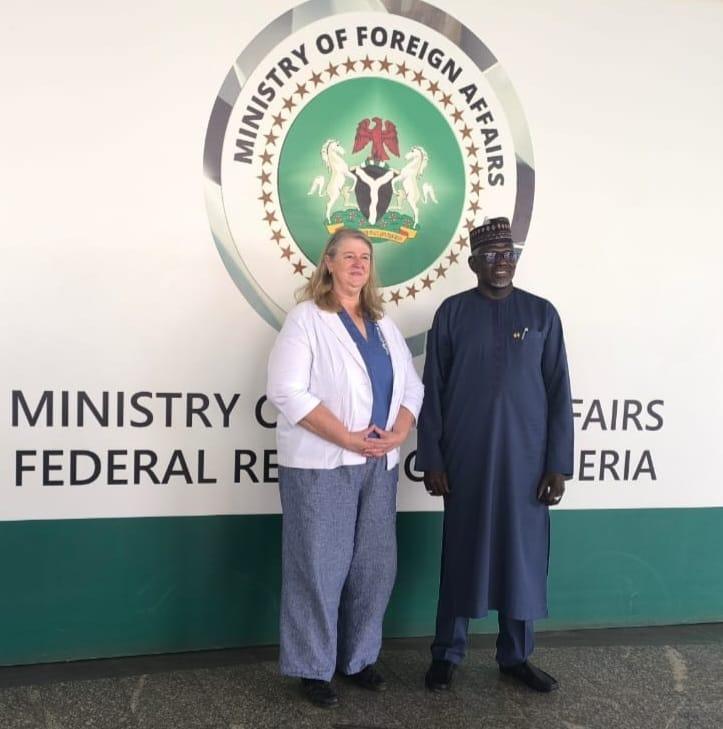
Nigeria and Canada have reaffirmed the strength of the longstanding Nigeria–Canada partnership and explored fresh opportunities for collaboration across trade, security, migration, and cultural exchange.

Spokesperson of the Foreign Ministry of Foreign Affairs, Kimiebi Ebienfa, announced renewed momentum in Nigeria–Canada relations following a high-level meeting.

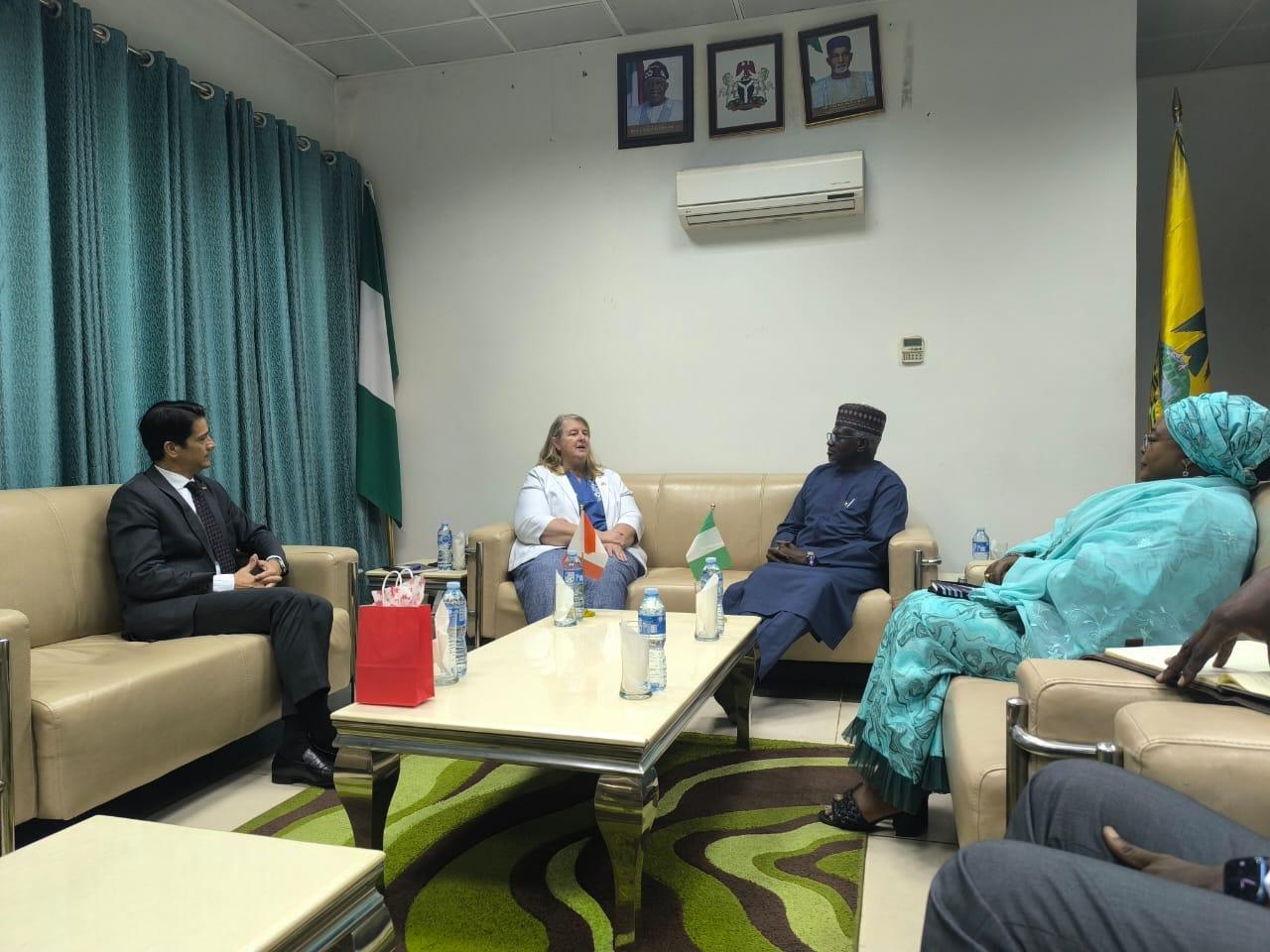
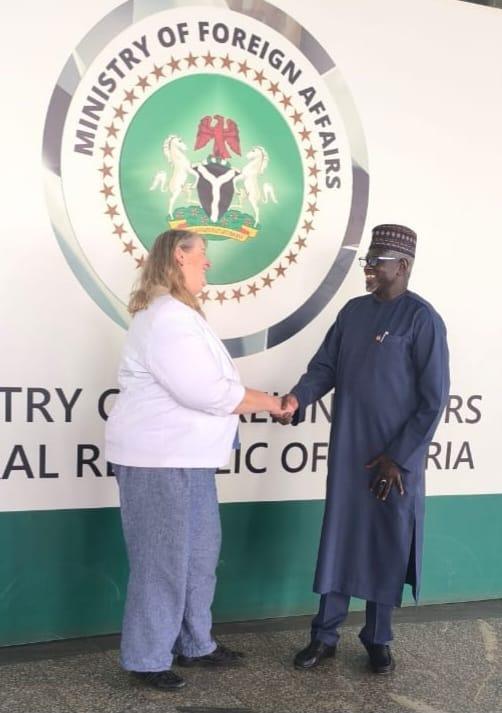
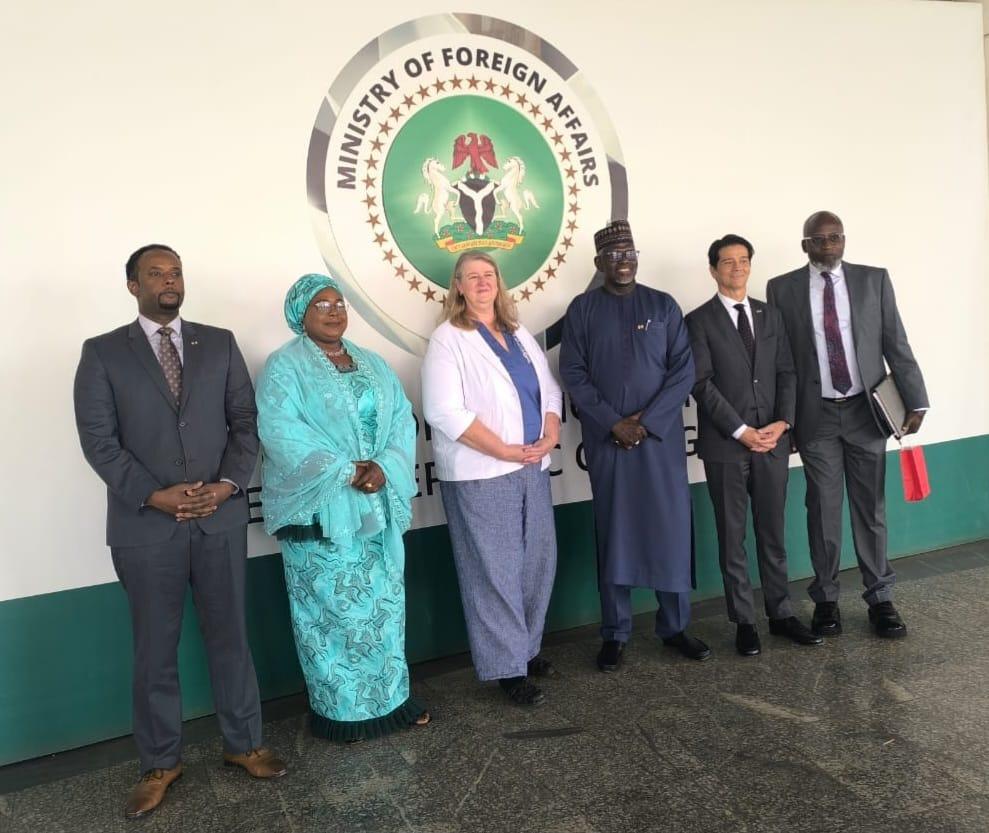
In a statement, Mr Ebienfa noted that the Director of Regions at the Ministry, Ambassador Bukar Hamman, received the Director-General of the West Africa and Maghreb Bureau at Global Affairs Canada, Ms Susan Steffan and her accompanying delegation for strategic bilateral discussions.

The meeting underscored mutual respect and shared priorities.

Ms Steffan described the relationship as “very strong and positive,” noting that the delegation’s visit began in Lagos, an experience she referred to as “a big bang,” reflecting the immense economic potential and dynamic business environment that continues to attract Canadian and Nigerian enterprises alike.

Discussions highlighted the vibrant human connections between the two countries.

With more than 82,000 Canadians of Nigerian origin, Steffan emphasised the enriching contributions of this growing community, alongside the increasing number of Nigerian students and professionals shaping Canada’s economic and cultural landscape.

Trade relations featured prominently, with Nigeria calling for expanded trade volume and both sides expressing optimism about reactivating negotiation instruments and market-opening agreements.

According to Ms Steffan, these agreements would send “a strong market signal” to investors and boost confidence for companies operating across both markets.

The Canadian delegation also referenced recent Nigerian business missions to Canada, from energy exhibitions in Alberta to creative industry showcases in Toronto, as evidence of intensifying commercial synergy.

Migration cooperation was another central theme, particularly the ongoing work on a non-binding Memorandum of Understanding designed to promote structured, mutually agreed migration pathways.

The Canadian envoy reaffirmed Canada’s willingness to continue refining this framework in partnership with Nigerian authorities.

Cultural discussions added a personal dimension to the engagement, touching on traditional Nigerian attire, family histories, and Canada’s evolving demographic landscape.

Ms Steffan noted that Canada’s population has “doubled in recent decades,” largely due to immigration, a transformation that has “significantly changed the country for the better,” deepening ties with nations like Nigeria through dynamic and influential diasporic communities.

The meeting concluded on an optimistic and collaborative note, with both delegations expressing commitment to sustained dialogue, closer cooperation, and strengthening long-term people-to-people relationships.