

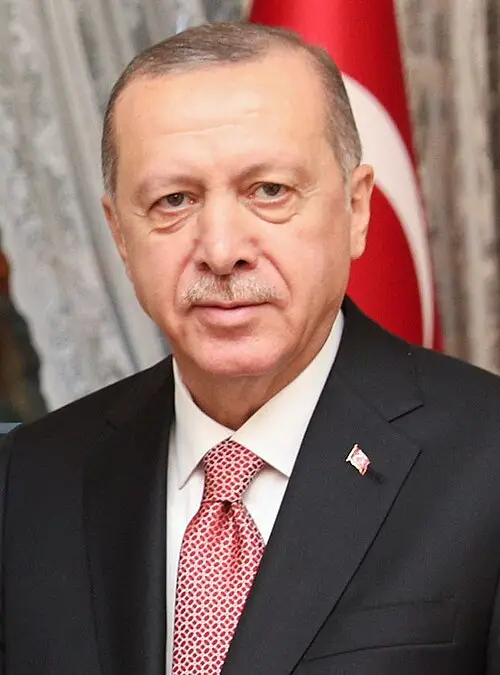
Global leaders and senior officials have gathered in Antalya, Türkiye, for the 2026 Antalya Diplomacy Forum (ADF2026), an annual multilateral meeting focused on addressing global uncertainty.
The three-day conference, which begins Friday in the southern Mediterranean city, is hosted by Türkiye’s Ministry of Foreign Affairs under President Recep Tayyip Erdoğan.
The forum, themed “Mapping Tomorrow, Managing Uncertainties,” focuses on navigating a rapidly changing global landscape.
READ ALSO: World Leaders React to U.S. Attacks on Iran Nuclear Sites
Participants include 20 heads of state and government, 40 foreign ministers, 60 international media representatives, and over 5,000 policymakers, academics, experts, and diplomats from about 150 countries.
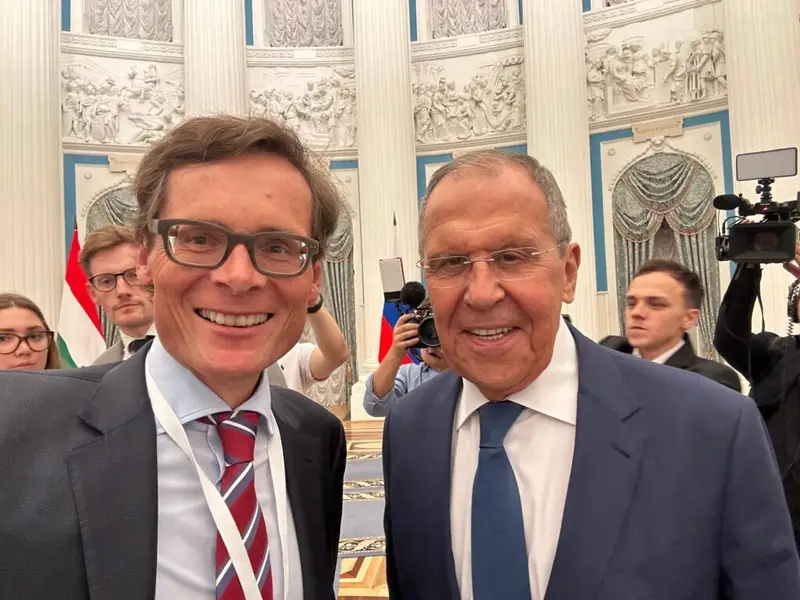
Notable attendees include Russian Foreign Minister Sergey Lavrov, Arab League Secretary-General Ahmed Aboul Gheit, Egyptian Foreign Minister Badr Abdelatty, and UNESCO Director-General Khaled El-Enany.
Launched by President Recep Tayyip Erdoğan in 2021, the forum opens amid a shifting global order marked by weakening traditional alliances and security frameworks.
It is being held against the backdrop of major global tensions, including the U.S.-Israel–Iran conflict, the Russia–Ukraine war, and wider energy security and maritime challenges.
The Antalya Diplomacy Forum serves as Türkiye’s platform to strengthen strategic ties, influence global governance narratives, and promote multipolar cooperation as a counterbalance to Western institutions.
Participants say ADF2026 offers a key space for dialogue amid rapid geopolitical shifts, rising tensions, and global uncertainty.
The forum is also aimed at helping states define their roles in an increasingly fluid international system, beyond simply seeking influence.
“It is a platform for discussion, a tool of Turkish diplomacy, and a direct reflection of Turkey’s foreign policy strategy, based on balancing international powers, engaging with competing parties simultaneously, and combining mediation with active diplomacy.”
“The forum differs from other international gatherings, such as the World Economic Forum and the Munich Security Conference in several ways, especially its flexibility in discussions and not being bound by pre-established scenarios.”
“The forum allows space for multiple viewpoints without imposing a single vision, encourages informal meetings between rival parties, and has previously proven effective in creating channels of communication between conflicting parties,” Dr Mohamed Tharwat, a journalist and diplomatic analyst, said.
NAN