Home Blog Page 320

Nigeria to Integrate Farmers Into Cassava Value Chain Project

0

The Federal Government of Nigeria has commenced moves to empower 14 million smallholder farmers to become key players in the cassava value chain through the Cassava Bioethanol Value Chain Development Project.

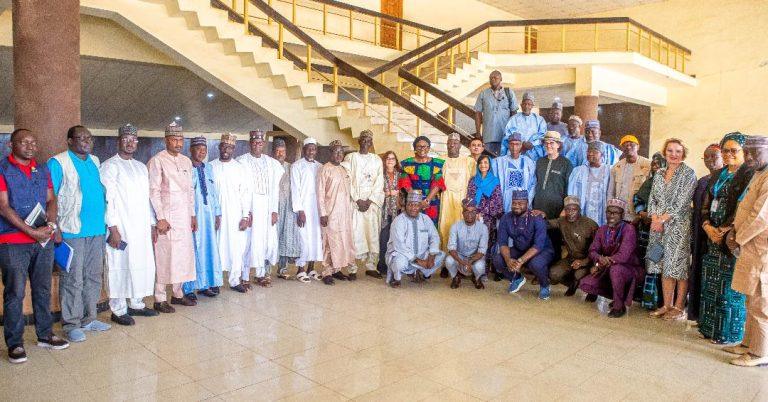
The Minister of Budget and Economic Planning, Senator Abubakar Atiku Bagudu, disclosed this at a capacity-building workshop for stakeholders on the Cassava Bioethanol Value Chain Development Project for the South East zone, held in Enugu, Enugu State.

Senator Bagudu said implementation of the project could enable Nigeria to save over three trillion naira annually in foreign exchange by blending bioethanol with Premium Motor Spirit (PMS), thereby reducing reliance on imported fuel.

He noted that under the National Bio-Economy Policy, the Ministry is committed to promoting a circular economy that goes beyond the production and utilisation of ethanol.

According to the Minister, “We are looking at the entire value chain, from high quality stems and starch to the CO2 captured during fermentation and the animal feeds produced from distillery grains.”

Bagudu explained that the project would utilise the Triple Helix knowledge transfer partnership model to provide high-yield, disease-resistant cassava varieties, drive investment, technology and market access, and create an enabling environment supported by appropriate infrastructure.

The Minister was represented at the event by the Director of Economic Growth, Mr Auwal Mohammed.

While welcoming participants, the Director of Agriculture, Economic Growth Department, Mr Olaifa Alade, said the workshop was designed to improve stakeholders’ capacity for effective project implementation and to lay a solid foundation for a programme positioned at the intersection of industrialisation, energy transition, and rural empowerment.

He assured stakeholders that the Ministry of Budget and Economic Planning is committed to providing the necessary policy support and monitoring framework to ensure the successful transition of the pilot phase into a national success story.

Alade expressed hope that insights gained from the training would catalyse transformation in Nigeria’s agricultural and energy sectors, leading to sustainable national growth.

Participants at the workshop were taken through modules including Nigeria’s Bio-Economy Framework and Cassava Bioethanol, cassava bioethanol value chain mapping, stakeholder engagement and public private partnerships, project management, monitoring and evaluation, and implementation effectiveness, among others.

Participants were drawn from State Ministries of Budget and Economic Planning, State Ministries of Agriculture, farmers’ associations, the Manufacturers Association of Nigeria (MAN), NACCIMA, as well as universities and research institutes within the South East zone.

The capacity-building workshop was organised by the Federal Ministry of Budget and Economic Planning in collaboration with Meatia Global Services Ltd. and the Association of Deans of Faculty of Agriculture of Nigerian Universities (ADAN).

Nestlé Nigeria Reaffirms Commitment to Waste Management

0

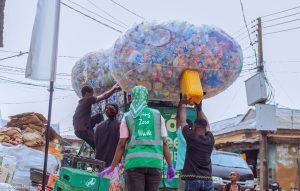
Nestlé Nigeria has reiterated its commitment to developing sustainable waste management systems by partnering with the Food and Beverage Recycling Alliance (FBRA), Nigeria’s first Producer Responsibility Organisation for the food and beverage sector.

The Corporate Communications, Public Affairs and Sustainability Lead at Nestlé Nigeria, Victoria Uwadoka, described the collaboration as well thought out.

“Though as producers we compete commercially, we unite as collaborators when it comes to fulfilling shared environmental responsibilities,” she said.

“While FBRA may not be a household name on the streets, its impact is visible in cleaner communities and empowered waste collectors, particularly in Lagos State,” she added.

According to Uwadoka, the partnership is aimed at creating a tangible impact in environmental management through shared responsibility.

Nestlé Nigeria was one of FBRA’s founding members and has remained one of its most active supporters and advocates over the years.

Established in 2018, FBRA was set up to implement exemplary programmes designed to preserve the environment, ignite innovation, and create jobs and entrepreneurial opportunities for repurposing packaging waste, while mitigating reputational and regulatory risks for the alliance and its members.

The alliance is a sectoral compliance unit under the Extended Producer Responsibility (EPR) policy, introduced in 2014 through the National Environmental Standards and Regulations Enforcement Agency (NESREA).

Also Read: Nigeria, UNEP Partner on Sound Chemicals, Waste Management 

The EPR policy was established in response to growing concerns over the volume of waste generated across Nigeria, even as the country’s population estimated by the United Nations Population Fund to reach over 237 million by 2025 continues to rise.

According to the World Bank, over 32 million tonnes of solid waste are produced annually, increasing the pressure on city authorities and private stakeholders to develop sustainable waste management systems.

Since its inception, FBRA has evolved from a consortium of four founding members into a robust alliance of 49 member organisations as of November 2025, collectively driving the recovery, recycling, and circular management of post-consumer packaging waste.

The alliance has successfully collected over 100,000 metric tonnes of plastic waste from the environment, redefining waste not as a nuisance but as a resource within Nigeria’s circular economy.

Through FBRA’s framework, Nestlé Nigeria and other producers have been able to galvanise the waste value chain, from collection to transformation, ensuring that plastics are retrieved, recycled, and reintegrated into production cycles.

NDDC Strengthens Collaboration with Niger Delta Security Agencies

0

The Niger Delta Development Commission (NDDC) has reaffirmed its commitment to sustained collaboration with security agencies in the Niger Delta region, stressing that peace and security are fundamental to accelerated development and national prosperity.

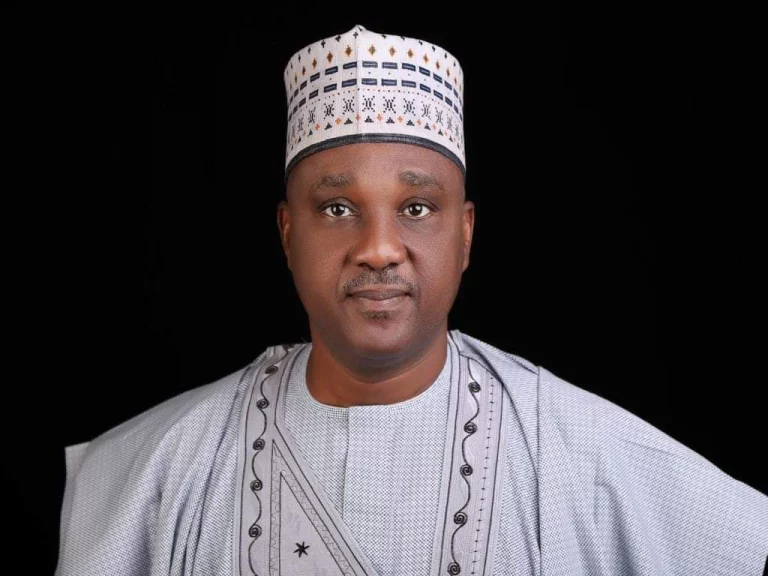
The Managing Director of the Commission, Dr Samuel Ogbuku, gave the assurance during a courtesy visit by the Commander of the Joint Task Force (JTF), South-South, Operation Delta Safe, Rear Admiral Olugbenga Oladipo, who led a delegation of senior officers from sister security agencies to the NDDC headquarters in Port Harcourt, the state capital.

Describing the visit as timely and symbolic, Dr Ogbuku noted that it underscored the Commission’s recognition of security as the bedrock of meaningful development. He emphasised that without a secure environment, development initiatives would be difficult to sustain.

“Without security, there will be no development. Our roles are intertwined, and we are all working towards the mandate of Mr President. No matter what we have done so far, we are not there yet until development reaches every doorstep in the Niger Delta region,” Ogbuku stated.

The NDDC boss reiterated the Commission’s alignment with President Bola Ahmed Tinubu’s Renewed Hope Agenda, stressing that peace in the Niger Delta is critical not only to regional stability but also to the nation’s economic survival.

“The Niger Delta is the economic nerve of this nation. If the region is destabilised, it will affect the entire country’s economy. That is why we will not allow that to happen. Nigeria is prosperous today because there is peace in the Niger Delta, and this is largely due to the efforts of the security agencies,” he said.

Ogbuku assured the JTF Commander of the Commission’s readiness to sustain and deepen its support for security agencies, highlighting several interventions already undertaken by the NDDC across the region.

These include support for the 16 Brigade in Bayelsa State, the commencement of a major army base project in Warri, and the donation of a naval base jetty, gunboats, and houseboats to the Nigerian Navy in Ayakoro and Ayama communities in Ogbia Local Government Area of Bayelsa State.

“We will continue to do more for the security agencies in the interest of peace and development in the Niger Delta,” he added.

According to the Managing Director, sustained peace in the region would unlock economic opportunities, attract foreign investment, and create jobs for the teeming youth population, noting that employment generation remains a critical pathway to long-term stability.

Earlier, Rear Admiral Olugbenga Oladipo said the visit was to formally notify the NDDC of his assumption of duty as Commander of Operation Delta Safe and to strengthen collaboration between the task force and the Commission.

Also Read: NDDC Inaugurates Project, Payment Committee

He explained that the JTF’s core mandate was to protect the Niger Delta and ensure a secure environment for oil and gas production and other economic activities critical to national revenue.

“Our job is to protect the Niger Delta, and we need your support. We are also here to support you. During the Christmas season, we ensured that the Niger Delta was safe. Today, the Niger Delta is one of the safest regions in the country. Companies are returning, workers are safe, and economic activities are picking up,” Oladipo said.

The JTF Commander further noted that Operation Delta Safe is unique in its integration of multiple security agencies operating across land, sea, and air, ensuring comprehensive security coverage of the region.

He called for sustained partnership with the NDDC to boost crude oil production, guarantee lasting peace, and project the Niger Delta positively on the global stage, in line with President Tinubu’s mandate.

Also present at the meeting were the Executive Director, Corporate Services, Ifedayo Abegunde, and other members of NDDC management.

Kaduna: Speaker Urges Rescue of Kidnapped Victims

0

The Speaker of the House of Representatives, Mr Abbas Tajudeen, has called on security agencies to rescue worshippers recently abducted by suspected terrorists and to apprehend the perpetrators.

He condemned the attacks on the churches and expressed concern over the recent spate of mass kidnappings across the country. He particularly lamented that soft targets, such as schools and places of worship, have increasingly become the focus of such attacks.

Mr Abbas, who reiterated his confidence in the President Bola Ahmed Tinubu administration to reverse the trend, urged collective efforts to make Nigeria a safe place for citizens, property, and businesses.

Also Read: Kaduna Governor Pledges Safe Return of Kidnapped Victims

He also commended the courage of the Governor of Kaduna State, Senator Uba Sani, for providing the necessary leadership at the sub-national level during this critical period, noting that Kaduna has enjoyed relative peace since the governor assumed office in May 2023.

“The governor’s visit to the Kurmin Wali community on Wednesday was a testament to his commitment and determination to secure the lives and property of the people in the state,” the Speaker said.

He prayed to God for the safe return of the abductees to their families and communities.

On Sunday, gunmen attacked three churches in the Kurmin Wali community of Kajuru Local Government Area in Kaduna State, reportedly abducting over 100 worshippers.

Nigeria Unveils Plans to Address Health Sector Funding Gaps

0

The Federal Government has unveiled plans to tackle Nigeria’s growing health sector financing challenges, including an estimated $134 billion funding gap required to achieve health-related Sustainable Development Goal 3 (SDG-3) by 2030.

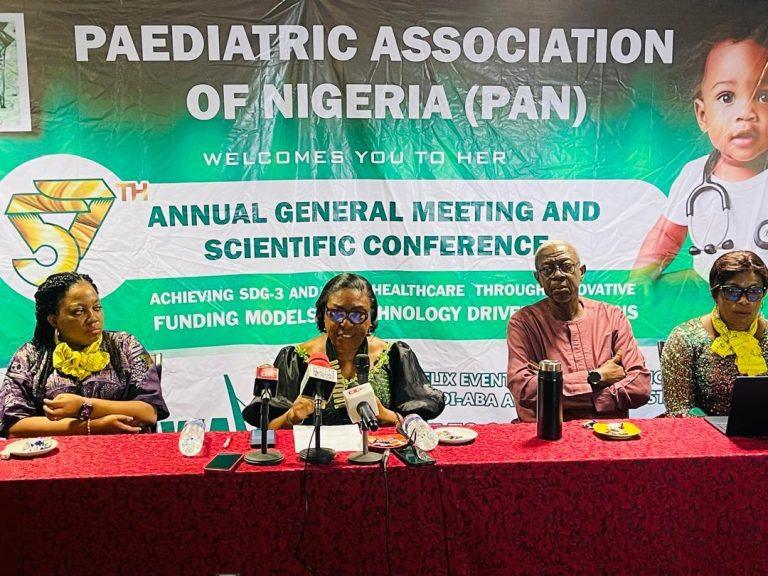
The Minister of State for Health, Dr. Ishiaq Salako, disclosed this on Wednesday at the 57th Annual General Meeting and Scientific Conference of the Paediatric Association of Nigeria (PAN), tagged PANConf Gateway 2025


The conference brought together policymakers, health professionals, and development partners to examine sustainable pathways for reducing preventable child deaths and accelerating Nigeria’s progress towards achieving SDG-3 by 2030.

Read Also: Paediatricians Urges Action on Nigeria’s Child Health Goals

Salako, who was represented by the Deputy Director of Child Health, Dr. Omokore Oluseyi explained that about $103 billion of the funding gap is required to tackle under-five mortality, noting that Nigeria is prioritising child survival through the Health Sector Investment Plan.

He reaffirmed the Federal Government’s commitment to reducing child mortality to the barest minimum, if not eradicating it entirely.

The minister revealed that the Ministry of Health has finalised the National Child Survival Action Plan, which focuses on evidence-based interventions such as newborn resuscitation, integrated nutrition services, and community-based management of childhood illness

“To drive these initiatives, the ministry is leveraging technology, digitalising the integrated community management platform to improve real-time diagnosis, referral, and data capture.”

Salako noted that Nigeria continues to face serious challenges in reducing under-five mortality, contributing over 17 per cent of global child deaths, with preventable conditions such as prematurity, pneumonia, malaria, and malnutrition remaining the leading causes.

He called on all stakeholders to support the effective implementation of the government’s plans by addressing operational and implementation bottlenecks in newborn care, child nutrition, and digital health systems.

“We urge members of Nigeria to identify operational and implementation restrictions across the country. Your audience will continue to guide policy formulation and accelerate our shared nation to end preventable death in Nigeria,” he added.

In a keynote lecture, Professor of Paediatrics at the University of Ilorin, Olugbenga Mokolu, stressed the importance of innovative financing and technology deployment in achieving SDG targets, particularly in reducing child mortality.

Speaking on the theme “Achieving SDG-3 and Child Health Care through Innovative Funding Models and Technology-Driven Solutions”, Prof. Mokolu said bridging the health financing gap would require leveraging domestic resources, expanding social insurance coverage, and deploying digital health solutions.


President Tinubu Meets With Oyo, Plateau Governors

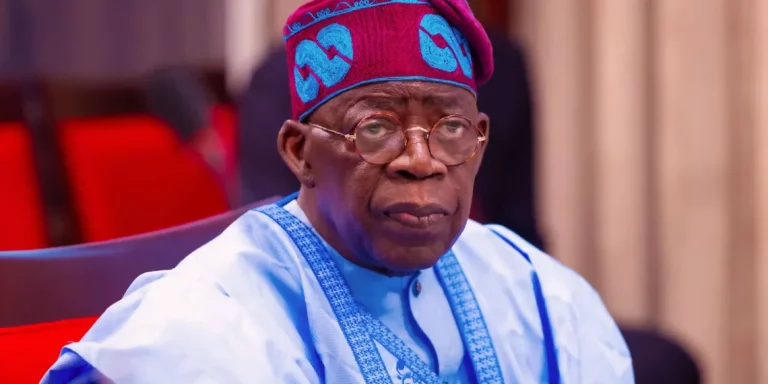
President Bola Tinubu is currently meeting with the Governor of Oyo State, Seyi Makinde, and the Governor of Plateau State, Caleb Mutfwang, at the State House in Abuja, Nigeria’s capital.

The two governors arrived at the Presidential Villa on Thursday at different times.

The meeting is taking place against the backdrop of ongoing political realignments, as key stakeholders begin strategic consultations ahead of the 2027 general elections.

Also Read: President Tinubu Meets NLC, Governors to Avert Planned Protest

In recent months, President Tinubu has held a series of engagements with governors across party lines, a move widely seen as part of ongoing consultations on governance, national cohesion and party consolidation.

Recall that the Plateau State Governor recently defected from the Peoples Democratic Party (PDP) to the All Progressives Congress (APC). This is his first meeting with the President since his official defection.

Sokoto State, EU Collaborate to Empower Vulnerable Families

0

A high-level European Union (EU) delegation, accompanied by United Nations agencies and development partners, has completed a mission to Sokoto State, reaffirming its dedication to strengthening the EU–Sokoto partnership in support of women, children, adolescents, and vulnerable families.

The team, which included representatives from UNICEF, UNFPA, ILO, Plan International Nigeria, Action Against Hunger Nigeria (ACF Nigeria), CARE, and the Danish Refugee Council (DRC), expressed a shared commitment to building systems that protect and empower vulnerable populations across the state.

During the visit, the delegation held a courtesy meeting with the Governor of Sokoto State, Dr Ahmed Aliyu, who reiterated the state government’s pledge to deliver essential services to communities.

“Our administration is committed to practical solutions that uplift our people consistent with the Renewed Hope Agenda and our state priorities,” the Governor said.

“We will continue to prioritise the well-being of women, children, and vulnerable families and to work with partners to sustain results.” he added.

The visit offered the EU delegation, the Sokoto State Government, and partners the chance to assess progress across EU-supported projects in schools, primary healthcare facilities, Internally Displaced Persons (IDPs) camps, and community services.

Massimo De Luca, Head of Cooperation at the EU, who led the mission, said, “This visit has shown how critical it is to invest in systems that protect and empower people especially children and young people. The EU remains committed to supporting Sokoto State in ensuring inclusive development that leaves no one behind.”

At schools and community sites, the team observed how safe learning environments, teacher support, and community engagement are helping children access inclusive education.

Speaking on UNICEF’s role, UNICEF Deputy Representative Program, Rownak Khan, stated, “UNICEF’s mandate is to support realising the rights and well-being of every child, and to support women, families, and communities who care for and guide them. In Sokoto, that means strengthening education, primary healthcare, and adolescent services through EU-supported programmes for health and education and helping families withstand shocks through social protection so that children not only survive but thrive.”

During the visit, the government and partners unveiled a new tool to capture all dimensions of poverty in the National Social Register, under the EU-funded Supporting Sustainable Social Protection Systems in Nigeria (SUSI) programme.

With $14 million in EU support, SUSI aims to improve social protection policy and budgeting, while creating a social registry in Sokoto focused on children and families in need including those without birth registration or National Identification Numbers, out-of-school children, families facing malnutrition, and those with limited access to primary healthcare.

Emphasising the programme’s systems approach, ILO Country Director, represented by Chinyere Emeka-Anuna, said, “Sustainable social protection requires strong institutions, clear policy, and coordinated financing. Through advancing programme-based budgeting and an interoperable social registry, Sokoto can better identify need and deliver support where it matters most.”

Also Read: UNICEF Backs Sokoto’s Social Protection Drive With ICT Donation

At primary healthcare facilities, the delegation observed efforts to make services more adolescent-friendly and gender responsive.

UNFPA Nigeria Resident Representative, Ms Muriel Mafico, said, “Women and adolescents must be able to access quality, respectful care close to home. The dedication of frontline healthcare providers in Sokoto shows what is possible when we invest in the people and use data to reach the most vulnerable communities.”

Community organisations were also highlighted as vital to sustaining progress. CARE Nigeria Country Director Hussaini Abdu remarked, “Communities are the engine of lasting change. We remain committed to approaches that strengthen local leadership and accountability, ensuring that services reach those who need them most.”

On education, Plan International Nigeria’s Country Director, represented by Dr Helen Idiong, stressed the importance of safe and supportive learning spaces, stating, “Every child deserves a safe, supportive place to learn. Together with government and communities, we are working to make that a reality for girls and boys across the state.”

For displaced families and host communities, inclusive and climate-smart solutions remain essential. The DRC Country Director, represented by Martha Kampire, said, “Displaced families need pathways to rebuild with dignity. Coordinated and community-driven responses are key to resilience and recovery.”

Similarly, ACF Nigeria Country Director, Thierno Samba Diallo, noted, “Conflict and insecurity, climate change, and natural disasters have severely reduced vulnerable Nigerians’ ability at all levels to cope and thrive. These collective efforts strengthen our shared commitment to supporting affected communities and the Nigerian government in advancing its strategies to end hunger and malnutrition for the well-being of the Nigerian people.”

The mission concluded with a renewed joint commitment by the EU, the Sokoto State Government, UN agencies, and partners to continue supporting the state’s social and economic development agenda.

Nigeria Adopts Broader Approach to Food Security- VP Shettima

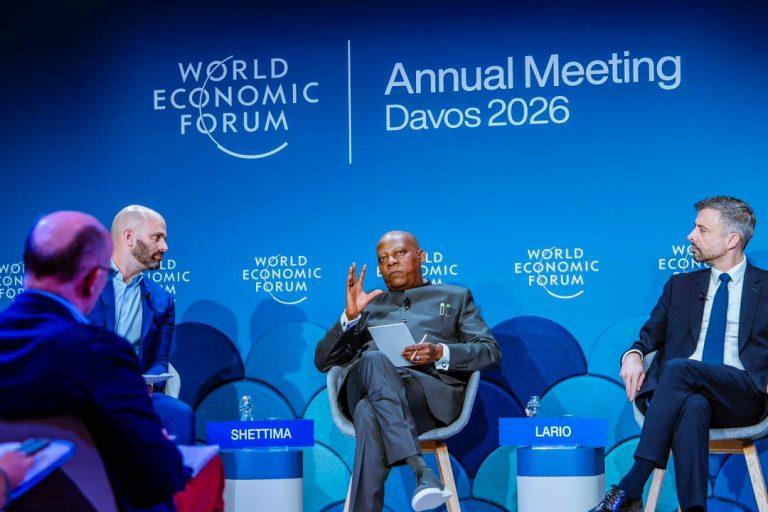
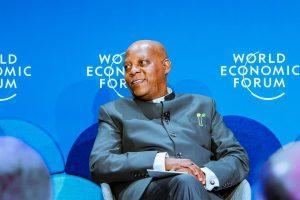
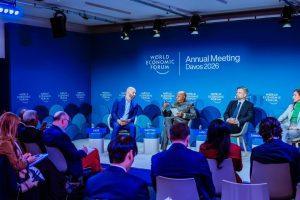
Vice President Kashim Shettima has announced that Nigeria no longer views food security through a narrow agricultural lens, but as a fundamental macroeconomic, security, and governance issue.

He made the declaration at a high-level panel titled “When Food Becomes Security” at the Congress Centre during the 56th World Economic Forum (WEF) meeting in Davos, Switzerland.

He said the Nigerian government no longer treats food security as a narrow agricultural concern but as a strategic pillar for governance, economic stability, and regional cohesion.

Food Basket Regions

The Vice President, who is representing President Bola Tinubu at the global economic summit, said the Nigeria had begun a multi-dimensional agricultural drive designed to insulate the nation from global shocks while restoring the productivity of its food basket regions.

In Nigeria, we don’t look at food security purely as an agricultural issue. It is a macroeconomic, security and governance issue. Our focus is to use food security as a pillar for national security, regional cohesion and stability,” he said.

Three Pillars

The Vice President said that Nigeria’s food security strategy is anchored on three pillars: increased food production, environmental sustainability, and deeper regional integration within the West African sub-region.

He explained that changing global trends and supply chain disruptions have compelled Nigeria to look inward and rebuild its agricultural base by developing resilient food systems tailored to its diverse ecological zones.

Nigeria is a very large country, and there is an incestuous relationship between economy and ecology. In the Sahelian North, we are dealing with desertification, deforestation and drought. In the riverine South and parts of the North Central, flooding is our major challenge,” he said.

Solution

To address these challenges, the Vice President said the government is promoting drought-resistant, flood-tolerant, and early-maturing varieties of staple crops such as rice, sorghum, and millet, while redesigning food systems in flood-prone southern regions to withstand climate shocks.

Security, he noted, remains a major constraint, particularly because many conflict-affected areas are also Nigeria’s primary food-producing zones.

Most of the food baskets of our nation are security-challenged. That is why we are creating food security corridors and strengthening community-based security engagements so farmers can return safely to their land,” the Vice President stated.

Resettle Displaced Farmers

He said that the Nigerian government has launched the Back to the Farm Initiative, a programme designed to resettle displaced farmers by providing them with agricultural inputs, insurance, and access to capital to restart food production.

Addressing Nigeria’s macroeconomic vulnerabilities, the Vice President identified import dependence and foreign exchange volatility as major drivers of food inflation.

We largely import wheat, sugar and dairy products, and this has a direct impact on inflation. Our strategy is to accelerate local production and promote substitutes such as sorghum, millet and cassava flour to correct these structural imbalances,” VP Shettima said.

National stability

The Vice President said Nigeria’s approach aligns food security with national stability, inflation control, and regional cooperation, positioning agriculture as a frontline response to both economic and security threats.

He further highlighted that Nigeria, renowned as the African giant, has “woken up from its slumber” under President Tinubu, and that the government is on course to make “it possible for smallholders and fishers to become investable at scale” within 12 months.

The Vice President confirmed that, in Africa, especially in light of global trends, intra-African trade has almost become a necessity, adding that “there have been some alignments.”

VP Shettima urged his African counterparts to intensify efforts under the canopy of the African Continental Free Trade Area (AfCFTA) to ensure that African nations get things right internally.

The Vice President expressed optimism that with the ongoing Renewed Hope Agenda reforms, the coming months will witness greater climate adaptation moving from pilot to reality, as well as a boom in intra-African trade far beyond 10.7%.

Nigeria Pledges Support to Tertiary institutions Agriculture Programmes

0

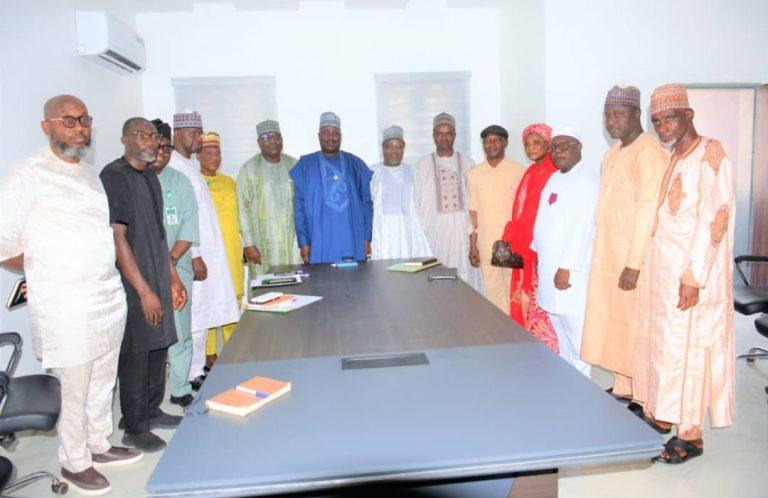
The Nigerian government has pledged that its Ministry of Agriculture would support agricultural and infrastructure development at the Federal University of Education, Kontagora (FUEK), in Niger State and other Tertiary institutions in the country towards achieving food security, poverty reduction and economic growth.

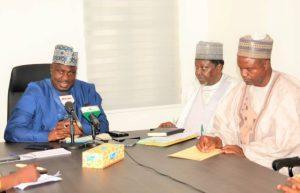
The Minister of State for Agriculture and Food Security, Aliyu Sabi Abdullahi, made this declaration during a courtesy visit by the University’s delegation led by the Vice-Chancellor, Prof. Faruk Haruna at the National Agricultural Growth Scheme-Agro–Pocket (NAGS–AP) office in Abuja, the nation’s capital.

Abdullahi stated that, “Agricultural development support and collaboration with the Federal University of Education would focus on practical, hands-on experience, and entrepreneurship profitable for students as well as foster a new generation of Agripreneurs.”

He advised that the institution should focus on smart agriculture business, using digital technology, data analytics to boost efficiency, profitability, and sustainability, moving beyond traditional farming to optimise inputs and improve yields through precision management, creating a data-driven, connected food system from farm to production.

The Minister revealed that, ‘’Agriculture teachers used to be the best then but gradually dying off which led to the formation of Young Farmers Club (YFC), a youth organization focused on engaging young people in agriculture through practical skills, modern techniques, and leadership, aimed at making farming appealing, promote food security, and foster self-reliance, with major initiatives recently launched in Nigeria by the First Lady to boost youth involvement in farming as a viable career.”

In his remarks, Vice Chancellor Federal University of Education, Kotangora, Prof. Faruk Haruna revealed that the Minister sponsored the bill establishing the university while serving as senator for Niger North and it was assented to by former President Muhammadu Buhari on Dec. 31, 2021.

He requested the establishment of agro-processing, value addition centers for training and research, as well as support for modern farm machinery, renewable energy, cold rooms, greenhouses and irrigation facilities.

COAS Emphasises Training for Effective Combat Readiness

0

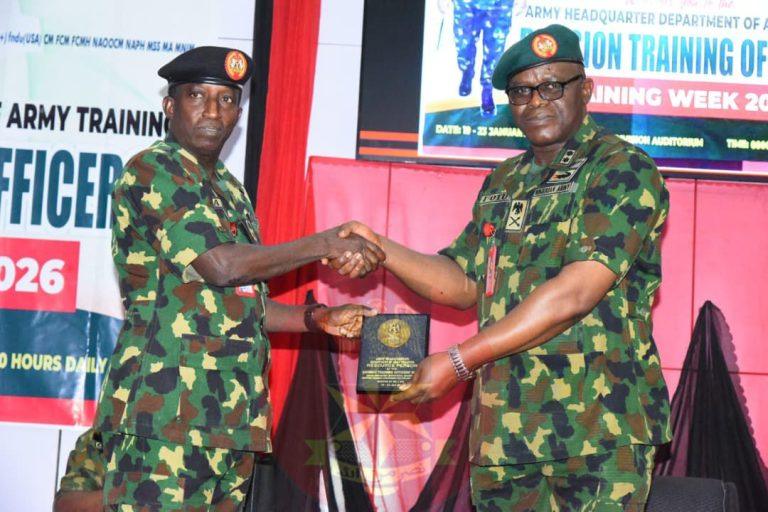
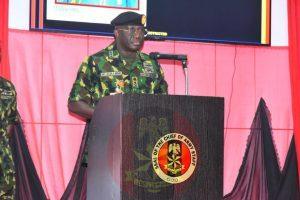
The Chief of Army Staff, Lieutenant General Waidi Shaibu, has charged Divisional Training Officers of the Nigerian Army to ensure that training remains sound, realistic and progressive, stressing that training is the bedrock of operational success.

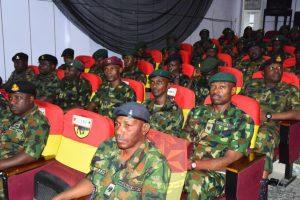
The charge was delivered during the opening ceremony of the week-long Division Training Officers Training Week, organised by Army Headquarters Department of Training at the 3 Division Auditorium, Maxwell Khobe Cantonment, Jos.

According to a statement by the Acting Deputy Director Army Public Relations, 3 Division Nigerian Army, Lieutenant Colonel Olumide Victor Olukoya, the workshop, themed “Enhancing Operational Readiness: Adaptive Training Strategies for Evolving Threat,” was designed to enable Divisional Training Officers to review lessons learnt, share best practices and prepare effectively for the training year ahead.

As Divisional Training Officers, you play a critical role in shaping the competence, mindset and resilience of our officers and soldiers. Leadership on the battlefield is directly linked to the quality of training you design, supervise and enforce,” Lieutenant General Shaibu said.

Operational procedures

The Chief of Army Staff stressed that realistic training directly influences operational outcomes and must foster inquisitive mindsets that allow personnel to learn, unlearn and relearn tactical and operational procedures in line with evolving threats.

He further emphasised that effective training cannot be achieved without motivated and well-cared-for personnel, charging Divisional Training Officers to prioritise troop welfare and encourage healthy competition by recognising outstanding performance during training.

Lieutenant General Shaibu also commended Divisional Training Officers for their efforts in post-depot training initiatives, including Exercise Shining Star, describing them as critical to building confidence, discipline and combat effectiveness among young soldiers.

Earlier in his welcome address, the General Officer Commanding 3 Division Nigerian Army and Commander Operation ENDURING PEACE, Major General Folusho Oyinlola, expressed delight at hosting the training week and underscored its importance to the Army’s operational readiness.

Participants should approach this programme with a professional and reflective mindset, engage actively in discussions and internalise insights that will enhance their instructional and supervisory competencies,” Major General Oyinlola said.

Also speaking, the Chief of Training (Army), Major General Valentine Okoro, thanked the Chief of Army Staff for his consistent emphasis on training as a cornerstone of military professionalism.

Major General Okoro further advised that all divisional training activities must be realistic, mission-oriented and aligned with the realities of the operating environment.