Home Blog Page 486

New Nasarawa Police Commissioner Assumes Duty

0

The new Commissioner of Police in Nasarawa State, CP Umar Ahmed Chuso, has assumed duty as the state’s 30th Commissioner of Police.

In his assumption speech, CP Chuso, a seasoned police officer with operational experience and administrative competence, appealed for public support and cooperation to combat crime across the state.

The new Commissioner called on traditional rulers, community leaders, youth groups, and residents to collaborate with the police by providing timely and credible information to support crime prevention and enhance rapid response.

CP Chuso assured the public of his commitment to protecting lives and property, sustaining peace, and ensuring security throughout Nasarawa State.

He holds a Bachelor of Science degree in Agricultural Economics from Ahmadu Bello University, Zaria, and has served in various key capacities in the Nigeria Police Force since joining in 1994.

Stakeholders Discuss Transformational Education in Maiduguri

0

The 28th Quarterly Meeting of the Universal Basic Education Commission (UBEC) with the Executive Chairpersons of the 36 states and the Federal Capital Territory (FCT) was held in Maiduguri, bringing together education leaders, policymakers, and officials from across Nigeria.

Executive Secretary of UBEC, Aisha Garba opened the meeting by welcoming participants, and commended the Borno State Government for its gaint strides in Education sector across the state.

It is my pleasure to welcome you today to the 28th quarterly meeting of UBEC and the Executive Chairpersons of the State Universal Basic Education Boards.

“This gathering provides us an important platform to reflect on our achievements, align our strategies, and renew our commitment to ensuring that every Nigerian child, regardless of background, has access to quality basic education,” she said.

She highlighted recent achievements in Borno State, including visits to newly commissioned schools the bilingual education school in Kologuna, and a 60-classroom facility in Zanali Kaleri.

  • These schools are a reflection of the Nigerian Education Sector Renewal Initiative’s vision: modern, safe learning spaces that inspire academic excellence, creativity, and hope. Today, we have witnessed what leadership and determination can achieve, and Borno State stands as a symbol of resilience and progress,” the executive secretary said.

The Minister of Education, Dr. Maruf Tunji Alausa, commended the Federal Government and state collaboration, he said, “We are implementing system-wide reforms to strengthen basic education, improve teacher quality, enhance infrastructure, and expand digital learning. Our goal is to ensure that every child, especially in underserved and conflict-affected regions, has a pathway to success.

The leadership and vision we see in Borno are exceptional. The quality of these schools, classrooms, and facilities is unmatched. I have visited universities and other schools across Nigeria, yet what we see here in primary and secondary schools in Borno is outstanding. This demonstrates that political will and prioritisation of education can transform communities.”

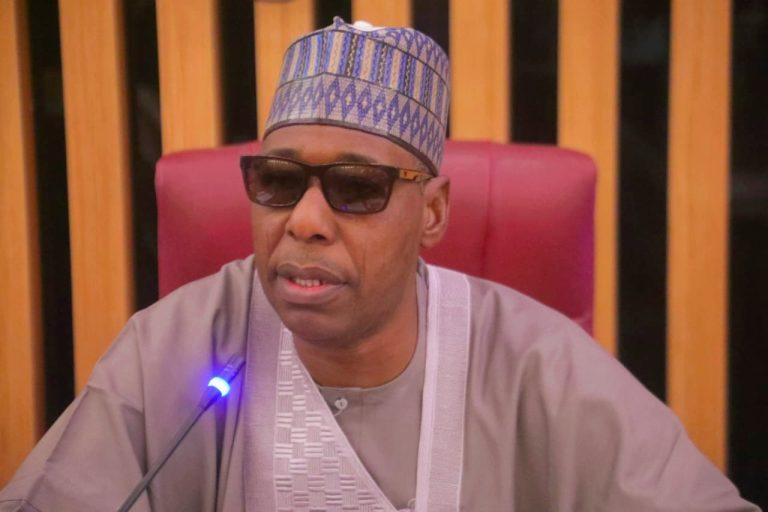
Governor Babagana Zulum reaffirmed his administration’s focus on education as the foundation for development, “we have to ensure that teachers are supported with accommodations and incentives.

Very soon, in sha Allah, the government will roll out plans to motivate teachers and expand technical and vocational education. Education is key to the prosperity of our children and the future of Borno State,” the Governor said.

Teachers welfare

Zulum also highlighted the state’s commitment to teachers’ welfare, noting that the minimum wage has been fully implemented for primary and secondary school educators. He emphasized the importance of inclusive and safe learning.

Our vision is that every child, every girl and boy, should compete with their peers anywhere in the world. We will continue to invest in human capital, modern facilities, and educational programs that restore hope and opportunity to our communities.”

The meeting also highlighted UBEC’s ongoing role in providing infrastructure support, teacher training, and digital learning tools nationwide, with a particular focus on vulnerable and displaced children.

Both the ES and the governor stressed the importance of collaboration between federal and state agencies to ensure inclusive and quality education.


Lateefah Ibrahim

Group Launches Nutrition Gardens in Bauchi

0

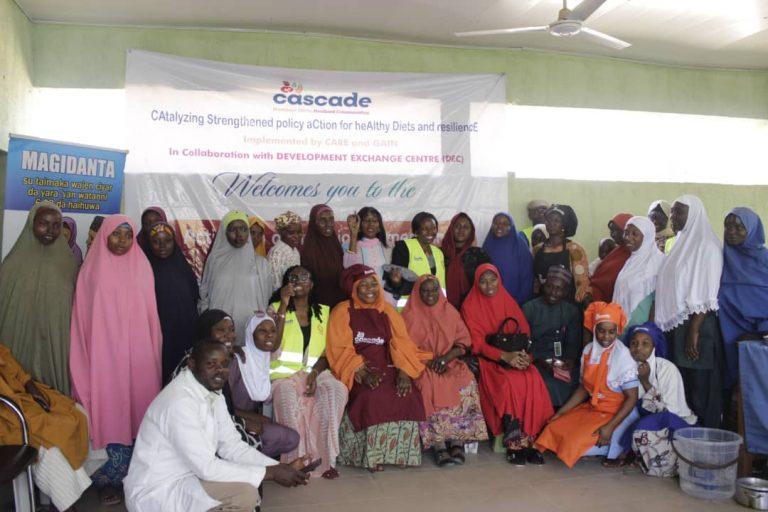
A Non-governmental organisation, NGO known as the Catalysing Strengthened Policy Action for Healthy Diets and Resilience (CASCADE) has inaugurated nutrition corners and facility gardens in 10 Local Government Areas (LGAs) of Bauchi State.

Health and Nutrition Technical Officer of the NGO, Anna Ishaiku disclosed this while handing over the facilities to Inkil and Gokaru Primary Healthcare Centres (PHCs) in Alkaleri LGA.

She noted that the facilities were also inaugurated in Bauchi, Misau, Zaki, Warji, Katagum, Jama’are, Ningi, Toro, and Dass LGAs.

“The overall goal of inaugurating these facilities is to reduce maternal and child malnutrition across CASCADE implementing states.

“The activation of the nutrition corners provides designated spaces for counselling, food demonstrations, and malnutrition prevention.

“It also promotes the increased consumption of healthy diets by pregnant and lactating patients in the selected health facilities,” Ishaiku said.

She said the project included demonstrations on seed planting, cooking, and access to nutritious foods at the PHCs.

“We encourage women to plant seeds such as gboma, sika, tomato, and okro at their homes for consumption.

“All seeds used for demonstrations are improved varieties and not genetically modified.

“For instance, the gboma sika seed boosts blood production and is a rich source of iron,” she said.

She explained that health workers at the benefiting facilities would continue teaching women cooking methods during antenatal visits.

Nutrition Focal Person of Alkaleri LGA, Abubakar Ahmed hailed CASCADE for inaugurating the project, noting that it would greatly benefit mothers and children in the area.

“The health of women and their children will improve if they effectively utilise what they are taught,” he said.

A cross-section of pregnant and lactating mothers who spoke at the facilities also commended CASCADE and pledged to take advantage of the opportunities provided.


NAN

UNIPASS Launches in Nigeria, Pledges Support for Vulnerable Groups

0

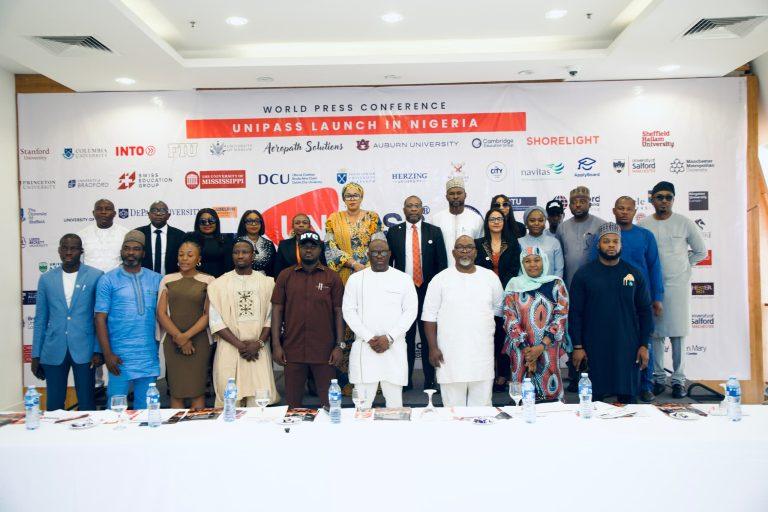
Renowned international education consultancy, UNIPASS has formally commenced operations in Nigeria with a promise to support vulnerable groups access scholarship programmes.

It also unveiled plans to expand access to quality higher education for young Nigerians seeking to study abroad and to attract foreign students into the country.

This is coming at time when Nigeria is seeking participation of foreign lecturers and students in its educational systems, especially in tertiary institutions to improve global rankings.

Speaking at the official launch of UNIPASS Nigeria in Abuja, its Chief Executive Officer, Alvin Atsegwasi, said the organisation was committed to creating transparent, accountable pathways for students seeking education abroad while also supporting vulnerable groups through scholarship programmes.

We also support scholarship programmes targeted at critical communities. Scholarship for people with disabilities,” Atsegwasi said, noting his over ten years of experience in the United Kingdom.

He urged Nigerian youths who are abroad to contribute to national development. “At UNIPASS, we don’t only support Nigerians going abroad. We also promote opportunities for foreigners to come and study here in Nigeria,” he stated.

According to him, partnerships with Nigerian education institution like the Isaac Balami University of Aeronautics and Management, are central to this mission. “We are proud to be part of that. We are encouraging foreigners to come back to Nigeria,” he said.

Atsegwasi explained that the UNIPASS model helps eliminate risks linked to unregulated study programmes and migration challenges, stressing that the organisation would work closely with government and stakeholders to improve educational outcomes for Nigerian youths.

UNIPASS is here to change that story. We will work hand-in-hand with the Nigerian government and all stakeholders to create the same structured and transparent pathway for our youth,” he said.

Our promise to parents, communities and our dear Nigeria is very simple: we will get you there.”

Co-founder of UNIPASS Limited, Sanpreet Sehmi, said the organisation’s mission is built on ensuring equal access to quality education for all students, regardless of academic performance.

Potential lives everywhere, and opportunity should live everywhere too,” Sehmi said. She announced a major milestone: a new partnership with the Isaac Balami University of Aeronautics and Management in Lagos, the organisation’s first institutional collaboration in Africa.

“It proves that a world-class international standard is not something students must travel across oceans to find. It is something we can build, nurture and proudly offer right here,” she noted.

On her part, Executive Director Maureen Mutsiya described the new Abuja office as “a passport to global education” for Nigerian students.

This office is more than a physical space. It is a commitment to work with you, step by step, as you pursue education beyond borders,” she said.

Mutsiya said that more than 1,200 students have benefitted from UNIPASS guidance in the past two years across destinations including Canada, Australia, the UK, the US, New Zealand, Ireland and Germany.

We know that trying to study abroad can feel overwhelming… That’s where UNIPASS comes in, and we turn confusion into confidence,” she said.

The launch event drew a large audience and featured goodwill messages from the Senior Special Assistant to the President on School Feeding, Dr. Yetunde Adeniji, as well as Isaac Balami, Chief Executive Officer of the Isaac Balami Foundation and Isaac Balami University of Aeronautics and Management, among other dignitaries.

Lateefah Ibrahim

Nigeria for Women Programme Bolsters GBV Prevention

0

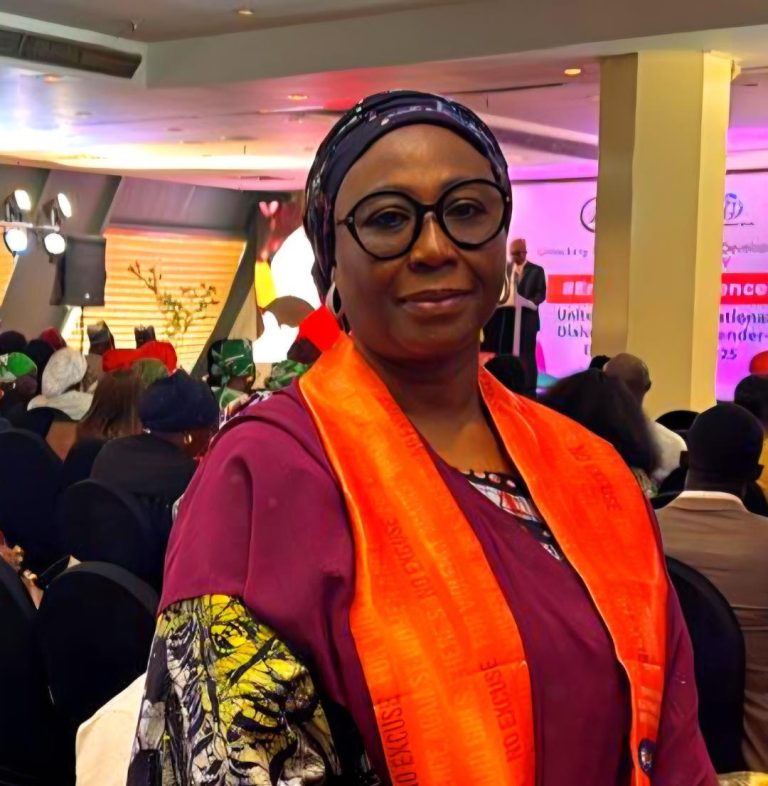
The National Coordinator of the Nigeria for Women Programme Scale-Up Project, Dr. Hadiza Maina, says the initiative is placing protection at the centre of women’s economic empowerment while strengthening national efforts to curb gender-based violence (GBV).

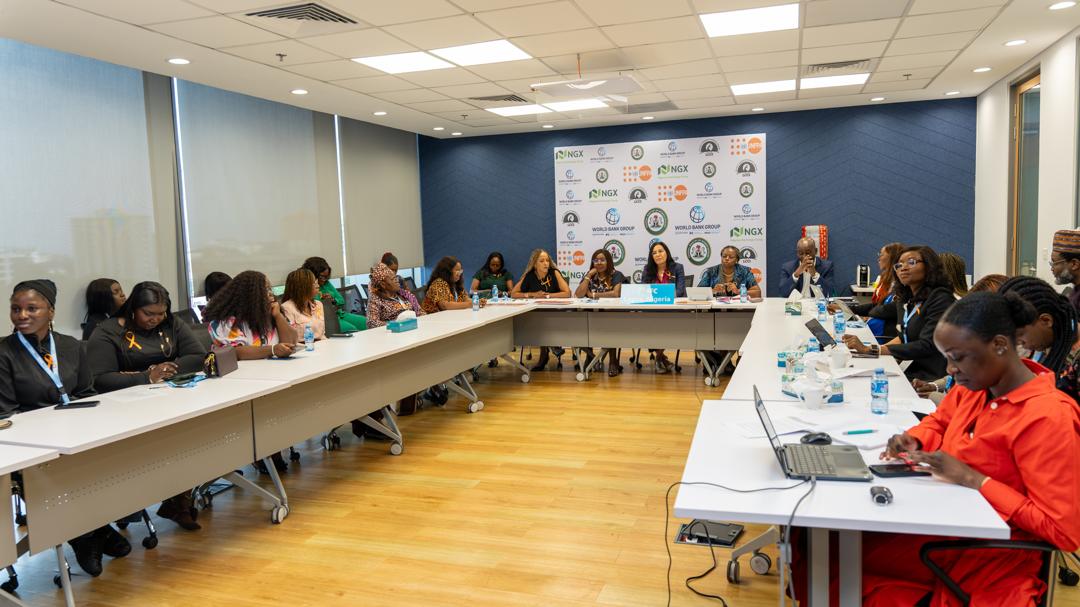
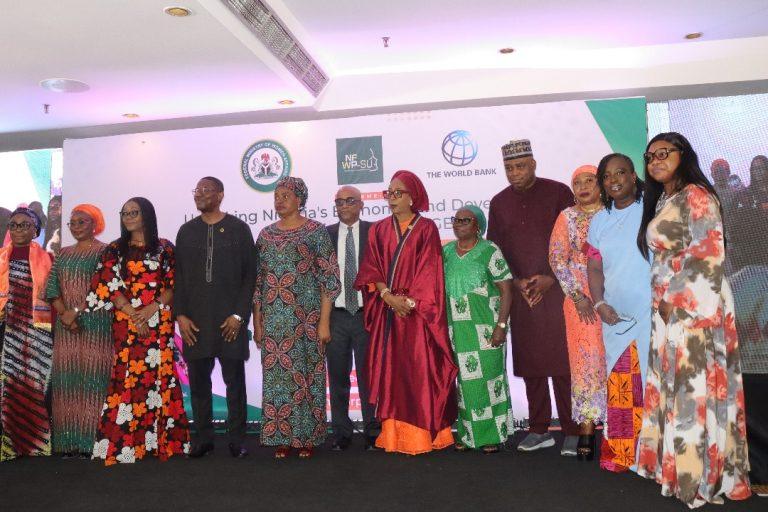
Speaking to Voice of Nigeria on the sidelines of the National Dialogue on Ending Gender-Based Violence, organised by the Federal Ministry of Women Affairs and Social Development in collaboration with the World Bank, she highlighted the impact of the programme.

“Nigeria has taken the right direction by implementing this project, and we also have to give thanks to the President, President Bola Ahmed Tinubu, who has made women at the Centre of Economic Development,” she stated.

Dr. Maina extended appreciation to the Minister of Women Affairs and Social Development, Hajiya Imaan Sulaiman-Ibrahim, noting:

“She is the right peg in the right hole, implementing this programme on Nigeria for Women Project… she’s driving the force as it is expected, to put women in the long run at the Centre of Development.”

Director-General of the Lagos Chamber of Commerce and Industry, Dr. Chinyere Almona (m)

She explained that the World Bank-funded Nigeria for Women Project, implemented by the Federal Ministry of Women Affairs and Social Development, is improving the livelihoods of underserved rural and peri-urban women.

According to her, the programme’s empowerment approach is anchored on protection because “Empowerment without protection is a fragile foundation.”

To ensure all-round protection, Dr. Maina said “the programme conducted comprehensive GBV mapping across implementing states, trained personnel across health, justice, police, and social welfare sectors, and produced a widely distributed referral directory linking communities to essential services.”

She added: “We also have the grievance redress mechanism put in place for these projects… as soon as it’s reported, we have a real-time reporting framework, which is within 24 hours.”

According to her, 32 states are currently covered, with 23 currently implementing, and the mechanism proved effective during the pilot scheme for 450 women.

“So the GBV was built, protection was built right in the middle of this project. It’s one of the main units that the project focusses on 24-7.”

In a related interview, UNFPA Deputy Representative, Koesan Kwawu, stressed the need for unified national action to end GBV. “We need to come together at all levels… to have a consensus and a strong commitment for ending gender-based violence.”

He further highlighted the need for full survivor support systems, sustainable funding, and accountability. “Unless we have perpetrators that are held to account, we might not see the reduction of this,” he added.

The Head of Legal, Nigeria Stock Exchange Group PLC, Bisola Ogujieofor, charged institutions to embed protection into workplace culture.

“When women are safe, they succeed. When women succeed, economies grow. When public institutions, development partners and private institutions stand together, meaningful and sustainable change becomes possible,” she said.

She urged intentional leadership, noting: “We cannot end gender-based violence by awareness alone. We end it through action that is deliberate, that is measurable and that is sustainable. Empowered women build stronger businesses. Protected women build stronger societies.”

Similarly, the Director-General of the Lagos Chamber of Commerce and Industry, Dr. Chinyere Almona, said the time for mere advocacy has passed. Describing GBV as a global and economic concern, she said: “It is an economic issue… if we all want to improve and enhance the economy of our nation, we have to deal with it. For us, it’s time to end the violence against women.”

Warning against silence, she added: “One thing that enhances GBV in our society today is silence. We want a society where our women can give their best. We must support each other to make the change that we want to see.”


Women Affairs Ministry Urges Faster Prosecution of GBV Cases

0

The Ministry of Women Affairs has called for faster prosecution of gender-based violence cases and strict adherence to standardised response protocols by all security agencies to strengthen justice for survivors in Nigeria.

The Minister of Women Affairs and Social Development, Hajiya Imaan Sulaiman-Ibrahim made the call in Abuja at the National Dialogue on Ending Gender-Based Violence organised in collaboration with World Bank Group Nigeria.

Represented by the Permanent Secretary, Mrs Esuabana Asanye, the minister said improving data and reporting systems, including strengthening the National GBV Data Situation Room, is critical to ensuring accountability and coordinated action nationwide.


She said the 2025 edition of the 16 Days of Activism, renewed national attention on the escalating threats faced by women and girls, particularly in digital spaces.

She highlighted alarming global figures, stating that over 830 million women have suffered intimate partner violence, while 250 million have faced sexual violence from non-partners.

She explained that one in every three women worldwide will experience violence in her lifetime.

According to her, Nigeria mirrors this reality, with 31 percent of women aged 15 to 49 having experienced physical violence, and one in four girls surviving sexual abuse before adulthood.

She described these girls as children who never had the chance to grow without fear, carrying physical, emotional, and psychological scars into adulthood.

The Minister warned that the nation loses trillions of naira annually to gender-based violence—funds that could build schools, equip hospitals, and create jobs.

She also noted that digital violence has risen by over 45 percent in the last four years, exposing girls to cyberbullying, blackmail, and humiliation that remain permanently online.

She said the Ministry, under President Bola Ahmed Tinubu’s Renewed Hope Agenda, is adopting a coordinated, evidence-driven response through improved laws, survivor support services, and expanded access to justice.

The Minister reported major progress in legal reforms, including the domestication of the Violence Against Persons Prohibition Act in 35 states and the FCT, as well as near-universal adoption of the Child Rights Act.

She explained that survivor assistance is expanding under initiatives such as the ProtectHer and Health Safeguard programmes, which provide medical, legal, and psychosocial support in safe, dignified spaces.

The Minister also emphasised the need to empower traditional rulers, religious leaders, and community groups to champion anti-violence campaigns at the grassroots.

She further called for stronger action against technology-facilitated abuse, including stricter penalties for cyberbullying, digital blackmail, and online exploitation.

According to her, expanding women-focused financing, supporting women-owned businesses, and providing economic reintegration programmes for survivors remain key to long-term protection.

The World Bank Country Director for Nigeria, Mr Mathew Verghis, said gender-based violence remains a binding constraint to development in Nigeria, warning that it erodes human capital, weakens productivity, undermines girls’ and women’s education, and strains health and justice systems.

Verghis noted that the Bank’s new Gender Strategy (2024–2030) places ending GBV as a core priority, following global evidence that violence is the most egregious manifestation of gender inequality and a threat to development.

He said that Nigeria is one of 16 fast-track countries implementing an integrated public and private sector approach, including legal reforms, survivor-centred response services, community prevention programmes, and anti-harassment mechanisms in schools and workplaces.

Also speaking, the Senior Social Development Specialist with the World Bank, Mr Michael Ilesanmi, noted that countries lose up to four percent of their GDP to gender-based violence.

He emphasised that economic empowerment, strengthened social norms, and the involvement of men and boys are essential to achieving lasting change in Nigeria.


Lateefah Ibrahim

Digital Workforce to Power Nigeria’s Ambitious $1tn Economy — President Tinubu

President Bola Ahmed Tinubu has declared that Nigeria’s ambition to achieve a one-trillion-dollar economy hinges on the country’s capacity to develop a globally competitive digital workforce, asserting that digital skills are now central to productivity across all major sectors.

Speaking at the 3MTT National Impact Summit held at the Conference Centre of the State House Abuja, the President affirmed that the Three Million Technical Talent (3MTT) programme has evolved into a pivotal component of his administration’s efforts to widen opportunities for young Nigerians and reinforce the foundations for sustained economic growth.

President Tinubu who was represented by the Secretary to the Government of the Federation (SGF), Senator George Akume said the initiative reflects his conviction that “Nigeria’s most valuable resource is not oil or minerals, but the creativity, determination and potential of our people.”

The Nigerian Leader noted that countries that dominate the fast-changing global economy are the ones investing deliberately in the skills of their youthful population.

The President added that the Renewed Hope Agenda places human capital development at the heart of economic reform because digital skills now underpin growth in agriculture, healthcare, manufacturing, finance, education, and public service.

“Our ambition to build a one trillion-dollar economy will not be achieved by chance. It requires productivity, innovation and a workforce whose skills meet global standards,” President Tinubu said.

He noted that building a robust digital workforce does more than generate new jobs. The President added that the initiative fuels enterprise, enhances national competitiveness, and positions Nigeria to become “not merely consumers of technology, but active creators and exporters of talent.”

The President described 3MTT as a model of disciplined execution, noting that the programme has attracted over 1.8 million applications from all 36 states and the FCT, triggered new job placements, and enabled young Nigerians to build startups and develop practical solutions.

“For the first time, opportunity is no longer confined to major cities,” he said, adding that the programme is restoring confidence among young people that they have a place and a future in the digital economy.

READ ALSOPresident Tinubu Unveils New Digital Youth Empowerment Initiatives

President Tinubu commended the Federal Ministry of Communications, Innovation and Digital Economy for its stewardship and appreciated private sector partners including IHS Towers, MTN Nigeria, Airtel Nigeria, Google, Microsoft, Huawei, Moniepoint, UNDP and the European Union—for helping to deepen and expand the nationwide programme.

He reaffirmed that the federal government remains committed to scaling and sustaining the initiative, saying: “The Nigeria we seek must be powered by skilled hands, guided by innovative thinking and driven by a generation ready to work, create and lead.”

Impactful Reforms

In his remarks, the Minister of Communications, Innovation and Digital Economy, Dr. Bosun Tijani, said the success of 3MTT is tied directly to President Tinubu’s unprecedented support for Nigeria’s digital economy over the last two years.

He recalled that upon assuming office, the President signed the National Data Protection Commission Act, giving Nigeria a globally recognised data protection framework for the first time.

Dr. Tijani further underscored the President’s approval, in October 2023, of what is now the world’s largest technology talent accelerator, the 3MTT programme, followed by his May 2024 decision to commit $2 billion toward deploying 90,000 kilometres of fibre-optic cable to provide world-class internet connectivity nationwide.

“This project is the largest of its kind anywhere in the developing world,” he said.

In addition, the minister noted that in August 2024, the President declared all telecommunications and ICT assets as Critical National Infrastructure, securing protection for facilities long threatened by vandalism.

He added that in January 2025, President Tinubu approved long-awaited tariff adjustments for telecom operators after a decade of stagnation, helping stabilise the sector and attract fresh foreign investment.

Dr. Tijani further stated that the President recently approved the deployment of 4,000 telecom towers to rural and currently unconnected communities—mainly in the North-East, North-West, North-Central and other underserved regions—bringing 23 million Nigerians into the digital economy.

“These reforms, together with tax harmonisation under the national tax reforms, have made Nigeria one of the most attractive digital investment destinations in Africa,” the minister said.

Giving further details, the Minister outlined the scale and impact of the 3MTT initiative, noting that 1.8 million Nigerians applied—each verified through NIN or BVN. He explained that a precision rollout model enabled the training of the initial 30,000 fellows (1%) between December 2023 and mid-2024. The programme is now completing the 300,000-fellow phase (10%), with more than 15,000 graduates already recorded as having secured job placements.

“Others include many first-time workers now earn over ₦250,000 monthly, 201 applied learning centres have been activated nationwide, 600 facilitators and 15 e-learning partners support training, 37 state community managers are funded by IHS Towers, the private sector has provided billions of naira in funding, SCC donated laptops worth ₦1.5bn, over ₦400 million awarded as innovation challenge prizes and EU/UNDP’s Jubilee Programme funds internship placements for fellows.”

He said IHS Towers alone contributed ₦1 billion to 3MTT, ₦1.5 billion to rebuild the burnt tech park in Kano, and continues to support hubs in Kwara and Borno. MTN committed ₦3 billion, Airtel ₦1 billion, while Google, AWS, Microsoft, SecureID, The Alternative Bank and others provided credits, training capacity and infrastructure.

“This programme is proof that when government, industry and young people unite behind a shared vision, the outcome is transformative,” Dr. Tijani said.

The minister cited global forecasts suggesting that 170 million new technology jobs will emerge by 2030. With Nigeria’s median age at 16.9 and more than 60 percent of its population under 30, he noted that the country is strategically positioned to become a significant exporter of digital talent.

He said the future of the programme includes expanding private-sector partnerships for job placements, improving the quality of learning centres, building a national talent operating system and securing a long-term endowment for sustainability.

“We believe 3MTT must continue because its impact on GDP, productivity and global competitiveness will be profound,” the Minister added.


 

Defence Minister Reaffirms Role of Air Power in Security Operations

0

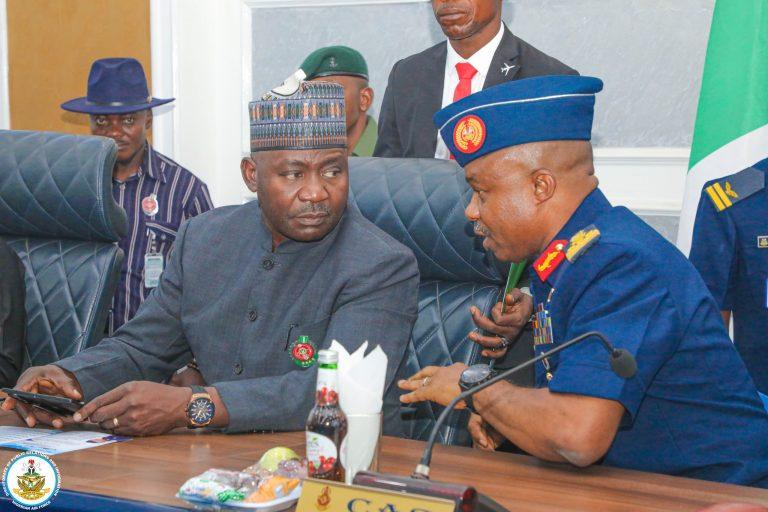
The Minister of Defence, General Christopher Musa (Rtd), has emphasised that air power remains pivotal to Nigeria’s ongoing security operations, noting that it is central to the successes recorded across various theatres of operation.

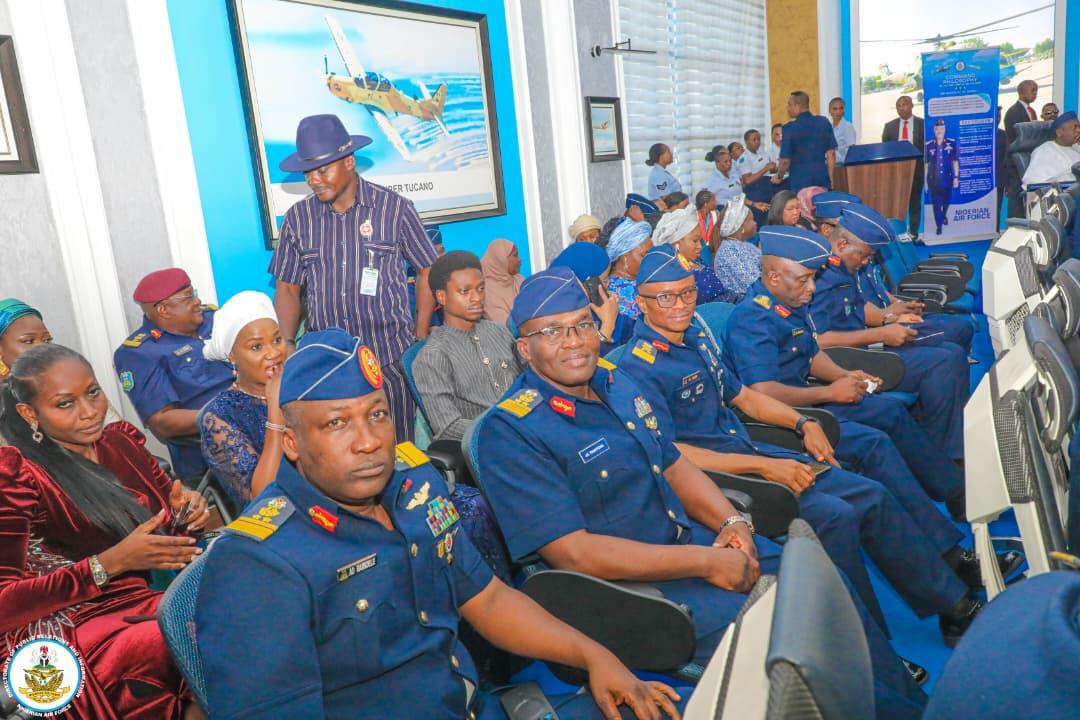
The Minister made the comment while speaking as the Special Guest of Honour at the investiture ceremony for newly promoted Air Commodores and Air Vice Marshals at the Nigerian Air Force (NAF) Headquarters, Abuja on Thursday. He emphasised that the elevation of senior officers reflects not only personal achievement but the nation’s confidence in their ability to provide strategic leadership at a defining moment for national security.

The Minister noted that the new ranks come with expanded responsibilities essential for safeguarding the nation and advancing the Renewed Hope Agenda of the administration.

In his address, the Minister highlighted that promotion to the rank of Air Vice Marshal demands a broader outlook, heightened discipline, and deeper commitment to excellence.

He described the newly promoted officers as custodians of the traditions and values that define the Nigerian Air Force, noting that their leadership philosophy and decisions will shape the effectiveness of air operations and influence the next generation of military leaders.

“The expectations placed on you are high because your elevated position requires clear vision, steady judgement, and an enduring sense of purpose,” he stated, urging them to embrace their roles with dedication and humility.

General Musa further underscored the decisive role of air power in shaping operational outcomes, praising NAF for its contributions in precision engagements, tactical mobility, and Intelligence, Surveillance and Reconnaissance (ISR) missions that have significantly strengthened joint operations.

He said that Nigeria’s security challenges require deepened inter-Service cooperation, as no Service can succeed in isolation.

“Air operations achieve their full potential only when seamlessly integrated with the Nigerian Army, the Nigerian Navy, and all national security agencies,” he said, calling on the newly promoted Air Vice Marshals to strengthen collaboration and intelligence sharing at all levels.

The Minister also extended appreciation to the families of the newly promoted officers for their patience, resilience, and unwavering support.

He reaffirmed that the Renewed Hope Agenda recognises security as the foundation of national development and that the Ministry of Defence remains committed to enhancing the capabilities of the Armed Forces through strategic policy direction, sustained capacity building, and strengthened institutional oversight.

In closing, the Minister urged the officers to lead with humility, clarity of purpose, and total commitment to the security of the nation.

He commended the CAS for his exemplary leadership, which continues to advance the professional excellence and operational focus of the Service.

He also expressed gratitude to President Bola Ahmed Tinubu for his unwavering support to the Armed Forces.

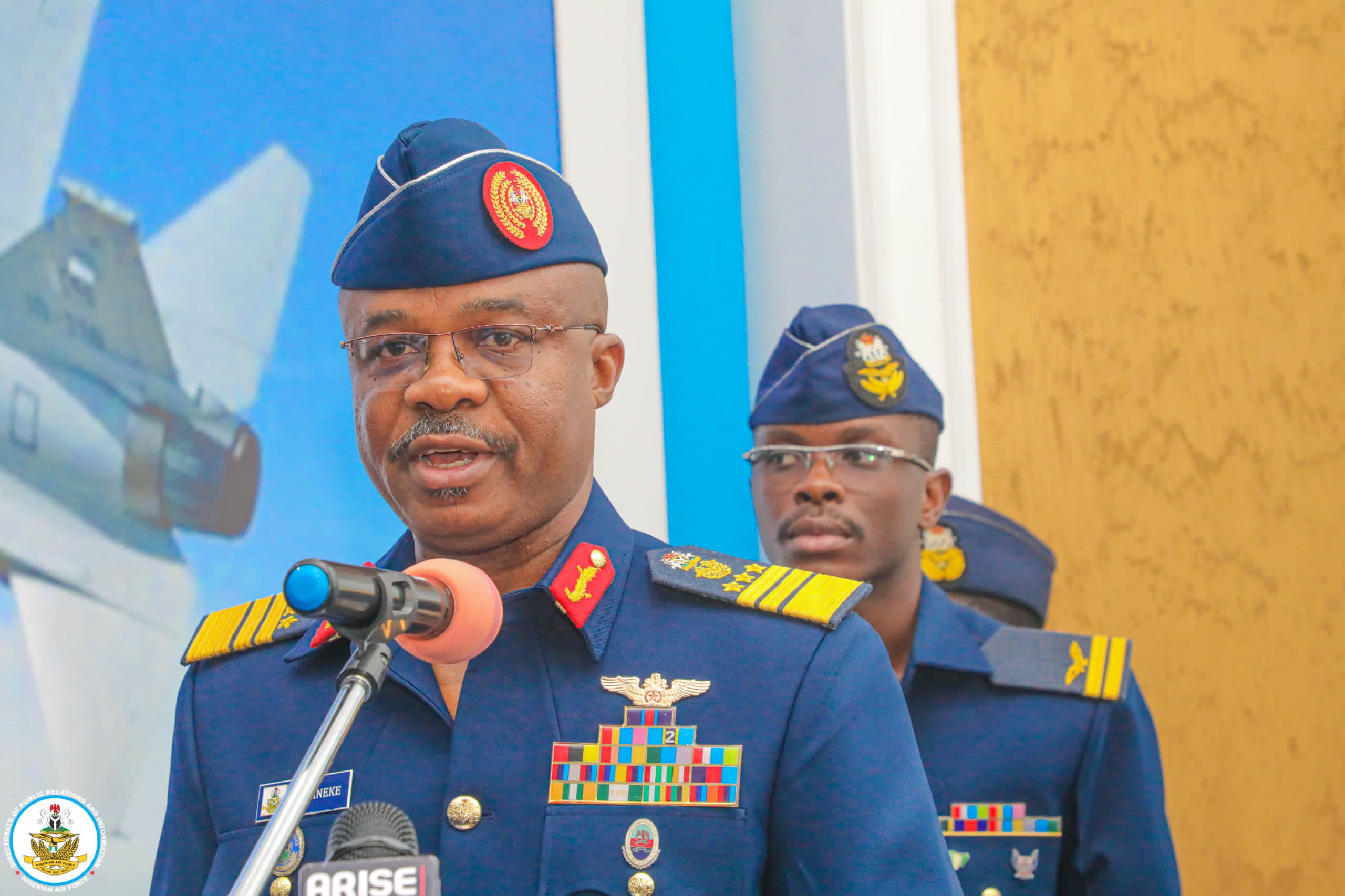
The Chief of the Air Staff (CAS), Air Marshal Sunday Aneke, congratulated the officers and reiterated that military rank is earned through diligence, competence, and character.

He emphasised that the ceremony comes at a time when Nigeria faces complex and evolving security challenges, including terrorism, insurgency, banditry, kidnapping, and emerging threats within the information and cyber domains.

“The new ranks conferred on you today testify to your readiness for higher leadership. Rank is not only worn on the shoulders; it is carried in the mind and in the character,” the CAS said, noting that the officers must demonstrate exemplary leadership in translating strategic directives into actionable results.

Both the Minister and the CAS paid tribute to fallen heroes and personnel who continue to bear the scars of service, acknowledging their sacrifices as a solemn reminder of the weight of responsibility carried by senior leaders.

The ceremony concluded with well-wishes to the officers as they assume their enhanced responsibilities in service to the nation.


Stakeholders Mark Human Rights Day with Call for Transparency

0

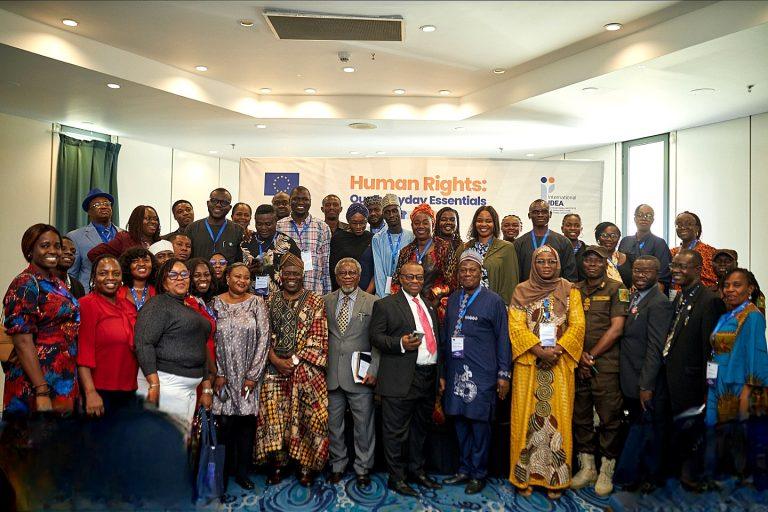
Stakeholders at an International Human Rights Day have called for transparency in Freedom of Information to safeguard the right of Nigerians.

The submission was made at a National Conference organised by the International Institute for Democracy and Electoral Assistance (IIDEA) in Abuja, under the EU-supported Rule of Law and Anti-Corruption (RoLAC) Programme, focused on advancing free expression and access to information.

In five panel sessions, spanning Legal Exceptions, Constitutional Tests and Judicial Responsibility, panelists highlighted persistent structural barriers, gaps in implementation, and the need for urgent policy reforms as pertinent in advancing the rights of Nigerians.

Submissions from Panel 1 warned that the Freedom of Information (FOI) Act’s extensive exemptions especially Sections 11 to 19 continue to limit transparency.

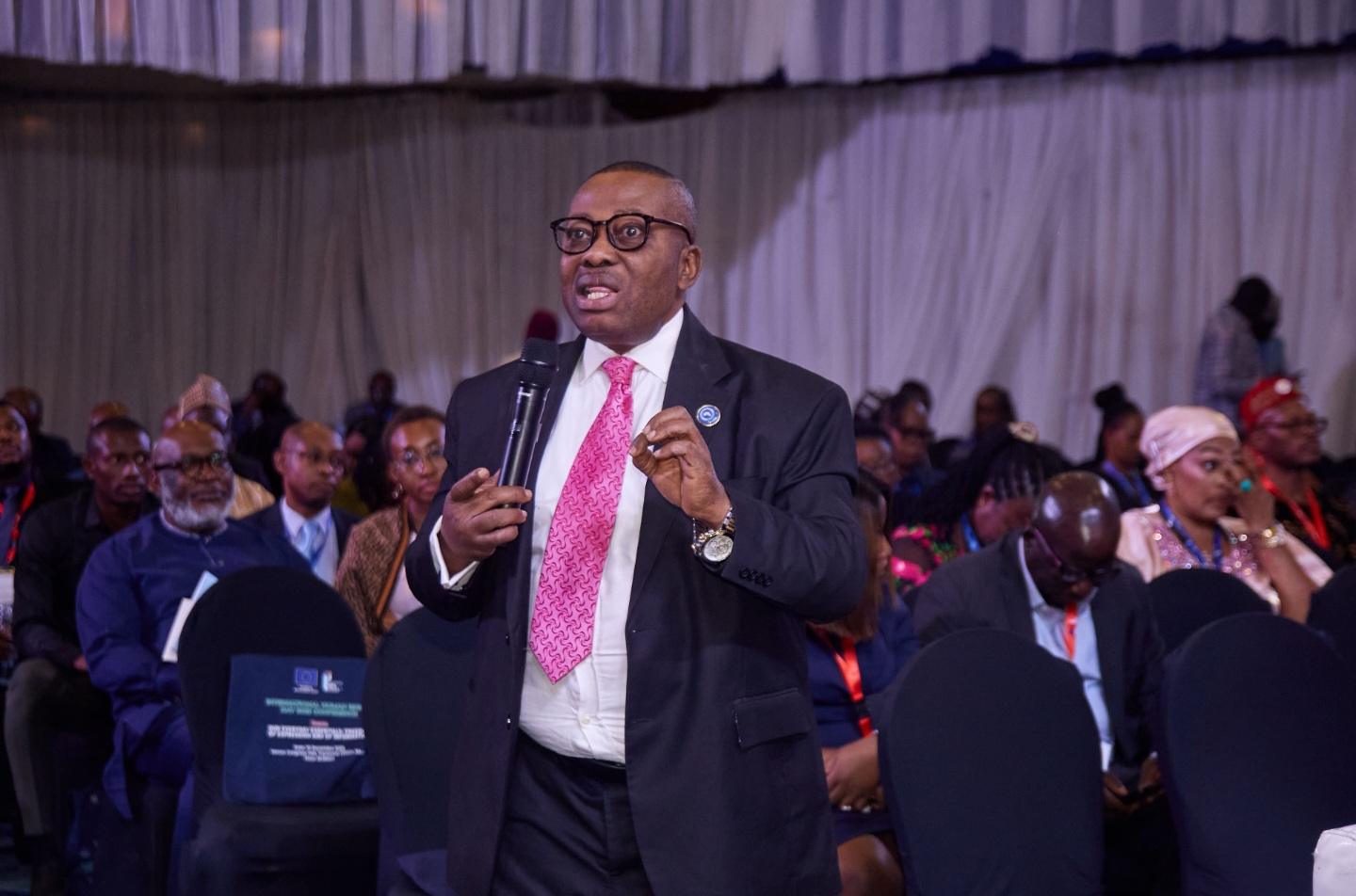
Representing the panel, Dr. Monday Ubani urged public officers not to treat official records as private assets: “People want to have information…We know how public officers were hiding information, believing it’s a private property… ”

Dr Monday Ubani

The panelists questioned the constitutionality of the FOI Act’s exemptions in light of Section 45 of the Constitution, which sets strict conditions for limiting rights.

They emphasised that any restriction must be “under a written law,” tied to grounds such as “morality, public safety, and… privacy, and reasonable in a democratic setup.”

According to Ubani: “These three-way test is the only thing that can make any judge to refuse to other information to be divulged… The judges must look at it.”

He stressed that government agencies must justify any exemption: “You must prove it. It must be in the public interest that you are denying public information… So the judges have a role to play.”

Legislative Review

The panel further called for legislative review and proposed an independent FOI Commission to improve compliance.

Panel 2 representative, Kenechukwu Agwu underscored the need for free, reliable legal information rooted in “Courage, balance, respect and knowledge,” arguing that “government needs to take responsibility for putting out information and not let citizens keep hunting for information…”

From Panel 3, Mrs. Maria Badeva emphasised sustainable nationwide rollout, starting with digitalised courts and top-down policy reforms: “…where courts and government printers etc., set a policy that there should be public access to legal information and a discussion on how we make it sustainable.”

Presenting submissions from Panel 4, Mr. Soji Apampa assessed FOI implementation, saying, “Our progress on the journey is still like two miles out of 10…”, though over 100 MDAs disclose information, this remains a small share of more than 1,000 MDAs.

He questioned physical-appearance requirements: “Those who are successful are those who know people who know people… why should that be the case?”

The panel proposed digital dashboards and commended President Tinubu’s growing political will: “This government appears to have some will…”

Panel 5’s Mr. David Ugolor, flagged cost barriers, legal complexities and the need for stronger citizen–government collaboration: “The current information act is difficult to use… they need to be reformed.”

He stressed technology’s value, information asymmetry and civil society capacity: “Civil society need to increase their capacity… particularly when they make a request that request need to be specific…”

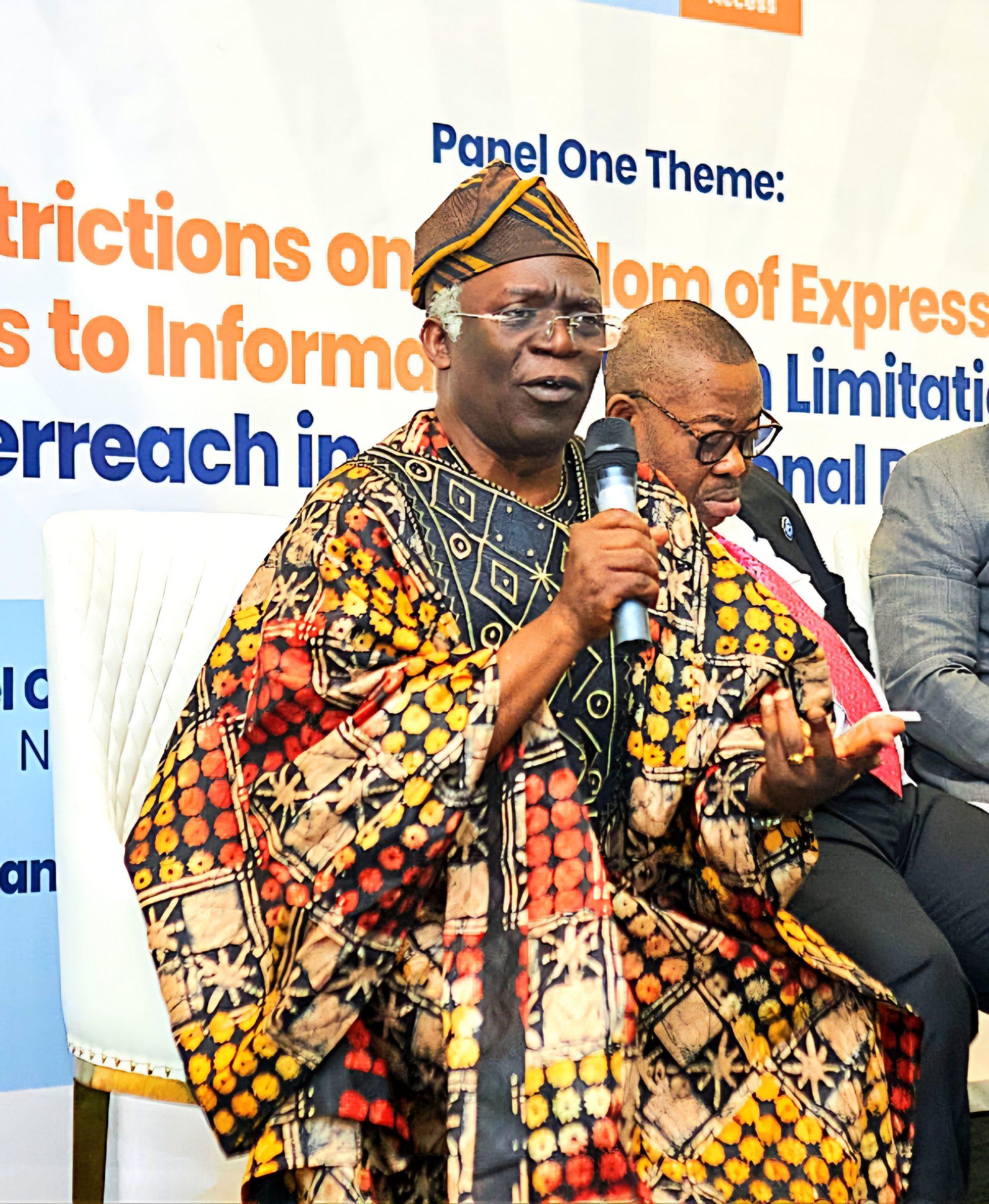
Senior Advocate of Nigeria Femi Falana

In an interview, Senior Advocate of Nigeria Femi Falana urged Citizens to use existing laws;
Nigeria has made a lot of progress… but in terms of implementing… the government must educate our people to become aware of their rights.” He said.

He also emphasised citizens’ responsibility saying; “Nigerians themselves must begin to fight for the implementation of welfare laws… to fight poverty, to fight unemployment.”

Falana called on NGOs to deepen grassroots engagement: “We must now go out to the masses… and see how we can conscientise them… so that they can hold the government accountable.”

In attendance were stakeholders from civil society, the judiciary and the media, who examined the state of digital rights, justice-sector reforms and constitutional challenges under the theme “Our Everyday Essentials: Freedom of Expression and Access to Information.”

Dangote Cement Intensifies Road Safety Campaign in Ogun State

0


Dangote Cement Ibese Plant has intensified its road safety campaign with a comprehensive sensitisation programme for commercial drivers and motorcycle operators in Ogun State, as end-of-year travel increases in Nigeria.

The initiative underscored the dangers of speeding and highlighted the critical need for riders to understand truck blind spots, a major cause of fatal road crashes.

The event drew hundreds of drivers and riders from Ilaro and surrounding communities in Ogun State, many of whom described the session as “timely given the spike in vehicular movement associated with the Ember months.”

Beyond safety education, the company also distributed protective gear including helmets, reflective jackets, and safety goggles to enhance rider visibility and reduce vulnerability during night travel.

Addressing participants, Unit Commander of the Federal Road Safety Corps (FRSC) Assistant Corps Commander Sulaiman Oluwadumiye, cautioned that excessive speed remains a leading culprit in road fatalities.

He explained that “high speed reduces a rider’s ability to detect hazards and brake effectively, adding that the risk becomes even more severe when articulated trucks are involved, as their limited visual range can conceal smaller vehicles in deadly blind spots.

“Speed is sweet the engine sounds powerful, the road looks open, and you feel in control. But the same speed that feels good for one minute can destroy a family in another second. The road has no respect for confidence or experience. There is no medal for the fastest driver, only sorrow for the careless one.”

One of the key sessions focused on identifying and avoiding a truck’s four major blind zones: directly in front, behind, and along both sides.

Facilitators used live demonstrations with motorcycles and a stationed truck, leaving many riders shocked at how easily they could vanish from a truck driver’s line of sight.

Most crashes involving motorcycles and trucks happen because riders unknowingly enter these danger zones, recalling a recent fatal incident in which a rider overtook a truck from the wrong side and disappeared into a blind spot” Oluwadumiye said

Head of Transport and Safety at the Ibese Plant, Peter Abuad led practical demonstrations to reinforce the message, saying; “If you are in any of these blind spots, the truck driver does not know you’re there. Avoid them at all time, Dangote Cement Ibese is committed to ensuring safety and improving lives.”

Health, Safety and Environment representative for Dangote Cement Transport (Nigeria & Pan Africa), Mrs Ebere Okonkwo described the campaign as part of the company’s broader mission to promote responsible road use and foster safer interactions between heavy-duty trucks and other road users.

Safety is a shared responsibility,. This programme teaches drivers and riders how to identify blind spots and equips them with safety kits.

“Overspeeding, impatience, and miscalculations remain leading causes of preventable road accidents. We urge riders to prioritise safe habits, especially as we approach the New Year when traffic volumes peak,” she added.

Officials from the Ogun State Traffic Compliance and Enforcement Agency (TRACE) and the Vehicle Inspection Office (VIO) commended Dangote Cement for sustaining its public-safety initiatives.

The event culminated in a road show through key areas of Ilaro, reinforcing the campaign’s core message: in the Ember months and beyond, patience and responsibility not speed are the true safeguards of life.