Home Blog Page 498

UNDP Calls for More Women Inclusion in Political Leadership

0

The United Nations Development Programme (UNDP) has cautioned that Nigeria’s continued exclusion of women from political leadership positions is no longer merely a social concern but a growing threat to the nation’s competitiveness in an increasingly dynamic global landscape.

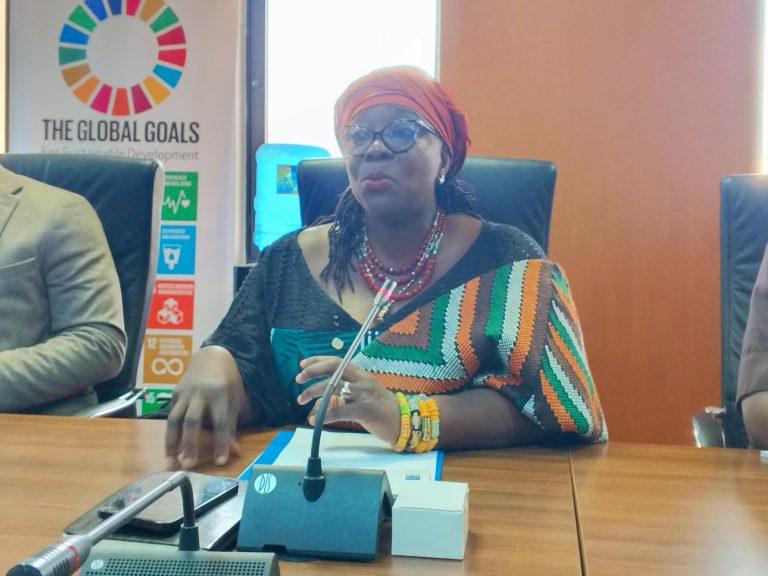
Speaking in Abuja at a high-level roundtable with media practitioners on the Reserved Seats for Women Bill aimed at increasing women’s representation in Parliament, the UNDP Resident Representative for Nigeria, Elsie Attafua, explained that the debate over the proposed Special Seats Bill for Women must move beyond emotion and politics.

Stressing that women’s political participation is now a strategic requirement for Nigeria’s survival and leadership in a world being reshaped by artificial intelligence, demographic disruptions, mineral politics, and geopolitical rivalry.

“Nigeria must navigate a world of shifting geopolitics, rapid technological transformation, artificial intelligence, the internet of things, demographic pressures, and contested influence. Nigeria cannot walk into that future with half its population excluded from shaping decisions. Nigeria cannot compete globally with less than 5% female representation. We need different voices and ideas around the table to position Nigeria as a great leader,” she explained.

In a rare departure from the usual donor-language diplomacy, the UNDP Country Representative described Nigeria’s current representation of women as less than 5%, as incompatible with the country’s ambition to lead Africa.

“Global data consistently shows a direct link between women’s political leadership and national progress in economic growth, health, education, and technological innovation. There is clear evidence. When women sit at the decision-making table, countries do better economically, socially, and technologically,” she emphasised.

She cited countries like Rwanda, Senegal, Mexico and Sierra Leone as examples where gender quotas unlocked political stability, innovation and stronger governance systems, stressing that Nigeria risks missing out on Beijing+30 Gains.

By comparison, she noted that Nigeria still has “less than 5%” female representation in political decision-making, with only four women in the Senate and about 17 in the House of Representatives.
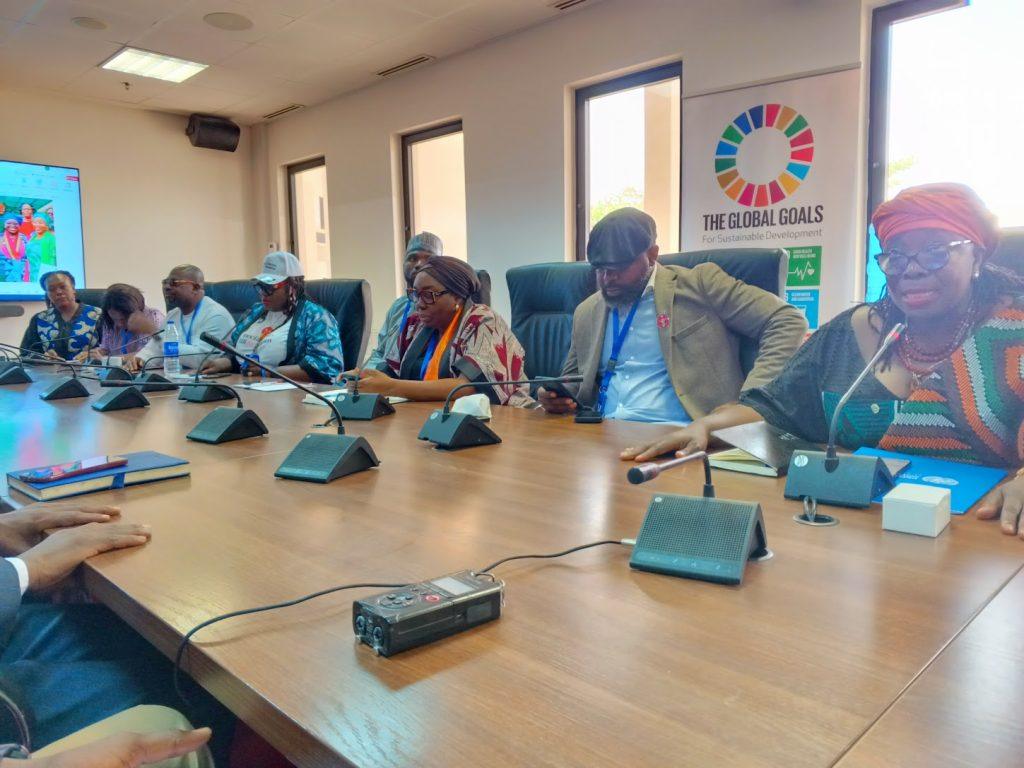
She further commended Nigerian advocates for their effort and energy in pushing gender inclusion.

“A few days ago, I saw men and women engaging legislators, offering creative solutions, and advocating that we make history together,” she said.

Referencing this year’s Beijing Plus 30 anniversary of the Beijing Declaration, she said global progress on gender equality remained uneven, with Nigeria’s progress remaining far off the mark, especially in political participation.

“The gaps are still huge. We are far away from gender equality in political leadership. The 16 Days of Activism remind us that it cannot be just 16 days; it must be 365 days of responsibility. The bill aligns with Nigeria’s international obligations under SDG 5, SDG 16 and CEDAW. We feel it is an opportunity to create momentum for the imperatives under Beijing Plus 30 and under the Sustainable Development Goals,” she said.

According to her, around the world, countries are using special seats or quota systems as temporary tools to correct historical and structural exclusion.

“This is not tokenism. It is a proven mechanism to level the field where history has tilted it.”

While Nigerian political debates often frame women’s representation as charity, fairness or morality, Ms Attafua shifted the frame entirely, calling it an economic, security and development imperative.

“Inclusive governance is now directly linked to a nation’s ability to survive global shocks from digital disruption to mineral tensions and geopolitical competition. In a world driven by AI, demographic explosion and contested global influence, Nigeria needs every voice, every idea, every perspective to compete,” she said.

She reaffirmed that UNDP’s involvement in supporting the process at the invitation of the National Assembly was anchored on evidence that inclusive governance drives national progress.

 We have been working with the National Assembly, supporting consensus-building and communication, and leveraging the newly launched African Facility for Women in Political Leadership, led by a Nigerian Regional Director. Nigeria Must Not Sleepwalk Into the Future,” she said.

The UNDP Resident Representative charged Nigerian media professionals to be active in helping to dismantle stereotypes and misinformation about women in politics.

Mrs Ifendu commended all the support from partners such as UNDP, UN Women, the Canadian government, the EU, the British High Commission, and Nigerian men within and outside the parliament, who are making sure the bill is passed.

ISA 2025 to Drive Economic Growth, Boost Capital Formation

The Investments and Securities Act (ISA) 2025, signed into law by President Bola Tinubu, is expected to drive the nation’s economic growth and further enhance capital formation in the capital market.

This was the position of both the Securities and Exchange Commission (SEC) and Nigerian Exchange Group at the 2025 Capital Market Correspondents Association of Nigeria (CAMCAN) workshop, which took place during the weekend in Lagos.

This year’s workshop had as its theme: “Regulatory Reforms: ISA 2025 and Nigeria’s Investment Climate.”

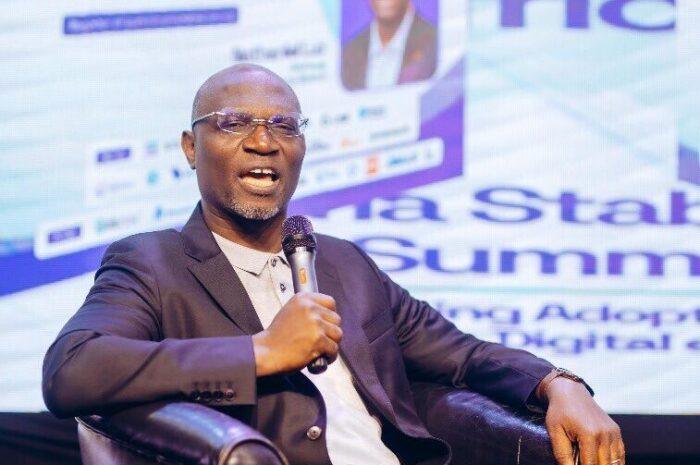
Giving his keynote address, the Director-General, SEC, Mr Emomotimi Agama, stated that the ISA 2025 is not only a replacement for the 2007 Act, as it represents a comprehensive reform agenda designed to modernise the regulatory environment, strengthen governance, attract investment, and reposition Nigeria’s capital market to meet the demands of a dynamic global economy.

Agama, who was represented by Lagos Head of the Commission, John Briggs, noted that the CAMCAN workshop theme suggests regulatory reforms play a defining role in shaping the nation’s investment climate, and ISA 2025 is central to that transformation.

According to him, operating under the ISA 2025 is aimed at aligning with International Organisation of Securities Commissions (IOSCO) standards, with the imperative to strengthen Nigeria’s investment climate by building a deeper, more resilient capital market.

“One of the most transformative aspects of the ISA 2025 is the clarity it brings to the mandate of the Securities and Exchange Commission.

“For the first time, the Act explicitly sets out the regulatory objectives, functions, and powers of the Commission, including acting in the public interest, protecting investors, maintaining fair and transparent markets, preventing unlawful practices, reducing systemic risks, and supporting capital formation,” he said.

He noted that the major conceptual shift introduced by ISA 2025 is the transition from regulating only “Capital Market Operators” to supervising a wider class of “regulated entities.”

Part of which includes digital asset and virtual asset exchanges, warehouse operators and warehouse receipt systems, derivatives and commodities platforms and market infrastructure operators.

He maintained that for the first time, the SEC is empowered to identify market-wide vulnerabilities, collaborate with other regulators during periods of financial stress, take pre-emptive action to prevent contagion, and ensure the stability of systemically important institutions.

For investors, he explained that the ISA 2025 signals a more resilient and predictable market environment, one that is better able to withstand shocks.

According to him, the ISA 2025 addresses Ponzi schemes more decisively by giving the SEC power to seal prohibited schemes and impose criminal sanctions.

“These reforms protect retail investors, deepen the fund-management industry, and encourage genuine collective investment vehicles that can mobilise long-term capital.

“This is a strong boost to investor confidence and contributes meaningfully to improving Nigeria’s investment climate,” Agama added.

He, however, called on the collective responsibility of stakeholders to bring the framework to life through collaboration, capacity building, and faithful implementation.

“The ISA 2025 will become the cornerstone of the capital market Nigeria needs and deserves, and a catalyst for a stronger and more competitive investment climate,” he added.

While giving his speech, the Chairman of, Nigerian Exchange Group, Alhaji Umaru Kwairanga, stated that the recent reforms encapsulated in the IS 2025 have entered a pivotal phase in strengthening market governance, boosting investor protection, and enhancing overall market competitiveness.

He emphasised that, “These reforms are not merely regulatory updates; they are foundational shifts designed to modernise our capital market architecture, attract deeper pools of capital, and position Nigeria as a top-tier investment destination within Africa and globally.

“As we navigate the complexities and opportunities presented by these reforms, your role as market media stakeholders becomes even more critical.”

He called on participants at the conference to maximise opportunities offered by ISA 2025 as regulators, operators, investors, and the media work in alignment.

He commends CAMCAN for its unwavering commitment to enriching capital market literacy and facilitating meaningful engagement among stakeholders.

“I am confident that the insights shared today will contribute significantly to strengthening Nigeria’s capital market and supporting sustainable economic growth,” Kwairanga added.


Olusola Akintonde

House Mandates Nigerian Electricity Commission To Enforce Band Charges

0

The Chairman of the House of Representatives Ad-Hoc committee investigating the expenditure in the electricity sector, Mr. Ibrahim Al-Mustapha Aliyu has called for more efforts in providing electricity meters to Nigerians.

Al-Mustapha made the call as the Acting Chairman of the Nigerian Electricity Commission, Mr. Yusuf Ali appeared before the Ad-Hoc committee, in Abuja.

He said that “despite the fact that estimated billing was illegal, NIgerians continue to be billed illegally.”

He said only one per cent of Nigerians are covered with metres till date.

The Chairman also said that customers have been complaining about service delivery and sharp practices by distribution companies.

He noted that the committee is working towards meeting the yearnings of the people.

Mr. Aliyu also emphasized that the tariff across the bands and the service delivery needs to be improved.

The Acting Chairman of the Nigerian Electricity Commission, Mr. Yusuf Ali while responding to questions admitted the commission is aware of the sharp practices of the Discos.

Ali however said that the Discos had to find a way of billing customers without meters.

“Sir, unfortunately, yes we are aware. The office has been indaunated with complaints from customers with regards to service delivery. What we will like to note is that in most cases especially in band A, we have Internet of things metres on the feeders to help us track the service quality. So we are able to actually compare the data submitted by the customer with what we have observed on the network. And as I mentioned earlier, any instances where we observe a disco delivering a service lower than what is advertised, not only do we downgrade the feeder, we also have a compensation mechanism,” Mr. Ali said.

He said that the commission issued a cap for non meters customers to check over billing and issue sanctions.

Mr. Ali said that the commission now issues feeders every month to check sharp practices.

He added that the commission has issued sanctions to three discos, Abuja, Eko and another one.

Kaduna Polo Club Partners With UNFPA Against GBV

0

The United Nations Population Fund (UNFPA), in collaboration with the Kaduna Polo Club, has engaged in sporting activities to campaign against Gender-Based Violence (GBV).

This is part of the activities to mark this year’s 16 Days of Activism.

A novelty match was organised between the El-Amin and Kaduna Polo Clubs as a vehicle to pass information to the public on the dangers of gender-based violence.

Speaking at the event, the Kaduna State Nigeria, Commissioner for Women Affairs and Social Development, Rabi Salisu disclosed that the choice of polo underscored the message that every sector of society can contribute to ending GBV.

She said “the activity was aimed at raising awareness on preventing GBV and uniting the public against digital bullying.

The message is clear; Kaduna state is committed to becoming a GBV-free state, and perpetrators have nowhere to hide.”

She also highlighted the government’s investments in survivors’ support systems, including strengthened referral pathways, expanded safe spaces, the Katuru Road Women and Children Shelter, and the diversion centre for children at risk of conflict with the law.

She explained that “Kaduna now operates five sexual assault referral centres and four dedicated family courts, positioning it among Nigeria’s leading states in GBV response.”

Speaking on the theme, the UNFPA Nigeria Resident Representative, Muriel Mafico mentioned that the 2025 theme focuses on technology-driven.

According to Mafico, “we are seeing Gender-Based Violence happening online. Women, girls, boys, and men are now vulnerable to digital violence. This is a global concern, and everyone has a role to play.”

She also commended the Kaduna Polo Club for initiating the partnership, describing sports as a powerful medium for mobilizing influential voices.

Mafico said; “Sports bring people together, and once again, they are helping us to amplify a critical national issue. Together with the polo club, we are galloping toward a Nigeria free from Gender-Based Violence.”

She said while the 16 Days of Activism provides a global rallying moment, the commitment must be extended beyond December, stressing that every day should be a day of activism.

Mafico added that violence is preventable, and individual choices play a crucial role in creating safe and protective environments for all.

Nigeria Launches Campaign Promoting Patriotism and Responsibility

0

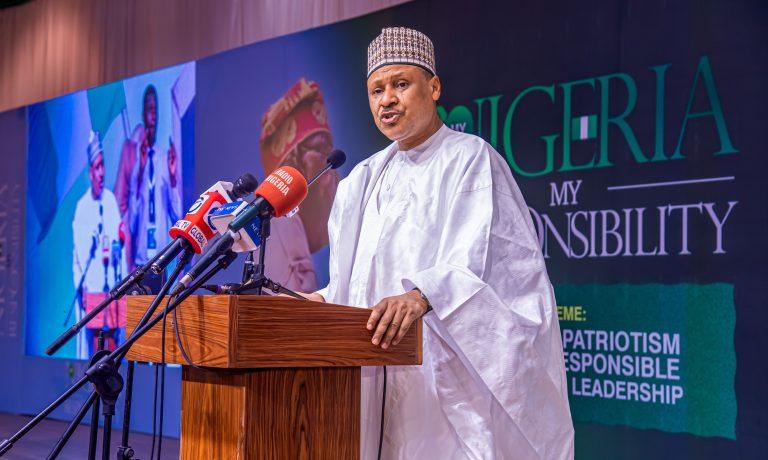
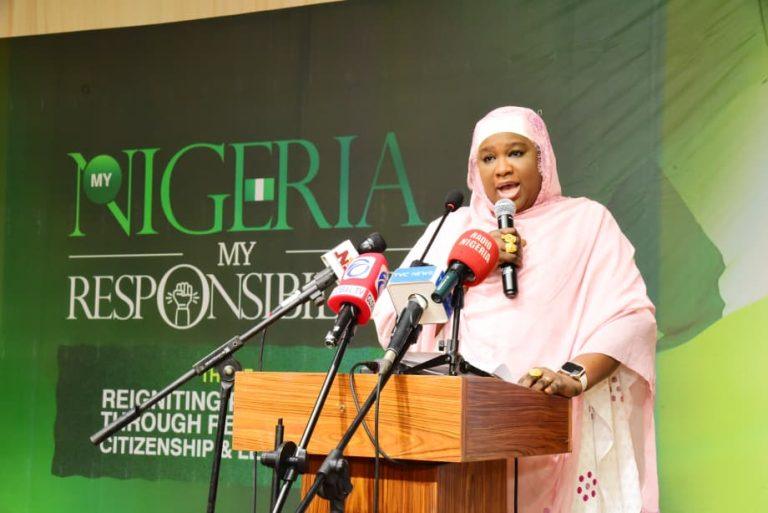
The Nigerian government has launched a nationwide citizenship movement designed to transform patriotism from mere emotion into everyday action, responsibility, and nation-building.

The initiative, titled “My Nigeria, My Responsibility,” was officially flagged off in Abuja, Nigeria, by the Minister of Information and National Orientation, Mohammed Idris, who represented President Bola Ahmed Tinubu.

Speaking on behalf of the President, the Minister described patriotism as an active verb, a collective duty expressed through personal values, tax compliance, truthfulness in public discourse, and a shared commitment to national progress.

“True patriotism is the daily choice to be responsible for our nation’s story, its progress, and its image. Nigeria’s destiny does not rest in the hands of a few, but in the actions of 200 million citizens.”

The Minister also highlighted President Tinubu’s decades-long defence of democracy, noting that the President’s political journey reflects the very essence of responsible citizenship the campaign seeks to inspire nationwide.

He outlined the administration’s major policy reforms, including the removal of fuel subsidies, foreign exchange reform, tax justice initiatives, and digitalised revenue mobilisation. He linked them directly to citizen responsibility and shared prosperity.

He described tax compliance as a civic duty that directly funds national development: “Patriotism is in the taxes you pay. When you pay your fair share, you are directly investing in the school your child attends, the road your business uses, and the security that guards your home.”

Idris further announced that, in February 2026, the ministry will inaugurate the National Media and Information Literacy (MIL) Institute, a landmark public education platform that will equip citizens with tools to verify information, resist misinformation, and engage ethically online.

“We must not weaponise falsehood. In this digital age, truthful communication is a patriotic duty,” the minister stressed.

He urged citizens to embody the values enshrined in the newly adopted Citizens’ Charter of National Values: integrity, patriotism, diligence, tolerance, and excellence.

The minister added a call for every Nigerian to embrace the campaign as a national covenant for responsible nation-building. “The President is providing the canvas of stability and vision; the rest of us must pick up the brush. Let us paint together the masterpiece of a new Nigeria, through our values, our taxes, our stories, and our actions. My Nigeria, My Responsibility.”

The campaign, spearheaded by the Presidency through the Office of the Special Assistant to the President on Citizenship and Leadership, aims to rekindle a culture of responsible citizenship.

Stakeholders Forge Unified Direction on Capital Gains Tax Reform

The newly enacted Capital-Gains-Tax (CGT) provisions have gained remarkable momentum marking a deliberate shift towards a more predictable and market-aligned rollout with the inauguration of the National Tax Policy Implementation Committee by the Nigerian Government.

The move follows extensive technical engagements with key capital-market institutions, including the Securities and Exchange Commission (SEC) and Nigerian Exchange Group (NGX Group), reflecting policymakers’ recognition of the market’s role in sustaining liquidity, price discovery and long-term capital formation.

Chaired by leading tax and fiscal-policy expert Joseph Tegbe, the committee has been tasked with steering the implementation process toward clarity, investor protection, and policy coherence.

Mandate

Its mandate includes ensuring transparent guidelines, broad stakeholder consultation, and an execution framework that minimizes market disruption while reinforcing confidence among domestic and foreign investors.

Tegbe said the government would avoid policies that risk disrupting market activity or business investment.

“Implementation of the new tax laws will be fair, transparent, and humane. We will not roll out these policies in a way that cripples businesses or investors. Stakeholder engagement will be central to this process,” he said at the inauguration.

The shift follows sustained engagements by NGX Group and the SEC, during which market operators outlined the potential implications of a rapid CGT rollout on liquidity, investor sentiment and the market’s competitiveness at a time when Nigeria is seeking deeper pools of domestic and foreign capital.

The Chief Executive Officer of NGX Group, Temi Popoola commended the government’s approach, noting that the group, in collaboration with the SEC, has consistently advocated for a data driven approach that balances fiscal objectives with the need to preserve market depth.

He said; “We support the modernisation of Nigeria’s tax system, but reforms of this scale must be carefully calibrated to protect liquidity, sustain participation, and maintain competitiveness.

“Our engagements with government have focused on ensuring that implementation supports the capital market’s role in long-term investment and economic growth.”

Popoola added that global competitiveness hinges not only on policy intent but also on the precision of execution, particularly for emerging markets seeking cross-border flows.

The government’s consultations intensified after the Minister of Finance and Coordinating Minister of the Economy, Wale Edun, visited NGX Group, where market operators outlined the potential unintended consequences of an abrupt CGT rollout.

Analysts view the inauguration of the NTPIC as a constructive signal to investors, indicating that authorities intend to anchor fiscal reforms in evidence and consultation rather than speed alone.

Both SEC and NGX Group have pledged continued collaboration with the committee to ensure that the eventual CGT implementation supports confidence, broadens participation, and aligns with long-term capital-market development objectives.


Olusola Akintonde

FCT Minister of State Urges Embrace of Civic Responsibility

0

The FCT Minister of State, Dr Mariya Mahmoud, has expressed confidence that the recently launched “My Nigeria, My Responsibility” campaign would drive widespread citizen-led action across schools, workplaces, and local institutions.

Mahmoud made this known at the official launch of the campaign, organised by the Office of the Senior Special Assistant to the President on Citizenship and Leadership, held at the Banquet Hall in the Presidential Villa.

She called on all Nigerians to view the initiative as an opportunity to strengthen ethical leadership, volunteerism, youth mentorship, and the protection of national assets.

Mahmoud noted that the campaign was both timely and visionary, coming at a moment when Nigeria is experiencing significant transformation under the leadership of President Bola Ahmed Tinubu.

The minister emphasised that nation-building transcends government alone, demanding collective responsibility from every individual, community, and organisation.

She highlighted the Federal Capital Territory’s role as the administrative and symbolic centre of Nigeria, underscoring ongoing efforts to promote responsible citizenship, civic culture, and community participation within the FCT.

In her words: “Through inclusive policies focusing on security, environmental stewardship, and engagement, the FCT aims to empower residents to contribute positively to their communities and the nation at large.

“The campaign’s message resonates deeply with the administration’s commitment to discipline, upholding the rule of law, and fostering social harmony.

“The FCT Administration pledges continued support for programmes that build character and promote civic responsibility, particularly among young people who represent Nigeria’s future.”

Mahmoud hailed the initiative as a crucial platform that calls on all Nigerians, including citizens, institutions, and leaders alike, to embrace their civic duties and take ownership in nation-building.

Abia State Launches 7.5MVA Power Substation in Umuahia

The Abia State has taken a significant step towards improving electricity
supply.

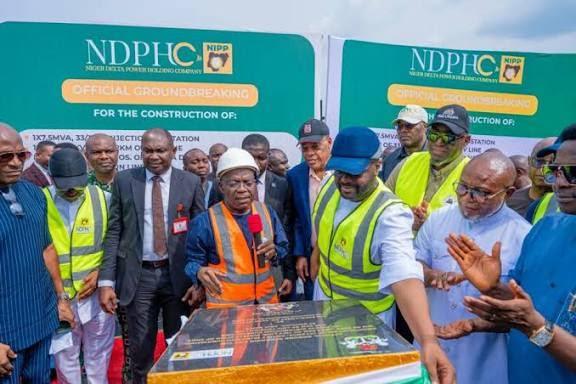
This comes as the State government, in collaboration with the Niger Delta Power Holding Company (NDPHC), flagged off the construction of a 7.5MVA, 33/11kV Injection Substation in Umuahia, the Abia State capital.

Performing the groundbreaking ceremony, the State Governor, Alex Otti described the project as a transformative investment that will greatly enhance power availability and distribution reliability across the State.

Governor Otti noted that “the initiative marks the start of a broader plan to modernize Abia’s power infrastructure and strengthen service delivery to residents and businesses.”

The substation project is being executed under the National Integrated Power Project (NIPP) and its components include the construction of a 1km 33kV line, 1.2km of 11kV line, installation of two 300kVA distribution transformers, and the development of 2km of low-tension network to improve last-mile electricity distribution.

He further disclosed that the Abia State Government has made provisions in the 2026 fiscal budget for the construction of another 7.5MVA Injection Substation within the same axis. Upon completion, the
two facilities will bring the total distribution capacity in the Ogurube Layout of Umuahia to 15MVA.

The Governor commended the Nigerian Government and NDPHC for selecting Abia for the intervention.

He also applauded ongoing power sector
reforms by President Bola Ahmed Tinubu. He stated that the new policies have broadened the national electricity landscape to allow greater State involvement, increased private sector investment, and stronger international collaboration.

The Niger Delta Power Holding Company, Managing Director/CEO, Jennifer Adighije was represented at the event by Executive Director, Networks, Bello Babayo Bello.

Adighije reiterated the company’s commitment to delivering reliable and sustainable electricity infrastructure across Nigeria.

She said the Umuahia substation aligns with NDPHC’s mandate of empowering communities and fostering economic growth.

Stakeholders at the ceremony however emphasized that the partnership between the Nigerian Government, NDPHC, and the Abia State Government underscores the importance of collaborative efforts in delivering critical infrastructure.

The project when completed is expected to improve power supply, stimulate small and medium-scale enterprises, support industrialisation, and enhance the overall quality of life for residents of Umuahia and neighboring communities.


Olusola Akintonde


Dangote Cement Promotes Road Safety Campaign In Ogun

0

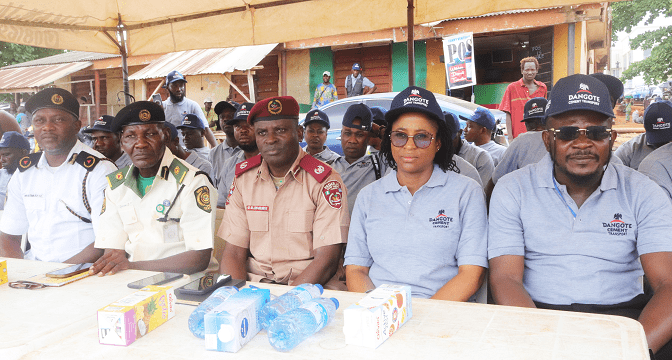
As the pace of end-of-year travel intensifies, Dangote Cement Ibese Plant has stepped up its road-safety campaign with a comprehensive sensitisation programme targeting commercial drivers and motorcycle operators in Ogun State.

The initiative underscored the dangers of speeding and highlighted the critical need for riders to understand truck blind spots, a major cause of fatal road crashes.

The event drew hundreds of drivers and riders from Ilaro and surrounding communities, many of whom described the session as timely, given the spike in vehicular movement associated with the Ember months.

Beyond safety education, the company also distributed protective gear, including helmets, reflective jackets, and safety goggles, to enhance rider visibility and reduce vulnerability during night travel.

Addressing participants, Unit Commander of the Federal Road Safety Corps (FRSC), Assistant Corps Commander Sulaiman Oluwadumiye, cautioned that excessive speed remains a leading culprit in road fatalities.

He explained that high speed reduces a rider’s ability to detect hazards and brake effectively, adding that the risk becomes even more severe when articulated trucks are involved, as their limited visual range can conceal smaller vehicles in deadly blind spots.

“Speed is sweet: the engine sounds powerful, the road looks open, and you feel in control. But the same speed that feels good for one minute can destroy a family in another second. The road has no respect for confidence or experience. There is no medal for the fastest driver, only sorrow for the careless one.”

One of the key sessions focused on identifying and avoiding a truck’s four major blind zones: directly in front, behind, and along both sides. Facilitators used live demonstrations with motorcycles and a stationed truck, leaving many riders shocked at how easily they could vanish from a truck driver’s line of sight.

“Most crashes involving motorcycles and trucks happen because riders unknowingly enter these danger zones, recalling a recent fatal incident in which a rider overtook a truck from the wrong side and disappeared into a blind spot,” Oluwadumiye said.

Head of Transport and Safety at the Ibese Plant, Peter Abuad, led practical demonstrations to reinforce the message. “If you are in any of these blind spots, the truck driver does not know you’re there. Avoid them at all times. Dangote Cement Ibese is committed to ensuring safety and improving lives.”

Health, Safety and Environment representative for Dangote Cement Transport (Nigeria & Pan Africa), Mrs Ebere Okonkwo, described the campaign as part of the company’s broader mission to promote responsible road use and foster safer interactions between heavy-duty trucks and other road users.

“Safety is a shared responsibility. This programme teaches drivers and riders how to identify blind spots and equips them with safety kits. Overspeeding, impatience, and miscalculations remain leading causes of preventable road accidents. We urge riders to prioritise safe habits, especially as we approach the New Year when traffic volumes peak,” she added.

Officials from the Ogun State Traffic Compliance and Enforcement Agency (TRACE) and the Vehicle Inspection Office (VIO) commended Dangote Cement for sustaining its public-safety initiatives.

The event culminated in a road show through key areas of Ilaro, reinforcing the campaign’s core message: in the Ember months and beyond, patience and responsibility, not speed, are the true safeguards of life.

Nigerian President Orders Stronger Security Measures Against School Abductions

0

President Bola Ahmed Tinubu has directed Nigeria’s Security Agencies, in collaboration with State Governors, to adopt more decisive measures to prevent future Abductions from schools across the country.

The President gave the directive in a statement issued on Monday by his spokesperson, Mr Bayo Onanuga, welcoming the return of 100 Catholic students abducted from Papiri Catholic School, Niger State.

President Tinubu also directed Nigeria’s security agencies to intensify and expedite efforts toward the immediate rescue of the remaining 115 students and teachers of Papiri Catholic School in Niger State, as well as other citizens still being held hostage.

He commended the Security Agencies for their tireless efforts in securing the freedom of the 100 students of Papiri Catholic School.

President Tinubu assured the parents that both the Nigerian and Niger State governments are working closely to reunite all the abducted students with their families.

He said; “I have been briefed on the safe return of 100 students from the Catholic School in Niger State. I rejoice with Governor Umar Bago and commend our security agencies for their steadfast work in ensuring the safe return of the students to their families since the unfortunate incident on November 21.

“My directive to our security forces remains that all the students and other abducted Nigerians across the country must be rescued and brought back home safely. We must account for all the victims.

President Tinubu affirmed that the Nigerian government will continue to work with Niger State and other states to secure schools and make the learning environment safer and more conducive for the young ones.

From now on, our security agencies, working with the governors, must prevent future kidnappings. Our children should no longer be sitting ducks for heartless terrorists intent on disrupting their education and subjecting them and their parents to unspeakable trauma,” President Tinubu said.