

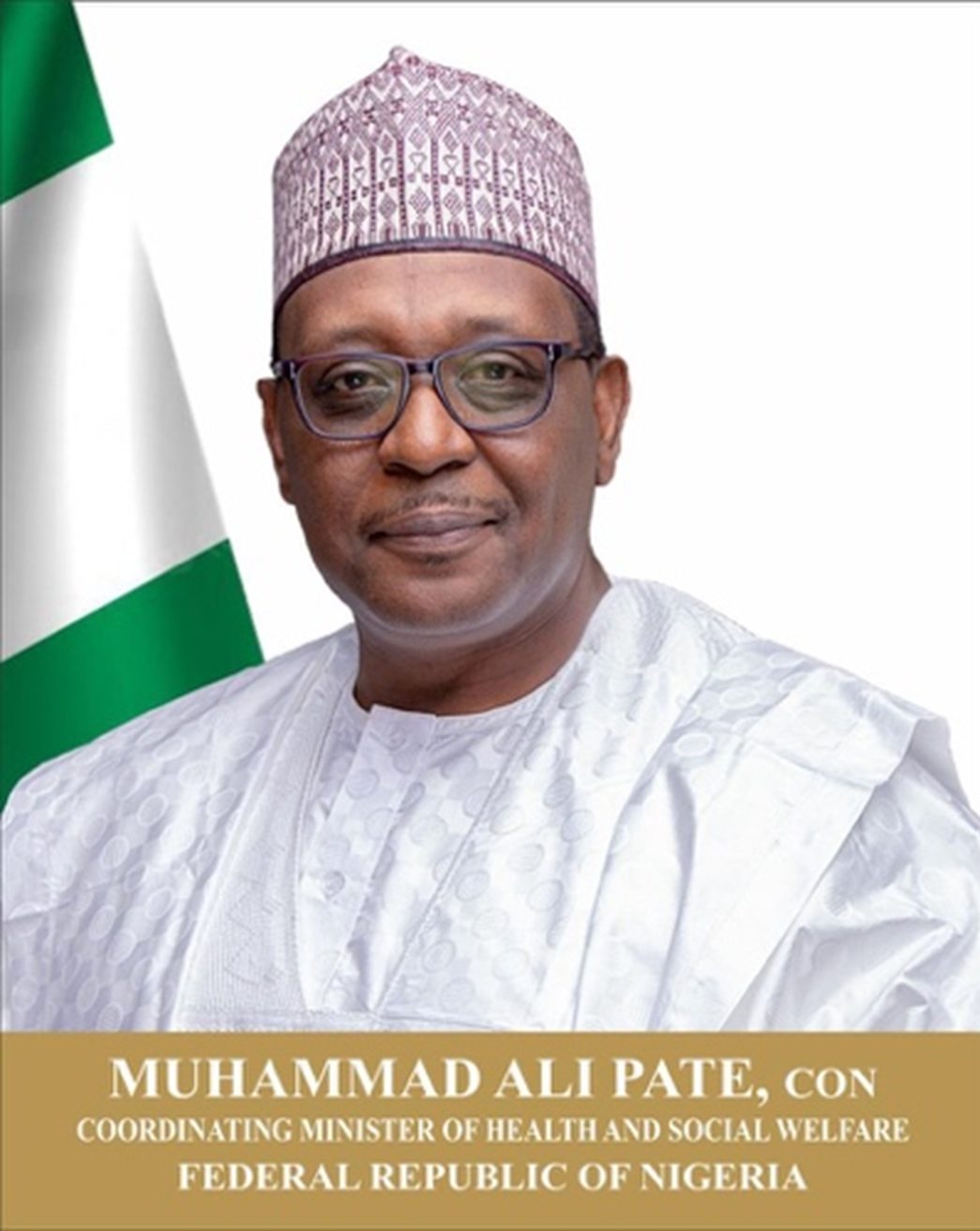
The Federal Government of Nigeria has announced plans to integrate haemophilia and other inherited bleeding disorders into maternal and child health services at primary and secondary healthcare levels nationwide.
The Coordinating Minister of Health and Social Welfare, Muhammad Ali Pate, disclosed this during a press briefing in Abuja to mark the 2026 World Haemophilia Day.
The initiative aims to improve early identification of cases and enrolment into comprehensive care for inherited bleeding disorders.
READ ALSO: Nigeria Reaffirms Commitment to Maternal, Newborn Health Outcomes

Represented by Dr Kamil Shoretire, the Minister expressed concern that although an estimated 21,101 Nigerians are living with haemophilia, only about three per cent had been diagnosed, highlighting a significant gap in detection and management.
“The Nigerian government notes that poor knowledge of haemophilia among healthcare providers remains a serious public health concern, and this could increase morbidity and mortality if not urgently addressed.” He warned
The Minister stressed that the 2026 theme, “Diagnosis: The First Step to Care,” aligns with national health priorities, emphasising that accurate diagnosis is critical to effective treatment.
READ ALSO: Migration Agency, Nigeria Launch Mental Health Programme for Returnees
Early diagnosis, he said, could prevent complications and improve productivity and quality of life for patients.
The Federal Government also announced the launch of a National Bleeding Disorders Registry to strengthen data collection and enhance care delivery.
In collaboration with the World Federation of Haemophilia and the Haemophilia Foundation of Nigeria, it will flag off the “Road to Clot Initiative” to identify undiagnosed patients, link them to treatment centres, and ensure long-term care.
According to him, the initiative would help address the socio-economic and psychological burden associated with haemophilia and other inherited bleeding disorders through targeted policies, including national guidelines and multi-sectoral collaboration on non-communicable diseases.
“We call on stakeholders, including the media, civil society, and communities, to intensify awareness campaigns and support the initiative to reduce the burden of bleeding disorders in the country.” The Minister urged.
In her goodwill message, the Executive Director of the Haemophilia Foundation of Nigeria, Megan Buckie Adediran, described the day as a reflection of the struggles and resilience of people living with bleeding disorders, commending healthcare workers and partners for their continued efforts.
Also speaking, Professor Theresa Nwagha, Vice President (Medical) of the foundation, said the “Road to Clot: Reaching the Undiagnosed” programme marked a significant step towards achieving health equity, with a focus on community-based screening, improved diagnostics, and strengthening the national registry.
As part of the initiative, five ambulances were unveiled to support outreach efforts, particularly in hard-to-reach areas, ensuring that undiagnosed individuals are identified, diagnosed, and provided with appropriate care.