

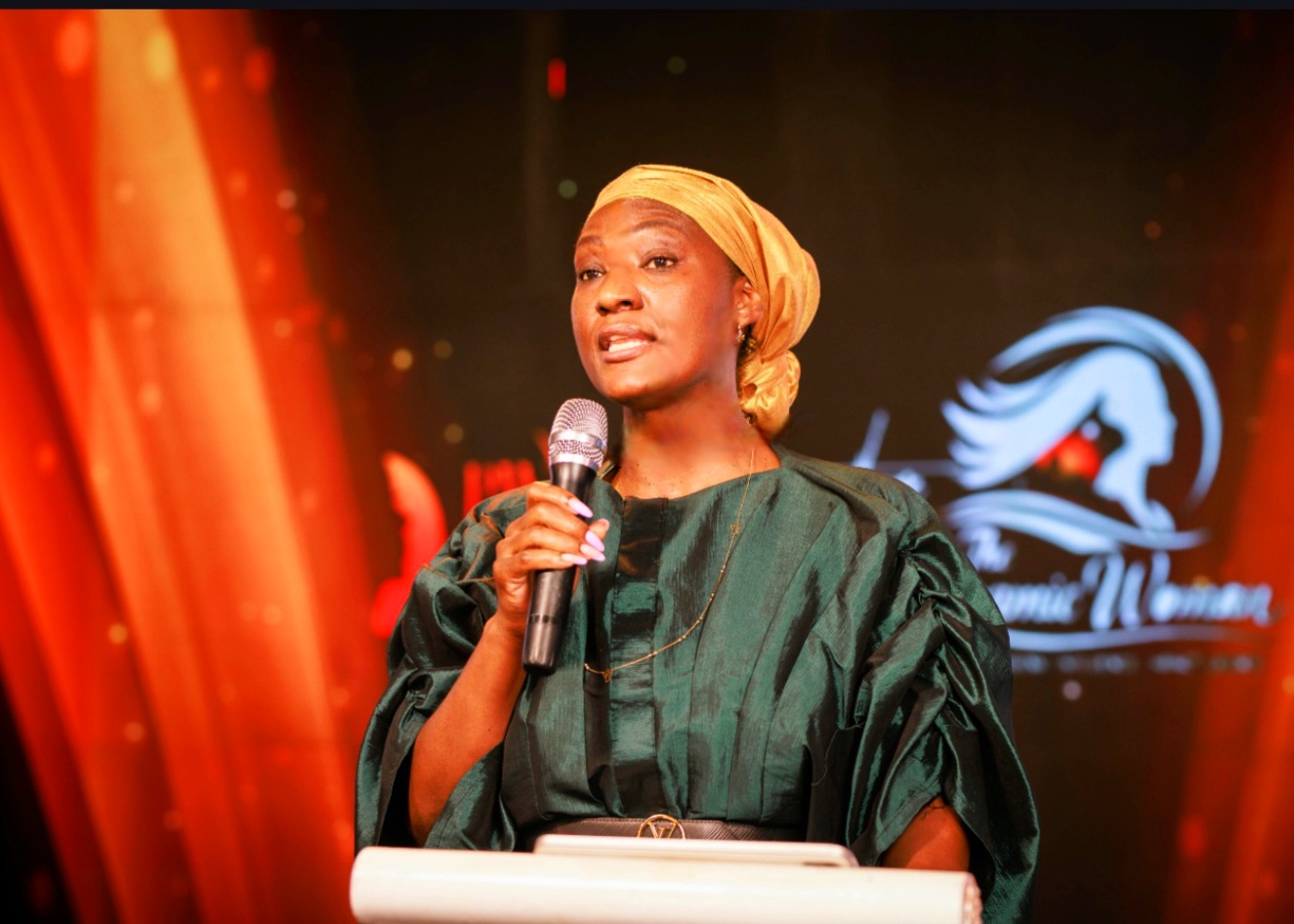
The Director of the International Labour Organisation (ILO) Country Office for Nigeria, Ghana, Liberia, Sierra Leone, and Liaison Office for ECOWAS, Dr. Vanessa Phala Moyo, has called for urgent, policy-driven reforms to advance women’s inclusion in Nigeria’s energy sector.
Delivering a keynote address at the Petroleum and Natural Gas Senior Staff Association of Nigeria (PENGASSAN) Women’s Annual Convention (PWAC) in Abuja, Dr. Moyo declared that “the next frontier of leadership must include women.”
Anchoring her message on labour standards, equity, and institutional accountability, she stated, “the pursuit of decent work for all, anchored in the principles of social justice, equality, and dignity,” must guide reforms in the petroleum and gas industries.
Highlighting the global shift in energy systems, she warned that “the green energy transition has the potential to create millions of new jobs, but this same transition will also displace millions of workers,” stressing that “the distribution of gains and losses is profoundly unequal.”
Dr. Moyo underscored that “women and young people bear a disproportionate share of labour market disruption and a disproportionately small share of the leadership positions,” insisting, “this must change, not merely as a matter of equity.”
On Nigeria’s oil and gas sector, she noted stark representation gaps, stating, “women constitute a small fraction of the workforce and at the senior executive and board levels, women’s representation almost disappears.”
The Country Director identified systemic barriers including “occupational segregation, social norms on mobility and authority, wage inequality and inadequate legal enforcement,” warning that their combined effect “keeps women out of high earning extractive roles and limits the sector’s diversity, productivity, and sustainability.”
READ ALSO: PENGASAN Women Call for More Inclusion in Energy Sector
Calling for concrete action, Dr. Moyo stressed, “a legislative framework without enforcement is a mere ornament,” urging measurable gender benchmarks within regulatory and licensing systems.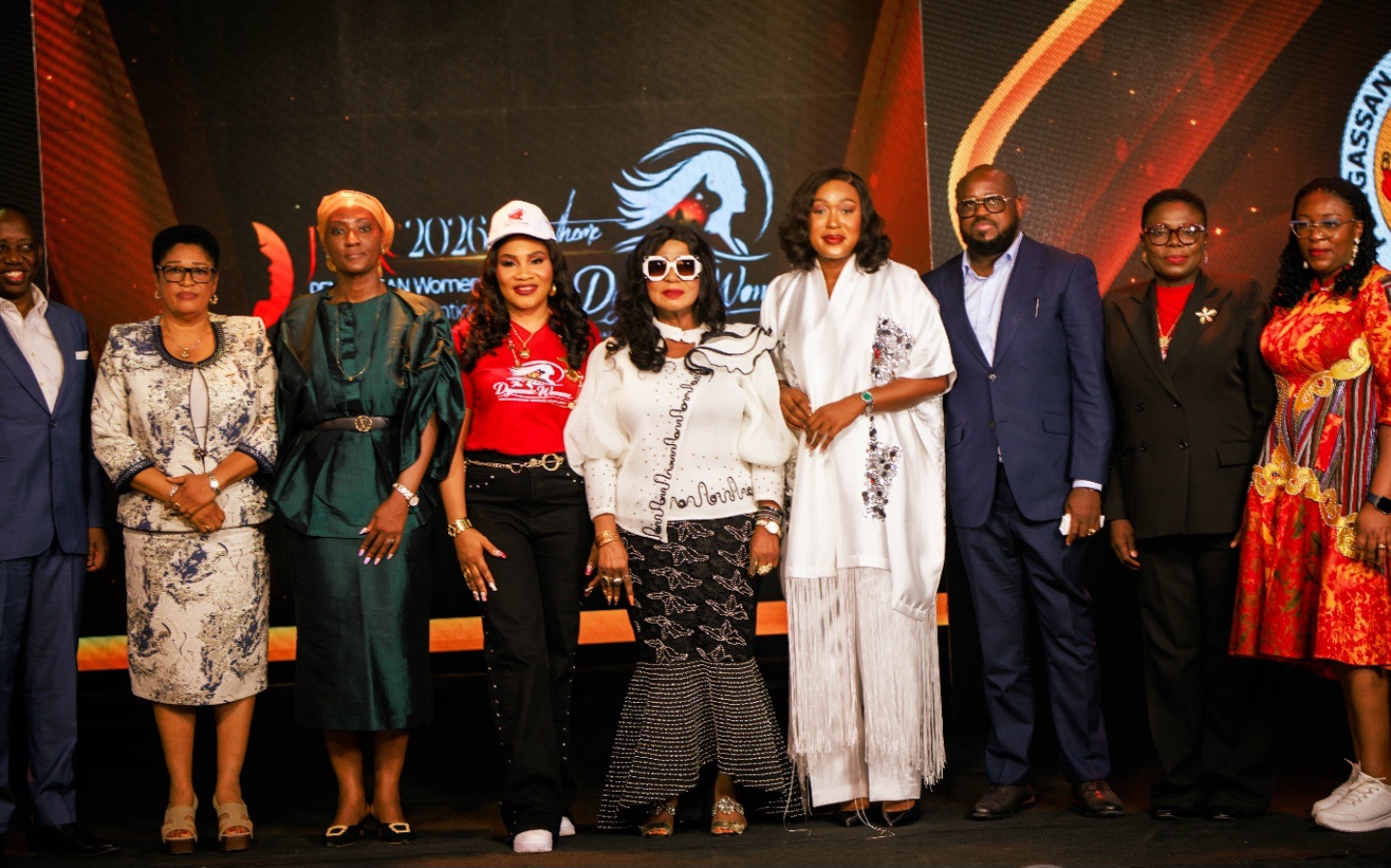
She further advocated “gender-responsive collective bargaining frameworks,” noting that such instruments can “address structural inequalities that individual negotiation cannot.”
On workforce development, she emphasised that underrepresentation “begins not in the boardroom but in secondary schools,” calling for investment in STEM education, apprenticeships, and mentorship for women.
Dr. Moyo also highlighted gaps in workplace safety, stating, “many occupational health frameworks were designed by and for the bodies and risk profiles of male workers,” adding, “this must be corrected as a matter of human and trade union rights.”
Addressing women directly, she declared, “You are not in this sector by accident…you have refused to accept a smaller place than the one you have earned,” while reaffirming that “the rights of women workers are labour rights.”
She urged stronger representation within unions, asserting, “When your union speaks, it must speak for all of its members, or it does not speak with full authority.”
Framing the urgency of reform, Dr. Moyo concluded, “a next frontier is not a horizon; it is a domain that is currently being built. The energy transition is happening now, if women are not at those tables, it is because the structural barriers have not yet been dismantled.
“The frontier is here. The moment is now, and the leadership that will define Nigeria’s energy future must include women. Not eventually, not partially, but fully, equitably, and without compromise.” She added.