Home Blog Page 1063

Information Minister Reaffirms Media’s Role in Democracy

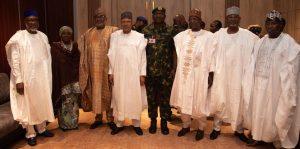
Nigeria’s Minister of Information and National Orientation, Mohammed Idris, has underscored the critical role of the media in nation-building, stating that the responsibility of nurturing Nigeria’s democracy largely rests on the shoulders of the press.

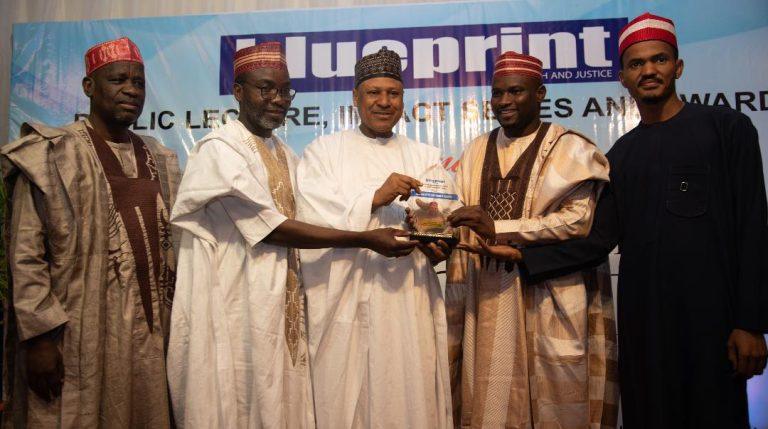
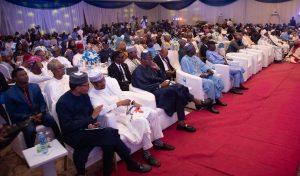
Speaking at the annual Blueprint Newspaper Public Lecture, Impact Series, and Awards in Abuja, Idris acknowledged the challenges within the information ecosystem but maintained that the media remain resilient and vibrant.
“In doing that job, you have an enormous responsibility to hold government and leaders to account, but even as you do that, you also have to know that because of your vantage position and the critical role you play, you can also help. If you don’t take care, your actions may be injurious to society,” he said.

He added that it was important for the media to exercise discernment in distinguishing between right and wrong to avoid causing division or destabilising the country.

According to Idris, President Tinubu fully supports the media and recognises its pivotal role in national development.
“President Bola Ahmed Tinubu is an ardent supporter of the media. He knows that the media is very crucial in nation-building, and he has told me severally that I should go and do my job as best as I deem fit, being a professional myself. President Bola Ahmed Tinubu will not in any way, form, or shape, stifle or stand in the way of the progress or the work of the media in this country. But all of us media professionals have to come together to walk this delicate path and ensure that society is being kept together while also holding leaders and government to account,” the Minister stated.

Idris, while reaffirming the President’s commitment to championing press freedom, commended the event organisers and the awardees, noting that their selection was entirely at the discretion of the newspaper without external influence.

“I thank you for keeping the flag flying. I haven’t visited that office in about a year now, but I guess I will. I wanted to see whether they would indeed keep this flag flying. I am proud and happy that what we started has continued to flourish,” he said.

Also speaking, Nigeria’s Minister of Livestock Development, Mukhtar Idi Mahe, revealed that the government is laying the groundwork to transform Nigeria into a globally competitive livestock-exporting nation through bold reforms and strategic investments.

“The Federal Ministry of Livestock Development has already developed a National Livestock Acceleration Strategy to tackle key sectoral challenges such as poor market access, low productivity, disease control, and weak value chains. From cattle, sheep, goats, pigs, camels to donkeys, our numbers show massive potential. We are laying the groundwork for a livestock economy that is safe, sustainable, and globally competitive. But to unlock this, we need deliberate commitment and partnerships with the private sector, researchers, development partners and the media,” he said.

He highlighted ongoing efforts, including livestock traceability systems, disease-free zones, improved feeding, veterinary services, and regulatory frameworks aimed at enhancing Nigeria’s livestock export readiness.

On her part, Nigeria’s Minister of Women Affairs, Imaan Sulaiman-Ibrahim, stressed the need for deliberate women’s empowerment in the sector.

“The theme of this event is apt, and it excites me because, as you are aware, 70% of the smallholder farmers are women. And the main goal of the youth agenda of this excellent development for women is to build the women’s economic power. It’s not enough to be 70% in the sector. We’re going to show the way. The Women Affairs Ministry is in collaboration with the Livestock Ministry and the Agriculture Ministry. We will empower women to be able to not only feed Nigeria but to feed Africa and the world at large. So this is something that is apt, and we look forward to achieving that. Because when women’s economic power is being built, a lot of the problems that we have in this country will disappear,” she said.

Other highlights of the event included the presentation of awards to well-deserving Nigerians.

The Public Lecture, with the theme “Exploring the Potentials of Livestock Employment in Nigeria: Finding Workable Solutions to Sectoral Challenges,” attracted stakeholders from across the livestock, agriculture, security, business, and policy sectors.

PIAK

Lawmakers Hold Hearing on NiMet Amendment Bill

The House of Representatives Committee on Aviation Technology has convened a public hearing on a bill seeking to amend the Nigerian Meteorological Agency (Establishment) Act, 2022.

The bill, sponsored by former Chair of the House Committee on Aviation Technology, Mr Isiaq Abiodun Akinlade, aims to provide a clear framework for NiMet’s cost recovery across various sectors of the economy, particularly non-aviation sectors.

The proposed amendment seeks to strengthen NiMet’s capacity to fulfil its mandate, promote efficiency, enhance infrastructure, ensure safety, and improve staff welfare.

Declaring the hearing open, the Speaker of the House, represented by the Deputy Chief Whip, Ibrahim Isiaka, reaffirmed the National Assembly’s commitment to a people-oriented legislature.

“We remain committed to ensuring that agencies like NiMet have the capacity to support national growth, uphold transparency, respond effectively to climate change and hazardous weather, and strengthen the resilience of vulnerable communities,” he stated.

Chairman of the Committee, Hon. Tajudeen Kareem Abisodun, assured stakeholders that the committee would carefully consider all oral and written submissions before delivering amendments aligned with the law.

He stressed the importance of NiMet’s mandate in ensuring the safety of lives on land, in the air, and at sea — a task he said requires collective responsibility.

Director-General/CEO of NiMet, Professor Charles Anosike, in his presentation, emphasised that cost recovery is a globally accepted practice and vital for the Agency’s sustainability.

“Cost recovery ensures that NiMet remains effective in fulfilling its statutory functions and in providing services essential to various sectors of the economy,” Professor Anosike stated.

The hearing attracted stakeholders from across socio-economic sectors, including the World Meteorological Organization (WMO), Nigerian Maritime Administration and Safety Agency (NIMASA), Federal Airports Authority of Nigeria (FAAN), Nigerian Communications Commission (NCC), trade unions, and former NiMet Director-Generals — Engr. Jide Adeniji, Dr Anthony Anuforom, and Professor Mansur Matazu.

PIAK

Togolese Ruling Party Wins Municipal Elections

0

1,150 seats for the Union for the Republic (UNIR), 51 for the National Alliance for Change (ANC), and 38 for the Union of Forces for Change (UFC).

The preliminary results for Togo’s municipal elections, which were held last week, designated a clear winner: the presidential party.

Raking in 75.3% of the votes, UNIR capitalised on these elections, the first to be organised since a constitutional reform that could allow president Faure Gnassingbé to rule the country for life.

Voter turnout was low, with most polling stations in the capital Lomé empty during the elections.

This followed the repression of popular protests against Gnassingbé at the end of June.

The result is not yet official and political parties still have time to contest it until five days following the announcement of the results.

Africanews/Hauwa M.

Kaduna Inclusive Farming Initiative Empowers People With Special Needs

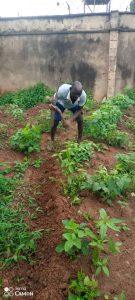
People with special needs are increasingly becoming successful farmers in Kaduna State after scores of them embraced modern agriculture as a means to improve their livelihoods.

This effort is part of a specially designed farming initiative aimed at helping them become self-reliant, rather than depending on charity or handouts from people.

On a dedicated farmland located in Kaduna town, a group of Persons with Disabilities (PwDs) farmers have adopted modern farming techniques to support themselves, especially during this rainy season. Which the aim is to produce farm products to feed themselves and the families.

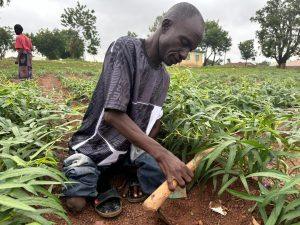
A visually impaired farmer William Makia who uses simple farm tools, said he has been farming in the area for a long time with the sole purpose of providing for his family.

According to him, “I am blind. The reason I farm is to feed my family. I don’t beg, and I have never begged in my life. I do not like begging.”

Makia added that he enjoys farming and even shares his harvest with able-bodied neighbours, which helps strengthen community bonds and cooperation.

“I use a hoe for farming. I use a cutlass and other hand tools for weeding and general farm work,” he said.

READ ALSO:Kaduna State Government To Prioritize Mechanized Farming Initiatives.

His farm is neatly organized, with rows of beans, sweet potatoes, groundnuts, and vegetables like tomatoes and okra, located at the Rehabilitation Board School premises.

He emphasized that embracing smart farming practices is essential to bring down high cost of food affecting everyone in the society.

On the other hand, Joshua Mathew, a man with paraplegic, who is also part of the group. Despite limited mobility, always drags himself across his farm to tend to his crops. He said, “What people should understand is that I farm intensively to feed my family. I grow maize, rice, and other food crops to reduce the high cost of living.”

He stressed that despite his condition, farming is not as difficult as many people believe.while called on the government to support them so they can continue to be self-reliant.

Due to the high cost of fertilizer, many farmers in the area have resorted to using organic manure as a more affordable alternative.

Even with low rainfall this year, these farmers remain committed. They continue to work diligently, applying modern farming techniques to ensure quality food sufficiency.

“We all agree that we are physically challenged, but the fact is we can produce food crops to feed our families. Yes, we need fertilizer support to boost our morale and improve our farming,” said the group.

This inclusive farming initiative, known as Inclusive Smart Farming, aims to integrate the PwDs into agriculture as a strategy to combat hunger and poverty in Nigeria. The programme is already showing promising results.

The President, Association of People with Special Needs in Nigeria, Rilwan Abdullahi emphasized the importance of inclusive smart farming systems in boosting agricultural production among the PwDs.

According to him, “This is an effort to become self-reliant, therefore, we call on the authorities to support these farmers and ensure they are included whenever agricultural inputs like fertilizers are distributed.”

He added that across Nigeria, many PwDs are actively engaged in serious farming—producing both food and cash crops and should be supported with fertilizers and appropriate farming implements.

Currently, these resilient farmers are fully dedicated to agriculture as a means of sustaining themselves, refusing to resort to begging.

The PwDs in Nigeria are becoming successful farmers. However, they often express frustration at being excluded from government distribution programmes of fertilizer and other agricultural inputs.

A Science and Environment Journalist from the African Climate Reporters (ACR), who visited these farms noted that, despite their disabilities, this farmers maintain exceptionally clean and organized fields due to the time and effort they dedicate to weeding and maintaining their farmlands

Gombe Governor Establishes Committee to Oversee Inclusive Distribution of Fertilisers

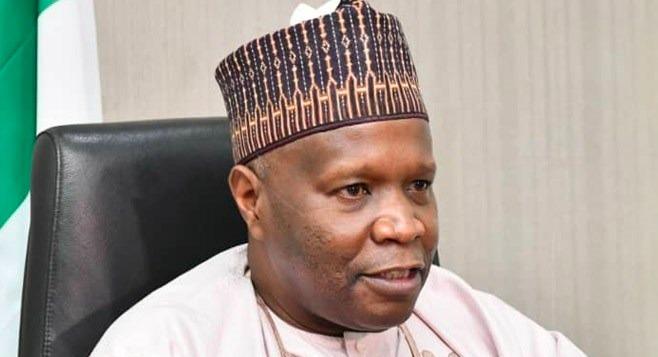
Governor Muhammadu Inuwa Yahaya of Gombe State, has approved the formation of the Gombe State Committee on the Distribution of Fertiliser for the 2025 farming season.

The committee has been mandated to ensure a transparent, efficient, and equitable distribution of fertiliser to farmers throughout the state.

According to a statement issued by the Secretary to the State Government, Professor Ibrahim Abubakar Njodi, the committee will be chaired by the Commissioner for Agriculture, Animal Husbandry and Cooperatives.

Its membership comprises key stakeholders from various sectors, including government departments, civil society organisations, and security agencies.

READ ALSO:Farmers In Gombe Neglect Rice, Maize Cultivation Over High Fertiliser Cost

The full composition of the committee is as follows:

Commissioner, Ministry of Agriculture, Animal Husbandry and Cooperatives – Chair
Commissioner for Local Government and Community Development – Member
Special Adviser on Agriculture and Farmer-Herder Coordination – Member
Permanent Secretary, Ministry of Agriculture – Member
Permanent Secretary, Ministry of Health, Dr Ibrahim Yakubu Usman – Member
Representative of Civil Society Organisations – Member
Representative of Persons with Disabilities – Member
Chair, House Committee on Agriculture – Member
Chair, All Farmers Association of Nigeria (AFAN), Gombe State Chapter – Member
Representative of the Nigeria Police Force – Member
Representative of the Department of State Services (DSS) – Member
Representative of the Nigeria Security and Civil Defence Corps (NSCDC) – Member
Director of Agriculture, Ministry of Agriculture – Secretary

Professor Njodi stated that the establishment of the committee reflected Governor Yahaya’s commitment to transparency and inclusivity, ensuring that all eligible farmers across Gombe State had fair access to essential agricultural inputs during the 2025 farming season.

Nigerian Senator Empowers Constituents with Multimillion-Naira Poultry Farming Packages

The Senator representing Kwara Central Senatorial District in the National Assembly, Saliu Mustapha, has once again empowered a fresh batch of constituents on poultry farming.

Beneficiaries drawn from across the four local government areas of Kwara Central received essential poultry farming kits, including 200 day-old chicks, feed, and cash support to help them kick-start their businesses.

Speaking at the empowerment programme held in Ilorin, Senator Mustapha represented by his legislative aide, Tunde Abdulkadir, said the empowerment is for another set of beneficiaries under the ongoing poultry farming empowerment initiative.

He noted that all beneficiaries had earlier undergone comprehensive training in modern poultry farming techniques by the Agricultural and Rural Management Training Institute (ARMTI).

READ ALSO:Poultry Association to Set Up Sales Point at LGAs

Senator Mustapha, who chairs the Senate Committee on Agriculture, emphasized that the initiative aligns with President Bola Ahmed Tinubu’s Renewed Hope Agenda, which aims to revitalize the agricultural sector and promote economic self-reliance.

He urged beneficiaries to make the most of the opportunity by applying the skills acquired during their training to build sustainable and profitable ventures.

Also speaking, Mr. Muyiwa Michael, a representative of ARMTI, described the programme as a valuable opportunity for constituents, especially women and youth. He praised Senator Mustapha’s commitment to grassroots empowerment and encouraged beneficiaries to use the support wisely.

One of the beneficiaries, Arije Funsho Abdulgafar, described the programme as a timely intervention that will help reduce unemployment and poverty across the district. He expressed deep appreciation to the Senator for his continued support.

Another beneficiary, Zainab Ishola, applauded the initiative, noting that it had equipped her with the knowledge and resources needed to thrive in poultry farming. She thanked Senator Mustapha for his dedication to youth and women empowerment.

Trade: U.S. Treasury Secretary to Meet Chinese Officials over August deadline

0

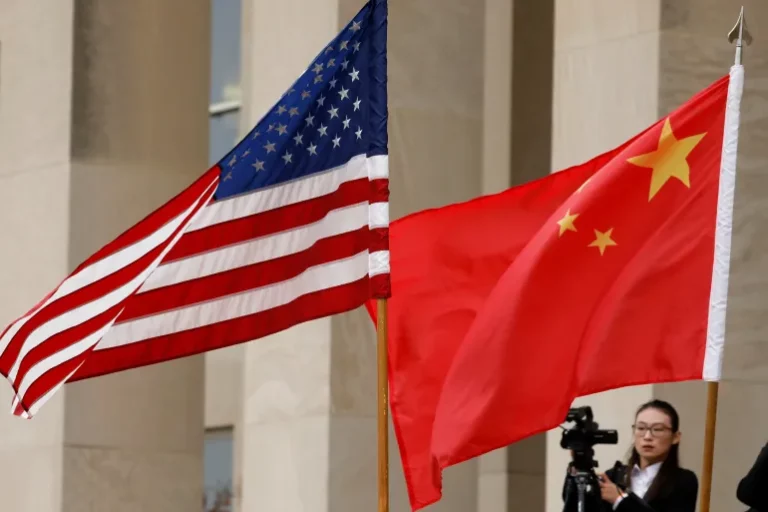
U.S. Treasury Secretary Scott Bessent announced on Tuesday that he will meet with his Chinese counterpart next week in Stockholm to discuss trade relations and a likely extension of the looming August 12 deadline for increased tariffs.

In an interview with Fox Business Network’s Mornings With Maria, Bessent said that trade relations between the U.S. and China have entered a very good place, signalling optimism ahead of the Monday-Tuesday bilateral talks.

“I think we’ve actually moved to a new level with China—very constructive,” Bessent said. “We’re going to be able to get a lot of things done now that trade has kind of settled in at a good level.”

While previous negotiations focused primarily on critical sectors such as Chinese rare earth exports and U.S. semiconductor technologies, Bessent noted that this round of talks would address broader economic concerns. Key topics will include China’s dependence on exports and manufacturing, as well as encouraging the development of a more consumption-driven economy.

“Hopefully we can see the Chinese pull back on some of this glut of manufacturing and focus more on building a consumer economy,” he said.

Bessent also signalled a tougher stance on China’s geopolitical alignments. He plans to confront Beijing over its continued purchases of sanctioned Russian and Iranian oil, and its alleged support for Russia’s war efforts in Ukraine.

The Treasury Secretary revealed that bipartisan momentum is building in the U.S. Senate for legislation that would impose 100% tariffs on imports from nations continuing to purchase Russian oil—specifically citing China and India.

“I’ll also be speaking with my European counterparts,” Bessent said. “Europe has talked a big game on sanctioning Russia, but we’ll be urging them to consider imposing strong secondary tariffs on Russian oil as well.”

In addition to China talks, Bessent hinted at a series of imminent trade agreements between the U.S. and other countries, including Japan, despite that country’s recent political turbulence.

“I wouldn’t be surprised if we’re able to iron out something with Japan pretty quickly,” he said.

However, he added that for most trade partners, current tariffs—now at 10%—may revert to their April 2 levels, depending on the outcomes of ongoing negotiations.

The Stockholm meeting marks a critical moment in the evolving global trade landscape, as Washington aims to reinforce alliances, curb adversarial influence, and recalibrate supply chains amid rising geopolitical tensions.

Reuters/s.s

Bangladesh Jet Crash Sparks National Outrage

0

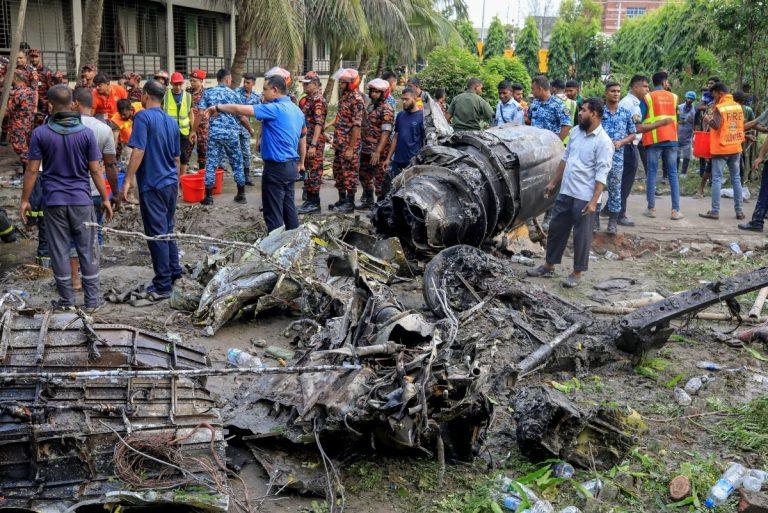
Grief turned into fury across Bangladesh on Tuesday as the death toll from a devastating fighter jet crash into a Dhaka school climbed to 31—most of them children. The incident has ignited widespread student protests and heightened tensions in a nation already battling political instability.

On Monday, a Chinese-made F-7 BGI fighter jet from the Bangladesh Air Force crashed into Milestone School and College during a routine training flight, erupting into flames. At least 25 of the victims were children under 12 who were moments away from returning home. The jet reportedly experienced mechanical failure shortly after takeoff from a nearby air base; the pilot, who also perished, had attempted to steer away from populated areas.

Survivors and devastated families described scenes of horror and loss. “I took her to school like every day. I didn’t know it would be the last time I’d see her,” said Abul Hossain, father of nine-year-old Nusrat Jahan Anika. Another parent, Rubina Akter, recounted how her son narrowly escaped with burns after leaping from a staircase to extinguish flames.

On Tuesday, the government confirmed 31 deaths and 165 injuries, with 70 people still receiving treatment. Rescue operations continued amid charred rubble, as flags across the country flew at half-mast and special prayers were offered in mosques, temples, and churches in a national day of mourning.

However, the solemnity quickly gave way to unrest. Hundreds of students took to the streets, confronting officials who visited the crash site. Chanting demands for justice, they questioned the continued use of outdated military aircraft near civilian areas. Footage showed protesters storming the federal secretariat, demanding the resignation of the education adviser before being dispersed by police with batons.

Student groups are calling for transparency in victim identification, compensation for families, and immediate reforms in the Air Force’s training operations. In response, the interim administration led by Nobel laureate Muhammad Yunus issued a statement promising a full investigation, support for victims, and a review of flight training protocols in urban zones.

The F-7 BGI, the last in the Chengdu J-7 line, which is derived from the Soviet MiG-21, was delivered to Bangladesh between 2011 and 2013. Its continued use is now at the centre of public scrutiny.

The crash comes just weeks after India suffered its deadliest aviation disaster in over a decade, further intensifying concerns about air safety in South Asia. Meanwhile, Bangladesh’s political landscape remains fragile, with Yunus’s interim government pledging elections next year following the ouster of former Prime Minister Sheikh Hasina in August amid mass protests.

For many in Dhaka, the tragedy has laid bare not only institutional failings, but a growing sense of national anxiety. As grieving families bury their children, Bangladesh confronts a moment of reckoning.

Reuters/s.s

CHAN: Chelle To Name Super Eagles B Squad

0

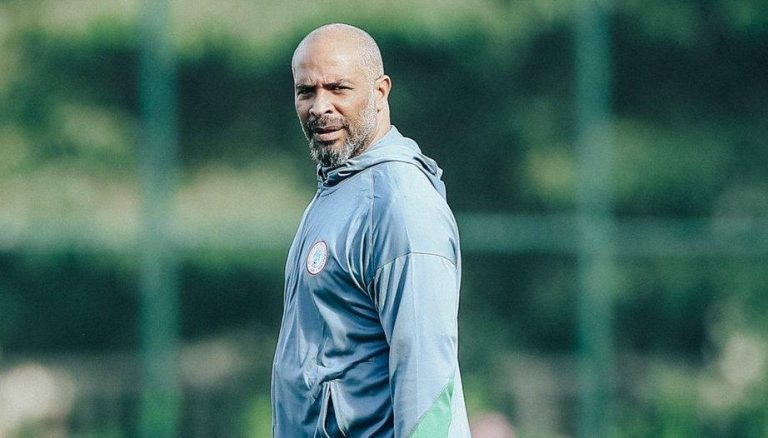
Super Eagles coach, Eric Chelle, will name his final squad for the 2024 CHAN tournament on Tuesday (today) after two weeks of training in Ikenne, Ogun State.

The rescheduled continental tournament will take place from August 2 to 30 across three East African countries—Kenya, Tanzania, and Uganda.

READ ALSO: Super Eagles B Upbeat In Camp Ahead of CHAN 2024

According to sources within the team’s camp, the final squad will be selected after a concluding test match today, which will mark the end of the team’s preparation phase before departure.

Chelle initially invited 35 home-based players to the provisional camp, but the number has since been trimmed. Five players—Papa Daniel Mustapha, Waliu Ojetoye, Savour Isaac, Abubakar Sadiq, and Philip Adejo—became ineligible after securing moves abroad, while Rangers International defender Ifeanyi Onyebuchi was ruled out due to injury.

As the final selection looms, players in camp have acknowledged the pressure to impress and secure a place in the squad.

Everybody is under pressure, but definitely the coaches want the best among the 35 players,” said Junior Nduka, who captained the team during the qualifying rounds.

Former Flying Eagles and Rivers United forward Aniekeme Okon also admitted to the intensity of the competition. “With 35 players invited, everyone is giving their best in the hope of being selected. So we keep pushing,” he said.

Nigeria, runners-up at the 2018 edition, have been drawn in Group D of the 19-team tournament alongside defending champions Senegal, Sudan, and Congo.

The Super Eagles B will begin their campaign with back-to-back matches against Senegal and Sudan at the Amman Stadium in Zanzibar, before rounding off the group stage against Congo at the Benjamin Mkapa Stadium in Dar es Salaam.

Despite reaching the final in 2018 and finishing third in 2014, Nigeria has yet to win the CHAN title, a record Chelle and his squad will be eager to rewrite this year.

Governor Yusuf pledges unwavering support for press freedom

0

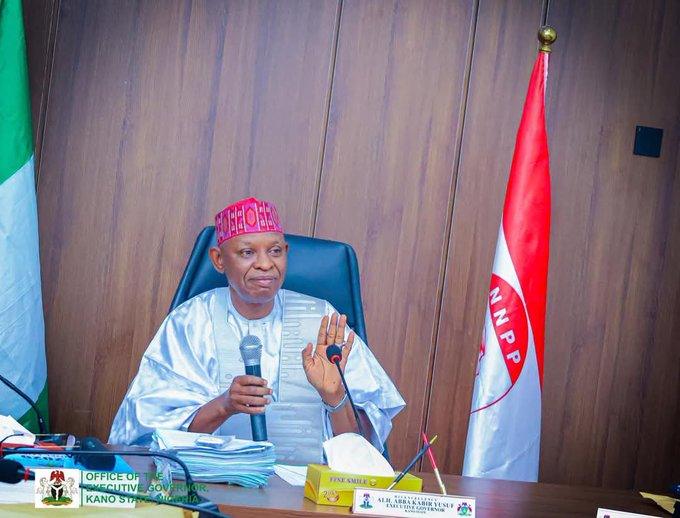
Kano State Governor Abba Kabir Yusuf has reaffirmed his administration’s unwavering commitment to press freedom, constructive engagement with the media, and the promotion of democratic values across the state.

Represented by his Director General of Media and Publicity, Sanusi Bature Dawakin Tofa, the governor made the remarks while receiving the newly elected leadership of the Nigeria Union of Journalists (NUJ), Kano Correspondents’ Chapel, during a courtesy visit to the Government House on Tuesday.

The chapel’s delegation, led by its new chairman, Murtala Adewale of The Guardian Newspapers, was warmly received by the Director-General, who congratulated the executives on their election and commended the peaceful conduct of the recent elections.

Sanusi Bature underscored the role of the media as a critical pillar in nation-building and democratic consolidation, noting that the Yusuf-led administration places a high premium on the contributions of journalists in promoting transparency, accountability, and good governance.

“We sincerely appreciate the role of the Correspondents’ Chapel in bridging the communication gap between the government and the people. Governor Abba Kabir Yusuf is media-friendly and will continue to welcome constructive criticism that promotes good governance and public accountability,” Bature said.

He emphasised the importance of mutual trust and professionalism in media-government relations, assuring the chapel of the administration’s willingness to deepen engagement and provide unhindered access to information for all accredited journalists operating in Kano.

In his response, the new Chairman of the Correspondents’ Chapel, Murtala Adewale, expressed appreciation to the state government for its continued partnership with the media. He pledged that the new leadership would uphold journalistic ethics and maintain objectivity in its reportage.

He also called for stronger collaboration between the media and the government to ensure the timely flow of accurate information regarding state policies, programmes, and activities.

The visit provided a platform for open dialogue on strengthening government-media relations, enhancing media capacity, and ensuring improved access to credible and official information.