Home Blog Page 121

VP Shettima Declares Fintiri APC Leader in Adamawa State

0

Nigeria’s Vice President, Kashim Shettima, has officially announced Governor Ahmadu Fintiri of Adamawa State as the leader of the All Progressives Congress (APC) in the state.

The announcement was made on Monday during a grand reception held in Yola, the Adamawa State capital, where Governor Ahmadu Umaru Fintiri was formally received into the APC amid a massive crowd of party faithful, stakeholders, and supporters.

The event has been widely described as a major political turning point in the state.

The National Chairman of the party, Nentawe Goshwe Yilwatda, presented the symbol of leadership to the governor, affirming his position as the party leader in the state in line with the APC’s constitution and established practice.

No fewer than seven governors, alongside top party officials at both national and state levels, attended the event, underscoring its significance.

Read Also: 39 Fintiri Aides Dump PDP for APC in Adamawa Political Shake-Up

The reception followed Governor Fintiri’s recent defection from the Peoples Democratic Party (PDP), marking a significant political realignment ahead of the 2027 general elections.

Speaking at the occasion, Fintiri said his decision to join the APC was driven by the need to align Adamawa State with the federal government to accelerate development.

He assured party leaders and supporters of his commitment to unity, pledging to work with both old and new members to strengthen the party’s structure in the state.

The governor also vowed to mobilise support for the party’s success in future elections, stressing that inclusiveness and cooperation would remain his guiding principles.

In a notable development, Fintiri presented Senator Abdulaziz Nyako, son of former Adamawa State governor Murtala Nyako, whom he revealed he had convinced to defect from the African Democratic Congress (ADC) to the APC.

Leaders of the APC at both national and state levels welcomed the governor into the party, describing his defection as a major boost.

They noted that his political experience and grassroots support would significantly enhance the party’s prospects in Adamawa and the North-East region.

Enugu-Onitsha Road Nears Completion, Opens By March 31

0

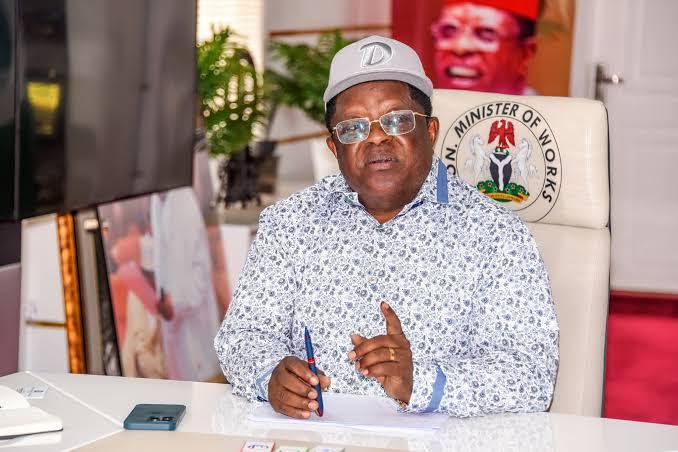
The Enugu-Onitsha road, a crucial transportation artery in Southeast Nigeria, is nearing completion, with some kilometres of the second lane expected to be opened to traffic by March 31.

Minister of Works, David Umahi, has directed the contractor to ensure the road is opened on schedule, saying it will be a significant Easter celebration gift for the people of the Southeast.

The road project, which spans 107 km, has over 50% of the work completed. The minister expressed confidence that the project will be completed within the stipulated timeframe.

According to Umahi, “The road is a priority project for President Tinubu who is keen on improving infrastructure in the Southeast region.” Umahi said.

The minister noted that the road will boost economic activity, reduce travel time, and improve the overall quality of life for residents.

The Enugu-Onitsha road is part of a larger plan to connect the Southeast to other parts of the country. The minister said the government is committed to completing the project, which will have a significant impact on the regional economy.

Residents of Enugu State have welcomed the development, saying it will ease traffic congestion and improve access to markets.

The minister urged the people of Southeast to support the president’s efforts to improve infrastructure in the region.

“The project involves the construction of a concrete road, which will ensure durability and reduce maintenance costs,” Umahi said.

The Enugu-Onitsha road project is one of several infrastructure projects underway in Nigeria, aimed at improving connectivity and boosting economic growth. The minister expressed confidence that the project will be a game-changer for the Southeast region.

The contractor, CECC, has assured the government of its commitment to completing the project on schedule. The minister has directed the resident engineer to ensure the road is opened to traffic by March 31.

Meanwhile, President Bola Ahmed Tinubu has been praised for his commitment to infrastructure development in the Southeast.

Speaking at a project site in Enugu State, the Minister of Works, David Umahi, credited the president with transforming the Southeast, citing the ongoing construction of a flyover bridge and other projects.

Umahi noted that the president had directed that payment be made to contractors working on similar projects, including the one in Enugu State.

He appealed to the contractor, CECC, to accelerate the pace of work, assuring them that payment would be made soon.

The project, which has reached 90% completion, includes the relocation of utilities such as electrical facilities and water pipelines.

The president is expected to commission the flyover bridge by May, as the minister expressed confidence that the contractor would complete the remaining work within two months.


Nigeria, EU Reaffirm Commitment To Strengthen Bilateral Relations

0

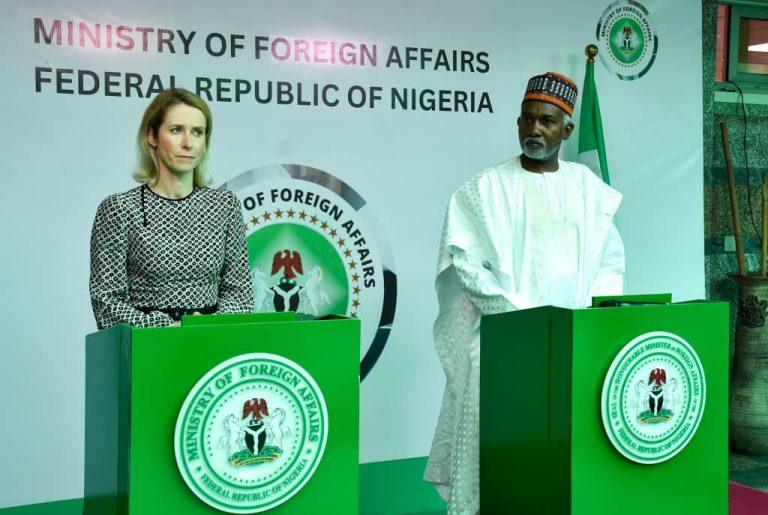
The Nigerian Government and the European Union have reaffirmed their commitment to strengthening bilateral relations following the 8th Nigeria–EU Ministerial Dialogue held in Abuja, Nigeria’s capital.

The meeting was led by Nigeria’s Minister of Foreign Affairs, Amb. Yusuf Tuggar, and the EU High Representative, Kaja Kallas.

Both sides described the partnership as strategic, rooted in shared values and mutual interests.

Discussions focused on key areas, including peace and security, trade and investment, digital innovation, climate action, and migration.

Amb. Tuggar commended the EU’s support in counterterrorism efforts and regional security, while both parties emphasised the need for stronger cooperation in addressing challenges in West Africa, including support for ECOWAS.

On the economic front, both sides agreed to expand collaboration beyond oil into agriculture, manufacturing, and the digital economy, alongside ongoing EU investments under its Global Gateway initiative.

They also highlighted the importance of balanced climate policies, humane migration frameworks, and continued humanitarian support for displaced persons.

The Dialogue concluded with a renewed commitment to translate shared goals into concrete actions that promote stability, prosperity, and sustainable development.

Emir of Gombe Lauds Governor Yahaya‘s Leadership

0

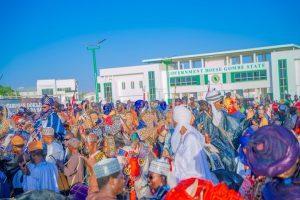
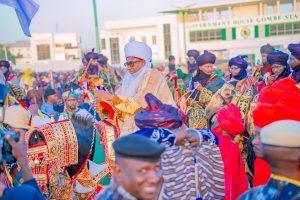
The Emir of Gombe, Abubakar Shehu Abubakar III, has commended Governor Muhammadu Inuwa Yahaya’s leadership, noting that the state has witnessed remarkable and unprecedented development across key sectors under his administration.

The Monarch gave the commendation when the Governor received him at the Government House as part of the traditional Sallah homage marking this year’s Eid-ul-Fitr celebrations

The visit is an age-old custom in the state, offering the revered monarch an opportunity to felicitate with the Governor and the people of Gombe on the successful completion of the Ramadan fast, while further strengthening ties between the traditional institution and government.

Speaking during the homage, the Emir said: “I am proud of you, Your Excellency. Your leadership has brought significant transformation to Gombe State. Frankly, since the creation of the state, we have not witnessed this level of development until your administration.” 

He recalled the Governor’s early pledge not to fail the people, adding that the promise had not only been fulfilled but surpassed.

“You assured the people of Gombe that you would not fail them, and today it is evident that you have honoured that commitment. I am proud of you, just as the people of this state are,” the Emir of Gombe added.

He also lauded the Governor’s efforts in promoting peace, unity, and inclusive governance, particularly the active involvement of traditional institutions in the affairs of the state.

Highlighting achievements across sectors such as healthcare, infrastructure, education, energy, and economic development, the monarch noted that deliberate efforts had been made to extend development to underserved communities.

Among notable projects, he cited the upgraded Government House, the airport, the Three-Arms Zone, and the Shehu Abubakar District, alongside numerous other developments across the state.

In his response, Governor Inuwa Yahaya expressed appreciation to the Emir for the visit, as well as for his continued support, prayers, and guidance.

Governor Yahaya described the cordial relations between his administration and the traditional institution, particularly the Gombe Emirate Council, as a vital pillar underpinning the successes recorded by his government.

Reflecting on the past seven years, the Governor said his administration had laid a solid foundation for sustainable growth, recording significant progress in infrastructure, healthcare, education, agriculture, and economic reforms.

“We have worked tirelessly to reposition Gombe State on the path of sustainable development. With a clear vision to rebuild and transform the state, we can confidently say that appreciable progress has been made across all sectors,” Governor Yahaya said.

He reaffirmed his administration’s commitment to delivering enduring legacies that would continue to benefit future generations, stressing that the goal extends beyond project execution to lasting impact.

On security, the Governor reiterated that safeguarding lives and property remains a top priority.

He also urged residents to sustain the spirit of unity, tolerance, and peaceful coexistence demonstrated during the Ramadan period.

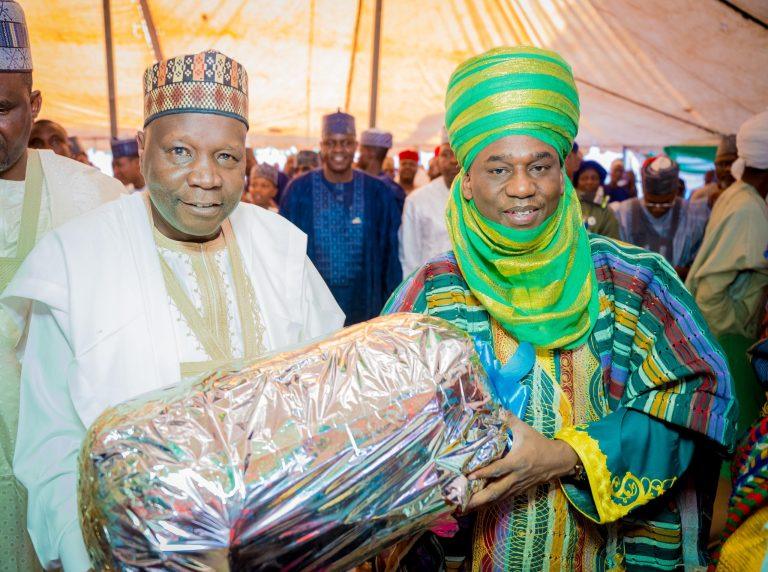
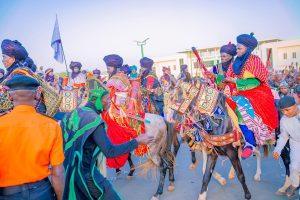
The visit featured the symbolic presentation of the traditional Sallah gift, Goron Sallah, to the Emir, followed by a colourful durbar procession involving the monarch and other traditional title holders.

Troops Secure Borno Communities, Ensure Peaceful Eid Celebrations

0

Nigerian troops have secured Ngoshe and the wider Gwoza axis in Borno State, Northeast Nigeria, neutralising insurgents and ensuring uninterrupted Eid-el-Fitr celebrations, in a development that signals sustained operational control.

The development follows a failed attempt by insurgent elements to project a resurgence through false claims of plans to overrun Ngoshe and conduct Sallah prayers at the Central Mosque, according to a statement issued by the Acting Director of Army Public Relations, Colonel Appolonia Anele.

Acting on credible intelligence, troops reinforced the area after an attempted incursion on 4 March and intensified clearance operations, combining ground action with aerial surveillance and local intelligence support. The operations led to the neutralisation of several insurgents and further degradation of their operational capacity.

Operational pressure translated into civilian assurance, with Ngoshe and adjoining communities remaining calm and under firm military control throughout the Eid period. Residents observed prayers and carried out celebrations without disruption, directly contradicting insurgent narratives.

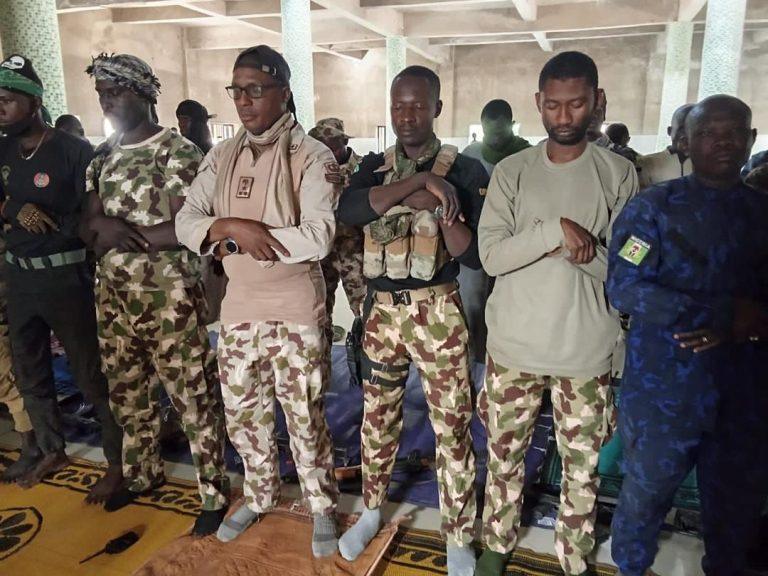
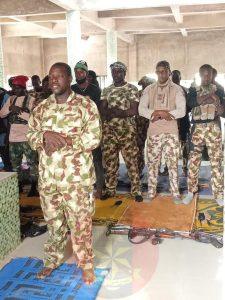
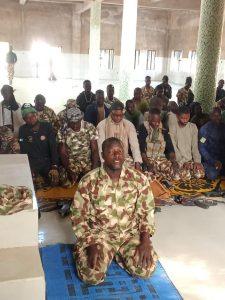
In a calculated show of presence, troops led by Brigadier General NI Abdullahi, Commander of the 26 Task Force Brigade, joined worshippers at the Ngoshe Central Mosque for Eid prayers, reinforcing confidence among residents and signalling territorial dominance.

The Chief of Army Staff, Lieutenant General Waidi Shaibu, commended the resilience of local communities and reiterated the importance of civilian cooperation in sustaining gains, the statement added, while urging the public to disregard and avoid amplifying terrorist propaganda designed to create fear and distort operational realities.

The Nigerian military is expected to sustain intensified operations across the North East as part of efforts to eliminate residual threats and consolidate battlefield gains into enduring security stability.


TB Day: Stakeholders Intensify Awareness, Expand Free Treatment Access

0

Nigeria has intensified nationwide awareness campaigns on tuberculosis (TB), as stakeholders in the health sector step up efforts to curb the disease and drive progress towards ending the epidemic.

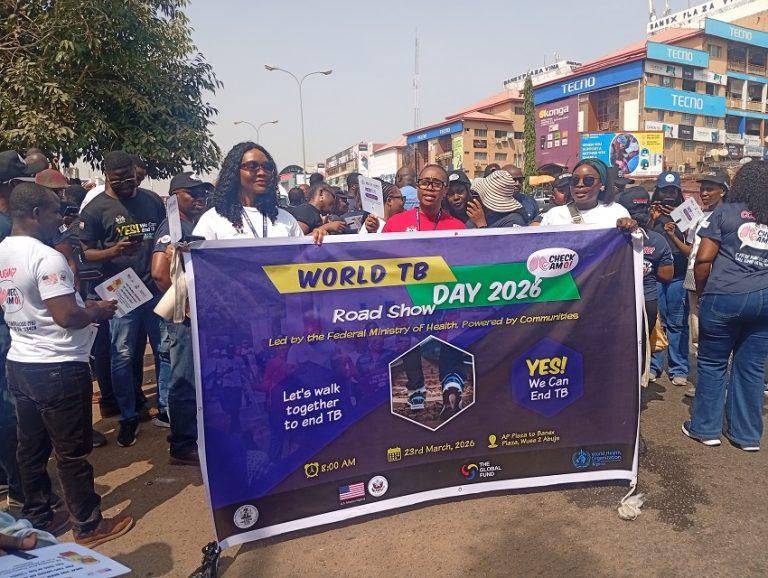
The initiative, part of activities marking World Tuberculosis Day 2026, features a roadshow and week-long engagements aimed at educating citizens on the dangers, symptoms, prevention, and availability of free TB treatment.

The awareness walk drew participation from government agencies, implementing partners, and community-based organisations, all aligning with the global theme, “Yes, We Can End TB.”

Senior Programme Officer, Prevention, Care and Treatment at the Institute of Human Virology Nigeria, Kelechi Nzeadibe, said the campaign is critical in addressing misconceptions and encouraging early care-seeking.

“Many people still think tuberculosis is a disease of the past, but that is not true. TB is still very much present in our communities, and awareness like this helps people understand the need to seek care early,” Nzeadibe explained.

She stressed that ending TB requires collective responsibility across government, partners, and communities.

“The theme clearly states that ending TB is possible, but it requires everyone, government, partners, and the community to work together; without people buying into this process, we cannot end TB in Nigeria,” the Senior Programme Officer stated.

Nzeadibe noted that in collaboration with the National Tuberculosis and Leprosy Control Programme and support from partners such as the Global Fund, TB services are being expanded to reach more Nigerians, including through private health facilities and community-level interventions.

“We are ensuring that TB services are available not just in public hospitals but also in private facilities, community pharmacies, patent medicine vendors, and even faith-based organisations. We are also engaging community TB and HIV workers who go from house to house to screen people and refer them for testing

“All TB services from screening and diagnosis to treatment are provided free of charge, removing financial barriers that may prevent people from accessing care,” she said.

Also speaking, Impact Project Coordinator at KNCV Nigeria, Dr Eze Chukwu, said efforts are ongoing to scale up active case finding through hospitals, community outreach, and informal health settings.

“One of the key approaches we use is active case finding; we go into hospitals, communities, and even informal health settings like chemists and patent medicine stores to identify people who may have TB,” he said.

He highlighted the role of modern diagnostic tools such as portable digital X-ray systems and GeneXpert machines in improving detection, particularly for drug-resistant TB.

“Drug-resistant TB is a major concern, but with the diagnostic platforms we now have, we can quickly detect resistance and place patients on the right treatment regimen in line with national guidelines,” the Impact Project Coordinator explained.

Dr Chukwu warned that untreated TB remains highly infectious.

“One untreated TB patient can infect up to 15 people within a year, that is why we are out here to break that chain of transmission through awareness and early diagnosis,” he said.

He urged Nigerians to seek medical attention if they experience symptoms such as persistent cough, fever, unexplained weight loss, and night sweats, and to use the toll-free line 3340 for support.

Assistant Director at the National Tuberculosis and Leprosy Control Programme, Dr Stella Makpy, said the campaign is being replicated nationwide to close awareness gaps.

“The essence of this roadshow is to enlighten the public. Awareness about TB is still low, and many people do not fully understand how it is transmitted, prevented, or treated

“This is not just happening here, across the country, TB programmes at state and local government levels are carrying out similar awareness activities, we are taking the message to the people, especially in areas with high population density,” she emphasised.

Dr Makpy noted that additional outreach activities have been organised to provide screening and link individuals to care through designated DOTS centres.

“We have structures in place. If anyone wants to get tested, they will be referred to the nearest DOTS centre where services are available. The goal is to ensure that no one is left behind,” she said.

Participants distributed informational materials and engaged directly with the public, reflecting growing awareness and interest in TB prevention and treatment.

Stakeholders emphasised that ending TB in Nigeria is achievable through sustained investment, early detection, and strong community participation, urging citizens to take advantage of free services and help stop the spread of the disease.

Nigeria–UK Forum: Unlocking Agriculture Through Strategic Partnerships

Nigeria’s government has urged investors, financial institutions, and development partners to collaborate in building a resilient food system, promoting climate-smart agriculture, and expanding sustainable production to unlock the vast potential of Africa’s largest agricultural market.

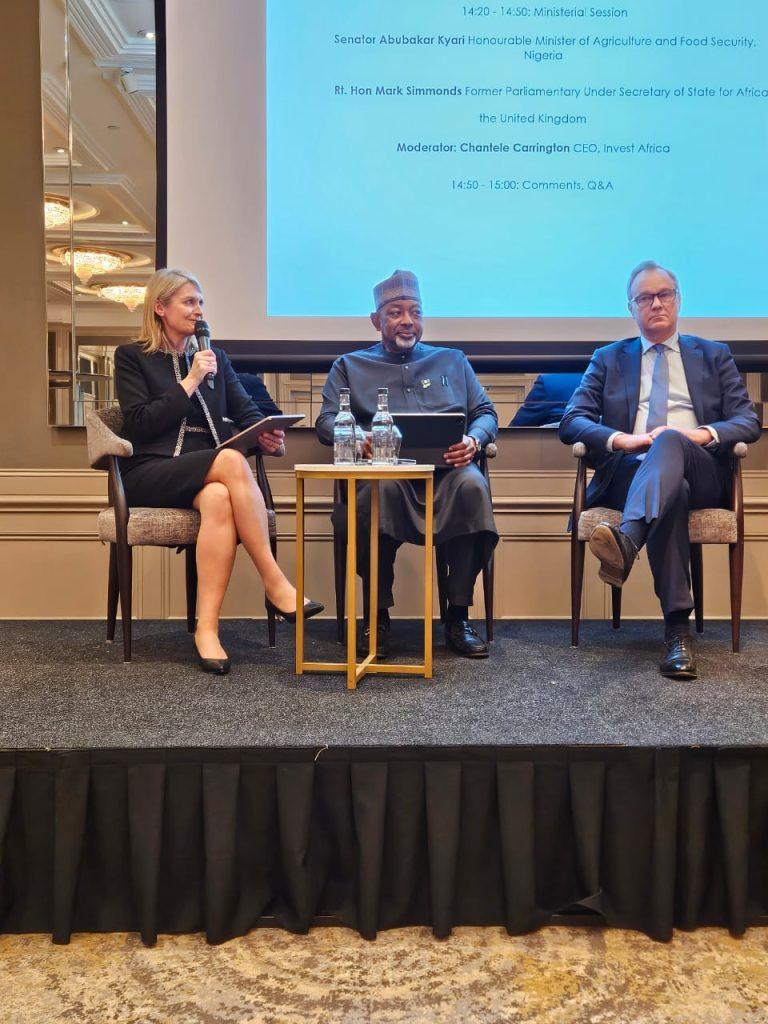
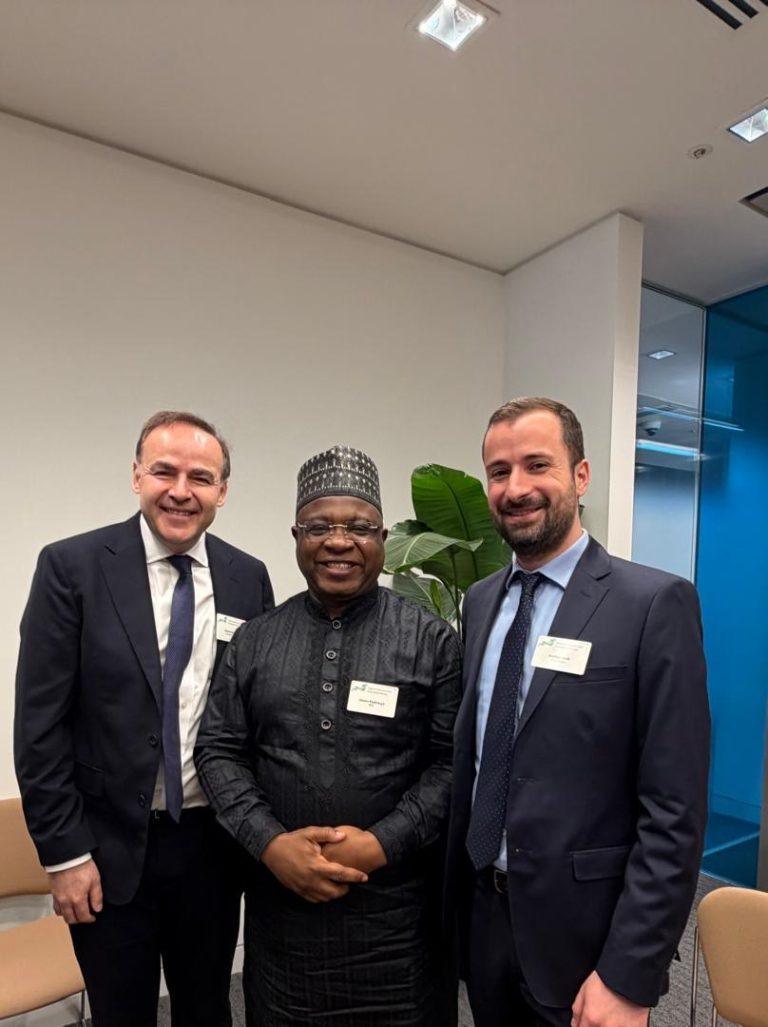
Speaking at the Nigeria–United Kingdom Investment Forum in London, Minister of Agriculture and Food Security, Senator Abubakar Kyari, highlighted the country’s strong agricultural prospects, citing its diverse agro-ecological zones and competitive production capacity.

READ ALSO: Nigeria Government Seals £746m UK Deal to Upgrade Ports

He noted that agriculture employs nearly 70% of Nigeria’s workforce, contributes over 24% to GDP, and remains a key driver of inclusive growth, rural livelihoods, and jobs for women and youth.

Kyari added that Nigeria has the natural endowments to support a wide range of value chains, including rice, maize, cassava, cocoa, sesame, sorghum, and horticultural crops, stressing that many globally consumed commodities can be competitively produced within the country.

He, however, warned that climate change—evidenced by prolonged droughts, erratic rainfall, flooding, and desertification—continues to threaten agricultural productivity and food security, underscoring the need for climate-resilient farming systems.

The minister further noted that achieving this transition requires significant funding, as current investment levels remain insufficient to build resilient food systems, deploy climate-smart technologies, and scale innovation across agricultural value chains.

“While public financing remains essential, unlocking the scale of investment required will depend on stronger participation from private capital and development finance partners.

“Access to finance is a major constraint for farmers across Nigeria, significantly limiting the productivity across the sector. Despite the prevalence of credit schemes across the country, total credit accessible by farmers is still significantly limited, reaching 3.4trillion as at April 2025. Whilst this value may look significant, it is less than 4% of the contribution of agriculture to the country’s GDP.” Kyari said.

The Minister revealed that to address these challenges, President Bola Ahmed Tinubu declared a national state of emergency on food security in July 2023, shortly after taking office. A year later, Vice President Kashim Shettima inaugurated the Presidential Food Systems Coordinating Unit (PFSCU) to ensure alignment of interventions across all three tiers of government.

He mentioned that the Federal Government has also initiated several programmes, including:

– Distribution of solar-powered irrigation pumps to smallholder farmers to promote all-season farming and improve water efficiency.

– Development of climate-resilient seed systems, including drought-tolerant sorghum and millet, resilient cassava varieties, improved maize hybrids, and flood-tolerant rice varieties.

– National Agricultural Mechanization Programme (NAMP), championed by the Bsnk of Agriculture which has procured 2,000 tractors and over 9,000 farm implements and spare parts to improve land preparation efficiency and support climate-resilient farming systems.

– Nigeria Postharvest Systems Transformation Programme (NiPHaST), aimed at modernizing post-harvest ecosystems, strengthening produce handling systems, expanding storage infrastructure, and improving market linkages.

– Special Agro-Industrial Processing Zones (SAPZ) initiative, connecting agricultural production enclaves with processing zones for value addition, storage, logistics, and market access.

He disclosed that to reduce investment risk and mobilise greater private capital, the Federal Government is strengthening institutions such as the Bank of Agriculture (BoA), the Nigeria Agricultural Development Fund (NADF), and the National Agricultural Insurance Corporation (NAIC).


Nigeria Seeks Global Investment for Economic Transformation

Nigeria has urged global investors to participate in Africa’s transformation story, positioning the country as a key driver of the continent’s emergence as the next global economic powerhouse.

The Chairman of the Nigerian Exchange Group, Umaru Kwairanga, made the call during a session on infrastructure investment in Nigeria, highlighting the country’s strong investment potential.

He said Nigeria possesses critical advantages that make it an attractive destination, including vast natural and human resources capable of driving successful investments.

According to him, “There is vast, verdant, and fertile land for agriculture; abundant mineral resources, including rare earth minerals; and a climate that is friendly and welcoming all year round. Nigeria has human resources. More than half of its population is under thirty and a large proportion of that population is highly educated and hardworking.” 

READ ALSO: Investors Laud Nigeria’s Financial Reforms in London

He however, emphasised the need for the country to improve its infrastructure in order to be able to compete globally.

“Nigeria needs to overhaul its roads, ports, electricity networks, rail lines and so much more to compete globally and achieve its potential, and for that, it requires huge infrastructure investment,” Kwairanga said.

The Chairman noted that investing in Africa and more specifically Nigeria will be repaid in many fold when these three pillars of abundant natural resources, ample human resources and excellent infrastructure blend together to ignite a double digit economy.

Kwairanga assured investors that with the right leadership of the current President Bola Tinubu administration, coupled with an appropriate regulatory system, Nigeria is on track to put in place the required structure needed to optimise business performance.


Stakeholders Urge Gender-Inclusive Nigeria Tax Reforms

Stakeholders have stressed that modern taxation should extend beyond revenue generation to shaping economic opportunities through policies that reflect citizens’ realities and protect vulnerable groups, particularly from a gender perspective.

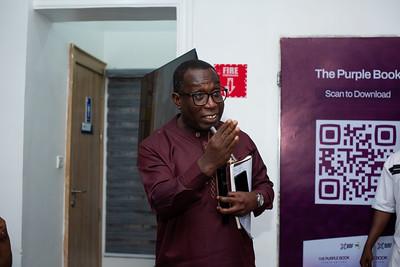
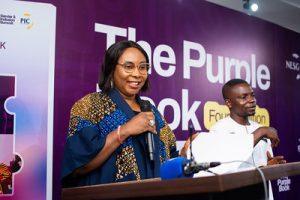
At the Policy Innovation Centre’s Purple Book presentation in Abuja, the founding Dean of Nile University’s Business School, Noel Tagoe, called for deliberate gender inclusion in tax policy design, noting that taxation can be used strategically to influence investment and economic behavior.

He explained that targeted tax incentives could encourage greater participation and leadership of women in business, stressing that taxation should no longer be treated as gender-neutral.

The founding Dean of Nile University’s Business School, also advocated for simplified and inclusive tax systems, alongside the introduction of financial literacy from primary school across African countries.

READ ALSO: Nigeria’s Tax Reforms Target Relief for Low-Income Earners

Prof. Tagoe further underscored the need for accountability, emphasising that public trust depends on transparency in how tax revenues are utilized.

Similarly, Amina Aminu Dorayi, West Africa Regional Director of Pathfinder International, grounded her remarks in the lived realities of citizens.

“These tax reforms must be designed in ways that promote inclusivity, fairness and reduce any burdens,” she said, pointing out that “the majority of the Nigerian workforce operating in the informal sector, as we all know, are women.”

She added, “economic opportunity, health, and gender equality are deeply connected,” stressing again that “These tax reforms must be designed in ways that promote inclusivity, fairness and reduce any burdens.”

Dorayi emphasised the power of inclusive systems to create enabling environments that “can unlock the potential of millions of women and young people who are already driving Nigeria’s informal economy.”

From the Federal Ministry of Women Affairs and Social Development, Dr Abia Udeme reaffirmed policy commitment to inclusion.

“The Federal Ministry of Women Affairs and Social Development remains committed to promoting policies that empower women and vulnerable groups, enhance economic participation, and ensure that development outcomes are inclusive and equitable,” she said.

She urged, “Let us work together to build a tax system that not only mobilises revenue for national development, but one that also promotes fairness, inclusion and shared prosperity for all Nigerians.”

From the Nigeria Revenue Service, Director Human Capital Management Angel Fadahaunsi highlighted institutional alignment.

“Effective tax systems function best when they are transparent, equitable and responsive,” she said, agreeing that “integrating gender perspectives into policy design, taxpayer engagement and institutional practises will support inclusive growth while strengthening voluntary compliance.”

She affirmed commitment to “policies that promote fairness and opportunity for all,” adding that inclusion helps “reinforce public trust and confidence in the tax system.”

While commending the 2026 Nigeria tax reform, stakeholders pointed to the urgency of addressing how to build a system that is not only efficient, but also equitable, with gender considerations for women at its core.

NFF Extraordinary General Assembly Holds In Bayelsa State

0

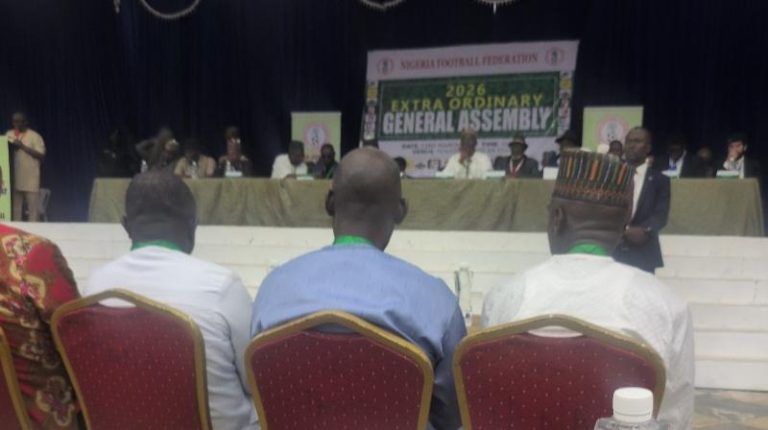
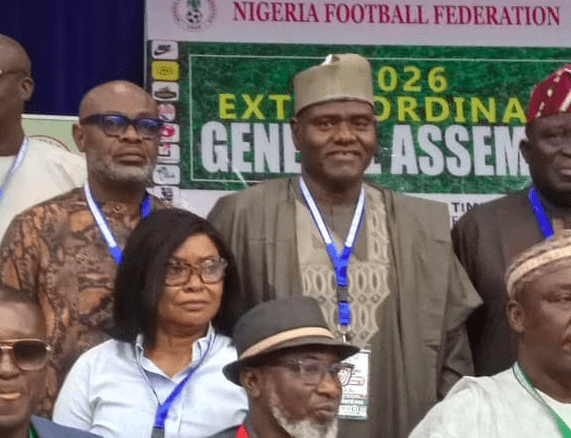
The Extraordinary General Assembly of the Nigeria Football Federation (NFF), took centre stage on Monday as Yenagoa, the capital of Bayelsa State, brought together the top brass of Nigerian football administration to deliberate on critical issues.

Declaring the assembly open at the DSP Alamieyeseigha Banquet Hall, Government House, Bayelsa State Governor, Senator Douye Diri, delivered a stirring address in which he poured encomiums on the National Institute for Sports (NIS) boss, Philip Shaibu.

Governor Diri noted that Nigeria’s sports administration has witnessed a remarkable turnaround, stating that the NIS, once largely unnoticed, has experienced a rapid transformation under Shaibu’s leadership in less than a year.

“Nigeria has never had it this good in sports administration. The NIS was hardly known before now, but within a short period, Comrade Philip Shaibu has redefined its relevance and impact,” Governor Diri said.

He further charged other sports administrators and political appointees of President Bola Ahmed Tinubu to emulate Shaibu’s visionary leadership and commitment to reform.

In his welcome address, NFF President Ibrahim Musa Gusau, set the tone for the business session, emphasising the importance of unity and progressive reforms in Nigerian football.

NFF Extraordinary General Assembly Holds In Bayelsa State

Central to the deliberations of the Extraordinary General Assembly are proposed amendments to the existing NFF Statutes, the NFF Electoral Code, and the Standing Orders of the General Assembly.

The congress is also expected to consider key appointments, including members of the NFF Electoral Committee, the NFF Electoral Appeals Committee, and the Independent Auditor of the federation.

The event is further bolstered by the presence of officials from FIFA and the Confederation of African Football (CAF), who are in Yenagoa to observe proceedings, reflecting the global significance of the assembly.

The assembly attracted top dignitaries in the sports sector, including Shehu Dikko, Chairman of the National Sports Commission (NSC); Bukola Olopade, Director General of the NSC; Senator Abdul Ningi, Chairman of the Senate Committee on Sports; and Kabiru Amadu, Chairman of the House of Representatives Committee on Sports.

Also in attendance were Chairmen and Secretaries of all 36 State Football Associations and the Federal Capital Territory (FCT), alongside members of the NFF Executive Committee and Management.

Representatives from various leagues, the Coaches Association, Referees Association, and the Players’ Union were equally present, underscoring the inclusive nature of the congress.

There is a great optimism that the resolutions reached at the NFF Extraordinary General Assembly, will strengthen governance structures and chart a new course for the development of football in Nigeria.