Home Blog Page 120

Stakeholders Call for Water Security, Gender Equality

0

The Nigerian government says there is a need for urgent and coordinated action to improve water access in the country, emphasising its critical role in driving economic growth, public health, and gender equality.

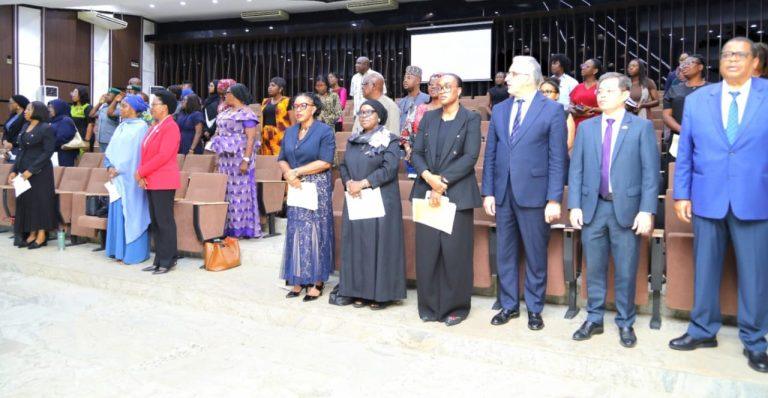
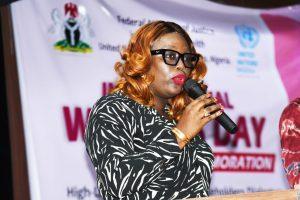
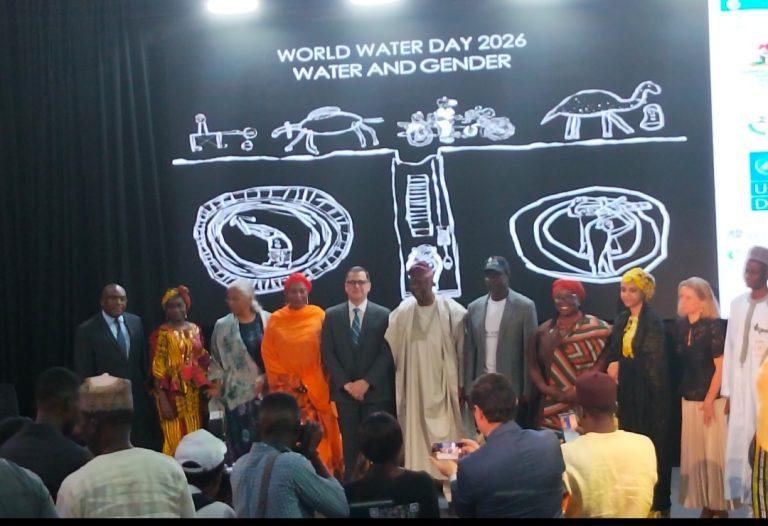
The Minister of Budget and Economic Planning, Senator Abubakar Bagudu, represented by the Permanent Secretary, Dr Deborah Odoh, stated this at the World Water Day 2026 programme, themed ‘Water and Gender’, held at the Brazilian Embassy in Abuja.

The Minister described water as “central to Nigeria’s development trajectory”, highlighting its impact on agriculture, energy systems, and community stability.

However, he warned that access to water remains a major social equity issue, disproportionately affecting women and girls across the country.

“Across many communities in Nigeria, women bear the primary responsibility for water collection and household management.

“This comes at a significant cost to their time, health, education, and economic opportunities.”

Senator Bagudu emphasised the importance of achieving water security in conjunction with promoting gender equality, in line with this year’s global theme.

Under the administration of Bola Ahmed Tinubu, the minister noted that Nigeria’s development agenda prioritises resilience, inclusion, and sustainable growth at the grassroots level.

He called for water management to be treated not only as a technical issue but also as a strategic national priority requiring cross-sector collaboration.

The CEO of Lokoja Dialogues, Mrs. Polly Alakija, outlined a grassroots approach to addressing water challenges, emphasising locally driven solutions.

She said sustainable interventions must begin with understanding the real needs of communities.

“Our mission is simple: find water, connect it to communities, and use that connection for productivity and social development,” she said.

Mrs Alakija said the organisation’s methodology includes community listening projects, expert-led working groups, field evaluations, and pilot initiatives designed to be scalable and financially viable.

She added that engaging local stakeholders is key to ensuring that solutions are relevant, inclusive, and sustainable.

UN Resident Representative Ma Elsie Attatuah painted a stark picture of the global water crisis.

Despite years of commitments under Sustainable Development Goal 6, she said, billions remain without access to safe water.

“Today, 2.2 billion people still lack safely managed drinking water,” she said, describing the current situation as an era of global water bankruptcy, where demand and pollution exceed sustainable supply.

Attatuah highlighted the gendered burden of water scarcity, noting that women and girls collectively spend an estimated 250 million hours daily collecting water worldwide.

She pointed to transformative outcomes when water access improves, including increased school attendance for girls, better health outcomes, and higher household incomes.

“When water and energy systems work together, the transformation is immediate.

“For women, it removes long-standing barriers to participation and economic empowerment.”

She called for integrated water and energy systems, improved financing models, and policies that treat water as a productive economic asset rather than a subsidy.

She also highlighted the strategic importance of Lokoja, describing it as a potential hub for integrated development due to its location at the confluence of major rivers.

She said new initiatives under the Lokoja Dialogue are demonstrating how coordinated, community-informed approaches can deliver sustainable results.

The United Nations reaffirmed its commitment, through the United Nations Development Programme, to support Nigeria in strengthening water governance frameworks and mobilising investment in the sector.

“Where water flows, equality grows,” she said, urging governments and stakeholders to treat water as one of the most strategic investments for Nigeria’s future.

The Minister of Budget and Economic Planning, Senator Abubakar Bagudu, represented by the Permanent Secretary, Dr Deborah Odoh, stated this at the World Water Day 2026 programme, themed ‘Water and Gender’, held at the Brazilian Embassy in Abuja.

Also present at the event were the minister of Finance and Coordinating Economy Wale Edun and the first lady of Yobe State Hajia Hafsat Bunmi.
President Tinubu Returns To Abuja After Eid-ul-Fitr Celebrations 

0

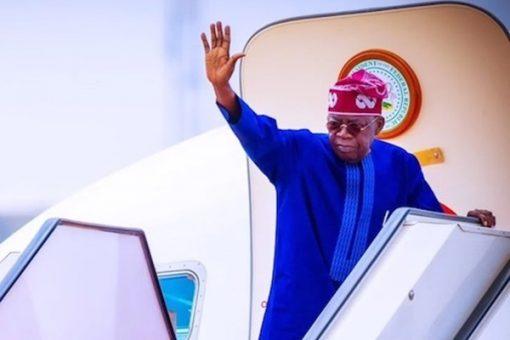
President Bola Ahmed Tinubu has returned to Abuja after observing the Eid-ul-Fitr celebrations in Lagos, following his historic state visit to the United Kingdom.

The president’s plane left the Presidential Wing of the Murtala Mohammed International Airport at 6.44 pm.

President Tinubu returned to Nigeria from the United Kingdom in the early hours of Friday and participated in the Eid-ul-Fitr prayers held at Dodan Barracks.

As part of his Lagos schedule, President Tinubu received 23 governors, including Ekiti State Governor Biodun Oyebanji.

The President also received Africa’s richest man, Aliko Dangote; an EU delegation; and members of the Lagos State Governance Advisory Council (GAC).

Vice President Kashim Shettima also came to Lagos to brief the president on his trip to Borno State, following the recent suicide bombing.

Governor of Ogun State, Prince Dapo Abiodun, and the former Governor of Ogun State, Aremo Olusegun Osoba, were at the President’s residence for the departure ceremony.

Others at the airport for the departure were the Governor of Lagos State, Babajide Sanwo-Olu, the Deputy Governor, Obafemi Hamzat; senior government officials; and party stalwarts.

Nigeria, Sweden Deepen Bilateral Cooperation in Trade, Security

Nigeria and Sweden have reaffirmed their commitment to strengthening bilateral relations in multiple sectors.

The commitment was made when the Permanent Secretary of Nigeria’s Ministry of Foreign Affairs, Ambassador Dunoma Ahmed, hosted Sweden’s Secretary of State, Diana Janse, to review cooperation across key sectors.

Discussions focused on expanding trade, investment, and collaboration in areas such as renewable energy, healthcare, manufacturing, agriculture, and digital technology.

Ambassador Ahmed acknowledged the contributions of Swedish companies to Nigeria’s economy and highlighted the role of the Swedish Trade Office in Lagos in facilitating business partnerships.

He also encouraged greater participation of Swedish firms in Nigeria’s growing market.

Ms. Janse underscored Nigeria’s strategic importance within the European Union framework and referenced ongoing efforts to deepen EU-Nigeria relations.

Both sides noted “the impact of leading Swedish companies such as Ericsson and Scania, particularly their involvement in sustainable initiatives like biogas-powered buses for Lagos State.”

Cultural cooperation also featured prominently, with Sweden reaffirming its commitment to repatriating Benin artefacts, an effort seen as strengthening mutual trust and historical reconciliation.

The meeting addressed financial transaction challenges between both countries, with both parties agreeing to explore more efficient and secure banking channels to support trade and investment.

On multilateral cooperation, Ambassador Ahmed sought Sweden’s support for Nigeria’s candidacy to bodies such as the United Nations Human Rights Council.

Ms. Janse welcomed the request, indicating that further diplomatic consultations would continue.

Security issues in the Sahel and West Africa were also discussed, with both countries emphasizing the importance of international collaboration in tackling terrorism and transnational crime.

She reaffirmed Sweden’s support for Nigeria’s peace and stability efforts.

Both sides concluded by expressing satisfaction with the shared commitment to deepening cooperation across political, economic, and cultural spheres

Nigeria Praises Outgoing Mexican Envoy for Diplomatic Impact

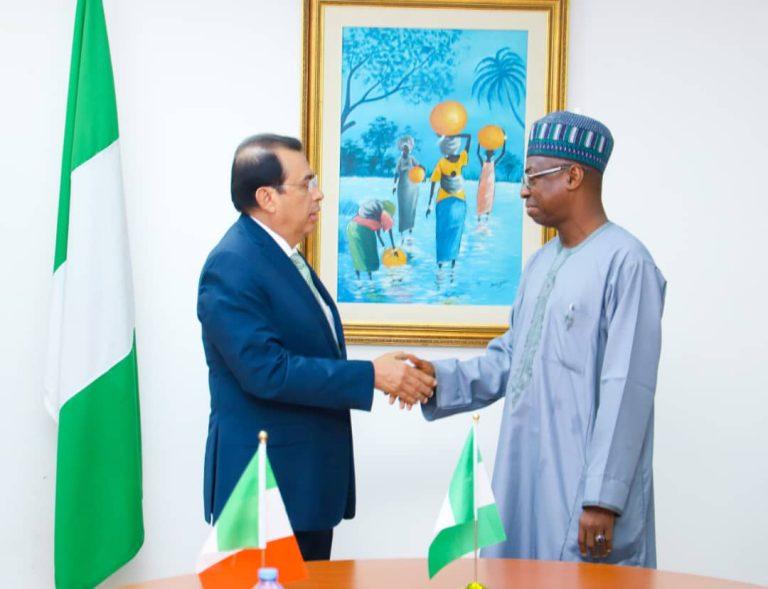
The Nigerian Government has commended the outgoing Ambassador of Mexico, Alfredo Miranda Ortiz, for his significant contributions to strengthening relations between Nigeria and Mexico.

The commendation was conveyed by the Permanent Secretary of the Ministry of Foreign Affairs, Ambassador Dunoma Ahmed, on behalf of the Minister of Foreign Affairs, Yusuf Tuggar, during a farewell meeting in Abuja.

Ambassador Ahmed praised Ortiz’s impactful service, noting that “his tenure contributed to expanding economic cooperation and diversifying trade between both countries.”

He reaffirmed Nigeria’s commitment to creating a conducive environment for foreign investment and encouraged Mexican businesses to explore opportunities in agriculture and agro-processing.

The Permanent Secretary also noted that “2026 marks the 50th anniversary of diplomatic relations between Nigeria and Mexico, describing it as a milestone reflecting the resilience and growth of bilateral ties since 1976.”

In his remarks, Ambassador Ortiz pledged to continue supporting Nigeria–Mexico relations even after leaving diplomatic service.

Ambassador Ortiz expressed gratitude to the Nigerian government for its support throughout his nearly four-year tenure, noting that “bilateral relations had significantly advanced through enhanced diplomatic engagement and structured dialogue mechanisms.”

Among key achievements, he highlighted the establishment of the Nigeria–Mexico Chamber of Commerce and the appointment of an Honorary Consul in Lagos.

He also pointed to strengthened agricultural cooperation, particularly under the SENASICA–NAQS framework, which boosted Nigeria’s hibiscus exports to Mexico.

Looking ahead, both sides emphasised the need to expand collaboration into emerging sectors such as manufacturing, mining, infrastructure, pharmaceuticals, and the digital economy.

The meeting concluded with both countries reaffirming their commitment to sustaining strong political, economic, and diplomatic ties.

Women Groups Seek Quick Passage of Reserve Seats Bill

0

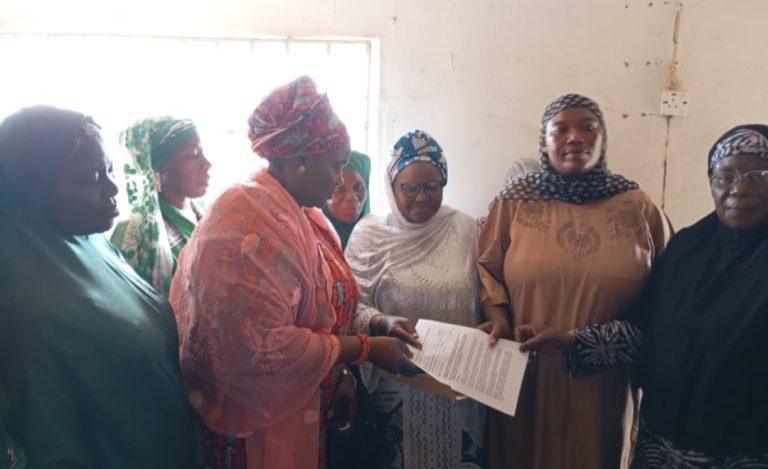
Women’s organisations across Nigeria’s 36 states are intensifying calls for the swift passage of the Special Seats for Women Bill, submitting formal letters of demand to lawmakers nationwide.

The advocacy campaign took place simultaneously across multiple states, led by a network of women’s organisations, which included women leaders, civil society organisations, grassroots groups, and community advocates.

The petition was delivered directly to lawmakers, urging them to prioritise the bill as the National Assembly resumes its recess and continues deliberations on constitutional amendments.

The network was led by the League of Women Voters of Nigeria (NILOWV), National Council of Women Societies (NCWS), National Association of Women Journalists (NAWOJ), Federation of Muslim Women’s Associations of Nigeria FOMWAN and the International Federation of Women Lawyers (FIDA), among others.

President of NILOWV, Irene Awuna-Ikyegh, who spoke to journalists in Abuja, noted that the bill is not merely a gender issue but a national development priority that seeks to address the persistent under-representation of women in governance and create a more inclusive political system that reflects the diversity of the Nigerian population.

“Constituency-based engagement is a strategic approach to ensure lawmakers understand the urgency, public support, and national significance of the Special Seats Bill.”

The coordinated action is coming at a time when the National Assembly continues work on constitutional amendments, making the period a defining moment for legislative decision-making on inclusive governance reforms.

Awuna-Ikyegh expressed concern over the delay in passing the Bill, noting that failure to secure its passage by April would make it impossible to implement ahead of the next election cycle.

She emphasised that the bill is critical to creating inclusive political opportunities and correcting long-standing gender imbalances in governance.

In the letters submitted to the lawmakers, the groups urged legislators to, among other things, support the passage of the Special Seats for Women Bill; recognise the importance of inclusive representation; align with global democratic standards; strengthen Nigeria’s governance structure; and respond to the growing demand from citizens and stakeholders.

She said, “These letters are intended to further strengthen support for special seats at the grassroots level, involving leaders in the constituencies, policy influencers, and members of the 10th assembly.” 

“This is the momentum that says Nigerian women have spoken in a unified voice for passage of the bill.”

Leaders of other women’s networks like FIDA, NAWOJ, and NCWS also reaffirmed that the passage of the special seats bill will massively open up the space for women to participate in elections across the country.

Gender Strategy Advancement International GSAI Executive Director Adaora Onyechere Sydney-Jack said the coordinated mobilisation shows that the time has come to strengthen Nigeria’s democracy through inclusive representation and ensure that women have a stronger voice in shaping the nation’s future.

Nigeria Judge Urges Gender-Responsive Justice System Reforms

0

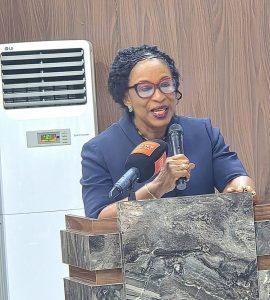
A judge of the Federal Territory High Court, Angela Otaluka, has called for a gender-responsive justice system that is “deliberate, inclusive, and sensitive to the realities of those it serves,” emphasising the urgent need to close gaps in access, accountability, and protection for women and girls across Nigeria.

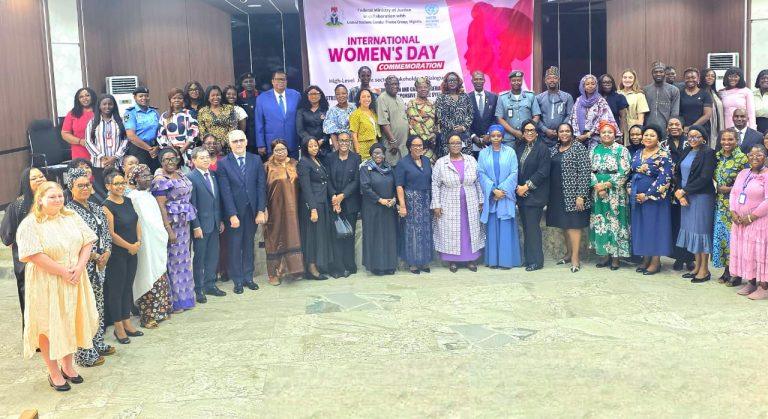
Delivering the keynote address at the International Women’s Day 2026 High-Level Dialogue organised by the Federal Ministry of Justice and UN Gender Theme Group Nigeria in Abuja, she stated that the theme, “Equal Justice for Women and Girls in Nigeria: Strengthening Inclusive Gender-Responsive Justice Systems,” is “not merely aspirational; it is a constitutional, moral, and developmental imperative.”

Highlighting prevailing challenges, she noted that “women and girls in Nigeria still continue to face some barriers in accessing justice”, citing “entrenched cultural and societal norms”, “economic dependency”, and “delays and inefficiencies within the justice system”.

Justice Otaluka stressed that gender-based violence “remains a grave and pressing concern”, constituting “a direct assault on the dignity, security and equality of women and girls under our law.”

She commended ongoing reforms, including specialised courts that enhance access and responsiveness, stating that “our justice system has woken up to the alarming and constant call to the protection of the vulnerable.”

Underscoring core justice obligations, she outlined that institutions “must ensure accessibility. Promote Accountability. Protect Survivors. Strengthen Legal Frameworks against discrimination.”

Integrating concrete solutions, she emphasised that we must move beyond rhetoric to practical reforms that deliver real and measurable impact, including “capacity building for judges, prosecutors, and law enforcement on gender sensitivity”; “the establishment of specialised courts or units for GBV cases”; “the integration of technology to reduce delays and enhance transparency”; and “strengthening legal aid systems to support indigent women and girls.”

Emphasising collaboration, she noted that “no single institution can address these challenges alone”, calling for coordinated efforts across “government institutions”, “civil society organisations”, and “international development partners”, as well as “traditional and religious leaders”.

Reinforcing inclusivity within the justice system, she urged “intentional efforts to promote greater participation of women in leadership positions” alongside “safe, respectful and equitable working environments” and structured mentorship for young female legal practitioners.

She concluded with a call to action: “Ensure that in Nigeria, justice is not a privilege for a few but a right guaranteed to all women and girls.”

Nigeria, UN Partners Advance Gender-Responsive Justice For Women, Girl

0

The Nigerian government and international partners have renewed high-level commitment to strengthening inclusive, gender-responsive justice systems.

At a convening organised by the Federal Ministry of Justice and the United Nations Gender Theme Group Nigeria in Abuja, themed “Equal Justice for Women and Girls in Nigeria: Strengthening Inclusive Gender-Responsive Justice Systems”, to mark International Women’s Day 2026, UN Resident Coordinator Mohammed Fall underscored the urgency of bridging the gap between legal frameworks and lived realities.


“For many survivors, justice remains an aspiration rather than a guarantee,” he said, stressing that “the real test lies in making these laws accessible, responsive, and centered on the dignity of survivors.”

He further emphasised the need for legislative action, noting that “its full impact can only be realised when it is passed, domesticated, and effectively implemented across all states,” adding that “passing the revised VAPP Bill is not just a legislative step; it is a moral obligation.”

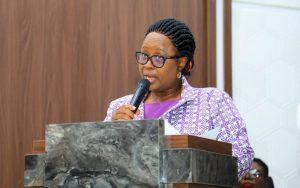
UN Women Representative to Nigeria and ECOWAS, Beatrice Eyong, speaking as co-chair of the Gender Theme Group, positioned justice as central to gender equality outcomes.

“Justice is not a peripheral concern in the gender equality agenda; it is its very foundation,” she stated, warning that without accessible systems, “every other gain… remains precarious.”

She called for implementation-driven reforms, emphasising the need for “budget lines, institutional protocols, and time-bound action” along with scaling legal aid, institutionalising gendersensitivity training, and strengthening referral pathways.

Eyong further acknowledged civil society as critical actors, noting, “They are the bridge between the women who need justice and the systems that are meant to deliver it.”

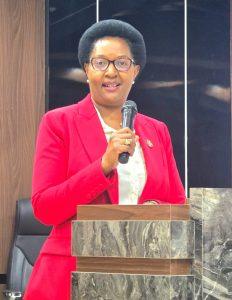
Reinforcing the human rights and service delivery dimensions, UNFPA Representative Muriel Mafico emphasised survivor-centered justice.

“Access to justice is a human rights imperative. It is about restoring dignity and ensuring that no woman or girl navigates injustice alone,” she said, aligning the dialogue with global commitments to inclusive and accountable systems.

Furthermore, the Head, Sexual and Gender-Based Violence Response Unit, Federal Ministry of Justice, Yewande Gbola-Awopetu, reiterated institutional resolve to address systemic barriers.

“A justice system that inadequately protects its women and girls cannot truly be just,” she stated, stressing that justice must be “unselective, accessible, and uninfluenced by gender.”

Across submissions, a unified message emerged: move “beyond intention to action,”, ensuring justice becomes “a lived reality rather than an abstract promise” for every woman and girl in Nigeria.

WMO Warns of Climate Emergency Amid Record Heat

0

The World Meteorological Organization has warned that the Earth’s climate is now dangerously out of balance, driven by rising greenhouse gas emissions that are driving unprecedented warming, ocean heat, and ice melt.

In its State of the Global Climate 2025 report, the agency said ”the period from 2015 to 2025 ranks as the hottest on record, with 2025 among the three warmest years, recording temperatures about 1.43°C above pre-industrial levels.”

The report also highlighted the growing impact of extreme weather events, including heatwaves, floods, and storms, which have caused widespread destruction, loss of lives, and significant economic losses globally.

Released on World Meteorological Day, the report highlights a record-high Earth energy imbalance caused by greenhouse gases at levels unseen in 800,000 years.

Over 90% of excess heat is absorbed by the oceans, accelerating sea-level rise and long-term climate change.

WMO Secretary-General, Celeste Saulo warned that ‘human activities are disrupting the planet’s natural systems, with impacts set to last for centuries.’

Similarly, UN Secretary-General António Guterres described the situation as ‘a climate emergency,’ urging immediate global action.

The report underscores growing risks to health, food security, and global stability, calling for urgent measures to reduce emissions and strengthen climate resilience.

Nigeria Disburses N32bn to Strengthen Primary Healthcare

0

The Nigerian government has approved the disbursement of over N32 billion under the Basic Healthcare Provision Fund (BHCPF) to strengthen primary healthcare services and expand facilities across the country.

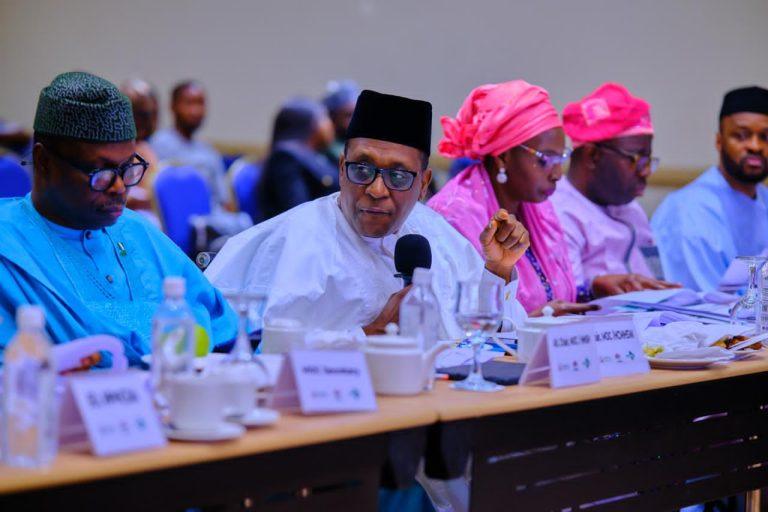
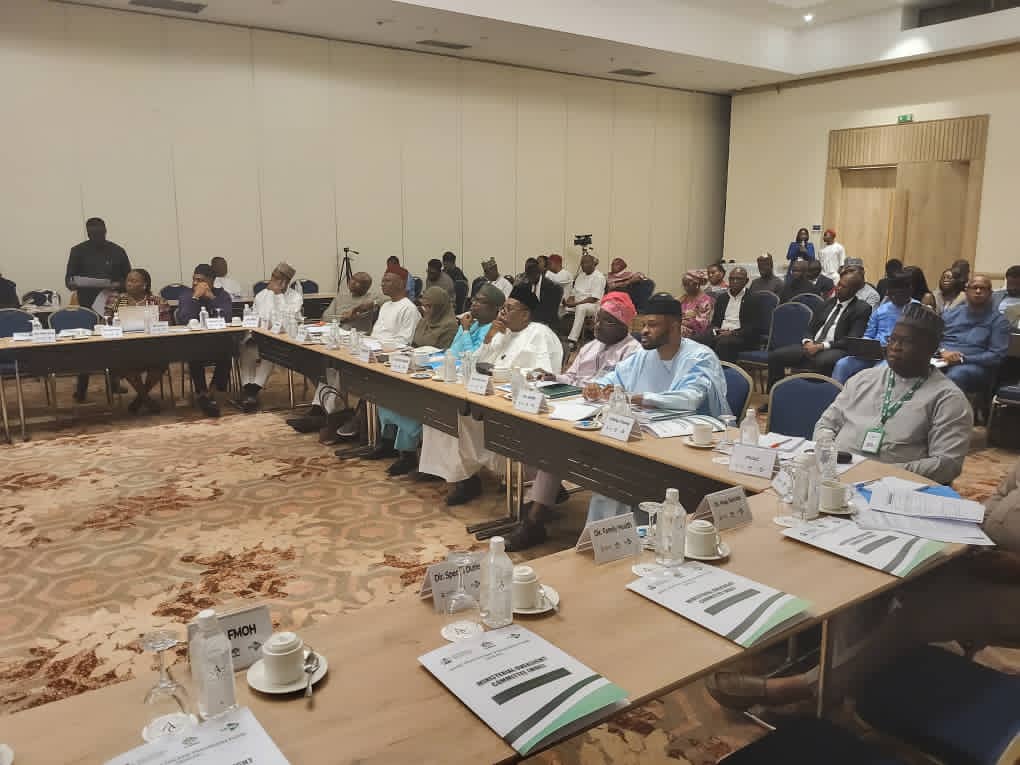
The approval was granted at the 14th meeting and first quarter of the 2026 session of the Ministerial Oversight Committee (MOC) of the BHCPF, held in Abuja.

In a statement by the assistant director of press, Addo Bako, the coordinating minister of health and social welfare, Professor Ali Pate, said, “The fund remains a key financing mechanism aimed at ensuring predictable healthcare funding, reducing out-of-pocket expenses, and improving access to quality services, especially for vulnerable populations.”

At the meeting, gateway agencies, including the National Health Insurance Authority (NHIA), National Primary Health Care Development Agency (NPHCDA), and Nigeria Centre for Disease Control (NCDC), presented updates on implementation progress.

Representatives from the Association of Local Governments of Nigeria (ALGON) and civil society organisations (CSOs) also shared field-level insights, highlighting improvements in service delivery, public health responses, and financial protection.

A major highlight of the meeting was the accelerated rollout of BHCPF 2.0 under the Sector-Wide Approach (SWAp), which aligns healthcare financing, service delivery, and accountability systems to improve outcomes nationwide.

This is in line with the Nigeria Health Sector Renewal Investment Initiative (NHSRII).

The committee also reviewed priority interventions such as the Maternal and Neonatal Mortality Reduction Initiative (MAMII), HOPE Primary Healthcare programme, and the National Health Fellows Programme (NHF), all aimed at strengthening healthcare delivery, workforce capacity, and leadership within the sector.

Progress reports on the National Emergency Medical Services and Ambulance System (NEMSAS), as well as maternal and child health indicators, were also assessed, with a focus on improving emergency response and lifesaving care.

Professor Pate said, “The government is aligning healthcare financing with measurable outcomes.” He noted that the BHCPF 2.0 framework ensures that resources directly translate into improved service delivery, particularly at the primary healthcare level.

Also speaking, the Minister of State for Health and Social Welfare, Dr. Iziaq Salako, emphasised that the initiative is already delivering visible results, including safer deliveries, an improved emergency response, and more functional primary healthcare centers.

Addressing journalists after the meeting, he expressed optimism about the progress recorded in the health sector under the current administration.

Salako said, “Improvements have been observed in healthcare utilisation, maternal mortality, and immunisation coverage, with funds reaching health facilities more efficiently.”

He disclosed that the government plans to expand the BHCPF to cover an additional 5,000 primary healthcare facilities, ensuring that more centers benefit from direct funding.

The minister also revealed that tariff rates for emergency ambulance services are being reviewed upward to support both public and private providers.

Salako said that the policy of free emergency obstetric care has significantly impacted lives, with over 40,000 women already benefiting from reimbursements.

He said, “More than 4,000 women have also received treatment under the free fistula programme, while neonatal care reimbursements are gradually being implemented,” noting that the Comprehensive Emergency Management of Obstetric Services (CEMOS) is yielding positive results.

He further highlighted Nigeria’s progress in disease outbreak control, stating that over 200 outbreaks recorded in the past year were swiftly contained.

He also pointed to the success of immunisation efforts, with more than 102 million children vaccinated during the country’s largest integrated measles and rubella campaigns.

The government reiterated its commitment to improving maternal and child health outcomes while advancing towards universal health coverage through sustained investment and strategic reforms in the health sector.

Zambia Clears New Energy Investments Worth $56m

0

Zambia’s Energy Regulation Board (ERB) has approved 24 licenses and seven construction permits aimed at boosting energy service delivery across the country—a move the regulator says reflects growing investor confidence in the liberalised energy sector.

ERB spokesperson Namukolo Kasumpa said the new licences demonstrate the effectiveness of Zambia’s regulatory framework in attracting compliant and sustainable energy investments.

The approvals include nine licences for the manufacture, supply, installation, and maintenance of renewable energy equipment, representing investment commitments of more than 1.1 billion Kwacha (about $56.3 million) and signalling continued interest in the country’s expanding clean energy market.

Kasumpa said, “The ERB has also licensed 80 petroleum fuel tankers to strengthen the national fuel supply chain and improve distribution capacity.”

Furthermore, seven construction permits for new retail service stations were granted, while four service stations have been commissioned.

Zambia’s energy sector has been progressively liberalised over the past two decades, allowing private players to enter electricity generation, fuel distribution, and renewable energy development.

The reforms were designed to increase competition, expand investments, and reduce pressure on state-owned utilities.

The ERB’s latest approvals come as the country seeks to diversify its energy mix, address supply constraints and attract new capital for both petroleum and renewable energy infrastructure.


AP