Home Blog Page 548

Gombe Government Prioritises Infrastructure, Agriculture in 2026 Budget

The Gombe State Government says the 2026 budget will focus heavily on infrastructure, agriculture and key social services, as the administration works to consolidate ongoing development projects ahead of 2027.

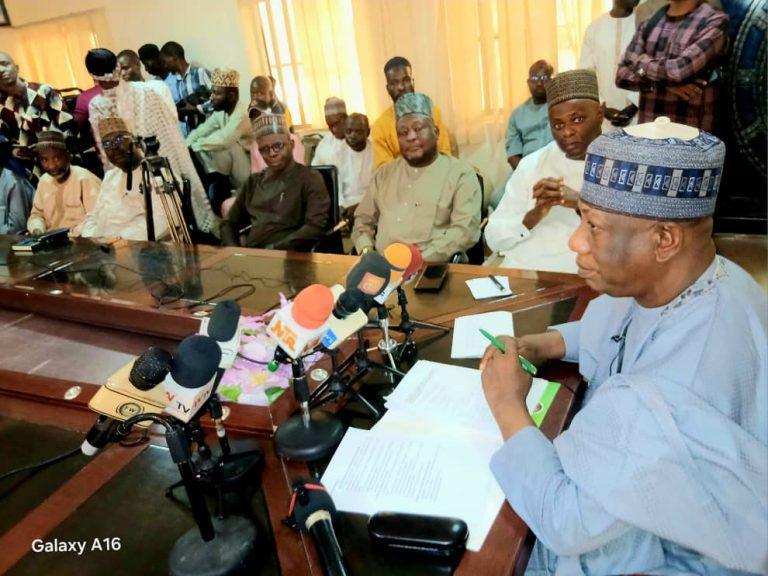
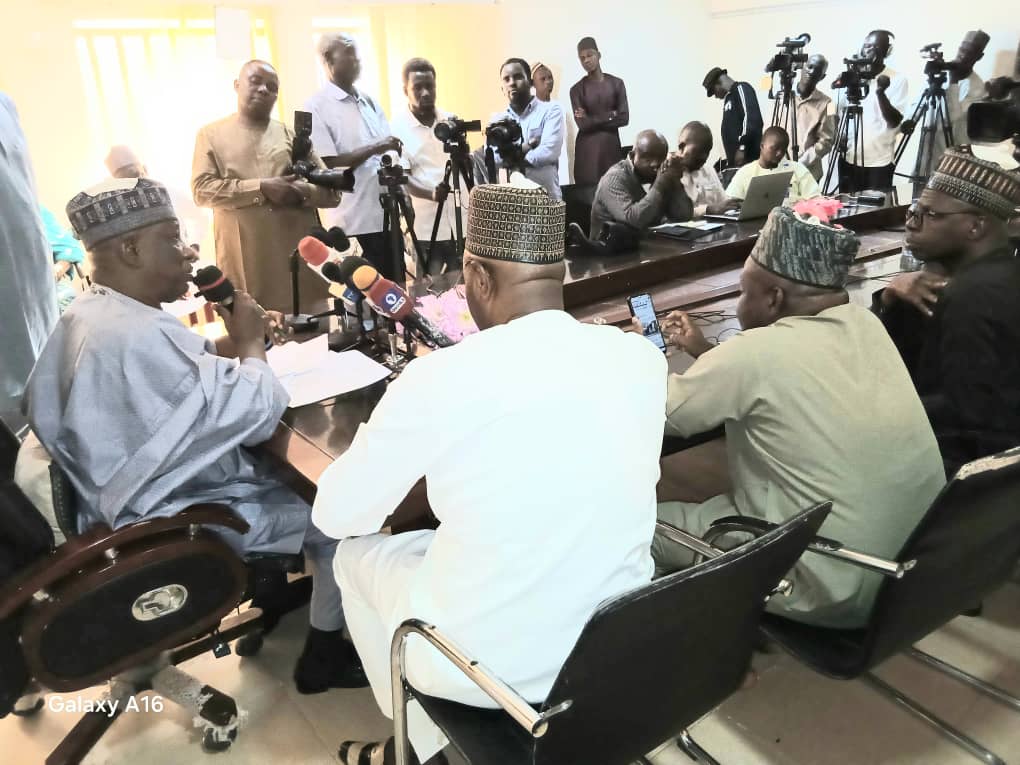
The Commissioner for Budget and Economic Planning, Mr. Salihu Baba Alkali, stated this during the 2026 Budget Breakdown in Gombe.

He said the administration remained committed to completing all ongoing projects before the end of Governor Muhammadu Inuwa Yahaya’s tenure.

Mr. Alkali disclosed that “the state’s Internally Generated Revenue had already met its annual target by October 2025, following reforms at the Gombe State Internal Revenue Service.

He noted that the service will be further strengthened to boost collections and reduce reliance on federal allocations.

Mr. Alkali also appealed to residents to pay their taxes promptly to support government programmes.

Priority Sectors

According to the Commissioner, “agriculture, education, health, water resources and the environment constitute major priority areas in the 2026 proposal.”

He described infrastructure as the foundation for progress across all sectors.

Healthcare cannot function without accessible roads, and farmers cannot move produce to markets without motorable routes,” he said, stressing that the improved road network has contributed to fewer road crashes in recent years.

Agriculture and Economic Development

Mr. Alkali said “agriculture remains central to the state’s economy. The 2026 budget allocates increased funding to support smallholder farmers and expand agricultural businesses.”

Key agriculture projects include ‘the construction of an ultra-modern abattoir, rehabilitation of earth dams and the development of a new livestock market.’
He said that the Ministry of Trade and Industry would continue work on the International Grains Market and the Muhammadu Buhari Industrial Park.

Infrastructure Development

Major infrastructure items captured in the budget include; ‘the continued development of the Gombe Special Capital Development Zone, the construction of the Gombe Northern Bypass, a modern fire service station in the Shehu Abubakar District and ongoing urban renewal projects.

Water, Environment and Forestry

The budget also captures the Gombe Urban and Regional Waterways Project at Dadin Kowa, solar-powered water installations, the continuation of the 26-kilometre Doma Gully erosion control project and expanded environmental sanitation programmes.

Education and Social Services

In the education sector, the government plans to modernise and upgrade five mega schools and continue funding WAEC and NECO examinations for students in public schools.

Higher education priorities include; establishing a Faculty of Agriculture at the Gombe State University Malam Sidi Campus, strengthening state-owned tertiary institutions and improving infrastructure across campuses.

Health Sector

The 2026 budget provides for the recruitment of additional health workers, procurement of essential supplies for malnourished children, the purchase of hospital consumables and the training of health personnel.

Youth and Sports Development

Mr. Alkali said youth programmes would focus on strengthening the G-CARES initiative and recruiting additional personnel into the Gombe State Security, Traffic and Environmental Corps (GOSTEC).

He reaffirmed the administration’s commitment to accountability, efficiency and the completion of all ongoing projects.

Financial Outlook

The Permanent Secretary, Mr. Jallo Ibrahim Mohammed, said; “₦27 billion had already been spent on the Muhammadu Buhari Industrial Park, where six companies are operational.”

He expressed confidence that more investors would come in as the project expands.

The Director-General of the Debt Management Office, Mr. Kabir Tsoho, said debt servicing for the coming year is projected at ₦22 billion, down from ₦23 billion last year.

Tsoho noted that “the state has no plans for local borrowing in 2026 and does not intend to leave a debt burden for the incoming administration in 2027.”

He added that expected inflows from development partners such as the World Bank and the African Development Bank would support the financing of the 2026 budget deficit.

Governor Muhammadu Inuwa Yahaya had last week presented a ₦535.7 billion budget proposal for the 2026 fiscal year to the Gombe State House of Assembly, describing it as a Budget of Consolidation aimed at sustaining development momentum in the state.


Nigerian Government Reaffirms Commitment to Ending Open Defecation

0

The Nigerian government has renewed its collective commitment to ensuring that every citizen both in rural and urban areas has access to safe, clean, and sustainable toilet facilities.

The government said that, working together, Nigerians can build a nation where open defecation becomes a thing of the past and where every community enjoys the benefits of improved sanitation, good health, and environmental sustainability.

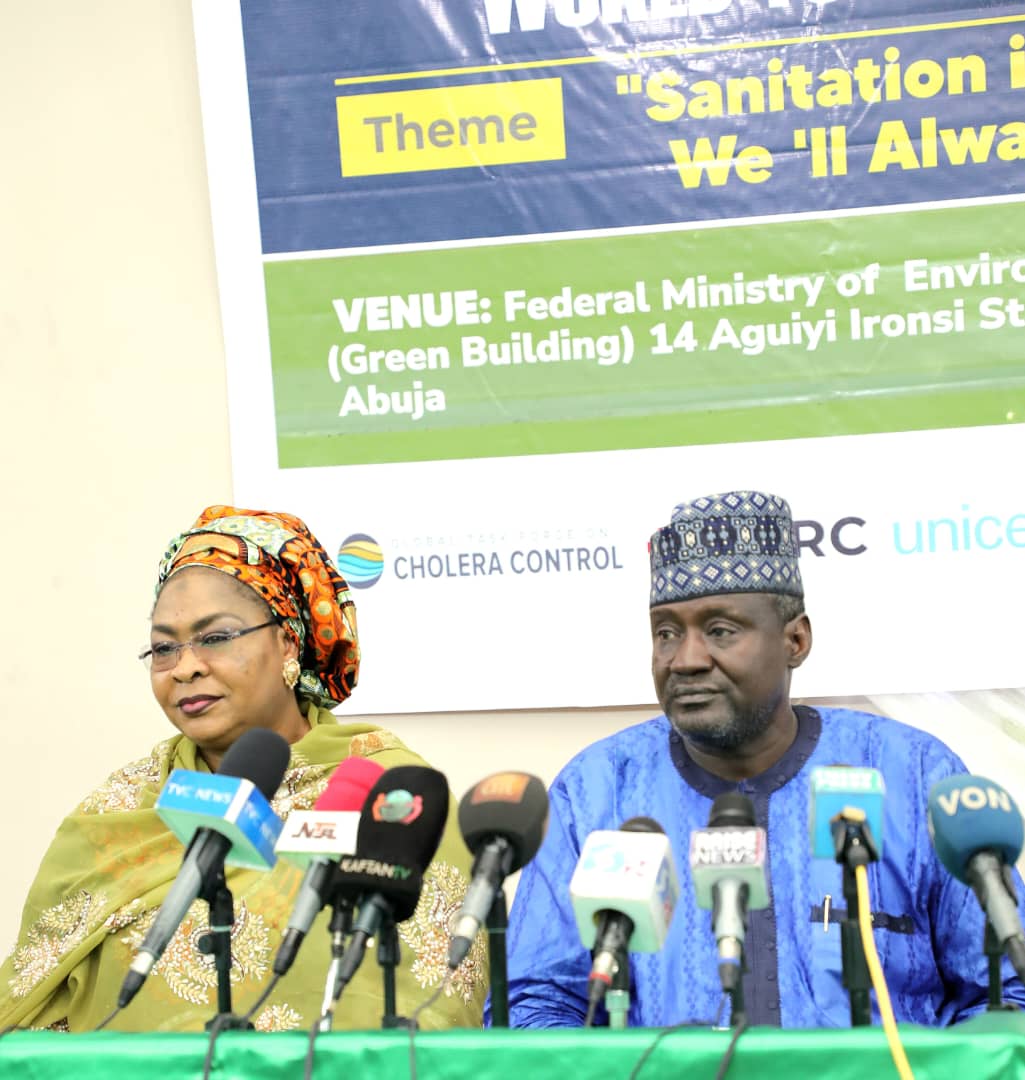
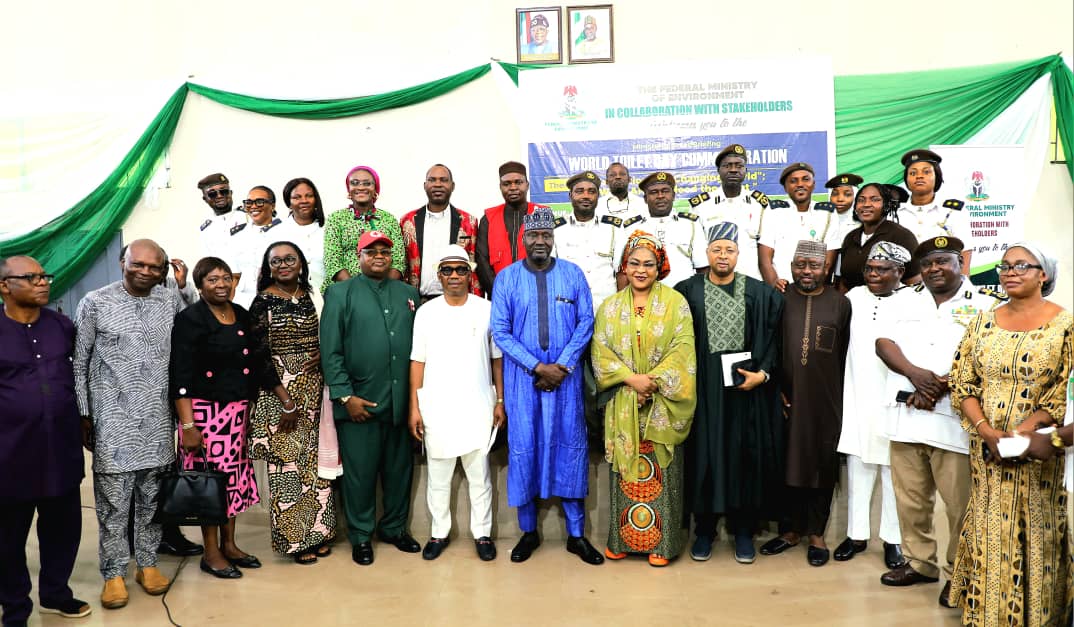
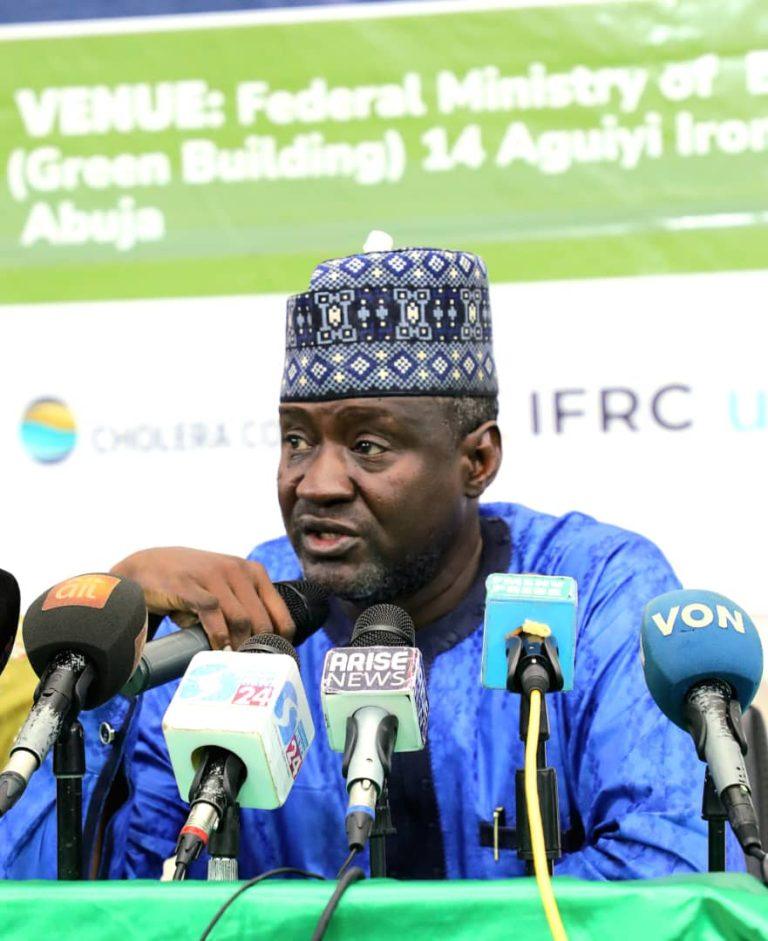
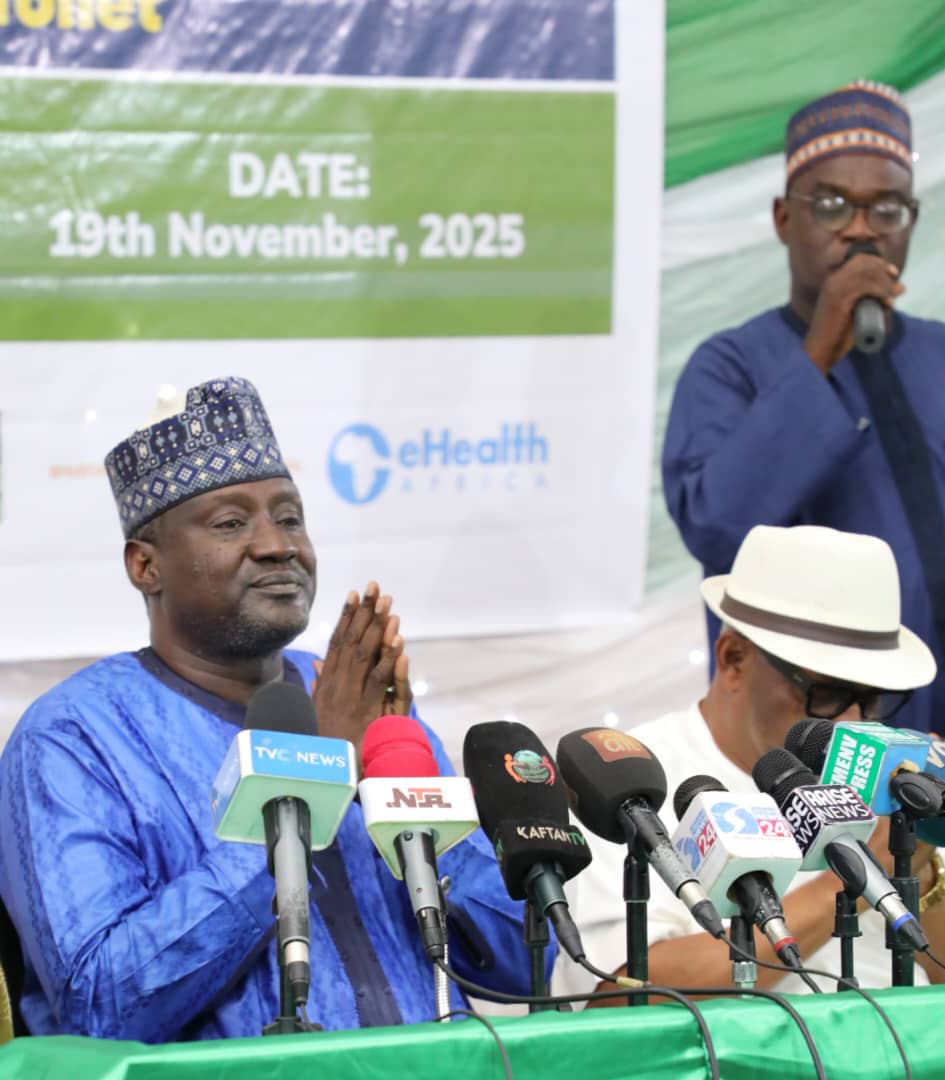
This commitment was reiterated by the Minister of Environment, Mr. Balarabe Lawal, during the commemoration of the 2025 World Toilet Day in Abuja, with the theme: “Sanitation in a Changing World”, and the tagline, “We’ll Always Need a Toilet.”

Represented by the Permanent Secretary in the Ministry Mahmud Kambari, the Minister underscored the critical need for resilient sanitation systems as Nigeria’s population grows and climate change intensifies.

He emphasised that “access to safe and clean toilets remains a fundamental human right essential for protecting health, preserving dignity, and safeguarding the environment.”

Despite global progress, 4.5 billion people still lack safely managed sanitation while 892 million practice open defecation, posing serious public health challenges,” the Minister stated.


Highlighting ongoing national efforts, the Ministry pointed to several key interventions, including: “The Clean and Green Programme, promoting access to safe and adequate toilets in public places;
Construction and rehabilitation of toilets in strategic locations across the country,
Community-based interventions aimed at eliminating open defecation, capacity building for Environmental Health Officers and Sanitation Desk Officers across the 36 States and FCT; National WASH policy is being develop by National stakeholders to address sanitation holistically.,” he said

The Minister stressed that the Nigerian Government remains committed to tackling sanitation challenges and achieving an Open Defecation-Free (ODF) Nigeria by 2030.

This commitment is further demonstrated through the Presidential Declaration of a State of Emergency on Water, Sanitation, and Hygiene (WASH) and the signing of Executive Order No. 009 (2019) titled “The Open Defecation Free Nigeria by 2025 and Other Related Matters”, which is currently under review.” he said

Lawal also urged State and Local Governments to prioritize sanitation in their development plans and to enforce existing sanitation laws, regulations, and standards.

According to the Minister, “toilet is not just a convenience, it is a lifeline for health, safety, and dignity. Access to toilets means access to a cleaner environment, better health outcomes, and sustainable development.”

The Senior Programme Manager of the Water Programme, Centre for Science and Environment (CSE) India, Mrs. Susmita Sengupta, reaffirmed the organisation’s readiness to support Nigeria in developing technical guidelines that will strengthen sustainable sanitation practices.

She also underscored the importance of developing strong communication materials for advocacy, noting that communities must understand the link between sanitation, health, and women’s dignity.

Whenever resources such as water, land, and funding are available, communities should be supported to identify and adopt suitable sanitation options at the local level,” she explained.

The Secretary General of the Nigerian Red Cross Society (NRCS), Dr. Abubakar Kende, stressed the need for urgent action to expand access to safely managed sanitation, especially in the face of challenges such as aging infrastructure, rising demand, climate change, and growing inequality.

He noted that the Global Taskforce for Cholera Control (GTFCC) Country Support Platform—hosted within the International Federation of Red Cross and Red Crescent Societies (IFRC)—has been working with the Ministry of Environment and other agencies to develop and launch the National Strategic Plan of Action on Cholera Control (NSPACC), which places strong emphasis on sanitation and hygiene as key pillars in preventing disease outbreaks.”

The Registrar of the Environmental Health Council of Nigeria (EHCON), Dr. Yakubu Baba, called for urgent action toward achieving a cleaner and more dignified environment for all Nigerians.

He reaffirmed the Council’s commitment to promoting safer and cleaner environments and warned that poor sanitation remains a leading cause of child mortality across the country.

The event was organised by the Federal Ministry of Environment in collaboration with the Cholera Control platform, the International Federation of Red Cross and Red Crescent Societies (IFRC), Nigerian Red Cross Society NRCS and UNICEF.

The major highlight of the 2025 commemoration was Community Engagement and Sensitisation Campaign and the Commissioning of a New Public Toilet Facility at Orange Market, one of the busiest commercial hubs in the Abuja–Nasarawa corridor.

The newly constructed facility includes gender-separated units, reliable water supply, handwashing stations, and proper fecal sludge management systems. It is expected to significantly reduce open defecation and improve hygiene in the market.

INEC Says Technology Ends Electoral Fruad 

By Vin Oliji, Abuja

The Chairman of the Independent National Electoral Commission (INEC), Professor Joash  Amupitan, has declared that the deployment of the Bimodal Voter Accreditation System (BVAS) has effectively solved the protracted challenge of identity theft in Nigeria’s elections.

Professor Amupitan made this declaration at the 2025 Digital Nigeria International Conference and Exhibitions in Abuja, organised by the National Information Technology Development Agency (NITDA).

In his keynote address, the INEC Chairman, who was represented by Mrs. May Agbamuche-Mbu, a National Commissioner in the Commission, stated that the era of multiple voting and identity fraud is over and noted that the BVAS signposted a milestone of the nation’s democratic history, having become a ‘foolproof mechanism’ for verification.

“The BVAS device has become our frontline defence against identity fraud, ensuring that only the rightful, eligible voter can be accredited at the polling unit,” the Chairman said.

“With the biometric safeguards now in place, voter impersonation has been effectively eliminated from our electoral system,” he stated.

Standing before a diverse audience of tech innovators, policy makers, and civil society groups, Professor Amupitan backed his assertion with BVAS data from the recently concluded Anambra State Governorship election.

According to the INEC boss, the 6,879 BVAS devices configured and deployed for the Anambra polls recorded a highly commendable performance, adding that over 99% of polling unit results were uploaded to the INEC Result Viewing (IReV) portal on Election Day itself.

“These outcomes confirm that the deployment of BVAS and IReV is no longer experimental but an entrenched part of Nigeria’s electoral architecture.

“The figure announced at the polling units is the same figure visible to the public. Technology has safeguarded the vote,” he said.

He reminded the audience that previous technologies, while innovative, lacked the ‘teeth’ of the law, leaving the Commission vulnerable to technicalities in election tribunals, stating that the situation shifted with the Electoral Act 2022.

He highlighted Section 47(2) as the watershed provision that transformed digital devices from mere administrative guidelines into statutorily protected pillars of the electoral system.

“This legislative foundation ensures that our digital tools have both operational and legal legitimacy. It has strengthened public trust and enabled the Commission to innovate with confidence,” he explained.

However, professor Amupitan admitted that while voter impersonation and multiple voting had been largely tackled with BVAS, connectivity remained a logistical headache.

He acknowledged that while the Commission’s steady deployment of technology has boosted credibility, it is by no means a cure-all.

He pointed to the nation’s uneven telecommunications landscape as a stubborn obstacle stating that with 176,846 polling units tucked into swamps, perched on mountains, and hidden in far-flung communities, achieving real-time upload of Polling Unit results to the INEC Result Viewing Portal remains one of the toughest battles for transparency on Election Day.

“A tool like the BVAS is only as good as the network it runs on,” he admitted, noting that the Commission will continue to engage the NCC and network providers to find ways of addressing the challenge, while actively exploring alternative technologies to bridge the gaps,” he remarked.

Despite these technology challenge, the chairman sent a strong signal to the political class that there is no U-turn in deploying technology for elections in the country.

He firmly shut the door on any suggestions of returning to manual procedures, describing the old model of manual accreditation as vulnerable to human interference.

“The gains we have recorded are too significant to reverse,” the INEC Chairman insisted. He outlined a future where the Commission would not only stick with the current tech but actively upgrade it to more seamless solutions.

Professor Amupitan however noted that the Commission’s mission is to ensure that every eligible voter is accurately verified, every vote is properly counted, and every result is transparently shared.

US Unveils Landmark HIV Prevention Rollout

0

By Edward Samuel, Abuja

The United States Government has announced a major global health milestone with the launch of Lenacapavir, a groundbreaking twice-yearly HIV prevention injection now being deployed across high-burden African countries.

The announcement was made during a digital press briefing hosted by the U.S. Department of State’s Africa Regional Media Hub, highlighting the collaborative effort between the U.S. Government, Gilead Sciences, and the Global Fund to Fight AIDS, Tuberculosis, and Malaria.

Led by Senior Advisor Brad Smith and Principal Deputy Assistant Secretary Becky Bunnell, the briefing outlined how the rollout aligns with the America First Global Health Strategy unveiled in September.

The strategy shifts U.S. global health investments toward strengthening African health systems, expanding market-driven partnerships, and ensuring shared responsibility with national governments.

Smith emphasized that the United States remains committed to serving as a global health leader but will do so by supporting African countries to increase domestic health investments.

He said, “The rollout of Lenacapavir represents the best of our partnership with Africa.”

Lenacapavir, an American-developed innovation from Gilead Sciences, is the first twice-yearly injectable HIV prevention drug.

It is said to have nearly 100 percent effectiveness in preventing new HIV infections in global and African-based clinical trials.

With its long-acting protection and simplified dosing, it is being hailed as a game-changer for populations struggling with adherence to daily oral PrEP.

The U.S. and the Global Fund have jointly procured all 600,000 doses available globally for 2026, far surpassing the initial U.S. projection of 250,000.

Strong demand from African countries led to increased commitments, with the U.S. now purchasing 325,000 doses in the first year.

Supply is expected to scale to 2 million doses by mid-2027, when generic manufacturers already licensed and undergoing technology transfer are anticipated to begin production for sustainable long-term access.

Eswatini became the first country to receive shipments of Lenacapavir.

Once the global epicenter of HIV, with nearly one in three adults infected at the peak of the epidemic, Eswatini today boasts one of the world’s highest treatment coverage rates.

He said, “Yet new infections remain a concern. The first phase of Lenacapavir deployment in the country will target over 6,000 individuals at highest risk, particularly adolescent girls, young women, pregnant women, and breastfeeding mothers, to support efforts to eliminate mother-to-child transmission.”

During the question-and-answer session, officials elaborated on clinical trial outcomes, safety, projected production capacity, and criteria for selecting beneficiaries.

They noted, “Lenacapavir has no addictive properties, has undergone extensive testing in the U.S., Europe, and Africa, and has shown high tolerability across all demographics.

“Country prioritization is based on HIV burden, with an initial rollout to 10 African countries. Within each country, governments, PEPFAR, and the Global Fund are jointly determining how to reach those most at risk.” 

The experts agreed that the successful introduction of Lenacapavir could dramatically cut HIV incidence, strengthen prevention programs, improve adherence outcomes, and accelerate Africa’s path toward ending HIV as a public health threat.

As the world observes this historic rollout, the U.S. Government says the initiative proves what is possible when global institutions, private industry, and national governments unite behind a common goal: saving lives and ending the HIV epidemic for future generations.

VP Visits Kebbi, Says President Tinubu Committed to Schoolgirls Rescue

0

By Timothy Choji, Abuja

Vice President Kashim Shettima has assured families of the abducted Kebbi schoolgirls that President Bola Ahmed Tinubu is deeply committed to their safe rescue, as he works to ensure that justice is also served for the tragic deaths of Brigadier-General Musa Uba and the Vice Principal.

The Vice President, who spoke on Wednesday while in Birnin Kebbi, the Kebbi State capital, on the directive of President Tinubu, described the abduction of the school girls from the boarding school in Maga as an assault on the collective conscience of all Nigerians.

He vowed that the government will deploy all instruments of the state to rescue the schoolchildren and ensure their abductors and killers of the gallant military general and the vice principal are made to face the full weight of justice.

The President had on Tuesday evening asked the VP to visit the state to sympathise with the state government and assured parents and guardians of the kidnapped school girls that the government will ensure their quick release.

Extending President Tinubu’s sympathy to families of the abducted schoolgirls and the state government, VP Shettima said, “Kebbi’s pain is Nigeria’s pain. When one child is taken, every home in this nation grieves. When girls in the safety of their classroom are seized by criminals, our collective conscience is assaulted.

“Mr President is deeply troubled by this tragedy. He shares your anguish, and he has sent me to assure you that this is not a moment for politics. This grief transcends party lines, geography, and identity. This is a time for unity, for compassion, and for firm resolve in the face of evil. Our priority is singular and unflinching: our daughters must return home safely.”

Strong Support

On behalf of the President, VP Shettima assured them that their tears, fears, and cries are a stain on Nigeria’s collective conscience, and that the nation “shall not turn away from this responsibility.

“This government will not relent. We will use every instrument of the state to bring these girls home and to ensure that the perpetrators of this wickedness face the full weight of justice.

“Kebbi, you are not alone. Nigeria stands with you. And we shall not rest until your daughters return to your warm embrace,” he vowed.

The Vice President promised that the federal government will support the families of the late General Uba, the late Vice Principal, and others who were killed by the terror groups, while doing everything possible to rescue the abducted schoolgirls.

We also honour the ultimate sacrifice made by some of our brave officers. To the family of the late Brigadier-General Musa Uba, we say: his sacrifice will never be forgotten. When a soldier gives his life in defence of this nation, a part of our collective soul is touched. We will honour him, his family, and all who pay the supreme price in service to Nigeria,” he stated.

Commendation

The Vice President applauded the Governor of Kebbi State, Muhammed Nasir Idris, community leaders, traditional rulers, local vigilante groups, civil society partners, and all stakeholders for rallying together in the moment of distress.

Your cooperation, your vigilance, and your unity are indispensable to the search for our girls and to the safety of our communities,” he said.

He also commended the gallant officers of the Nigerian Armed Forces, the Nigeria Police Force, the Department of State Services, the Nigeria Security and Civil Defence Corps, and all paramilitary and intelligence agencies for their gallantry in the face of security challenges confronting the nation.

Your courage, your tirelessness, and your sacrifices, often unseen and unsung, remain the backbone of our nation’s security. You stand on the frontlines so that the rest of us may sleep with hope. The nation appreciates you,” he told them.

The Governor of Kebbi State thanked President Tinubu for the show of support, concern, and immense leadership.

He said that since the incidents happened, the President had been in touch with the state government, noting that with the commitment and efforts of the government, he was optimistic that the kidnapped schoolgirls would soon be rescued.

Governor Idris particularly thanked Vice President Shettima for the show of concern, even as he affirmed the state’s commitment and loyalty to the Tinubu administration, vowing continued partnership and cooperation with the Federal Government in ensuring the release of the girls.

We, in Kebbi, are most touched by the show of concern and deepened actions being taken to rescue our girls. I am optimistic that they will be rescued. It is a painful experience, but we will also ensure that we put all in place to avert any of such future occurrence.

“We thank Mr President here, ably represented by our very own Vice President. We thank you for the concern, and the communications and actions behind the scene thus far. We deeply appreciate, Sir,” the Governor stated.

Also present at the event were the National Chairman of the All Progressives Congress (APC), Prof. Nentawe Yilwatda; Deputy Governor of Kebbi State, Senator Umar Abubakar Tafida; Minister of Budget and Economic Planning, Sen Abubakar Atiku Bagudu; Minister of Women Affairs, Hajiya Iman Suleiman Ibrahim; Minister of Humanitarian Affairs, Dr Bernard Fori, and Minister of State, Humanitarian Affairs, Dr Tanko Sununu Yusuf.

Others are members of the National Assembly; members of the State House of Assembly; former Governor of Kebbi State, Usman Saidu Nasamu Dakingari; Senator Bala Ibn Na Allah; Director General of NEMA, Hajiya Zubaida Umar; Secretary to Kebbi State Government, Yakubu Bala; other members of the state Executive Council; senior government officials, as well as heads of military and para-military.


Lateefah Ibrahim

INEC Organises Implementation Meeting Ahead Of FCT Election

By Vin Oliji, Abuja.

The Independent National Electoral Commission (INEC) has organised an implementation meeting on voter-enlightenment activities for election stakeholders ahead of the February 21, 2026, Area Council election in Nigeria’s Federal Capital Territory (FCT).

The measure was geared towards voter education, sensitisation, and inclusivity activities for the Federal Capital Territory election.

In his opening remarks, the Resident Electoral Commissioner for the Federal Capital Territory, Mallam Aminu Idris, noted that the enlightenment activities will provide an important bridgehead for anchoring free, fair, credible, and inclusive election processes through constructive voter engagement.

Mallam Idris, who was represented by the Director of Gender and Inclusivity in INEC, Mrs. Bimbo Oladunjoye, pointed out that the meeting also offered stakeholders an opportunity to share knowledge on voter sensitisation and electoral inclusivity, to meet the needs of different categories of voters and other stakeholders ahead of the election.

“Our cardinal objective at this meeting is to advance discussion on the Commission’s approved voter education and inclusivity activities for the Area Council Election, and the roadmap for their impactful implementations. Refreshingly, we have the right mix of election stakeholders here present today: the HoDs, Electoral Officers, Assistant Electoral Officers (Administration), and select election focal Civil Society Organisations.

It is expected that your expert knowledge on voter sensitisation and electoral inclusivity, your vast insight of voter demographic structures and their diverse but specific information needs, will prove valuable in the domestication of the voter education and inclusivity messaging to meet the diverse information demands of different classes of voters and other election stakeholders in the FCT, as the march towards the election gathers momentum,” he emphasised.

“Against the backdrop of effective voter enlightenment and inclusivity drive, our key performance indicators should reflect thus;

“How knowledgeable are the electorates to make informed choices, thus addressing void votes.

“How confident are the voters in the integrity of the process, their personal safety and security, to avoid disillusionment, self-help, and violence. 

“How aware are the PWD voters of the electoral provisions made to support their independent participation, to prevent apathy and sense of exclusion, and how well acquainted are the electorates of their electoral rights, responsibilities, and benefits of participation, to equip them to demand accountability from their political representatives,” Idris explained.

The Commission, however, emphasised that for effective sensitisation, inclusive voter messaging, and impactful programming, all stakeholders must view themselves as strategic partners rather than competitors.

By combining their efforts and resources, they can create the necessary synergy to promote informed and peaceful voter participation across the 2,822 Polling Units, 62 Registration Areas, and the six Area Councils of the Federal Capital Territory—Abuja Municipal, Gwagwalada, Abaji, Bwari, Kwali, and Kuje—in the February 2026 Area Council Election.

Federal Medical University Set to Fight Brain Drain, Boost Healthcare

0

The Federal University of Medicine and Medical Sciences, Abeokuta, Ogun state, will place the national health needs of Nigerians above all other academic considerations in the training of its students.

The Vice Chancellor of the University, Prof. Fatiu Arogundade stated this during a press conference in Abeokuta.

Prof. Arogundade explained that the institution is strategically positioned to help close the widening brain-drain gap created by medical professionals leaving the country in search of better opportunities.

According to him, the university’s programmes and training structure have been designed to produce highly skilled medical graduates who will not only meet global standards but also respond directly to Nigeria’s critical healthcare challenges.

Professor Arogundade emphasised that the newly established medical institution is coming into full operation with over 1000 students scheduled for its maiden Matriculation on Thursday, 20th November, 2025. These students form the first set of pioneers admitted into the university.

The Vice-Chancellor described the institution as a bold affirmation of President Bola Ahmed Tinubu’s administration commitment to health, knowledge, and national renewal. He noted that the university represents a “marriage of science and humanity “, designed to address Nigeria’s evolving healthcare needs through world-class training and innovation.

“Our vision is to become a foremost institution for medical education and research, distinguished by innovation, ethical practice, and a patient-centred approach. We aspire to train practitioners and nurture reformers: men and women who will redefine what it means to heal in a complex world. 

“By the time we produce adequate numbers, we will have the needed adequate number of medical professionals to take care of all of us and fill the vacuum created by the brain drains.”

“It will not only alleviate disease and suffering, but the university will also assist in creating jobs for many Nigerians that are still in need of jobs.”

“It will lead to improvement in the health indices as infant mortality, maternal mortality will improve and the overall health indices for the entire country will improve.”

Read Also: Nigeria Targets Reduced Medical Tourism Through Strategic Investments

UNILORIN, 17 Others Named Beneficiaries of Medical Training Fund

Commenting on the take-off carriage capacity of the university as it relates to the studentship, Arogundade disclosed that the Joint Admissions and Matriculation Board (JAMB) gave the medical institution an approval for a sum of 1000 students for 8 faculties which formed the core medical sciences courses to be run by the institution.

The Vice-chancellor however, appealed to well meaning Nigerians, particularly from the South West geo-political zone to partner with the university so as to enable it meet up with necessary infrastructural needs for the new institution, stressing that government alone cannot shoulder the responsibilities of all the institution’s needs.

The Nigerian Senate on April 5, 2022 passed a bill seeking to establish a Federal University of Medical Sciences and Biomedical Technology across the six geo-political zones in the country.

The establishment of the universities is to increase the supply of the much needed manpower in the healthcare sector, improve healthcare services, and boost income generation as well as ensure economic growth of the country.

The universities are also established to advance healthcare delivery in Nigeria through research and innovation, training, and development of the health sector.


Lawmaker Champions Future Leaders at African Youth Leadership Conference

0

Chairman of the House of Representatives Committee on Public Accounts and Founder of the Children of Africa Leadership Development Initiative (CALDEV), Bamidele Salam, has reaffirmed his commitment to nurturing the next generation of African leaders, emphasising that leaders are “more made than born.”

He pledged at the 2025 National Children Leadership Conference (NCLC) in Abuja, where more than 400 young participants from across the continent gathered for a five-day leadership and digital-skills programme.

Salam said the conference, now in its fourth edition, was established to address gaps in Africa’s leadership development systems.He explained that the initiative, founded in 2015, provides mentorship, practical exposure and capacity-building opportunities for teenagers aspiring to take on leadership roles in politics, business  and community development.

Responding to claims that young people are not ready for leadership, Salam argued that such assumptions are unfounded. He maintained that young Nigerians cannot be dismissed when they have not been offered platforms that encourage critical thinking, collaboration, and problem-solving. The competence shown by participants at the conference, he said, demonstrates their readiness.

He added that the programme strengthens national unity by bringing together children from affluent families, low-income households, internally displaced persons’ camps and communities of children living with disabilities. This diversity encourages tolerance and promotes social cohesion across religious and ethnic lines .

Barrister Akintayo Jimoh, a member of the Board of Trustees, said the visible transformation recorded among participants from previous editions underscores the programme’s impact. He described the event as the only consistent national gathering celebrating Universal Children’s Day, with the return of delegates from across Nigerian states and African countries reinforcing the organisers’ commitment to expanding the initiative.

Among this year’s participants is the member representing Shanni Constituency and Chairman of the House Committee on Water, Sanitation and Hygiene, who also serves as the Deputy Speaker of the Borno State Children’s Parliament, Rt Hon Ibrahim Umar.

Speaking on the opportunities the conference presents, Umar expressed excitement about touring the National Assembly, engaging with federal representatives and building meaningful networks with children from across Nigeria.

“I want to become more socially responsible and digitally smart,” he stated, adding that representing his state as an ambassador remains a significant personal goal. He pledged to extend the impact of the conference beyond Abuja.

“When I return to my state, I plan to share what I learned with other children and raise a motion at the State Children’s Parliament to present a comprehensive report of the conference,” he said.

Also addressing the participants, the Speaker of the Nigerian Children’s Parliament, Hon Progress Friday Umoh, highlighted the weight of responsibility attached to representing millions of Nigerian children. Progress urged young people to use their voices to drive meaningful change.

“When a room is silent, your voice can be as loud as a speaker. Children must amplify each other’s voices and refuse to let others define their potential,” she said.

She added that the challenges facing Nigerian children  from education and safety to social inclusion remain at the centre of the parliament’s advocacy. Through engagement with policymakers, NGOs and international agencies, the Children’s Parliament continues to push for policies that address systemic issues affecting children nationwide.

The 2025 conference, themed “The Role of Children in Nation Building: Digitally Smart, Socially Responsible,” featured interactive sessions, including lectures from young high achievers, breakout classes on artificial intelligence, video editing, graphic design and Microsoft Office, as well as discussions on digital ethics, self-development and community problem-solving.

Speaker Abbas Backs Free Medical Care, Tax Relief for Seniors 

0

The Speaker of the House of Representatives, Mr. Abbas Tajudeen has expressed support for a bill seeking to provide free medical services in government facilities and some tax exemption and stipends for senior citizens across the country.

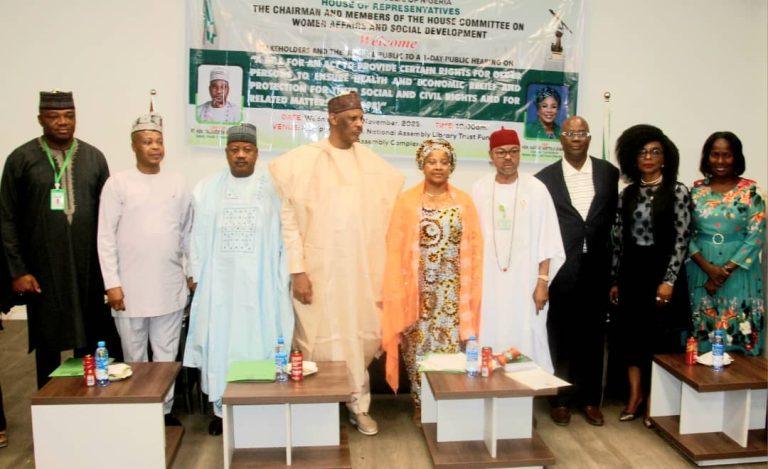
The Speaker made the pledge while delivering his keynote address at the Public Hearing on a bill seeking to Provide Certain Rights For Older Persons In Nigeria, To Ensure Health And Economic Relief And Protection For Their Social And Civil Rights And For Related Matters, organised by the Committee on Women Affairs and Social Development.

The Speaker noted that many of the social amenities were previously provided by traditional family support systems.

The Speaker underscored the House resolve to provide a formal legal structure that will protect the aged from abuse.

“This Older Persons (Rights and Privileges) bill has become necessary because existing legislations, like the National Senior Citizens Centre Act, 2018, have not fully taken care of the peculiar needs of older persons and their rights are constantly abridged by others, from family members to public institutions and the rest of society.

“This bill is therefore an attempt to provide comprehensive protection for the specific rights of older citizens and meet our obligations towards safeguarding their welfare.

The Speaker also highlighted section 42 of the Constitution of the Federal Republic of Nigeria 1999, as amended, which guarantees certain inalienable rights for every Citizen and forbids the discrimination of persons on the basis of religion or race or gender, but it however according to him failed to fails to cover “the peculiar injustices that old people suffer simply because they are old.

“The Fundamental Objectives and Directive Principles of State Policy in Chapter 2 of the Constitution also make provisions for the well-being of citizens, but they are not obligations that are justifiable or enforceable.

“In sum, current policy and legal frameworks for the protection of old people are either fragmented or incomplete, and mostly cannot be enforced by the courts. This bill not only hopes to address a wider range of issues, including social and economic challenges, but also to provide a legally binding framework for older people.

“The important thing here is that old people are now to be protected by legally enforceable rights, and they can hope to get restitution from the courts if these rights or entitlements are breached. It is a very progressive bill which seeks to bring the social welfare programme available for old people up to date.

The Speaker also disclosed that the bill “examines the pressures that joblessness, loneliness, neglect, insecurity, poverty, retirement, and health challenges foist on the aged and makes provisions for safeguards and benefits that will enable them to live better. Proposed provisions include free medical services in government facilities, some forms of tax exemption, stipends, and protection against abandonment. Many of these were previously covered by traditional family support systems, but as those weaken, we must provide a formal legal structure that will protect the aged from abuse,” 

On her part, the Chairman, House Committee on Women and Social Development, Mrs. Kafilat Ogbara explained that, “The provisions of this bill reflect our collective responsibility to ensure that our older population receives the dignity, respect, and support they deserve. I call it – Society giving back.

“As we know, older persons often face unique challenges that can affect their health, economic stability, and social engagement. This legislation aims to address these issues head-on by establishing a framework that guarantees their rights and protections.

“House Bill 2098 seeks to ensure health and economic relief for older persons, recognizing that access to quality healthcare and financial security are fundamental human rights. It also emphasizes the importance of protecting their social and civic rights, allowing them to participate fully in society and contribute their wisdom and experience.”

National Senior Citizens Centre Act

In his presentation, the National Coordinator/CEO of National Social Investment Programme Agency (NSIPA), Mr. Badamasi Lawal who was represented by Dr. Nsikak Okon urged that the Older Persons bill, 2025 under consideration be harmonized with the National Senior Citizens Centre Act, 2018 for ease of operationability in supporting Older Persons in Nigeria.

A representative of the National Pension Commission (NPC) Barrister Martins Ikagu described the proposed legislation as a positive development which would further strengthen and expand the legal framework on social security in Nigeria.

He recommended a review of the provision to bring it in line with the 1999 Constitution (as amended) by making it nondiscriminatory and all-embracing.


Nentawe Commends Groups Backing President Tinubu’s Development Agenda

0

The National Chairman of the All Progressives Congress (APC), Professor Nentawe Goshwe Yiltwada, has welcomed the expression of support by northern groups for the re-election bid of President Bola Ahmed Tinubu in 2027.

Professor Yiltwada, represented by his Chief of Staff, Dr Mustapha Bala Dawaki, gave the commendation when he received the leadership of the Northern Nigeria Minorities Group (NNMG), led by its Convener, Chief Jacob Edi, at the APC National Secretariat in Abuja.

He described the support as patriotic, noting that independent initiatives aimed at strengthening the current administration reflect a clear appreciation of the government’s efforts to advance national development.
Professor Yiltwada added that the group’s decision to invest time and resources in promoting the Tinubu-led administration, without external pressure, demonstrates its commitment to Nigeria’s unity and progress.

The APC National Chairman acknowledged the NNMG’s consistent activities over time, stating that their contributions have been noticeable and aligned with efforts to promote stability and good governance.

Convener of the group, Chief Jacob Edi, explained that the NNMG was established to support programmes and policies that enhance the welfare of Nigerians.
He noted that the Tinubu administration has demonstrated fairness in the implementation of national projects and appointments, ensuring that northern communities are not left behind.

According to him, notable benefits to northern communities include the creation of the North Central Development Commission, the establishment of the Federal University of Applied Sciences in Kachia, Kaduna State, developments at the Nigeria College of Aviation Technology in Kwara State, several road infrastructure projects, and support for Professor Nentawe’s emergence as APC National Chairman.

Chief Edi said the NNMG represents over 200 groups spread across the 19 northern states.
He reaffirmed the group’s readiness to work diligently to ensure President Tinubu’s re-election and further consolidate national progress.

The courtesy visit concluded with the presentation of a symbolic membership card to Professor Yiltwada and a letter requesting him to serve as the group’s patron.