Home Blog Page 60

Nigeria Reaffirms Commitment to Strengthening Rule of Law

0

The Nigerian Government has reaffirmed its commitment to strengthening the rule of law and advancing justice reforms.

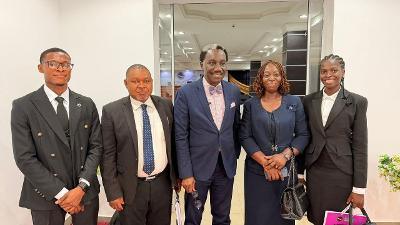
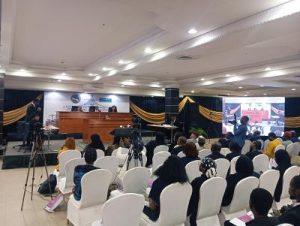
The Minister of Justice and Attorney General of the Federation, Lateef Fagbemi, made this known during the grand finale of a national moot court competition organised by the Juritrust Centre for Socio-Legal Research and Documentation.

According to him, the Federal Government remains resolute in “upholding the rule of law, strengthening human security and advancing justice reform.”

READ ALSO: Nigeria’s Chief Justice Restates Commitment to Rule of Law

Represented by the State Counsel in the Administration of Criminal Justice Department, Ministry of Justice, Hauwa Dimka, the Attorney General described the initiative, which was supported by the MacArthur Foundation, as critical to bridging the divide between legal theory and courtroom practice.

“Programmes such as this play a vital role in bridging the gap between legal theory and practical courtroom advocacy,” he said, noting that they prepare “the next generation of legal practitioners to effectively navigate the complexities of our criminal justice system.”

At the heart of Nigeria’s reform agenda is the Administration of Criminal Justice Act 2015, which Fagbemi described as “a landmark reform in Nigeria’s justice sector.”

“Its effective implementation requires not only strong institutions but also well-trained and forward-thinking legal professionals,” he stressed.

The competition, which brought together leading universities across Nigeria, underscored the growing importance of legal education in addressing global challenges such as access to justice, institutional accountability, and sustainable development.

Director of the Juritrust Centre, Adedeji Adekunke, highlighted the organisation’s role in advancing socio-legal research and called for stronger mentorship frameworks to equip young lawyers with practical skills.
Mushalesa Udopa of the United Nations Office on Drugs and Crime described the event as more than an academic exercise.

“This competition represents not only an academic exercise but also a vital platform for nurturing the next generation of justice sector leaders,” she said, linking effective justice systems to the achievement of global Sustainable Development Goals.

Legal practitioner Angela Ugochukwu also emphasised the importance of mentorship and innovation, noting that young entrants into the legal profession must adapt to evolving demands.

The moot court finale featured participants from multiple Nigerian universities, with the University of Calabar and Ebonyi State University competing in the final round.

The panel of judges was chaired by retired Justice Joe Acha, alongside Justices Nkemdilim Izuako and Celetine Odo.
Nigeria To Hold First Abuja Dialogue On Youth Leadership

0

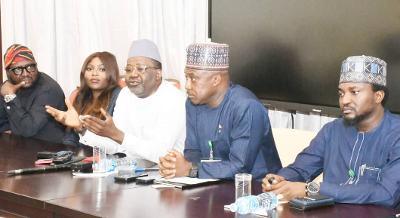
The Nigerian government, in collaboration with the Lagos State government, is set to convene the first-ever Abuja Dialogue, aimed at placing youth leadership at the centre of national discourse.

The Dialogue, scheduled to hold on Monday, 13 April 2026, in Abuja, under the theme “Scaling Excellence: Youth Leadership as Strategic Infrastructure for National Transformation,” is a precursor to the Lagos Leadership Summit.

The Deputy Chief of Staff to the President, Ibrahim Hassan-Hadejia, who disclosed this during a news conference, noted that the Dialogue’s emphasis is on young Nigerians, “not as a matter of rhetoric or aspiration, but as a strategic priority.”

He said: “Central element of this initiative is the recognition that youth leadership and development must move beyond the language of inclusion and toward a more structured understanding of responsibility.

“While inclusion provides access, responsibility requires preparation, and it is this preparation that ultimately determines whether young people are able to contribute meaningfully within systems that demand competence, discipline, and accountability.

“The Abuja Dialogue will therefore focus on identifying the mechanisms through which this preparation can be achieved, including the role of structured training, institutional exposure, mentorship, and performance evaluation in building leadership capacity over time.”

READ ALSO: Nigeria to Host 2025 Youth Creative Conference in Abuja

Hassan-Hadejia said the Office of the Vice President recognises that while building youth leadership at scale cannot be achieved through isolated efforts, it requires deliberate collaboration with institutions committed to leadership development at various levels.

“This partnership reflects a shared commitment to grooming young leaders through structured programmes that drive leadership exposure, thereby ensuring that change-driven individuals are equipped not only with knowledge, but with the capacity to apply that knowledge within real-world contexts,” the Deputy Chief of Staff to the President noted.

The Executive Secretary of the Lateef Jakande Leadership Academy (LJLA), Ayisat Agbaje-Okunade, thanked the Office of the Vice President and the Lagos State Government, describing them as like-minded institutions engaged in ongoing discussions that would chart a new course for the youth population.

She explained that while the LJLA was established to mainstream human capital development and empower Nigerian youths, the Abuja Dialogue will attract key stakeholders to brainstorm on how to scale youth initiatives “from being palliative to being systematic.”

Agbaje-Okunade added that although the Academy was created and endorsed by the Lagos State Government under the leadership of Governor Babajide Olusola Sanwo-Olu, its founding vision for youth development has expanded and is now set to spread across the nation.

She noted that the Dialogue is focused on attracting relevant stakeholders and authorities to create a system that enables young people to thrive through the provision of an enabling environment.

The Special Adviser to the Governor of Lagos State on Media and Publicity, Gboyega Akosile, stressed that the Governor, like his principal, President Bola Ahmed Tinubu, is renowned for prioritising youth empowerment.

He disclosed that the Dialogue has received strong endorsement from the Lagos State governor and Vice President Kashim Shettima.

Akosile added that the nation must begin to see youth development and innovation as a national priority, one that requires sustained media coverage and consistent spotlighting.

Nigerian President Inaugurates 36 Schools in Lagos

0

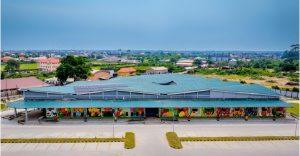
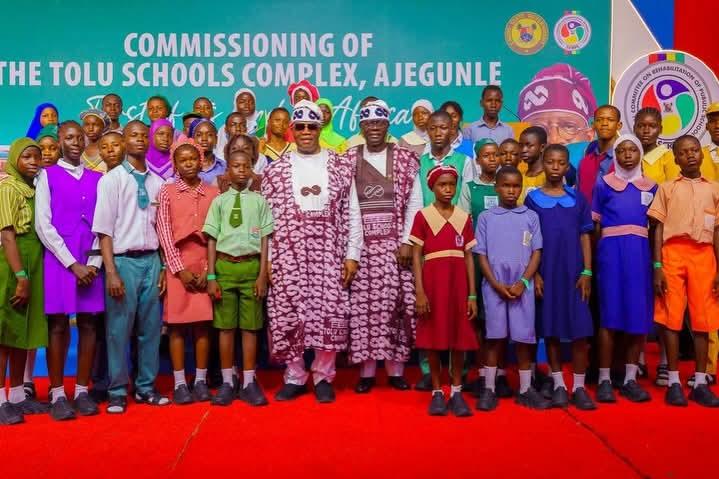
Nigeria’s President, Bola Ahmed Tinubu has inaugurated the remodelled Tolu Schools Complex in Ajegunle, Lagos, which comprises about 36 public schools.

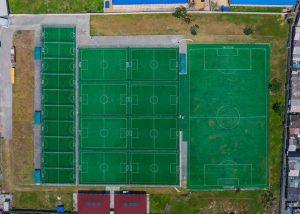
The school complex was commissioned along with 19 mini-football pitches built side by side close to the complex.

At the event, the President also reaffirmed his administration’s commitment to expanding access to quality education and equipping young Nigerians with practical skills needed to thrive in a rapidly evolving global economy.

READ ALSO: NCAOOSCE Targets 6m of Out-of-School Children Enrolment

He maintained that the project reflects the core objectives of his administration’s Renewed Hope Agenda, which prioritises human capital development as a pathway to national growth and prosperity.

Represented by Senate President Godswill Akpabio, the President noted that the large-scale educational facility is designed to ensure that every child, regardless of background, has access to quality learning in a conducive environment.

According to him, the complex, which accommodates over 20,000 students, demonstrates a strategic effort to prepare young people for a modern economy by integrating academic learning with practical and vocational skills.

President Tinubu said the scale of regeneration of the Tolu Schools Complex by the Sanwo-Olu government was “exceptional and remarkable”, stressing that the intervention reflected the vision, planning, and commitment of the Governor to improve the lives of young citizens.

“The remarkable scale and significance of Tolu Schools Complex regeneration is truly exceptional. The successful upgrade of such a large and complex educational facility is highly commendable.

“This reflects the vision, planning and very clear commitment to improving the lives of our young citizens. Sanwo-Olu and his team deserve commendation for delivering a project of this magnitude and for demonstrating what is possible when leadership is bold and focused.

“We must continue to invest in education, not just as a social service but as a driver of economic growth and national development. When we equip our children with knowledge and skills, we prepare them to contribute meaningfully to society and compete in a changing world.

“This is an investment in the strength and progress of not just our state but the country. No nation can rise above the quality of its human capital. When we give our young people access to quality education, the right skills and supportive environment, we are preparing them not just for today, but for the future we all desire.” He said.

Renewed Hope Agenda

Through his administration’s Renewed Hope Agenda, the Nigerian Leader said he has designed programmes that will ensure every child has access to quality care, learning, and practical skills to compete and thrive in the emerging modern economy.

By strengthening human capital development, the President said a society would build a workforce capable of driving innovation, creating jobs, and sustaining national growth.

“Projects like these show what is possible when leadership is focused and deliberate. This is how we turn opportunities into progress, potential into prosperity for all Nigerians. Lagos is leading in this direction,President Tinubu stated.

Tolu’s Story

In his address, Lagos State Governor, Mr Babajide Sanwo-Olu, said the story of Tolu Schools Complex started in 1981 during the Mass Education Policy of the late Lateef Jakande administration, aimed at providing accessible education in Ajegunle.

He said the government reclaimed land from the Lagos Lagoon to build the complex, which started with two pioneer schools, Unity and Olodi Apapa Secondary Schools.

The complex, according to him, was later expanded by successive military administrations, after which a major milestone was recorded during the administration of then-Governor Bola Ahmed Tinubu, who added Bola Ige Millennium Secondary School.

The Governor said the complex’s condition deteriorated due to a growing pupil population. Classrooms originally designed for 35 students were crammed with over 100 pupils, and the perimeter fencing was damaged by floodwater.

According to him: “We took a clear and deliberate decision to regenerate this historic complex completely and courageously……., We have transformed the Tolu Schools Complex into the largest integrated educational community in West Africa,” Governor Sanwo-Olu explained.

Committed Leadership

The Minister of Education, Mr Tunji Alausa, said the massive regeneration of Tolu Schools Complex stands as a powerful testament to the vision of committed leadership in Lagos, noting that the accomplishment reflects what is possible when leadership is purposeful, intentional, and people-centric.

The achievement, he said, is in furtherance of President Tinubu’s visionary leadership and his commitment to quality education through the Renewed Hope Agenda.

It was a moment of unrestrained excitement for pupils of the 36 schools in the complex, who trooped out to welcome Sanwo-Olu and Akpabio, clad in their respective uniforms.


West Africa Deepens Coordination on Border Management

0

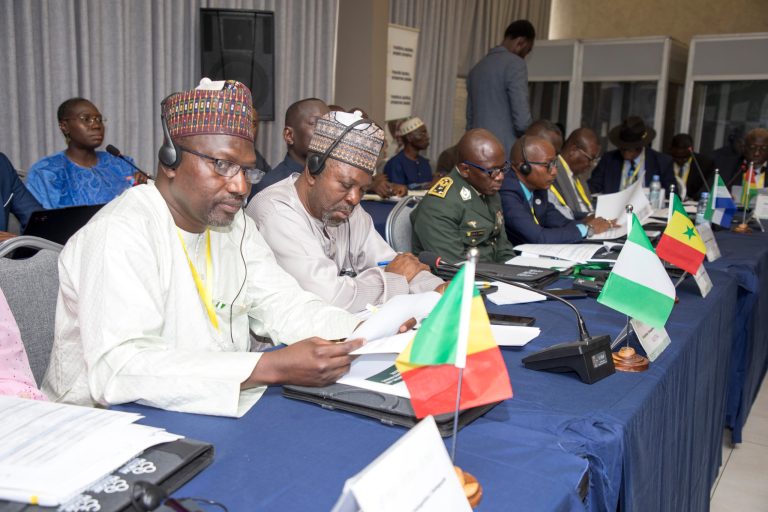
Heads of national boundary commissions from across West Africa converged in Abidjan from April 7 to 10, 2026, to strengthen cooperation on the management of border areas across the region.

The meeting, held under the Platform for the Exchange and Coordination of Border Area Management in West Africa (PECOBOM), brought together key regional and international stakeholders to address emerging border governance challenges.

Participants included the African Union Commission, GIZ supporting the African Union Border Programme, ECOWAS member states and AES, as well as the International Organisation for Migration and the International Centre for Migration Policy Development.

In a statement, the Head of Information, Press and Public Relations of the National Boundary Commission, Chinwe Udouwem, said the Director-General of the commission, Adamu Adaji, actively participated in discussions on critical regional boundary issues.

Declaring the meeting open, Adama Dosso highlighted the historical complexities of African borders and stressed the importance of PECOBOM in addressing evolving security challenges.

During the technical sessions, participants deliberated on key frameworks, including a Regional Cooperation Charter on Border Governance and an Administrative Procedures Manual.

A three-year regional action plan was also adopted to align border governance initiatives with regional priorities on peace, security, and enhanced cross-border cooperation.

Nigeria’s contributions to the formulation of the regional action plan were guided by its national priorities in border management, security, and community resilience.

Adaji also participated in a panel discussion on experience sharing and good practices in cross-border cooperation, where he highlighted Nigeria’s more than four decades of experience and leadership in the field.

Nigeria’s experience was widely acknowledged and commended by participants.

The meeting also provided an opportunity for Nigeria to deepen engagement with regional stakeholders and partner institutions working towards improved cross-border governance and stability in West Africa.


Youth Participation Crucial to Agri-Sector Growth — Minister

The Minister of Agriculture and Food Security, Sen. Abubakar Kyari, has stated that the active participation of Youth in Agriculture would Fast-track Development in the Sector, Increase Production, and Revitalize Agribusiness, as well as achieve Food and Nutrition Security.

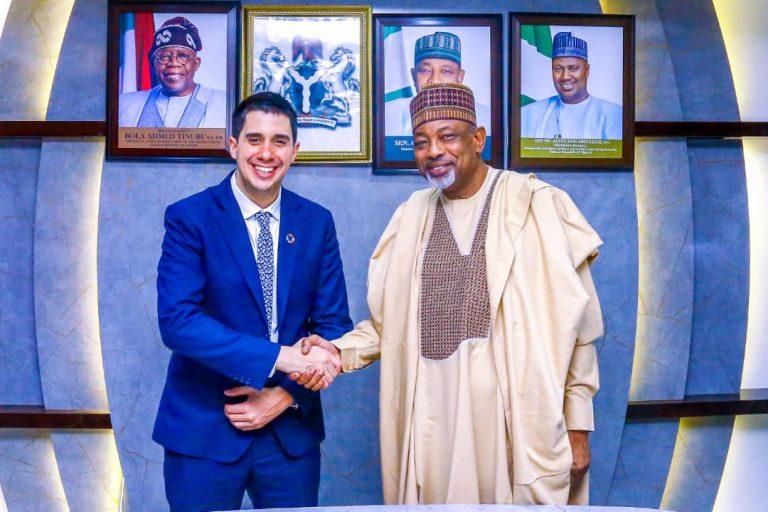
The Minister made this disclosure during a courtesy visit by the United Nations (UN) Delegation, led by Assistant Secretary-General for Youth Affairs, Dr. Felipe Paullier, in Abuja, Nigeria’s capital.

Kyari stated that the Federal Government is making deliberate efforts to prioritize youth in the agricultural ecosystem through financial inclusion, economic opportunities, and enabling environments.

The Minister revealed several key government initiatives driving Nigeria’s agricultural transformation, including the operationalization of the National Agricultural Development Fund (NADF) and the N1.5 trillion recapitalization of the Bank of Agriculture (BOA), one of the largest agricultural finance commitments in the country’s history.

According to him, ‘’these measures will expand access to affordable finance for youth-led agribusinesses’’.

He stressed that through targeted programmes, such as mechanization, access to finance, digital platforms, and extension services, the government would empower a new generation of farmers.

He highlighted the role of Nigerian youth like young innovators namely Samson Ogbole, Femi Adekoya, Atinuke Lebile, and Azeez Salawu, who played in shaping policy and practice, as well as pioneering projects in soilless farming, drone technology, biofortified crops, and ecosystem coordination.

READ ALSO:NSCDC Cautions Youths on Dangers of Quick Wealth Pursuit

In his remarks, the UN Assistant Secretary General for Youth Affairs, Dr. Felipe Paullier stated that the Youth office was established by the General Assembly to lead the engagement and advocacy for the advancement of youth-related issues across the United Nations’ Members.

He added that the office would foster an increase in access to resources, land, technology, and information, and boost youth participation in policy dialogue

In his welcome address, the Permanent Secretary in the Ministry, Dr. Marcus Olaniyi Ogunbiyi revealed that the procurement of 2,000 tractors and over 9,000 agricultural implements, the largest mechanization drive in Nigeria’s history aimed at enhancing productivity and creating decent employment opportunities for youth in agribusiness

He stated that ‘’this is the largest mechanization initiative in Nigeria’s history. This bold intervention will expand access to modern machinery, enhance productivity, and create new opportunities for youth in machinery operation, maintenance, and agribusiness services.

It is part of our deliberate effort to make agriculture a field of innovation, dignity, and decent work for the next generation’’.

During his Goodwill message, young Agriprenur, Tobi Jeremiah Olanrewaju lauded the Federal Government for providing financial intervention through the National Agricultural Development Fund (NADF), free Agricultural inputs and implements to young farmers in Nigeria.


NACCIMA Pushes for $1 Trillion Economy

The NACCIMA has reaffirmed its commitment to driving Nigeria towards a $1 trillion economy, stressing the need for growth to reach grassroots communities.

The National President of NACCIMA, Jani Ibrahim, made this known during a courtesy visit by a high-powered delegation to the palace of the Emir of Kano, Muhammadu Sanusi II, in Kano State, North West Nigeria.

Ibrahim said that while Nigeria’s economic ambitions remain strong, inclusive growth is essential to ensure broad-based development across the country.

READ ALSO: NACCIMA Deepens Global Ties, Unveils Economic Growth Strategy

“Economic development must not be confined to urban centres but should extend to local markets and communities.”

As part of efforts to understand grassroots commerce, the delegation visited the historic Kurmi Market, which is over a thousand years old and located in the northern commercial city.

Ibrahim described the visit as insightful, noting that “such markets represent the true heartbeat of local economic activities.”

He acknowledged the impact of global economic pressures, including tensions in the Middle East, on Nigeria’s economy, but expressed optimism about the country’s resilience.

Highlighting the strength of the chamber movement, Ibrahim said NACCIMA remains the largest business network in Africa, with members drawn from across Nigeria and other African countries.

He also underscored the organisation’s focus on youth and women empowerment, noting that initiatives such as NACCIMA Youth Entrepreneurs aim to transform young Nigerians into wealth creators, while the Women’s Chamber of Commerce supports female participation in economic activities nationwide.

Responding on behalf of the Emir, Ali Ibrahim Ahmad commended NACCIMA’s forward-looking initiatives, particularly its youth-focused programmes.

“With about 60 percent of Nigeria’s population made up of young people, empowering them to become job creators is essential in addressing unemployment and sustaining economic growth.”

The Emirate Council encouraged the delegation to explore Kano’s cultural heritage, describing the state as a major commercial hub in Nigeria and across Africa.

The visit underscores ongoing efforts by NACCIMA to strengthen partnerships, promote investment opportunities, and support policies aimed at accelerating Nigeria’s journey towards a sustainable and inclusive $1 trillion economy.

Nigeria Inaugurates Committee on $200bn Rail Project

The Nigerian Government has inaugurated a committee to review the proposed $200 billion Integrated Gas, Power and High-Speed Rail Project.

Secretary to the Government of the Federation, George Akume, inaugurated the committee in Abuja, Nigeria, noting that the initiative aims at revolutionising Nigeria’s infrastructure, bolstering economic growth and positioning the nation as a key player in the energy and transportation sectors.

He said the proposed project, is envisioned as a multi-phase programme that integrates gas development, power generation and transmission, and the construction of a 4,000-kilometre high-speed rail network.

According to him, the project will connect major economic corridors of the country, including Lagos, Abuja, Kano and Port Harcourt.

“The project has the potential to significantly transform Nigeria’s transport infrastructure, strengthen energy security, stimulate industrial growth and deepen national integration.

As you are aware, the administration of His Excellency, President Bola Ahmed Tinubu, GCFR, is firmly committed to delivering on the Renewed Hope Agenda, which prioritizes strategic infrastructure development, energy security, economic diversification, and sustainable job creation”.

“Projects of this magnitude must therefore be carefully evaluated to ensure that they align with national priorities, are technically sound, financially viable, and fully compliant with Nigeria’s legal and regulatory frameworks”, He explained.

The SGF emphasised that part of the mandate of the committee is to carefully examine all relevant documentation, verify claims made by the project proponents, review the technical, legal and environmental aspects of the proposal and provide objective, evidence-based recommendations to guide government decision-making.

While the Committee is expected to Federation, therefore, urged members of the Committee to approach the assignment with professionalism, objectivity and patriotism and also engage with relevant stakeholders to ensure due diligence and compliance with international best practices.

READ ALSO:Nigerian Railway Corporation Resumes Normal Fare Operations

The Secretary to the Government of the Federation, George Akume therefore urged the Committee, to work diligently and submit its report within the timeframe that will be communicated by the Secretariat.

Earlier, the Chief Executive Officer of
In his presentation of the proposed project, the Managing Director/ Chief Executive Officer of De-Sadel Nigeria Limited, Mr Samuel Ukoh, described the project as an innovative endeavour that will change Nigeria’s transport infrastructure.

According to Mr Ukoh, the project is a 4,000km dual-track high-speed rail that cuts inter-city travel time by 75% and links all 36 states and the FCT, making Nigeria the second country in the world with such high speed rail.

He added that the first phase connects key cities, which include Lagos, Abuja, Kano and Port Harcourt, assuring that it would include the generation of about 3,500 megawatts of power to drive the high-speed rail system.

The Technical Committee, which was chaired by the Permanent Secretary, Political & Economic Affairs Office, Office of the Secretary to the Government of the Federation, has the following membership: Permanent Secretaries from the Federal Ministry of Transportation, Ministry of Petroleum Resources, Federal Ministry of Finance, Federal Ministry of Justice, and Federal Ministry of Environment.

Other members include Infrastructure Concession Regulatory Commission (ICRC), Nigerian Electricity Regulatory Commission, Nigeria Communication Commission (NCC), Director-General, Nigeria Governors Forum, Cenral Bank of Nigeria (CBN), Nigerian Financial Intelligence Unit (NFIU), Economic and Financial Crimes Commission (EFCC), National Intelligence Agency (NIA), Office of the National Security Adviser (ONSA), Department of State Services (DSS), Debt Management Office (DMO), Office of the Surveyor General of the Federation (OSGoF) and Economic, Monitoring & Research Department (OSGF), as the Secretariat.

President Tinubu Hails Dangote at 69, Applauds Economic Impact

0

President Bola Ahmed Tinubu has hailed Africa’s leading industrialist and Chairman of the Dangote Group, Alhaji Aliko Dangote, on his 69th birthday, saluting his conglomerate’s role in job creation, infrastructure development, and belief in the Nigerian economy and its potential.

Felicitating Dangote in a statement issued by the Presidential Spokesperson, Mr Bayo Onanuga, on Friday, President Tinubu acknowledged Dangote’s outstanding contributions to Nigeria and Africa’s economic growth and industrial development.

The President described the foremost philanthropist as an accomplished businessman. He commended his vision, resilience, innovation, and commitment to excellence.

READ ALSO: President Tinubu’s UK Visit to Unlock Nigeria’s Economy — Dangote

President Tinubu said the billionaire businessman, Dangote, has transformed industries and positioned Nigeria as a hub for large-scale petrochemical and cement production.

“Aliko’s entrepreneurial vision, resilience, innovation, and commitment to excellence have transformed industries and positioned Nigeria as a hub for large-scale petrochemical and cement production through his establishment of the multi-billion-dollar Dangote Refinery and Petrochemical Company and cement factories across Africa.

“I salute Aliko for his conglomerate’s role in job creation, infrastructure development, and unwavering belief in the Nigerian economy and its potential. Dangote remains a shining example of African enterprise, whose achievements continue to inspire a new generation of entrepreneurs across the continent.

“I also applaud Aliko’s philanthropic efforts, particularly through the Dangote Foundation, which have significantly impacted lives in health, education, and poverty alleviation”, he said.

President Tinubu prayed for continued good health, wisdom, and greater accomplishments in service to Nigeria, Africa, and humanity as Aliko Dangote celebrates his birthday.

Ukraine Expands Drone Defence Cooperation With Middle East

0

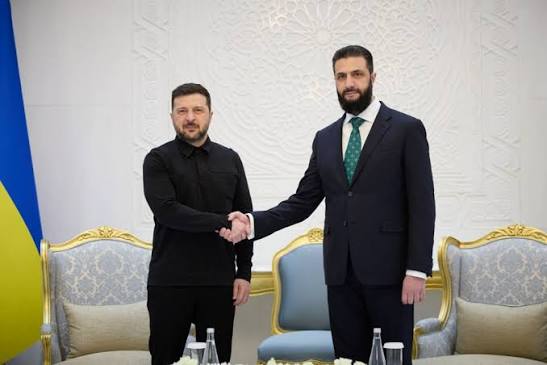
Ukraine has opened discussions with several Middle Eastern countries to strengthen cooperation in the security sector and share its drone defence expertise, President Volodymyr Zelenskiy has said.

Zelenskiy disclosed that he visited Oman, Kuwait and Bahrain last month, where Ukraine offered its technology and experience in countering Iranian drone attacks.

He said security cooperation agreements had been signed with Saudi Arabia and Qatar, while a separate deal with the United Arab Emirates had also been announced.

According to him, Ukraine has deployed more than 200 experts to the region, adding that they have successfully intercepted Shahed drones used in long-range attacks.

“We used our own interceptors to shoot down Iranian ‘Shaheds.’ We demonstrated that achieving such results requires systemic solutions, particularly in the electronic warfare component,” Zelenskiy said.

He added that long-term security talks were ongoing, including proposed 10-year agreements with Oman, while discussions were also underway with Kuwait and Bahrain.

Zelenskiy further noted that negotiations on oil and diesel supplies to Ukraine formed part of the broader cooperation framework being explored with the Middle Eastern partners.

Reuters.


Nigeria Hosts Burundi Military Delegation To Strengthen Security Ties

0

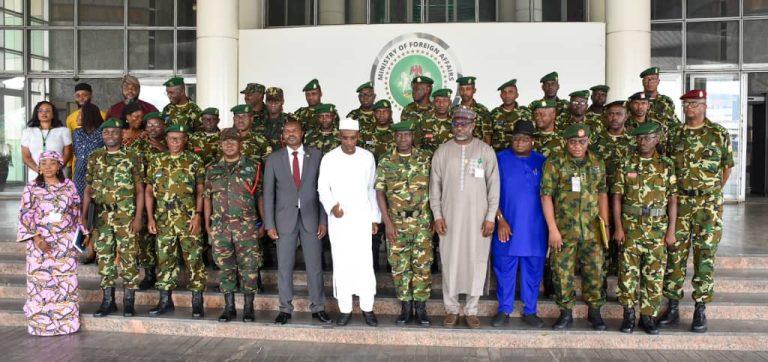
Nigeria’s Ministry of Foreign Affairs has hosted a delegation from the Senior Command and Staff College of Burundi as part of efforts to deepen international cooperation and reinforce regional partnerships.

The visit, which took place in Abuja, formed part of the delegation’s study tour to Nigeria, providing a platform for knowledge exchange on diplomacy, security, and multilateral engagement.

Welcoming the delegation on behalf of the Permanent Secretary, the Director of the Policy, Research and Strategy Department, Ambassador Musa Sani Nuhu, reaffirmed Nigeria’s enduring commitment to African solidarity, regional integration, and multilateral diplomacy.

He emphasised Nigeria’s leadership role in advancing peace, security, and economic development across the African continent.

Discussions during the visit focused on key issues including regional security, cross-border collaboration, and diplomatic relations.

Both sides highlighted Nigeria’s active participation in regional frameworks such as ECOWAS, as well as its contributions to counter-terrorism efforts, particularly through the Multinational Joint Task Force.

Speaking on behalf of the visiting team, the Commandant of the Burundi Senior Command and Staff College expressed appreciation for the warm reception accorded to the delegation.

He commended Nigeria’s leadership in regional affairs, noting that the insights gained during the visit would enhance strategic capacity and strengthen international partnerships.

The engagement also featured a cultural exchange segment, during which the Burundi delegation presented symbolic gifts reflecting their heritage and goodwill.

The visit was described as a significant step toward strengthening bilateral relations and promoting mutual understanding between Nigeria and Burundi.