

The Executive Director of the Nigeria Export Promotion Council (NEPC), Nonye Ayeni, says Nigeria controls about 40 per cent of sesame exports to Japan and supplies roughly 20 per cent to China, boosting the country’s non-oil export drive.
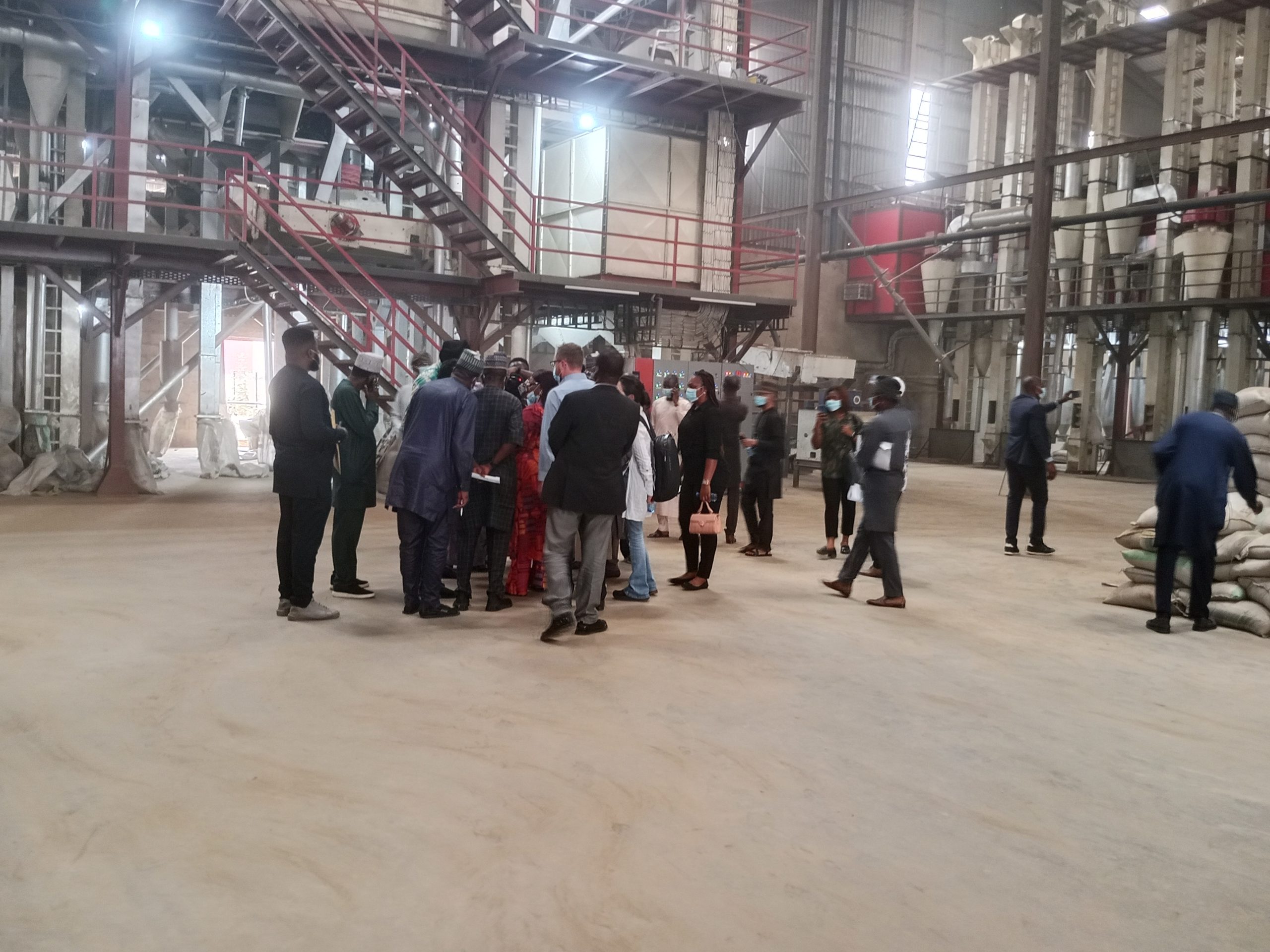
She disclosed this during a stakeholder engagement in Kano following visits to processing facilities and the Dawanau International Grains Market.
“You know, Nigeria controls about 40 percent of the sesame market in Japan, and about 20 percent of our sesame goes to China
“We’re exporting to South Korea, America, and across the world. The quality is improving, but we are still not where we should be.” The Executive Director acknowledged.
Ayeni noted that ongoing interventions under the STDF 845 project, implemented in collaboration with the International Trade Centre (ITC) and the World Trade Organization (WTO), are already yielding results, particularly in reducing export rejections.
“That’s why the rejection rate has dropped. I’m glad coming here and listening to them—they are doing the right thing. We encourage them to do better,” she encouraged.
The Executive Director explained that the initiative, launched in March 2024 by WTO Director-General Dr. Ngozi Okonjo-Iweala, aims to “de-risk the cowpea and sesame value chain” by ensuring Nigerian exports meet global food safety and quality standards.
“We are working with farmers, processors, aggregators, and exporters to ensure that commodities leaving Nigeria comply with sanitary and phytosanitary requirements so they are not rejected in international markets,”Ayeni explained.
She further highlighted efforts to empower small businesses and women exporters, revealing that 146 Nigerian women have received grants ranging from $5,000 to $30,000 through a competitive global programme supported by ITC and WTO.
“Nigeria Export Promotion Council is the only institution in Africa that won this competitive bid, and one of just four globally,” Ayeni noted.
Also speaking, the STDF Project Manager at ITC, Simon Heisig, said the initiative is helping Nigeria overcome past export challenges.
“In the past, there were many rejections. Now we’re working to ensure compliance with sanitary and phytosanitary measures, and rejections are becoming fewer,” he explained.
Heisig added that the team’s visit to Kano was to assess practices at production sites and markets to ensure adherence to international standards.
At the Dawanau International Grains Market, considered one of the largest in West Africa, officials observed improved sorting, testing, and quality control processes.
Ayeni described the development as “excellent news,” noting that traders confirmed a significant drop in rejection rates in recent times.
“This aligns with the Renewed Hope Agenda of President Bola Tinubu, focusing on diversification, value addition, and improving the quality of Nigeria’s exports,” the Executive Director emphasised.
Some producers at the engagement, including Chairman of the Sesame Market Association, Sokoto State, Malam Samaila Manuga, expressed satisfaction with the ongoing reforms and pledged to maintain higher standards to boost Nigeria’s credibility in the global market.
“We’ve learned a lot, and we will go back to our communities to apply these standards and train others,” a participant affirmed.
With sustained collaboration among stakeholders, Nigeria is poised to consolidate its leadership in sesame exports while expanding its footprint in global agricultural markets.