

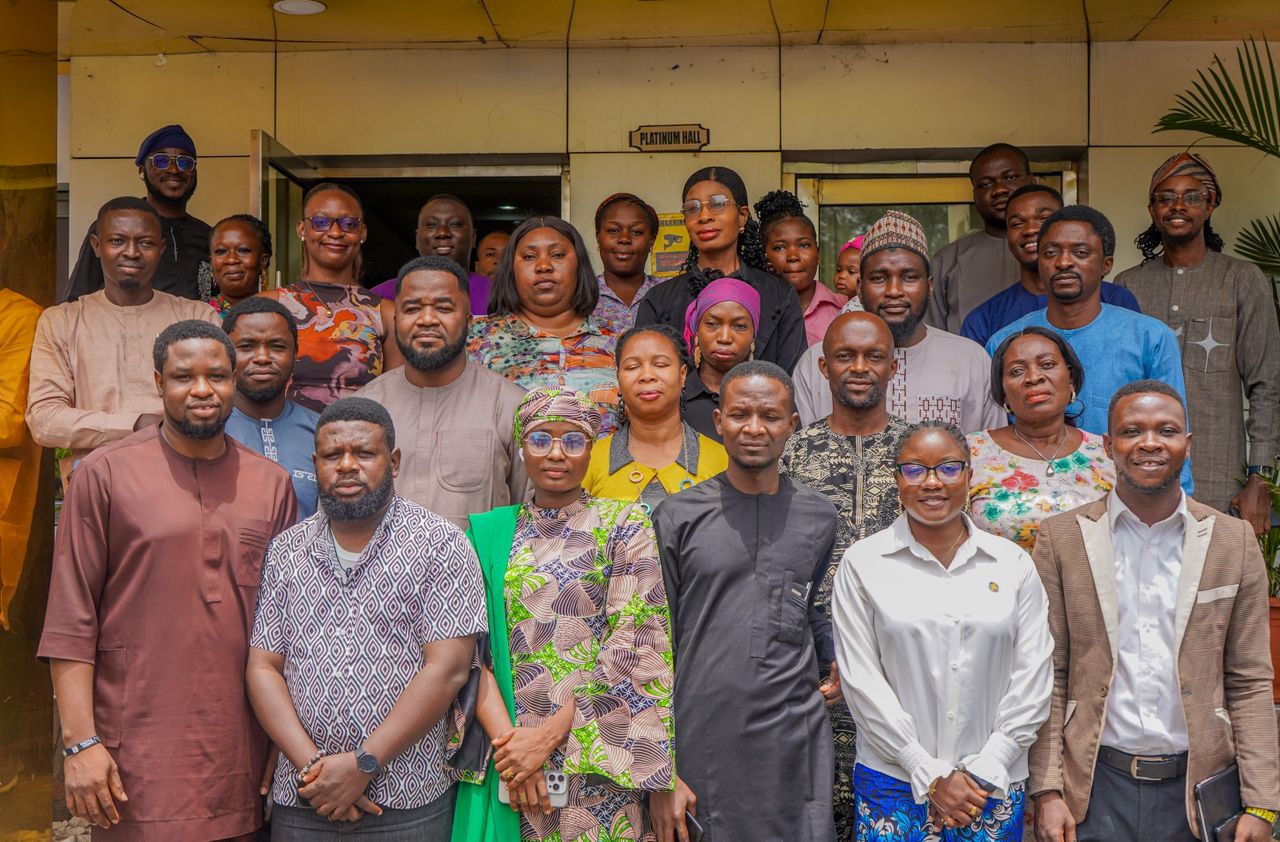
The Executive Director of the Global Initiative for Food Security and Ecosystem Preservation (GIFSEP), Dr. Michael Terungwa David, has called for strengthened media capacity to drive informed and impactful reporting on Nigeria’s energy sector.
Dr. Terungwa made this known during his welcome remarks at a media roundtable organised in collaboration with the Secure Energy Project and Power Shift Africa.
Speaking on behalf of the GIFSEP Board, the Executive Director welcomed participants and expressed appreciation for their presence, describing the engagement as timely given Nigeria’s persistent energy challenges.
He noted that energy poverty in the country continues to affect not only households and businesses but also journalists, whose work depends heavily on reliable electricity for information gathering, production, and dissemination.
Highlighting the broader implications, he stressed that consistent energy supply is essential for effective storytelling and accountability in governance.
According to him, Nigeria’s current situation, though challenging, presents an opportunity to rethink its energy pathway and transition from heavy dependence on generators to a more sustainable, solar-driven future.
Dr. David pointed out that Nigeria is richly endowed with renewable energy resources, particularly solar, stressing that the country has the potential to emerge as a leading “solar nation” if the right steps are taken.
He emphasized that solar energy itself is not the issue; rather, the challenges lie in the proliferation of unskilled technicians and the influx of substandard materials in the market.
He warned that as demand for solar solutions grows, the sector risks being undermined by poor installation practices and low-quality components, which could erode consumer trust and compromise safety.
To address this, he called for increased investment in training institutions and certification programmes to build a skilled workforce capable of supporting the sector’s growth.
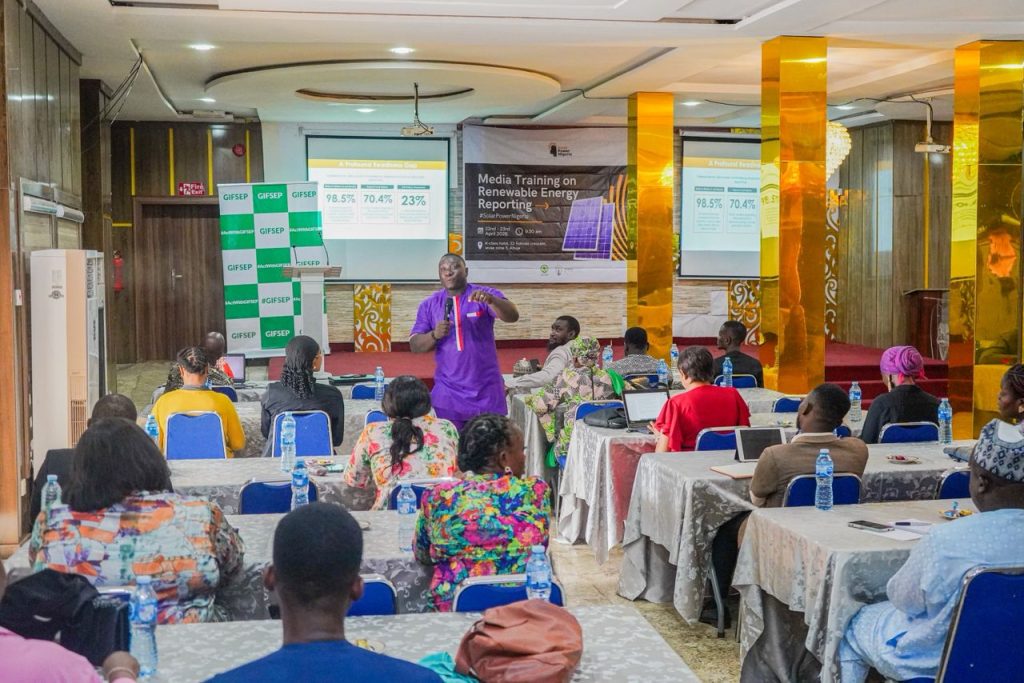
While acknowledging the importance of developing local manufacturing capacity, Dr. David cautioned against any immediate move to ban the importation of solar products, describing such a policy as premature and potentially harmful given Nigeria’s current industrial limitations.
He advocated a gradual approach focused on strengthening standards, improving quality control mechanisms, and supporting local production over time.
“With the right mix of policies, investments, and public awareness, Nigeria can reposition itself and become a model for sustainable energy development across Africa,” he stated.
He further underscored the critical role of journalists in shaping public understanding and influencing policy direction within the energy space, calling on media practitioners to leverage their platforms to highlight key issues, hold stakeholders accountable, and ensure that citizens remain well-informed about developments in the sector.
According to him, the roundtable is more than just a training session; it marks the beginning of a sustained partnership aimed at fostering collaboration among energy reporters expressing hope that the initiative would lead to the creation of a strong network of journalists dedicated to reporting on power and energy issues in Nigeria.
Dr. David encouraged participants to actively engage in the sessions and take full advantage of the knowledge-sharing opportunities provided. He concluded his remarks by thanking attendees once again and expressing optimism about the impact of the initiative on Nigeria’s energy discourse.
“Together, we can build a more informed, resilient, and energy-secure Nigeria,” he said.
Inclusive Energy Transition
Also speaking, the Nigerian Campaign Director of the Secure Energy Project, Joseph Ibrahim, called for a pragmatic and inclusive approach to the country’s energy transition.
He noted that the global energy landscape is undergoing significant disruption, with countries across Europe, Asia, and Africa grappling with supply shortages and unstable power systems, stressing that energy security has emerged as a defining issue of the 21st century.
He said the situation in Nigeria is more acute, noting that with a population exceeding 200 million people and a national grid delivering roughly 4,500 megawatts, access to electricity remains grossly inadequate translating to an estimated 23 watts per person.
According to him, the impact of this energy deficit is far-reaching, as energy poverty continues to hinder economic productivity, constrain industrial development, and limit the quality of life for millions of Nigerians.
He added that while many developed nations are focused on transitioning to renewable energy, a significant portion of Nigeria’s population still struggles with access to basic, reliable electricity.
“As a result, solar energy has become a critical lifeline for households and small businesses. Once considered an alternative, solar power is now widely seen as essential, powering homes, sustaining enterprises, and enabling economic participation where the national grid falls short,” he said.
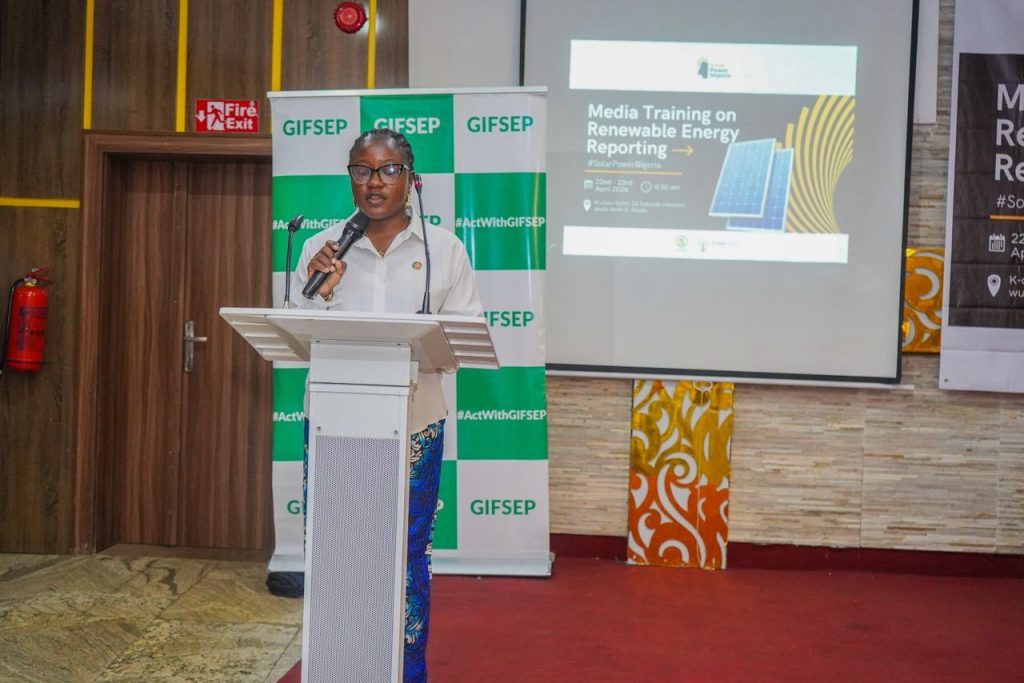
Mr. Ibrahim also raised concerns over the Federal Government’s proposed plan to ban the importation of solar panels in a bid to boost local manufacturing.
He questioned the timing of such a move, warning that Nigeria may not yet possess the industrial capacity to meet local demand.
Drawing from global experiences, he emphasized that successful energy transitions are typically gradual and supported by strong domestic industries built over time.
He warned that abrupt restrictions on solar imports could inadvertently worsen energy poverty by limiting access to affordable and readily available energy solutions.
He noted that the #SolarPowerNigeria campaign advocates a more measured approach, supporting local manufacturing while aligning ambition with current realities.
According to him, the campaign proposes a phased three- to five-year localisation roadmap that would encourage investment in domestic production while maintaining access to imported solar technologies during the transition period.
The event underscored the urgency of addressing Nigeria’s deepening energy challenges while aligning with global realities marked by rising demand, volatile fossil fuel markets, and the push toward cleaner energy systems.
The training also aims to equip media professionals with the tools, data, and context needed to report accurately and effectively on energy issues.
As Nigeria navigates its energy future amid global uncertainty, stakeholders stressed the need for policies that are both ambitious and inclusive, ensuring that the transition to cleaner energy does not come at the expense of access and affordability.