

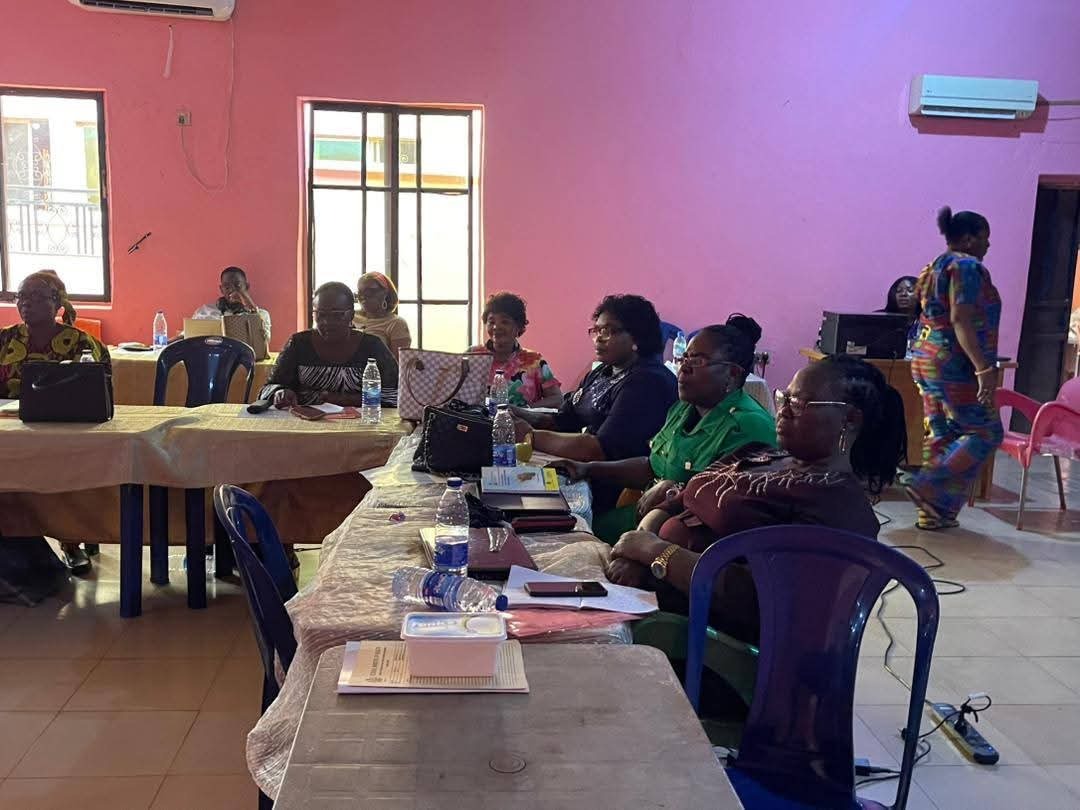
The Anambra State Government has raised concern over a decline in the detection of tuberculosis, leprosy and Buruli ulcer cases, warning that the trend could undermine ongoing disease control efforts.
The warning was issued by the State Tuberculosis, Leprosy and Buruli Ulcer Control Programme (STBLCP) Manager, Dr Ugochukwu Chukwulobelu, during a first-quarter 2026 programme review meeting held in Awka on 16 and 17 April.
Chukwulobelu described the falling detection rates as “unacceptable,” noting that recent field outreach reports indicated gaps in case-finding activities across local government areas.
He cautioned that weak detection could result in undiagnosed infections and sustained community transmission.
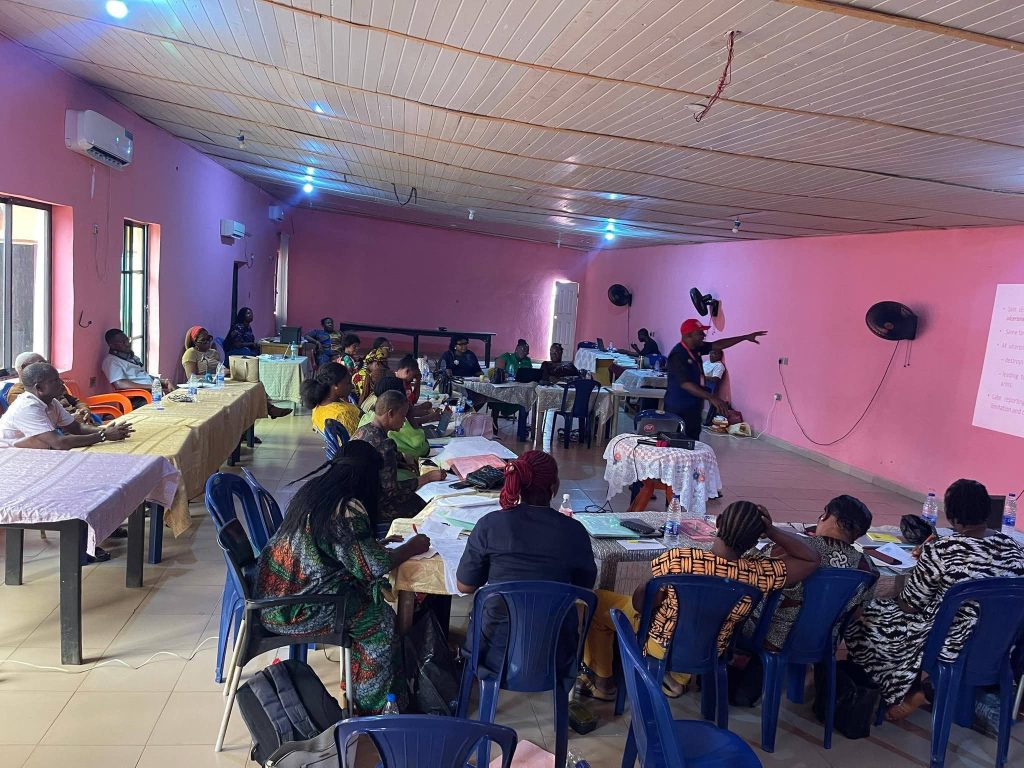
The review meeting brought together disease control supervisors from all 21 local government areas, officials from the Anambra State Ministry of Health, and development partners, including the Institute of Human Virology Nigeria, KNCV Tuberculosis Foundation, RedAid Nigeria, and other implementing and community-based organisations.
Supported by the National Tuberculosis and Leprosy Control Programme, the session focused on ‘evaluating programme performance, identifying service delivery gaps, and strengthening grassroots response mechanisms.’
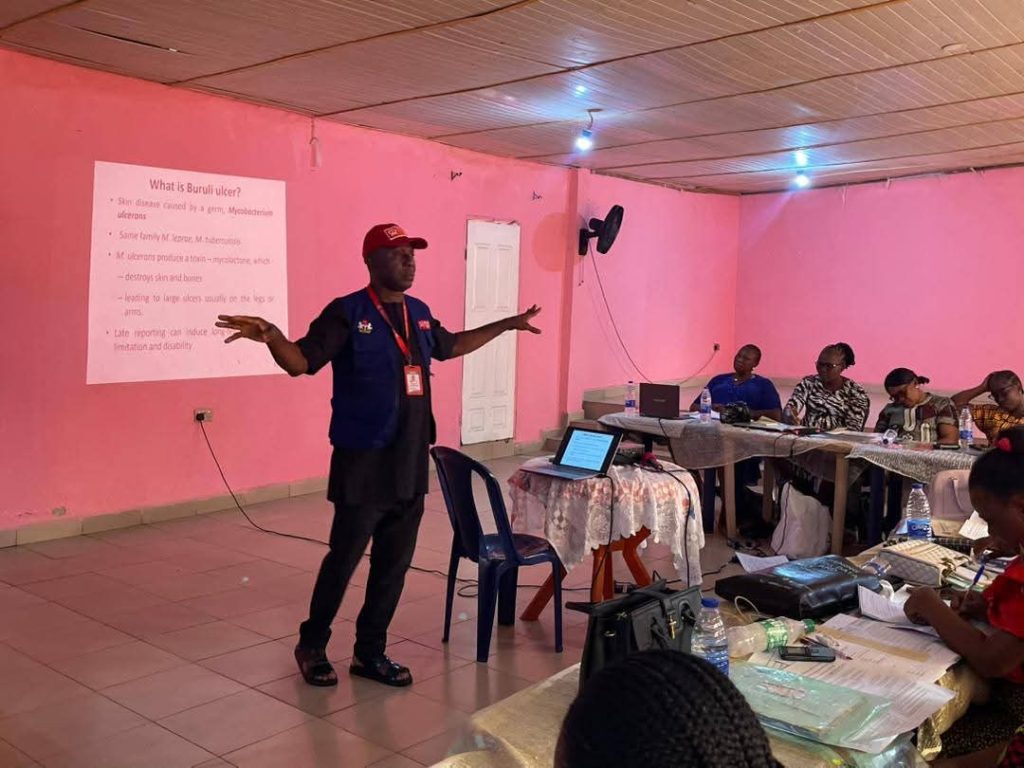
Quality Assurance Officer for the programme, Mr Ignatus Ejiofor said “the quarterly review provides an opportunity to assess progress and address operational challenges,” stressing the need for improved data collection, analysis and patient tracking.
Frontline health workers at the meeting called for sustained training and stronger coordination to enhance service delivery.
Ogbaru Local Government Area supervisor, Mrs Amaka Onyima-Esmai, said; “the review had strengthened participants’ ability to identify gaps and improve field operations.”
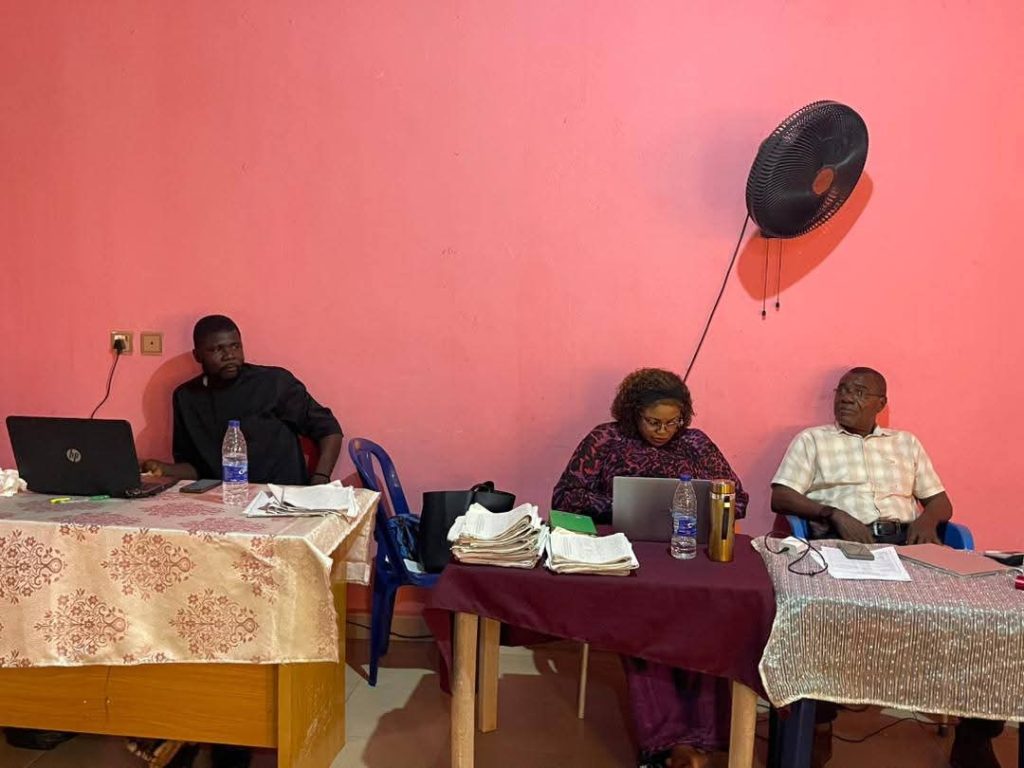
Stakeholders also discussed plans to integrate tuberculosis patients into the state health insurance scheme through the Anambra State Health Insurance Agency, aimed at improving access to treatment and reducing financial barriers.
Health officials emphasised that reversing the declining detection trend would require sustained investment, stronger surveillance systems, and increased community engagement.