

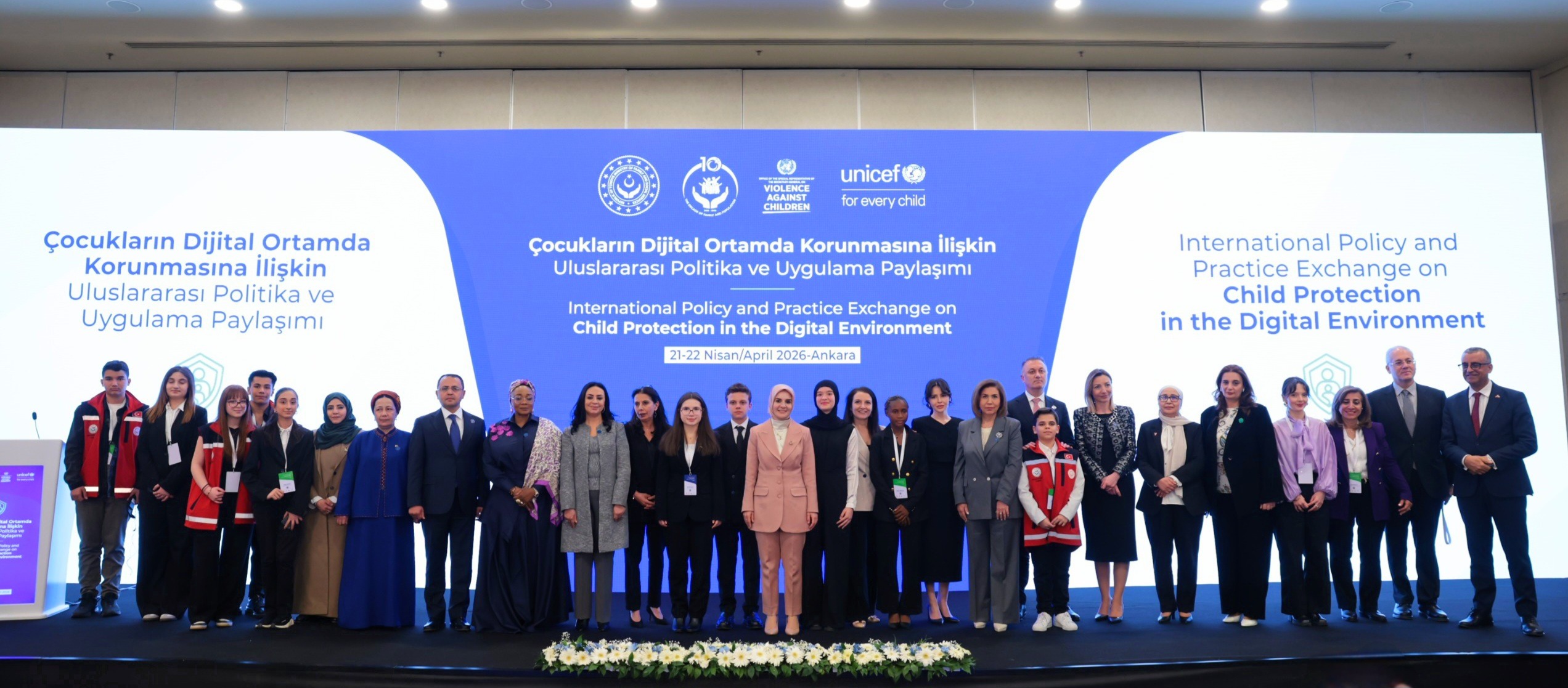
Nigeria has declared a firm and urgent commitment to safeguarding children in the digital age, warning that expanding internet access without adequate protection frameworks exposes millions to growing online risks.
Speaking at the International Policy and Practice Exchange on Child Protection in the Digital Environment in Ankara, Ankara, Nigeria’s Minister of Women Affairs and Social Development, Imaan Sulaiman-Ibrahim addressed child safety in the digital space.
She said that “the key policy question is no longer whether children should be online, but whether they are safe, protected, and meaningfully empowered in the digital spaces created for them.”
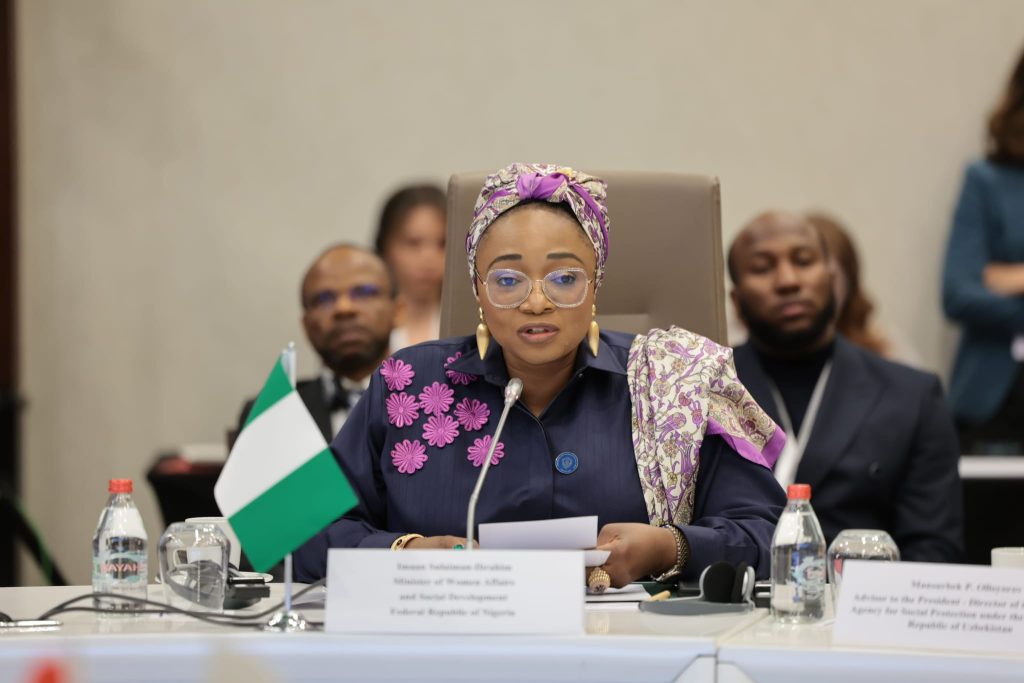
Highlighting the scale of the challenge, she noted that “over 70 percent of children globally are connected, and nearly one in three internet users is a child,” yet systems remain “fragmented and reactive,” creating gaps where harm persists.
The Minister warned that in developing countries like Nigeria, rapid digital adoption has outpaced protection systems, exposing children to “online exploitation, cyberbullying, harmful content, and data misuse.”
She said unequivocally: “We must therefore confront a critical reality: access without protection is exposure.”
Calling for a decisive shift, she advocated a systems-based response integrating legal frameworks, digital literacy, regulatory enforcement, and platform accountability.
“Digital literacy can no longer be optional. It must be institutionalised,” she said, emphasising prevention as the first line of defence.
On regulation, the Minister said that “Voluntary compliance is no longer sufficient; we require structured regulatory frameworks that balance innovation with protection.”
She also underscored the importance of inclusion, stating, “Children are not only vulnerable users; they are active stakeholders.”
Nigeria, she said, is advancing coordinated national strategies through strengthened institutions and targeted programmes, including efforts to link child protection with education and digital inclusion.
“Under the Renewed Hope Social Impact Interventions 774, child protection is being mainstreamed within a broader ecosystem approach. Through initiatives such as the Child Advancement and Achievement Programme (CAAP), we are linking protection with education, digital inclusion, and social services, ensuring that children are supported across multiple dimensions of vulnerability,” the Minister said
She further stressed that global cooperation is indispensable: “This is not a challenge any country can solve in isolation.”
At the close, Sulaiman-Ibrahim issued a generational call to action: “We must build integrated systems, enforceable standards, and inclusive frameworks that ensure children are protected not as an afterthought, but by design.”
Nigeria’s representation is galvanising action to build digital ecosystems where children are protected by design, empowered by access, and supported by strong institutions.
The nation’s stand resonates with a critical message that protecting children in digital environment is not only a policy responsibility but a generational obligation.