Home Blog Page 118

Forensic Technology Key to Security – Army Resource Centre DG

0

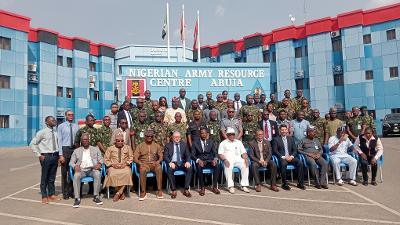
The Director General of the Nigerian Army Resource Centre, James Myam, says forensic technology remains critical to strengthening national security and improving prosecution outcomes in the country.

He stated this as the three-day firearm intelligence and ballistic investigation workshop concluded in Abuja, the nation’s capital.

The workshop reinforced the need to institutionalise forensic-driven approaches to strengthen national security and improve prosecution outcomes in Nigeria.

The event which was hosted by the Nigerian Army Resource Centre in collaboration with Sentinel Forensics Limited, brought together participants from across the military, law enforcement, and intelligence community.

The Director General of the Centre said the training exposed participants to the role of forensic technology in enhancing security operations, particularly in evidence gathering against armed threats to the state.

He urged participants to apply the knowledge gained in their respective deployments and serve as ambassadors of the programme.

Facilitators highlighted that the training covered modern techniques in firearm intelligence, including ballistic fingerprinting, digital inventory management, and methods for extracting intelligence from recovered weapons.

A forensics consultant with Defence Headquarters and representative of Sentinel Forensics, Joseph Akon, noted that participants were equipped with skills to analyse firearms data and improve intelligence-led operations across agencies. He added that integrating these capabilities would enhance the tracking of illicit weapons and strengthen coordinated responses to insecurity.

On operational challenges, Akon acknowledged constraints faced by troops in the field but emphasised the importance of establishing systems that enable the capture and analysis of firearm data for long-term intelligence use.

Also speaking, UK-based expert James Hooper said the initiative supports efforts to modernise firearm management systems across Africa, noting that many institutions still rely on manual processes. He explained that adopting digital platforms and ballistic identification systems would help prevent the diversion of state weapons and improve investigative outcomes.

The workshop forms part of ongoing efforts to deepen inter-agency collaboration and deploy technology-driven solutions in addressing evolving security threats.


Key Figure in Guinea’s 2009 Massacre Dies in Custody

0

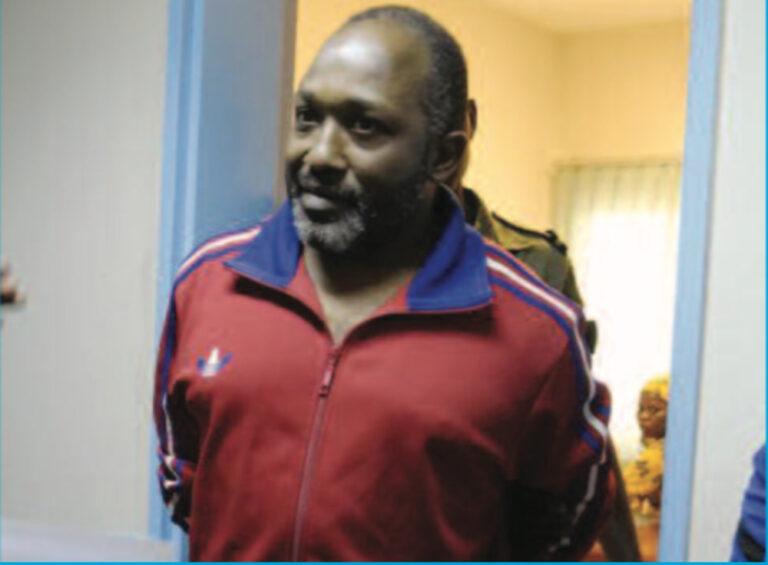
One of the principal figures convicted over Guinea’s infamous 2009 stadium massacre, Aboubakar Sidiki Diakité, widely known as “Toumba,” has died in custody, the country’s prison service confirmed on Wednesday.

Diakité, who was serving a 10-year prison sentence, died at 04:35 (local time) at a military hospital in Conakry. He had been convicted for his role in the September 2009 massacre, during which at least 156 people were killed and more than 100 women raped by security forces loyal to the then military junta.

At the time of the violence, Diakité served as commander of the presidential guard and was a close aide-de-camp to former junta leader Moussa Dadis Camara.

The incident remains one of the darkest chapters in Guinea’s history, occurring during and after an opposition rally at a stadium in the capital, Conakry.

Diakité is at least the second person convicted in connection with the massacre to die in custody, following the death of former security minister Colonel Claude Pivi in January.

Authorities had transferred Diakité from Conakry’s central prison to Coyah prison in February after accusing him of displaying aggressive behaviour, refusing a security search, and threatening prison officers.

He was initially arrested in Dakar in 2016 and extradited to Guinea a year later. His sentence was due to expire in 2027.

In the aftermath of the 2009 events, Diakité reportedly attempted to assassinate Camara, accusing him of trying to shift full responsibility for the massacre onto him.

Camara was later convicted of crimes against humanity and sentenced to 20 years in prison. However, he was subsequently pardoned by Guinea’s current leader, Mamady Doumbouya, who seized power in a 2021 coup and was elected president last December in a controversial vote that excluded major opposition figures.

Guinea, which gained independence from France in 1958, has long grappled with political instability marked by military interventions and authoritarian rule.


Africa news

VP Shettima Lauds Gates Foundation’s Investments in Nigeria

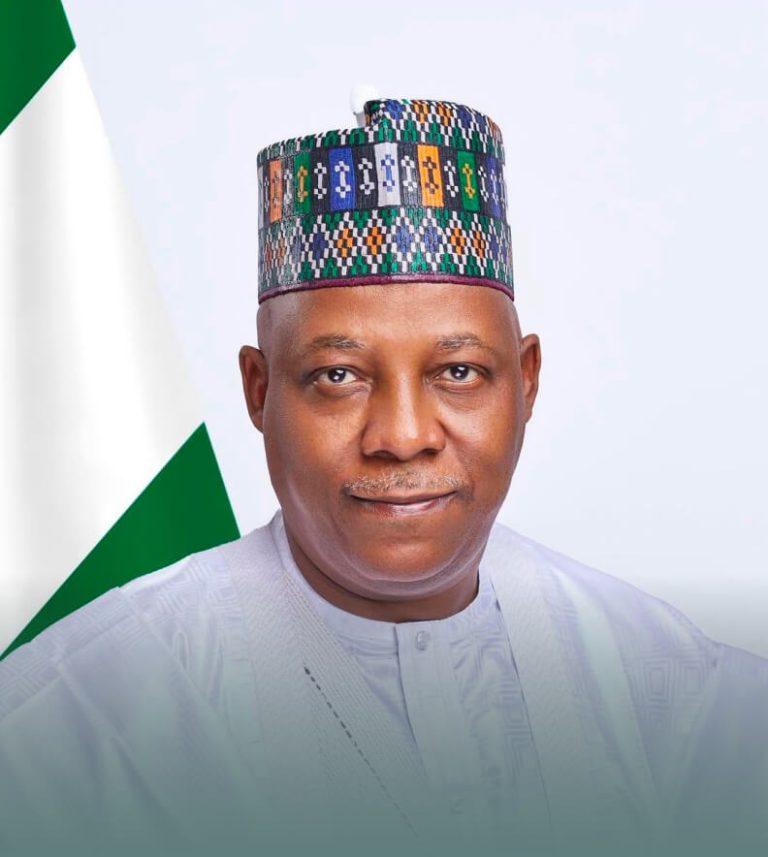
Vice President Kashim Shettima has applauded the Gates Foundation for sustaining investments and humanitarian aid in Nigeria.

He says the Foundation remains the nation’s strategic partner in the drive to change the Nigerian narrative.

Accordingly, he pledged support for the Foundation’s request to deepen and broaden its partnership with the Nigerian government and the private sector in digital transformation, nutrition, agriculture, and health sectors, among others.

VP Shettima spoke when he received a delegation of the Gates Foundation led by the President of the Foundation’s Global Growth and Opportunity (GGO) division, Mr. Hari Menon, at the Presidential Villa, Abuja, Nigeria’s capital.

Strategic Partners

He commended members of the Nigerian team of the Gates Foundation for their passion for the Nigerian Project, describing them as very strategic partners.

“I’m mightily proud of them. I call them in the oddest of hours and they attend to us. We deeply appreciate the Gates Foundation. It is our strategic partner in the drive to change the Nigerian narrative.

“We need the Gates Foundation not just as a strong and consistent partner but as a major stakeholder in the Nigeria Project.

“You have sustained investments across human capital development, nutrition, agriculture, health system and so many areas.

“We can’t thank you enough, and honestly, I want to assure you that we will elevate that relationship to a higher pedestal, especially in the area of nutrition, which is now receiving the highest level of support,” he said.

The Vice President noted that Nigeria is a country with great potential and that if the nation gets its act right, it would surpass some major economies of the world.

Furthermore, the Vice President described the country as the sleeping giant of Africa, taking a leaf from Napoleon Bonaparte, who once described China as “a sleeping giant.”

Improved Agriculture

VP Shettima stressed the need to increase agricultural productivity by adopting modern technologies, optimising inputs, and improving farm management practices, even as he identified key strategies in achieving this to include utilising high-yield and climate-resilient seed varieties, precision farming, and improved irrigation systems.

“On the investment in agriculture, you just mentioned your trip to Niger State. The whole mantra is about increasing the GDP.

“I am an agricultural economist by training, a banker by profession, and a politician by calling. We have been talking about agriculture for far too long but the whole mantra is about how to increase productivity,” he stated.

Explaining why they were at the Presidential Villa to meet with the Vice President, Mr. Menon, President of the GGO division of the Foundation, said they were on a mission to deepen and broaden the Foundation’s partnership with Nigeria.

He maintained that the idea is to advance the ongoing reforms of the administration of President Bola Ahmed Tinubu, acknowledging that the country is going through a remarkable moment under the administration.

“Nigeria is going through a very remarkable moment led by the reformist vision of the President and the Vice President. There are lots of very dynamic changes underway and the Gates Foundation is privileged to have the opportunity to partner with the government of Nigeria and with the private sector innovators of Nigeria to really contribute to long-term economic transformation and development.

“The Gates Foundation’s work focuses on three broad goals: accelerating the reduction in preventable maternal and child deaths, elimination of infectious diseases and partnering with countries on economic opportunities to drive prosperity and more inclusive economic future.

“In all of these areas, Nigeria is emerging as a trailblazer, and we really look forward to deepening and broadening our partnerships, particularly with in-country institutions, innovators and leaders.

“Progress in Nigeria also contributes lessons that can benefit the rest of the global south not only within the continent but also more broadly.” Mr Menon added.


DSS Foils Kidnap, Rescues Kano Official

0

Operatives of the Department of State Services (DSS) have successfully rescued Alhaji Hamza Durya, the Administrative Secretary of Kibiya Local Government Area in Kano State, North-West Nigeria, after his abduction.

The rescue operation was confirmed in a statement by the Kano State Ministry of Information and Internal Affairs, signed by the Commissioner, Ibrahim Abdullahi Waiya.

According to the ministry, the victim was kidnapped at his residence in Durya village within Kibiya Local Government Area, prompting an immediate response from security agencies.

“In a swift and coordinated operation, operatives of the DSS, Kano State Command, successfully rescued the victim and arrested two suspected kidnappers who sustained gunshot injuries during the operation,” the statement revealed.

The Kano State Government described the development as a major breakthrough in its fight against insecurity, commending security agencies for their professionalism and rapid response.

It noted that the success underscores the effectiveness of ongoing security strategies being implemented across the state’s 44 local government areas.

The government also acknowledged the support of Governor Abba Kabir Yusuf in strengthening the operational capacity of security agencies.

Reaffirming its commitment to safeguarding lives and property, the government urged residents to remain vigilant and promptly report any suspicious activities to security operatives.

2027: Akpabio Urges South-South To Deliver Highest Votes

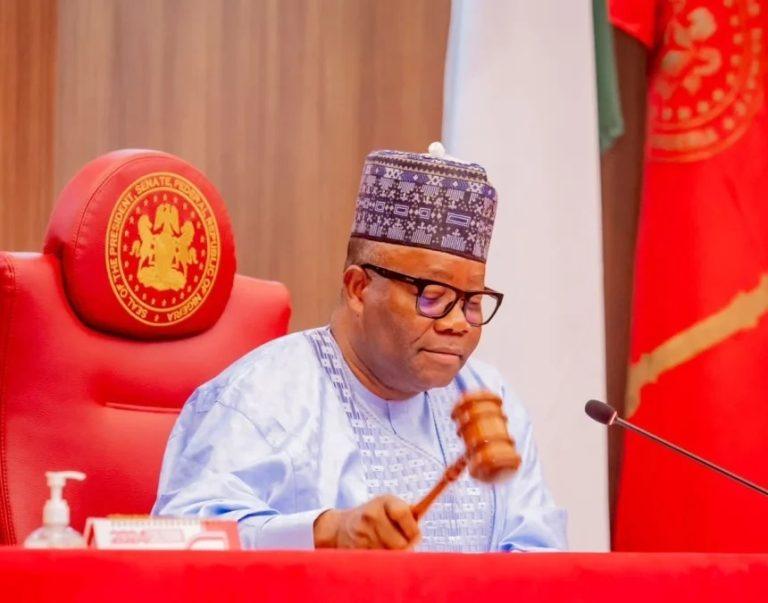
The President of the Nigerian Senate, Godswill Akpabio, has tasked the people of the South-South geo-political zone of the country to deliver the highest votes for the re-election of President Bola Ahmed Tinubu in 2027.

Senator Akpabio gave the charge on Wednesday at the All Progressives Congress (APC) South-South Zonal Congress which held in Asaba, Delta State.

All the Governors of the six States in the South-South were present at the event.

Senator Akpabio thanked President Tinubu and the APC for recognising the South-South zone after about 45 years, in which the zone last had an opportunity to produce a Senate President.

He said the APC had treated the South-South very well and that the people in the zone had equally reciprocated by joining the party.

Senator Akpabio recalled how in 2023, APC in South-South started with just one Governor, the Cross River State Governor, but now having in its fold all the six Governors in the zone.

“Now Governor of Cross River State, you are no longer alone. All these achievements, to have all these Governors coming together in the South-South was made possible by the fact that the Zonal leadership of the party under Victor Giadom has been steady, steadfast and focus.

“So the President said l should particularly thank the South-South. It is not whether you are going to win in 2027, because you cannot be escorted by lions and you become afraid of goats.

“Now that we are complete and and we are focused, the question then will be: What quantum of votes will the South-South give to the APC?

“So turn to the person by your side. Challenge the person. Say we will give the highest votes among the six zones in Nigeria. We will give the highest.

“APC has treated us very well and we have reciprocated by joining the party. Imagine the last time we had a Senate President from this zone, Joseph Wayas, about 45 years ago.

“So under President Bola Ahmed Tinubu, the South-South is now recognised. We are on the table. You cannot have a brother on the table and you go and carry last. Can South-South carry last? So we thank the APC for recognising the South-South and giving us this position of the Senate President,” Akpabio said.

Also speaking at the commencement of the programme, the host Governor, Sheriff Oborevwori of Delta State, said the South-South is very important to the nation, adding that it is the first time the South-South is coming together under one party.

“Today is not just another political gathering. It is a declaration that the APC in South-South is united, organised and ready for the future.

“We have demonstrated that the APC remains the most structured and democratic Party in Nigeria. We must continue to deepen our unity, strengthen our structures in every ward, local government and stay firmly connected to the grassroots.”

The highpoint of the event was the election, by consensus, of the new South-South Zonal executives of the Party which saw the re-election of Chief Victor Giadom as the South-South National Vice Chairman.

Other members of the new executive are: Dr Ita Udosen(Zonal Secretary), Barr. Safugha Newword(Legal Adviser), Dr Samuel Nwanosike(Publicity Secretary), Prince Koyoyo Uhrorho(Youth Leader), Sodangwuo Omoni (Women Leader), Prince Edward Ajang)Organising Secretary) and Prince Ayo Peter Olowojoba(Leader People Living with Disability).

Army, Police Align on Joint Security Operations

0

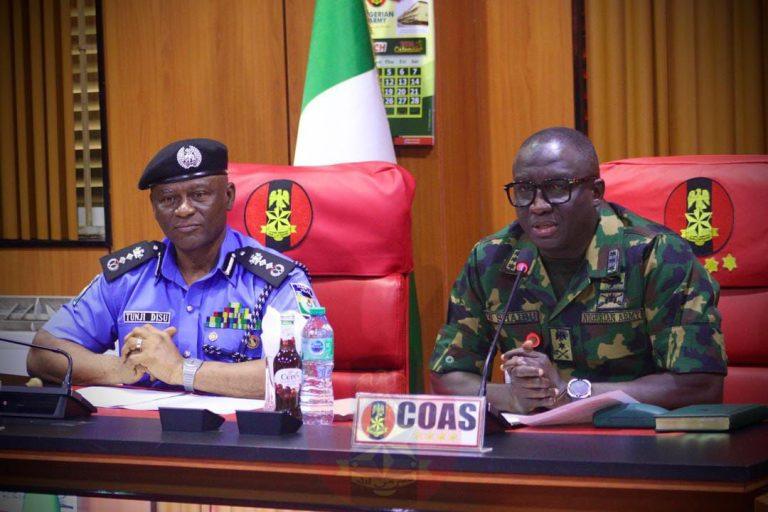
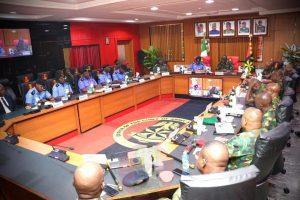
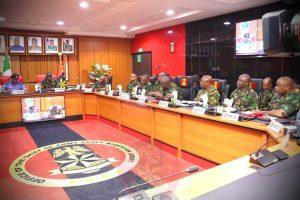
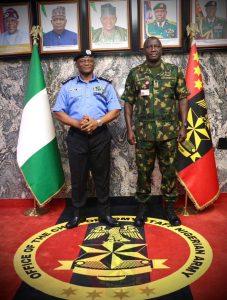
The Chief of Army Staff, Lieutenant General Waidi Shaibu, received the Inspector General of Police, Olatunji Disu, as both institutions signalled a deeper alignment on intelligence sharing, joint operations, and force integration.

The visit took place during a maiden familiarisation at Army Headquarters in Abuja, Nigeria’s capital.

Lieutenant General Waidi Shaibu emphasised that fragmented responses to insecurity will not yield good national outcomes, as complex security environments demand integrated responses rather than isolated institutional actions.

The COAS referenced prior joint service under the United Nations Mission in Darfur as a foundation for the current alignment, underscoring the importance of trust and interoperability in high-risk operations.

He also pointed to ongoing joint operations in Kogi, Kwara, and Niger States, where combined efforts between the Army and Police have continued to pressure armed groups involved in banditry and kidnapping.

According to Lieutenant General Waidi Shaibu, these outcomes reinforce the necessity of maintaining a coordinated inter-agency framework.

The engagement reflects a recalibration of internal security management, where military and police roles increasingly intersect across banditry, insurgency, and organised crime theatres.

The Inspector General of Police, Olatunji Disu, while speaking earlier, stressed that sustained collaboration between the Nigerian Army and the Nigeria Police Force remains central to confronting Nigeria’s evolving threat landscape.

He noted that the long-standing partnership between both institutions has become a stabilising factor in national security operations, particularly where threats cut across conventional policing and military engagement thresholds.

He further acknowledged the Nigerian Army’s role in training Police Mobile Force personnel, describing it as a force multiplier that has strengthened operational readiness across multiple theatres. He assured that intelligence sharing and coordinated deployments would be intensified to sustain current operational gains.

The emphasis on jointness aligns with ongoing reforms across the Armed Forces and internal security agencies, aimed at creating a unified response structure capable of addressing hybrid threats that blur the lines between crime, insurgency, and terrorism.

NSC Charges Basketball Stakeholders To Prioritise Game Interests

0

The National Sports Commission (NSC), has urged basketball stakeholders to prioritise the interests of the game as the Nigeria Basketball Federation (NBBF) prepares for elections later this year.

The commission said this in a statement released by its Media Coordinator, Kola Daniels and made available to newsmen in Lagos.

According to the release, the Federation of International Basketball Association (FIBA) backs the electioneering, under existing statutes and internal regulations.

The Director General of the NSC, Bukola Olopade, also called on all stakeholders within the basketball ecosystem to prioritise unity and the growth of the sport above personal interests.

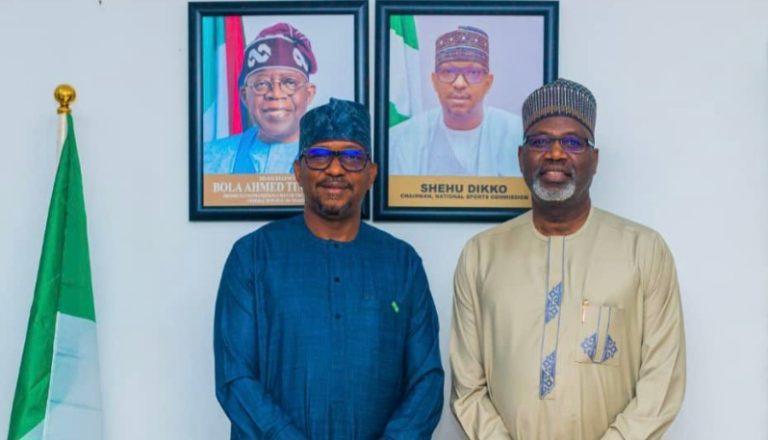
The Director General of the NSC, Bukola Olopade (R) with Nigeria Basketball Federation (NBBF), Musa Kida (L).

This is a crucial moment for basketball in Nigeria. We must all put the game first,” Olopade stated. “The future of our athletes, our national teams, and our global reputation depends on collective responsibility and adherence to due process.”

“FIBA has provided a clear pathway with the new election timeline. I urge all stakeholders to embrace dialogue, respect the regulations, and work together to ensure a credible, transparent, and widely accepted electoral process.”

In its communication, FIBA noted that the tenure of the current NBBF Board had been extended until October 15th.

It added that elections into a new board must be conducted no earlier than September 15th, following the conclusion of the FIBA Women’s Basketball World Cup scheduled for September.

Olopade reiterated the commission’s commitment to supporting a stable and progressive basketball structure in Nigeria.

He also said that this development would ensure that only the best international practices were used to safeguard the nation’s participation in global competitions.


NSC/NAN.

World Tuberculosis Day: NOA Urges Action Beyond Slogan

0

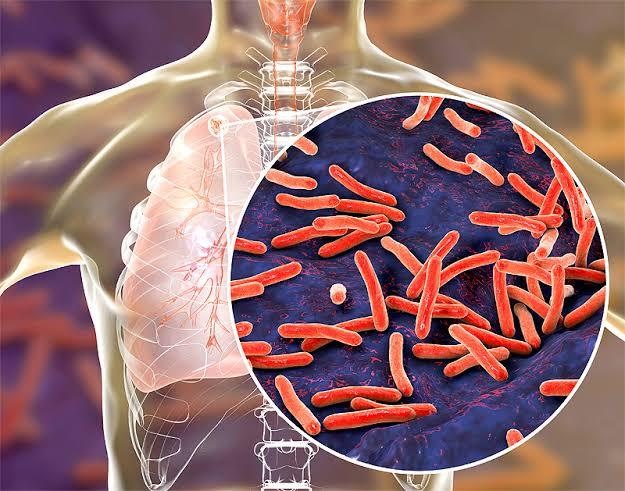
Stakeholders gathered in Ibadan, the capital city of Oyo State, to commemorate this year’s World Tuberculosis Day, themed “Yes! We Can End TB.” At the event organised by the National Orientation Agency, it was agreed that the campaign must go beyond mere sloganeering and translate into concrete actions.

Speaking while marking the occasion with members of her management team in her office, Mrs Ajolayo Sinmat Akande, the Director of the National Orientation Agency, Oyo State, noted that achieving a tuberculosis-free society required collective and sustained commitment from all stakeholders.

She emphasised the need to align words with action to make the global aspiration of ending TB a practical reality rather than wishful thinking.

The director expressed concern that, despite relentless sensitisation campaigns and collaborative efforts by the NOA at both state and local government levels, alongside interventions by healthcare professionals on tuberculosis, it was worrisome that TB continued to persist within communities.

She therefore called for more proactive, coordinated measures to combat the disease, stressing that renewed efforts were necessary to curb its spread.

According to her, tuberculosis is a curable disease when detected early and properly managed. She highlighted that adherence to preventive measures, access to approved medication, and adequate funding of health programmes were critical factors in eliminating the disease.

Mrs Akande advised that individuals exhibiting symptoms such as persistent coughing, sneezing, or the release of infectious droplets should seek immediate medical attention.

She also urged the public to avoid prolonged close contact with infected persons, reduce overcrowding, and refrain from inhaling cigarette smoke, all of which could increase the risk of transmission.

Describing tuberculosis as an airborne disease that spreads easily, she emphasised the importance of vigilance and adherence to safety guidelines to prevent infection.

The NOA director further urged citizens to intensify awareness campaigns, particularly at the grassroots level, to curb the spread of the disease. She reassured the public that the goal of ending tuberculosis remained achievable through collective responsibility and sustained action.


Stakeholders Call for Stronger Investment in Climate Action

0

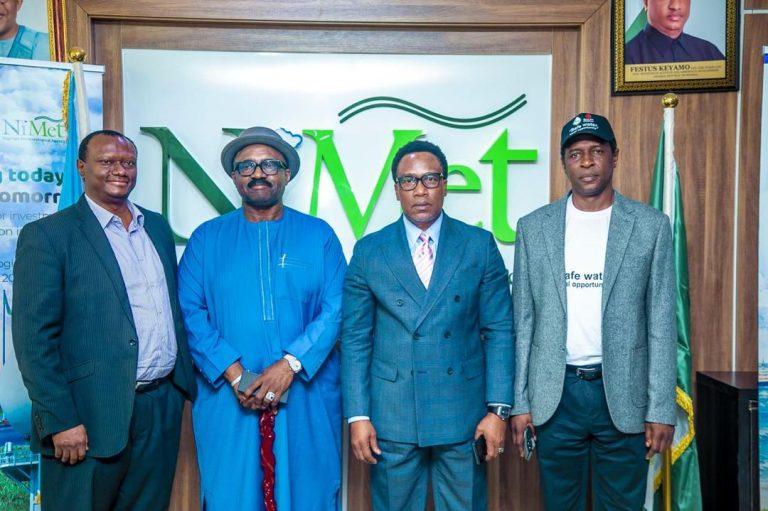
Stakeholders in Nigeria’s aviation, meteorological, and hydrological sectors have called for greater investment in weather observation systems, climate resilience, and technological innovation as the country joined the global community in celebrating World Meteorological Day 2026.

The event, held at the headquarters of the Nigerian Meteorological Agency (NiMet) in Abuja, Nigeria’s capital, brought together top government officials, industry experts, and international representatives under the theme “Observing Today, Protecting Tomorrow.”

The theme underscored the importance of accurate, real-time weather data in safeguarding lives, supporting economic activities, and preparing for future climate challenges.

Speaking at the event, the Director-General of the Nigeria Civil Aviation Authority (NCAA), Capt. Chris Najomo highlighted the critical link between meteorology and aviation safety.

According to him, “‘Observing’ isn’t just a scientific exercise; it is the very foundation of every takeoff, every landing, and every mile flown in between.”

He noted that meteorological services provide essential insights that enable pilots and air traffic controllers to make life-saving decisions.

Emphasising the urgency of adapting to climate change, Capt. Najomo stated that “extreme weather events are no longer outliers; they are becoming part of our operational baseline,” and called for enhanced resilience and the integration of advanced technologies such as artificial intelligence and satellite data to improve flight safety and operational efficiency.

Delivering a goodwill message on behalf of the World Meteorological Organisation (WMO), Dr Roland Abah warned of the increasing global risks posed by climate change.

“The need is urgent. The World Economic Forum’s annual Global Risks report has placed extreme weather as the top long-term global risk,” he said.

He added that Africa has experienced its warmest decade on record, with an increase in the frequency of floods, droughts, and heatwaves.

Dr. Abah stressed the importance of meteorological observation systems, describing them as “the backbone of our economies,” and urged both public and private sectors to invest in climate services.

“We must do more to increase and optimise investments in observations today to protect the future,” he added.

Also speaking, the Director-General of the Nigeria Hydrological Services Agency (NIHSA), Umar Ibrahim Mohammed, commended NiMet for its contributions to national development and disaster risk reduction.

He noted that “the forecasts have been reliable and accessible, and have greatly contributed to disaster risk mitigation strategies in the country.”

Mohammed further encouraged stakeholders to make greater use of weather and climate data, stating that “we will collectively take advantage of weather, climate, and hydrological forecasts to improve the economy of our nation and the well-being of the citizens, particularly the livelihoods of the most vulnerable population.”

In his address, the Director-General and Chief Executive Officer of NiMet, Prof. Charles Anosike, described meteorological observation as the foundation of all weather and climate services.

Prof. Anosike highlighted NiMet’s efforts to modernise its infrastructure, including the expansion of observation networks and satellite systems, which support sectors such as aviation, agriculture, and disaster management.

However, he acknowledged the growing challenges posed by climate change, noting that “the demands placed on meteorological services today are far greater than ever before.”

He also called for stronger collaboration with the private sector, stating that “no single institution or government can act alone,”

The NiMet boss further revealed that Nigeria has been experiencing increasing climate extremes, with temperatures exceeding 40°C recorded in 23 cities and rising flood incidents across the country.

As the event concluded, speakers collectively reaffirmed their commitment to strengthening meteorological services through innovation, partnerships, and sustained investment.

The celebration served as a reminder that proactive observation and data-driven action today remain essential to protecting lives, infrastructure, and the environment for future generations.


Nigeria Launches Project To Enhance Food Security

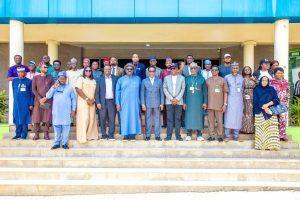
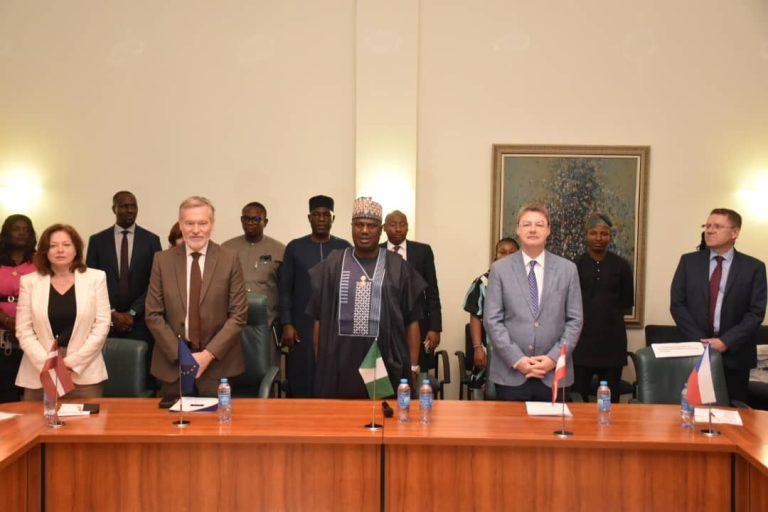
Nigeria has launched its maiden Twinning Project to strengthen food security and build sustainable food systems through climate-smart technologies and improved agricultural value chains.

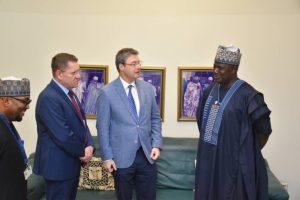
The initiative forms a strategic partnership between Nigeria and the European Union, alongside member states including the Czech Republic, Austria, and Latvia, to support a more resilient and sustainable agricultural ecosystem.

The project aims to advance climate-smart agriculture, enhance institutional capacity, and align Nigeria’s agricultural policies with global best practices.

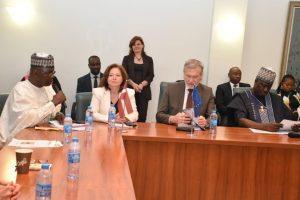
Speaking at the launch in Abuja, the Minister of Agriculture and Food Security, Senator Abubakar Kyari, says the initiative will deepen efforts to strengthen sustainable food systems across the country.

Represented by the Minister of State for Agriculture and Food Security, Dr Aliyu Sabi Abdullahi, Kyari describes the project as a milestone in Nigeria’s agricultural transformation, adding that it aligns with government efforts to position agriculture as a driver of economic growth, job creation and food security.

He revealed that “ongoing government interventions include investments in irrigation, dry-season farming, mechanisation, and improved access to inputs such as fertilisers and climate-resilient seeds. The government is also scaling digital agriculture and strengthening pest control systems to safeguard productivity across value chains.”

He pointed out that the Twinning Project is expected to play a critical role in strengthening Nigeria’s agribusiness ecosystem by supporting a comprehensive review of the National Agricultural Resilience Framework (NARF) and aligning policies with global best practices. It will also facilitate capacity building for Nigerian institutions through training programmes, study visits, and technical exchanges.”

In his remarks, the European Union Ambassador to Nigeria and ECOWAS, Gautier Mignot, stated that the initiative is designed to bridge the gap between policy and implementation in Nigeria’s agricultural sector.

Mignot added that “addressing food insecurity requires not only investment but strong institutions and effective policies. This project will identify key gaps and provide practical recommendations that translate into real improvements for farmers, agribusinesses, and rural communities.”

He noted that “by strengthening institutional frameworks and promoting climate-smart practices, the initiative is expected to improve productivity while reducing post-harvest losses and environmental risks’’.

He emphasised that the programme aligns with its broader priorities of supporting climate-resilient agriculture, job creation, and inclusive growth, especially for youth and women engaged in agribusiness.

During his welcome address, the Director, Planning and Policy Coordination, Mr. Ibrahim Tanimu said that “the Twinning Project is especially significant because it brings together technical expertise from European institutions and Nigerian professionals to work on critical areas of agricultural policy and climate-smart development, which will translate into resilient agriculture for food security in the country’’.

He added that “this initiative comes at a very crucial time. Nigeria is actively working to strengthen its agricultural systems in response to emerging challenges, particularly those posed by climate change, food security and evolving global food systems transformation.”