

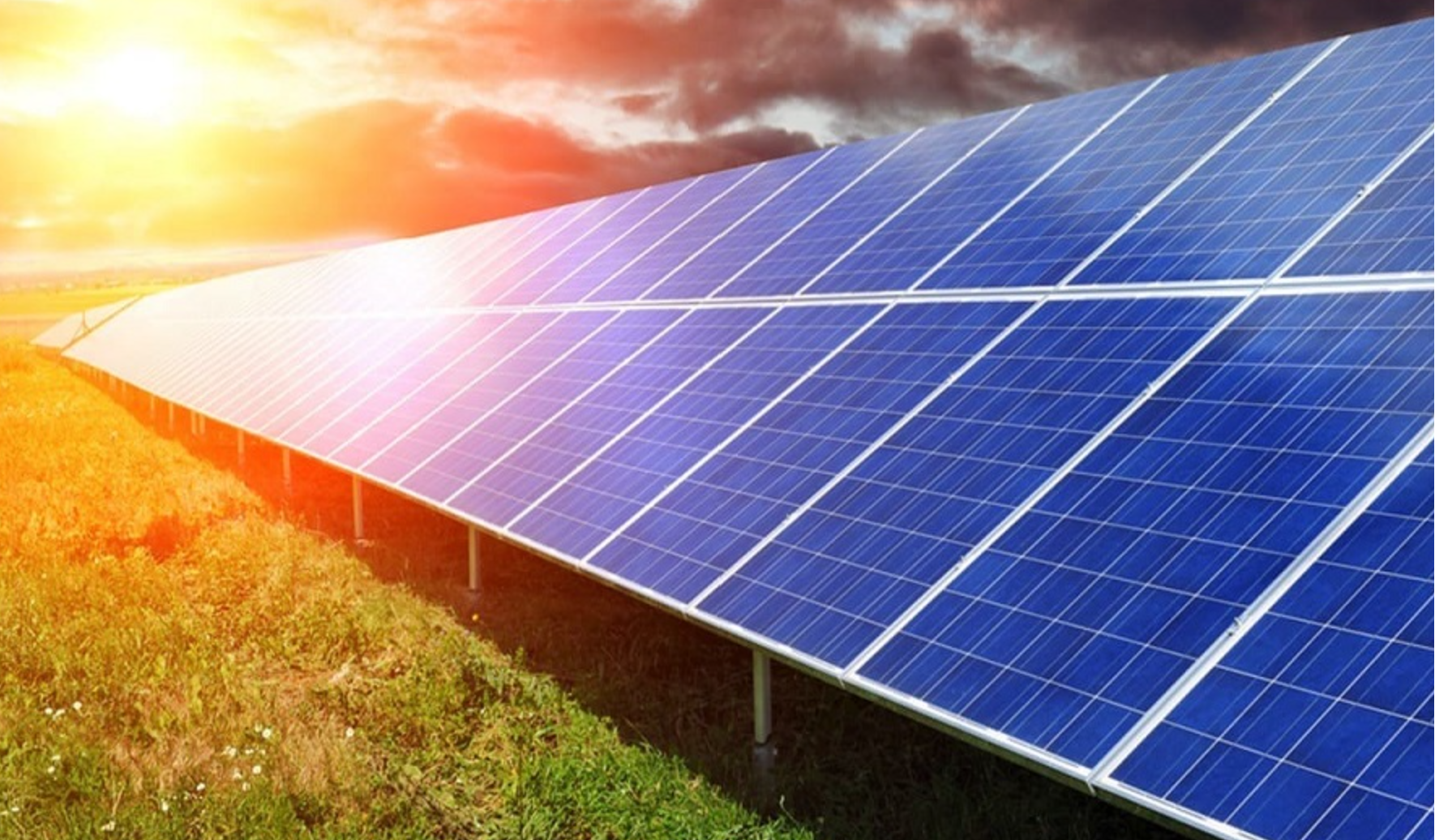
Energy experts and industry stakeholders have appealed to the Nigerian Government not to ban the importation of solar panels into the country
They made the appeal in Abuja at a global initiative workshop and media training on renewable energy reporting, where stakeholders described the country’s power situation as an economic emergency requiring urgent but carefully sequenced reforms.
Nigeria, with a population of over 220 million, currently generates between 4,000 and 5,000 megawatts of electricity, far below its estimated demand of 20,000 to 30,000 megawatts.
READ ALSO: Stakeholders Advocate Solar Energy as Solution to Nigeria’s Power Crisis
The gap translates to about 4–5 watts per capita, compared to over 1,000 watts in developed economies, underscoring the scale of the deficit. The shortfall has left about 85 million Nigerians without access to grid electricity, while many others face frequent outages.
The Nigerian Campaign Director of the Secure Energy Project, Joseph Ibrahim, said the situation has forced households and businesses to rely on costly alternatives.
“In this vacuum, solar energy has evolved from a luxury into a necessity,” he emphasised.
Ibrahim noted that Nigeria’s off-grid solar market is valued at over $2 billion, with annual growth rates estimated at 15–20 per cent.
Across the country, solar systems now power small businesses, schools and health centres, particularly in rural and underserved communities, with over 10 million Nigerians depending on solar as a primary or backup source.
While the Nigerian Government is considering restricting imports to encourage local manufacturing, Ibrahim said that current domestic capacity remains limited.
“For millions already underserved, such a move could deepen economic hardship rather than alleviate it,” Ibrahim stated.
The Director, therefore advocated a phased transition that combines gradual import reduction with investments in local production, financing frameworks and quality assurance systems.
Climate change expert, Dr Femi Asonibare, said public awareness of the proposed restriction remains low.
“However, when informed, public sentiment is clear: most respondents favour a phased ban, while over 70 per cent emphasise affordability as their top concern,” he noted.
Asonibare further said that solar solutions currently reduce household energy costs by 30–50 per cent compared to petrol and diesel generators.
Also speaking, the Country Lead of the Global Solar Council Coalition in Nigeria, Daniel Oladoja, said surveys show that between 85 and 89 per cent of Nigerians oppose an outright ban.
“If Nigeria restricts imports before building local capacity, it risks supply shortages and price shocks,” he warned.
He further noted that global factors, including possible subsidy cuts in China, could increase solar prices by 10–25 per cent.
Oladoja drew parallels with Nigeria’s petroleum sector, noting that fuel imports were only reduced after substantial domestic refining capacity was established.
Data presented at the event highlighted the broader economic impact of unreliable electricity. According to the World Bank, power shortages cost Nigeria an estimated $26 billion annually due to lost productivity and increased operating costs.
More than 60 per cent of small businesses rely on generators, with Nigerians spending about $14 billion yearly on fuel for self-generation, while outages in some areas exceed 30 hours per week.
The National Coordinator of GreenFaith Africa, Lucky Abeng, described the situation as a national development emergency.
“This is not just an infrastructural gap—it’s a development crisis affecting healthcare, education and livelihoods,” he stressed.
Stakeholders agreed that while local manufacturing is critical for long-term energy security, policy decisions must reflect present realities.
They proposed a 5–10 year phased reduction in imports, alongside incentives for local manufacturers, duty waivers for raw materials and expansion of off-grid solar solutions.
They maintained that Nigeria’s energy future depends on balanced reforms that align industrial growth with the urgent need for affordable and reliable power.