Resource Conservation and Development Initiative (RCDI) International has highlighted a series of interventions implemented during the first half of 2026, reaffirming its commitment to improving access to safe water, sanitation, hygiene, menstrual health and environmental sustainability in underserved communities across Nigeria.
In its June 2026 performance review, the organisation said its activities between January and June were driven by strategic partnerships, community engagement and targeted programmes aimed at improving the wellbeing of vulnerable populations and strengthening climate resilience.
Executive Director of RCDI International, Mrs Minite Okoroh-Oviaesu, said the achievements recorded during the period underscored the importance of collaboration and community ownership in addressing development challenges.
“The first half of 2026 has demonstrated the power of partnership, community ownership and collective action in addressing critical development challenges. Through our interventions in water, sanitation, hygiene, menstrual health and climate resilience, we have continued to improve the wellbeing of underserved communities while promoting sustainable solutions that can stand the test of time,” she said.
One of the organisation’s major achievements during the review period was the rehabilitation of a community borehole in Bonugu Community, Kwali Area Council of the Federal Capital Territory (FCT), as part of activities marking World Water Day 2026.
The project restored access to safe and reliable water for residents, many of whom had struggled to obtain clean water. RCDI also distributed water treatment products and conducted hygiene awareness campaigns to educate households on safe water handling, storage and sanitation practices to prevent waterborne diseases.
As part of its World Water Day activities, the organisation participated in a public sensitisation campaign organised by the Federal Ministry of Water Resources in Lugbe, Abuja, to promote sustainable water management and improved hygiene practices.
RCDI also joined stakeholders at the Rural Water Supply and Sanitation Agency (RUWASSA) World Water Day celebration in Kunyani Gosa, Abuja Municipal Area Council (AMAC), where participants renewed their commitment to expanding access to water and sanitation services.
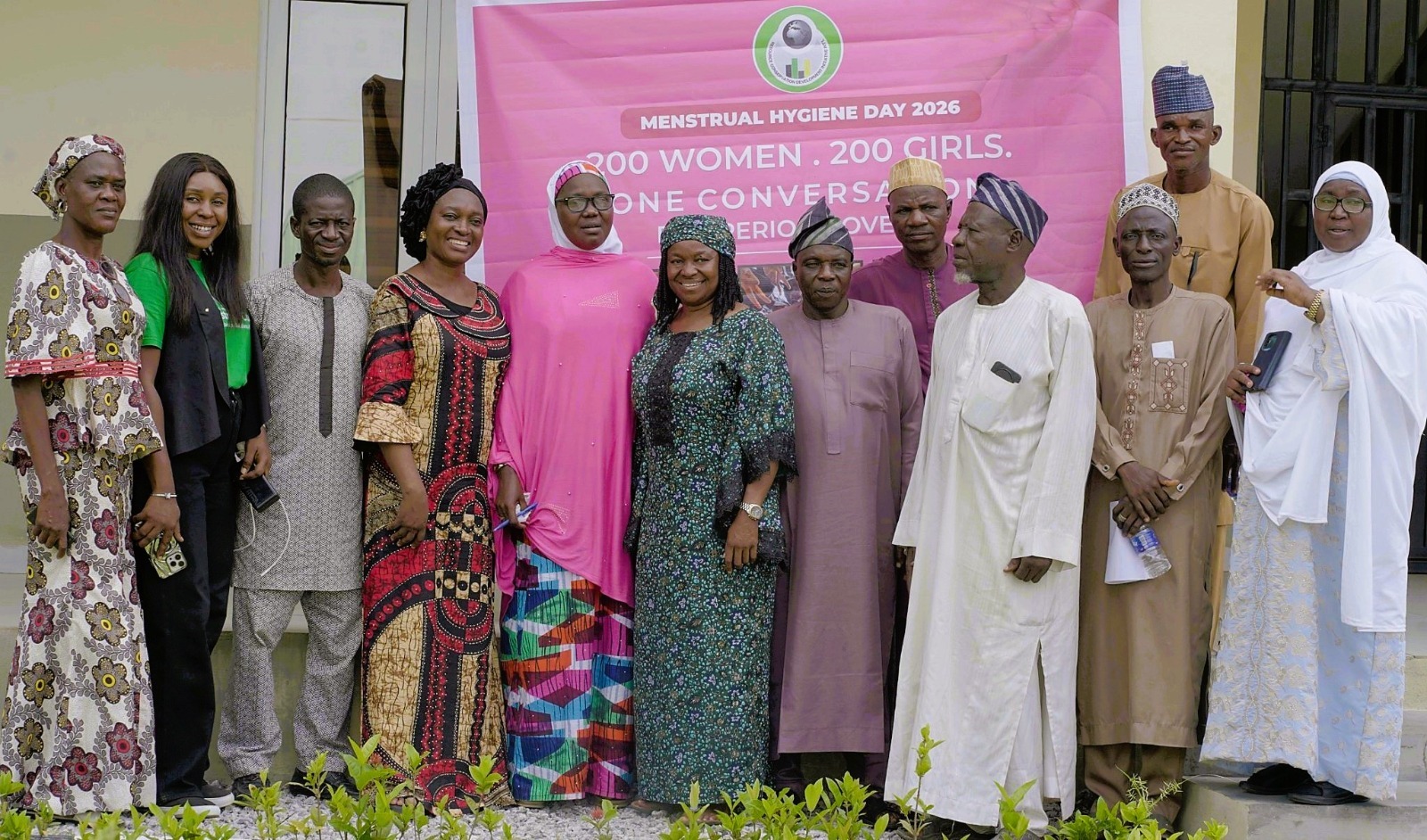
In the area of menstrual health, the organisation intensified efforts to combat period poverty and promote menstrual dignity through its flagship ThriveFlow 2026 initiative, organised to commemorate Menstrual Hygiene Day under the theme “One Conversation: End Period Poverty”.
The event, held in Kwali Area Council, brought together women, adolescent girls, traditional rulers, educators and development partners to discuss menstrual health challenges, tackle stigma and encourage informed conversations on menstruation.
Participants received dignity kits and menstrual hygiene support materials, while stakeholders explored practical solutions to barriers affecting menstrual health and the wellbeing of girls and women.
The programme attracted representatives from RUWASSA, the FCT Ministry of Women Affairs and Social Development, the Local Education Authority, the WASH Coordination Unit, district heads, women leaders and other community stakeholders.
RCDI also partnered with the FCT Ministry of Women Affairs and Social Development to commemorate Menstrual Hygiene Day at Federal Government Girls’ College, Bwari, where students received menstrual health education and guidance on managing their menstrual cycles with confidence and dignity.
Environmental sustainability also remained a key focus during the review period.
In collaboration with the Ministry of Environment, RCDI participated in activities marking World Environment Day 2026, including a tree-planting exercise at Government Secondary School, Maitama.
The initiative was aimed at promoting environmental awareness among students and encouraging active participation in climate action and environmental stewardship.
Beyond its community interventions, RCDI remained actively engaged in national sector coordination platforms, including the monthly Water, Sanitation and Hygiene in Emergencies Technical Working Group meetings, where discussions centred on emergency preparedness and response strategies.
The organisation also contributed to meetings of the National Menstrual Hygiene Management Technical Working Group, collaborating with government institutions and development partners to strengthen menstrual health programming and advocacy nationwide.
In addition, RCDI supported the Community-Led Total Sanitation Plus Plus (CLTS++) Open Defecation Free campaign in Kwali Area Council under the RUWASSA-led and UNICEF-supported WASH coordination framework.
According to the organisation, the initiative focused on promoting behavioural change, sanitation awareness, community mobilisation and sustaining open defecation-free communities.
Okoroh-Oviaesu stressed that access to safe water, dignified sanitation, menstrual health services and a healthy environment remains fundamental to sustainable development and human dignity.
“At RCDI, we believe that access to safe water, dignified sanitation, menstrual health and a healthy environment are fundamental rights, not privileges. We remain committed to working with government institutions, development partners, community leaders and volunteers to ensure that no one is left behind,” she said.
She added that the organisation would expand its interventions in the second half of the year through stronger partnerships and innovative community-based programmes aimed at building healthier, more resilient and sustainable communities across Nigeria.