

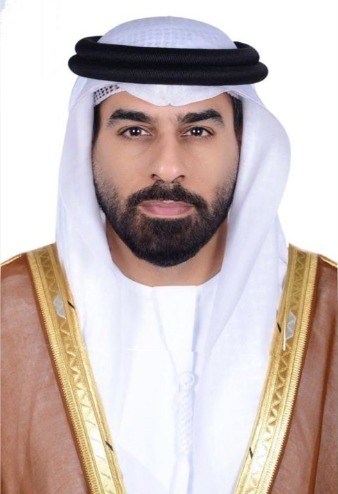
His Excellency Salem Saeed Al-Shamsi Ambassador of the United Arab Emirates to the Federal Republic of Nigeria
The world today faces one of the defining challenges of our time: how to meet growing energy demand, support economic development, and reduce emissions simultaneously. Many countries, particularly developing economies, view these objectives as competing priorities. Yet the reality is that sustainable development, energy security, and climate action must advance together if long-term prosperity is to be achieved.
The United Arab Emirates has emerged as a leading global advocate for a pragmatic and inclusive energy transition, one that advances climate objectives while safeguarding energy security, economic growth, and development aspirations. The UAE believes that the future of energy is not about replacing one source with another but about building an integrated and resilient energy system that balances security of supply, affordability, sustainability, and economic growth. Energy transition must therefore be orderly, gradual, inclusive, and responsive to the unique circumstances and development priorities of individual countries.
This vision has been translated into a practical and comprehensive energy strategy. While continuing to play its role as a reliable global energy producer, the UAE has simultaneously invested in renewable energy, clean hydrogen, and energy efficiency. This balanced approach reflects the UAE’s belief that achieving climate objectives requires pragmatism, technological innovation, and diversified energy pathways.
At the international level, the UAE hosts the headquarters of the International Renewable Energy Agency (IRENA) and successfully hosted the 28th Meeting of the Conference of the Parties (COP28) in Dubai, which resulted in the UAE Consensus – the historic agreement adopted by 198 Parties to usher in a new era of climate action, including the goals of tripling renewable energy capacity and doubling energy efficiency by 2030.
This commitment to translating ambition into action is perhaps best illustrated by Masdar, whose investments span more than 40 countries across six continents. With a renewable energy portfolio of approximately 65 gigawatts and a target of reaching 100 gigawatts by 2030, Masdar has become one of the world’s leading clean energy investors and a key vehicle through which the UAE supports sustainable development, energy access, and renewable energy deployment across both developed and developing markets.
Africa occupies a central place in the UAE’s global sustainability efforts. The continent’s vast energy potential and growing population make it central to future global development, and the UAE views Africa as a strategic partner in shaping the future energy landscape and playing a defining role in global prosperity over the coming decades.
This philosophy is reflected in initiatives such as Etihad 7, launched to help provide clean electricity access to 100 million people across Africa by 2035. Similarly, the Africa Green Investment Initiative (AGII), backed by a USD 4.5 billion commitment, aims to accelerate the deployment of 15 GW of new clean energy capacity by 2030, while supporting resilient infrastructure development and long-term economic growth across the continent.
Beyond investment, UAE partnerships in Africa increasingly focus on infrastructure development, technology transfer, capacity building, and job creation. The objective is not simply to finance projects but to contribute to sustainable and inclusive economic transformation that supports national development priorities.
Within this broader outlook, Nigeria occupies a particularly important place as one of Africa’s largest economies, a major energy producer, and an increasingly influential voice on regional and global development issues. The UAE therefore views Nigeria as a key strategic partner in advancing energy security, economic diversification, industrial development, and sustainable growth.
Looking ahead, both countries are well positioned to deepen cooperation across renewable energy, energy infrastructure, investment, food security, logistics, digital innovation, and industrial development. As Nigeria advances its own energy transition and economic diversification objectives, the UAE stands ready to support practical partnerships that deliver mutual economic value and long-term growth.
The increasing convergence between the two countries has also been evident through Nigeria’s active participation in leading sustainability platforms hosted by the UAE. President Bola Ahmed Tinubu’s participation in COP28, as well as his attendance at Abu Dhabi Sustainability Week in both 2025 and 2026, reflects Nigeria’s commitment to advancing dialogue on sustainability, innovation, and energy transition.
These engagements underscore a broader reality: the future of energy will be shaped not by competition between nations or energy sources but by cooperation, investment, innovation, and shared responsibility. Sustainable growth depends on reliable energy systems, technological progress, and international partnerships capable of delivering practical solutions to shared challenges.
In conclusion, the United Arab Emirates remains committed to advancing a balanced and pragmatic approach to energy transition – one that strengthens energy security, supports economic development, and contributes to global climate objectives. As the world navigates an increasingly complex energy landscape, the UAE will continue to work with partners across Africa and around the world to build a future where sustainability and prosperity advance together. In this regard, the UAE–Nigeria partnership reflects the type of forward-looking cooperation required in the twenty-first century, one that combines investment, innovation, technology, and shared ambition to deliver sustainable and inclusive development for future generations.


[…] READ ALSO: The UAE and Africa’s Sustainable Energy Future […]