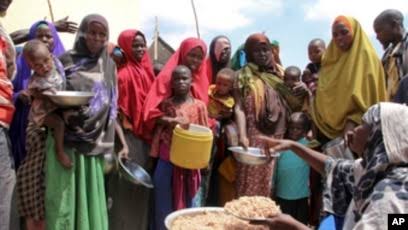
The United Nations has unveiled an $852 million humanitarian response plan for Somalia, aimed at providing life-saving assistance to millions of people affected by conflict, climate shocks, food insecurity, and disease.
The U.N Spokesperson Stéphane Dujarric, at a briefing, announced that the plan targets urgent needs across food assistance, health care, nutrition, water and sanitation, protection, and support for displaced populations.
Mr. Dujarric warned that without immediate and sustained funding, the humanitarian situation in Somalia could deteriorate further, placing millions of lives at risk.
READ ALSO: Nigeria Reaffirms Support for Somalia’s Sovereignty and Unity
UN Security Council Extends AU Peacekeeping Mission in Somalia
Somalia Faces Diphtheria Surge amid Vaccine Shortages, aid cuts
According to the UN, recurrent droughts, flooding, ongoing insecurity, and economic pressures have left large segments of the population struggling to meet basic needs. Children, women, and internally displaced persons are among the most vulnerable, facing heightened risks of malnutrition, preventable diseases, and protection concerns.
The $852 million appeal is intended to support coordinated action by U.N. agencies, international and local non-governmental organizations, and Somali authorities.
Priority will be given to food aid for severely food-insecure households, treatment for malnourished children, emergency health services, and access to clean water and sanitation.
U.N. representatives also emphasized the importance of early action and resilience-building measures, noting that repeated climate shocks have undermined livelihoods and prolonged humanitarian dependence.
Somalia has faced decades of instability, compounded in recent years by extreme weather linked to climate change. While humanitarian efforts have helped avert famine in the past, the U.N. cautioned that funding shortfalls could reverse hard-won gains.
The organization urged the global community to demonstrate solidarity with the Somali people by fully supporting the response plan, stressing that predictable and adequate financing is critical to saving lives and stabilizing communities across the country.