China and Nigeria have called for enhanced collaboration across key areas of sports development, including administration, coaching, sports science, infrastructure management, anti-doping efforts and youth engagement.
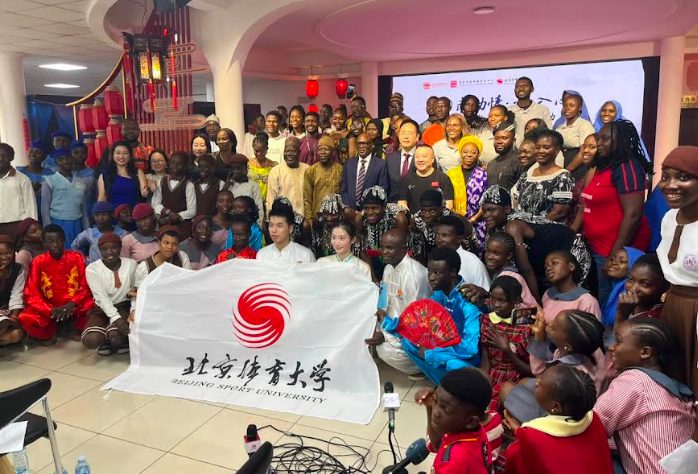
The call was made during the, Passion of Chinese Wushu: Cultural Heritage Chinese Wushu Premium Exhibition, hosted by the China Cultural Centre in Abuja.
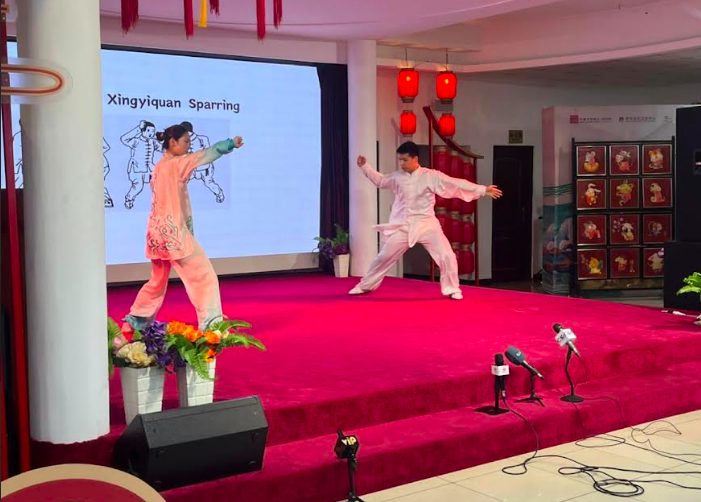
The event brought together government officials, sports administrators, cultural enthusiasts, students, and members of the diplomatic community to celebrate Chinese martial arts and promote people-to-people exchanges between the two countries.
Speaking at the exhibition, the Director of the China Cultural Centre in Nigeria, Yang Jianxing, described Wushu as a symbol of China’s cultural identity and values.
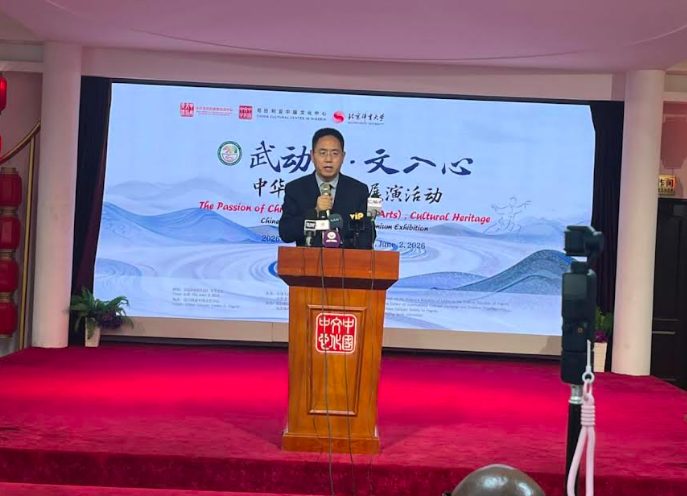
“Wushu is not merely a sport; it is a cultural language and a spiritual heritage. It embodies the Chinese nation’s enduring spirit of self-improvement and reflects values such as respect, virtue, harmony and peaceful coexistence,” Yang said.
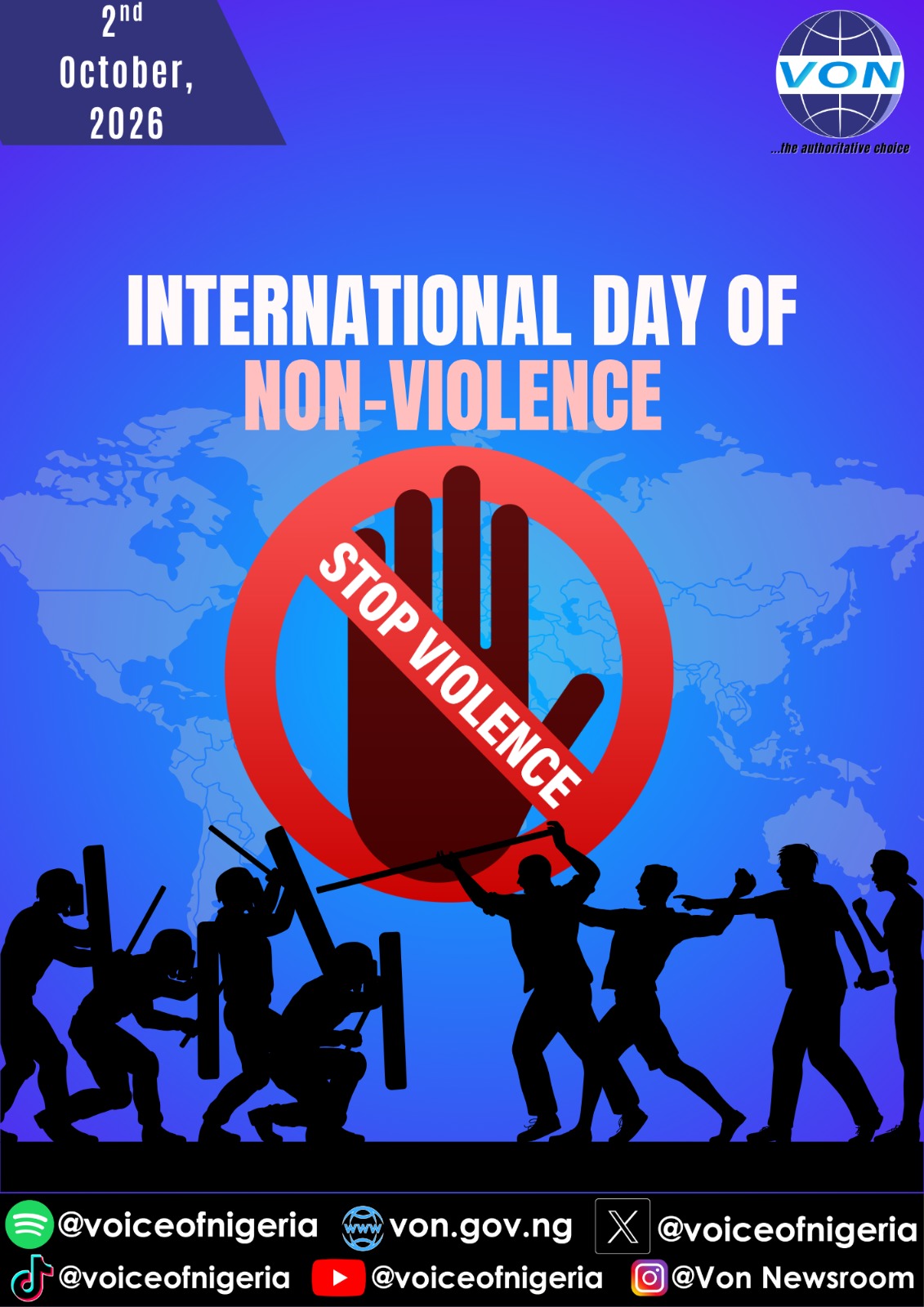
He stressed that the essence of martial arts is peace rather than conflict, noting that the Chinese character for “Wu” signifies stopping violence and promoting harmony.
Yang said the exhibition, featuring renowned Wushu expert Professor Wu Dong and a delegation from Beijing Sport University, was designed to provide Nigerians with firsthand experience of Chinese martial arts through lectures, demonstrations, and interactive sessions.
According to him, cooperation between both nations has continued to expand across infrastructure, education, trade, and culture, driven by the strong friendship shared by their peoples.
“As we stand at a new historical starting point, we will continue to organise more diverse and meaningful cultural programmes that promote mutual understanding and deepen friendship between China and Nigeria,” Yang said.
National Sports Commission chairman, Shehu Dikko, represented by Musa Amodu, the Special Adviser on Legal Strategy and Administration, commended the Chinese government and cultural institutions for leveraging sports and culture as instruments of diplomacy.
According to him, Wushu embodies universal values such as discipline, courage, self-control, and excellence.
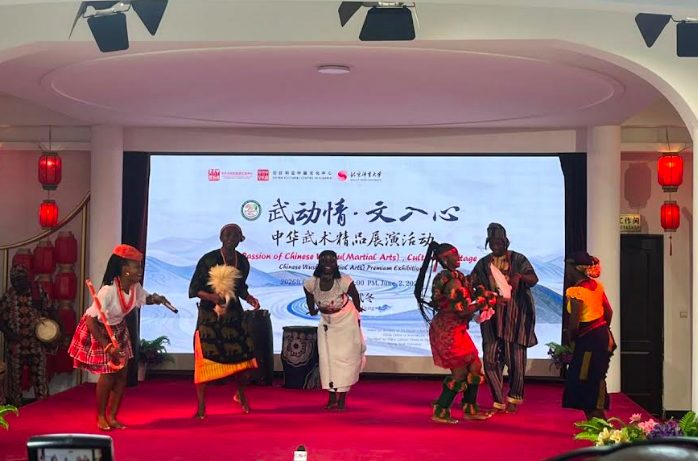
“Sports diplomacy offers both Nigeria and China a powerful platform to build deeper connections. Sports speaks a universal language, crossing borders, bridging differences and bringing people together in ways formal diplomacy sometimes cannot,” Amodu said.
Dikko, also acknowledged China’s support for capacity-building initiatives, while called for deeper collaboration in sports administration, coaching development, sports science, infrastructure management, anti-doping programmes, and youth development.
“The National Sports Commission is open and ready for deeper engagement with the Chinese Mission in Nigeria, the China Cultural Centre in Nigeria, Beijing Sport University and other relevant Chinese institutions,” he said.
Dikko added that Nigeria’s youthful population and China’s advanced sports development systems create opportunities for collaboration in athlete development, sports technology, research, and the promotion of traditional sports.
Also speaking, the Director of Programmes at the Federal Radio Corporation of Nigeria (FRCN), Abiodun Ogidan, described the exhibition as an important platform for cultural diplomacy and stronger Nigeria-China relations.
She said it transcends martial arts, serving as a vehicle for intercultural dialogue, mutual understanding, and friendship.
“This event is a statement of China’s rich cultural heritage and its commitment to fostering intercultural dialogue, mutual understanding, and friendship among nations,” she stated.
Reaffirming the broadcaster’s commitment to the partnership, Ogidan said continued collaboration would further strengthen cultural exchanges, educational engagement and people-to-people relations between both countries.
“We reaffirm our commitment to sustaining and deepening this productive partnership,” she stressed.
“We are confident that continued collaboration between our institutions will further promote cultural exchange, educational engagement, and stronger people-to-people connection between Nigeria and China.”
The exhibition underscored the growing role of sports, culture, and media as strategic tools for fostering mutual understanding and deepening diplomatic relations between Nigeria and China beyond traditional economic cooperation.