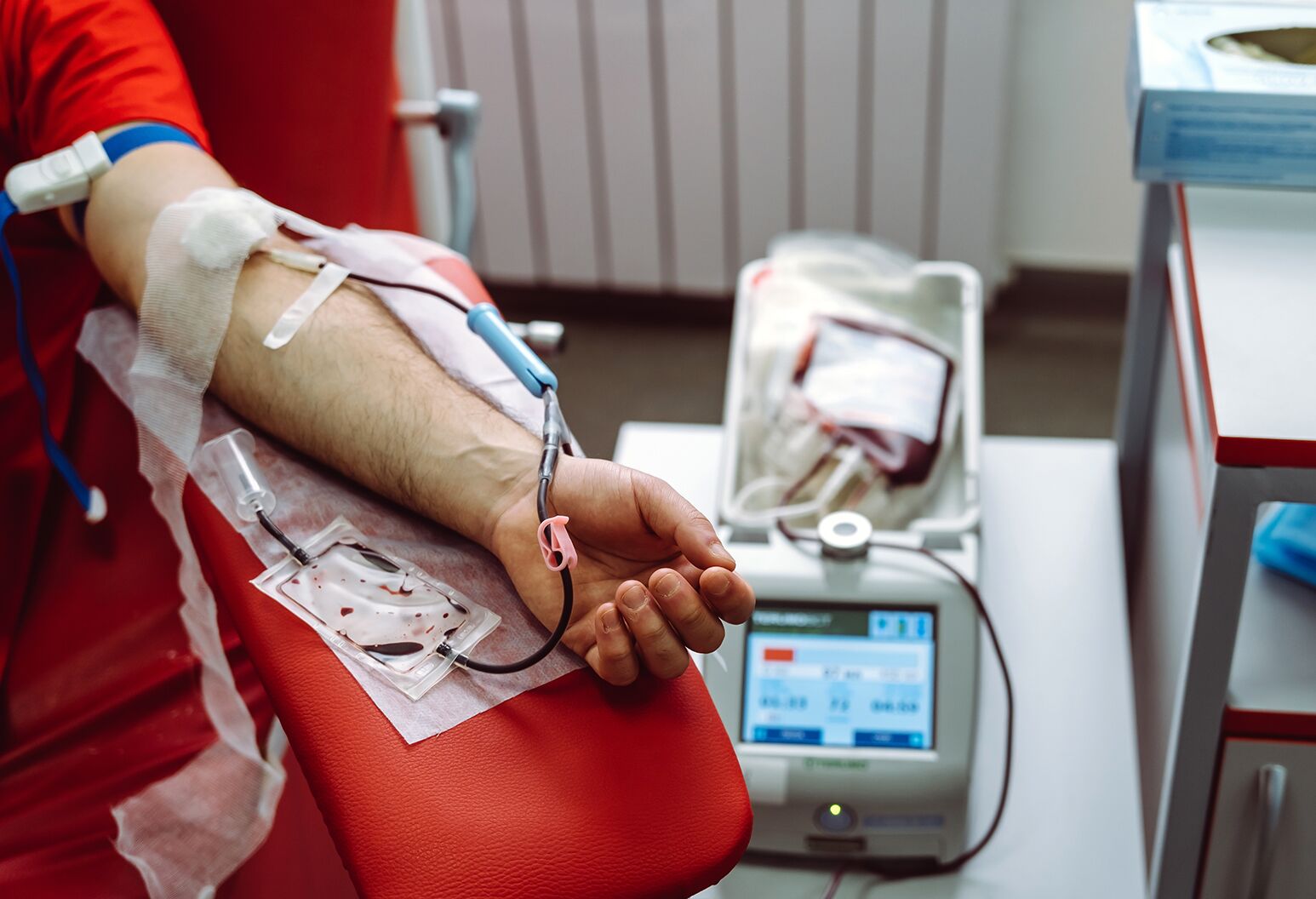
The World Health Organisation, WHO, Regional Director for Africa, Professor Mohamed Janabi has called on governments, health professionals, partners and communities to intensify efforts to increase voluntary blood donation across the Continent.
He also urged them to strengthen access to safe blood services.
In a message marking World Blood Donor Day 2026, Professor Janabi said this year’s theme, “One Drop of Humanity. Give Blood. Save Lives,” highlights the power of blood donation as an act of compassion, solidarity and care that saves countless lives every day.
He noted that thousands of patients across the African Region depend on blood transfusions daily, including women experiencing complications during childbirth, children suffering from severe malaria and anaemia, accident victims and people living with chronic illnesses.
“Safe blood and blood products remain essential components of resilient health systems and are critical to achieving universal health coverage across the continent,” the message reads.
Professor Janabi paid tribute to voluntary, unpaid blood donors, describing them as lifesavers whose generosity strengthens communities, inspires hope and demonstrates the impact a single donation can have on individuals and families.
- ALSO READ: WHO Warns Ebola Outbreak Risks Global Spread
The Regional Director highlighted progress made in recent years, noting that blood donations in the African Region increased from about 2.2 million in the early 2000s to nearly seven million in 2023.
He said that “close to seven out of every ten blood donations now come from voluntary donors.”
National blood system
Professor Janabi said many countries have strengthened their national blood systems by establishing policies, strategic plans and dedicated units within Ministries of Health to coordinate blood services.
Despite these gains, he expressed concern that significant disparities persist among countries, with demand for safe blood continuing to exceed supply.
The Regional Director noted that the African Region records an average of only six blood donations per 1,000 people, a figure considered insufficient to meet essential health needs.
He stressed the importance of maintaining high safety standards through comprehensive screening of donated blood for infections such as HIV, hepatitis and syphilis, while noting that gaps in screening coverage remain in some settings.
Professor Janabi called for sustained investment in national blood programmes, improved infrastructure, stronger public awareness campaigns and greater community participation.
He urged all eligible individuals to become regular blood donors, stressing that every donation offers hope, dignity and a healthier future for those in need.
Oyenike Oyeniyi