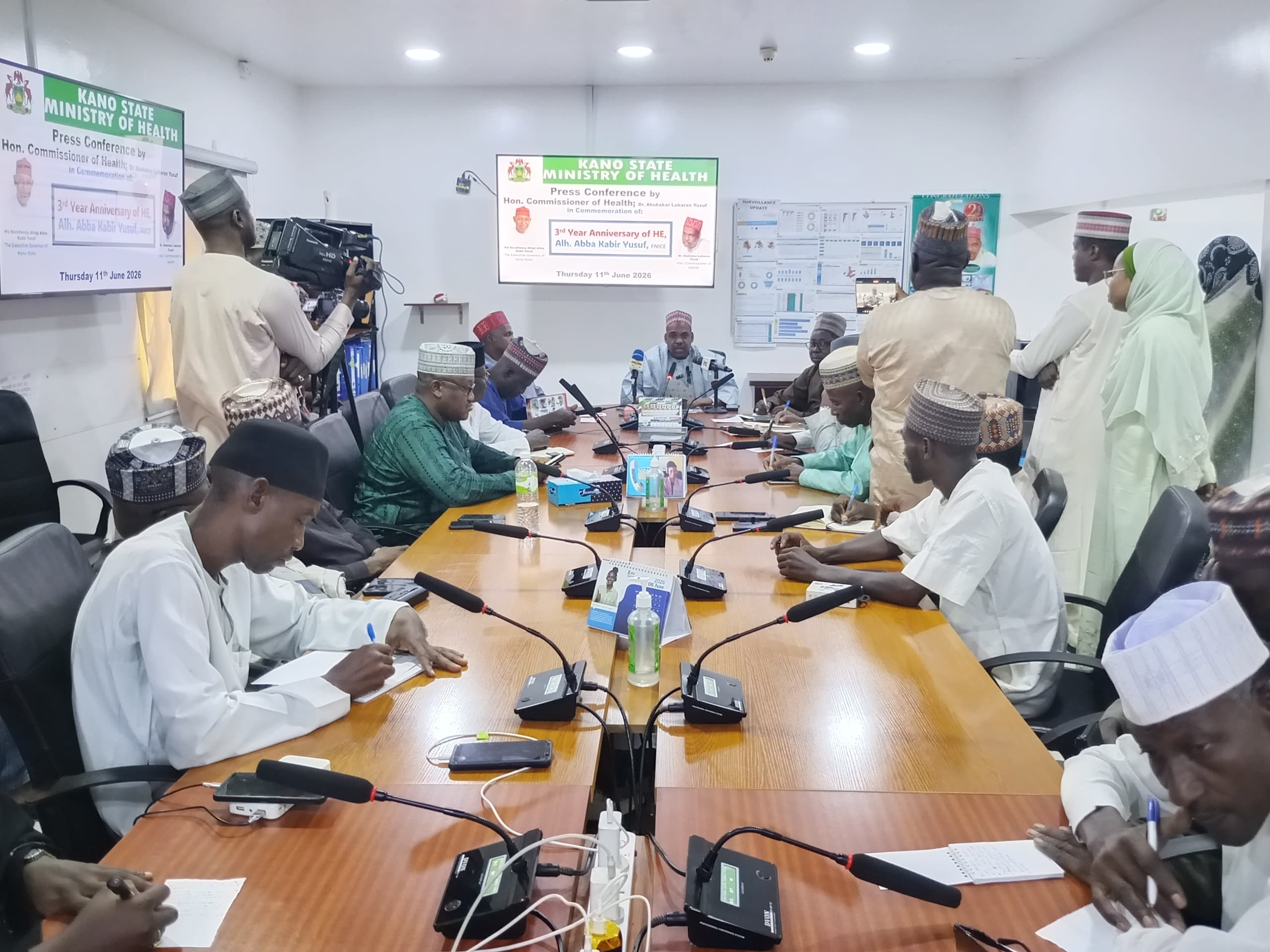
The Kano State Government has announced significant progress in its healthcare sector, saying nearly 90% of the targets outlined in its three-year health development agenda have been accomplished through extensive investments and reforms.
Speaking during a media engagement in Kano, the Commissioner for Health, Dr Abubakar Labaran, highlighted key achievements recorded under the administration of Governor Abba Kabir Yusuf, describing the health sector as one of the government’s priority areas.
According to the commissioner, Kano has successfully aligned with the provisions of the Abuja Declaration on Health by increasing investment in healthcare services and expanding access to quality medical care for residents across the state.
Dr Labaran explained that one of the administration’s landmark reforms was the introduction of a digital admission system for health training institutions.
He noted that the initiative eliminated widespread irregularities and financial leakages that had previously deprived the state of substantial revenue.
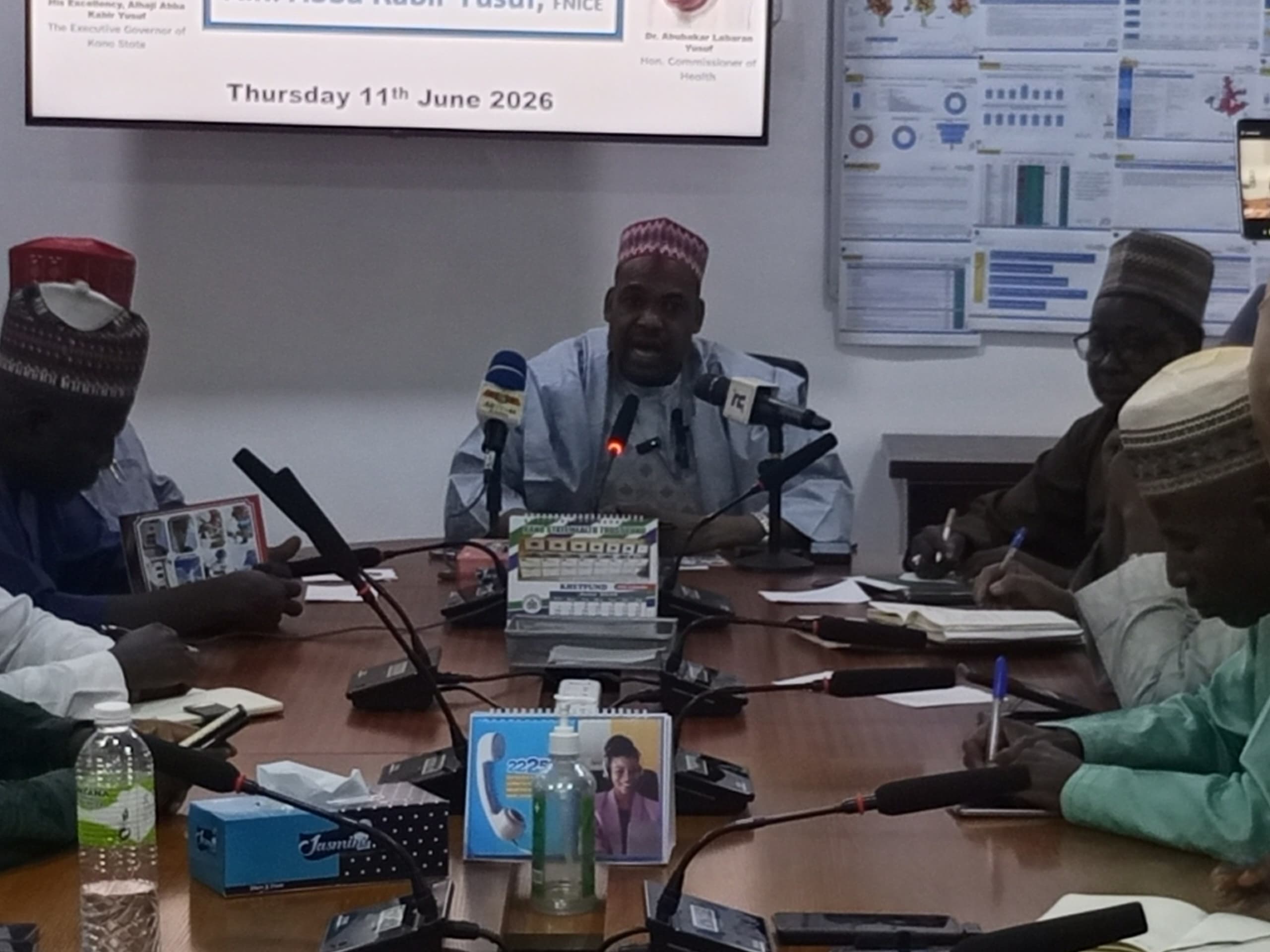
The Commissioner said “the government has also prioritised capacity building by reviving training programmes for healthcare professionals, securing accreditation for several medical courses, and creating pathways for doctors to advance to consultant status.”
He noted that these measures have strengthened healthcare institutions and enhanced the quality of services provided to patients.
On maternal and child health, Dr Labaran disclosed that the state spends more than N60 million every month on free medical services for pregnant women, including Caesarean section procedures in over 30 government-owned hospitals.
To improve emergency healthcare delivery, he said ambulances have been provided to all 44 local government areas, while an additional 484 mini ambulances have been procured for deployment across wards in the state.
The commissioner further revealed that the government has renovated and equipped 320 Primary Healthcare Centres as part of efforts to ensure that every ward has access to functional healthcare facilities.
Addressing workforce challenges, Dr Labaran stated that more healthcare personnel have been recruited through partnerships involving both state and federal authorities, helping to bridge manpower gaps in medical facilities statewide.
He also reported notable improvements in the supply of essential medicines to public hospitals.
Stressing that, the administration inherited a situation where drug availability was critically low, but strategic funding and timely payments to suppliers have greatly improved stock levels.
Another milestone highlighted by the commissioner was the establishment of the Kano State Centre for Disease Control, which has enhanced the state’s preparedness and response to disease outbreaks and other public health threats.
Dr Labaran reaffirmed the government’s commitment to sustaining ongoing reforms and investments aimed at delivering affordable, accessible, and high-quality healthcare services to the people of Kano State.