
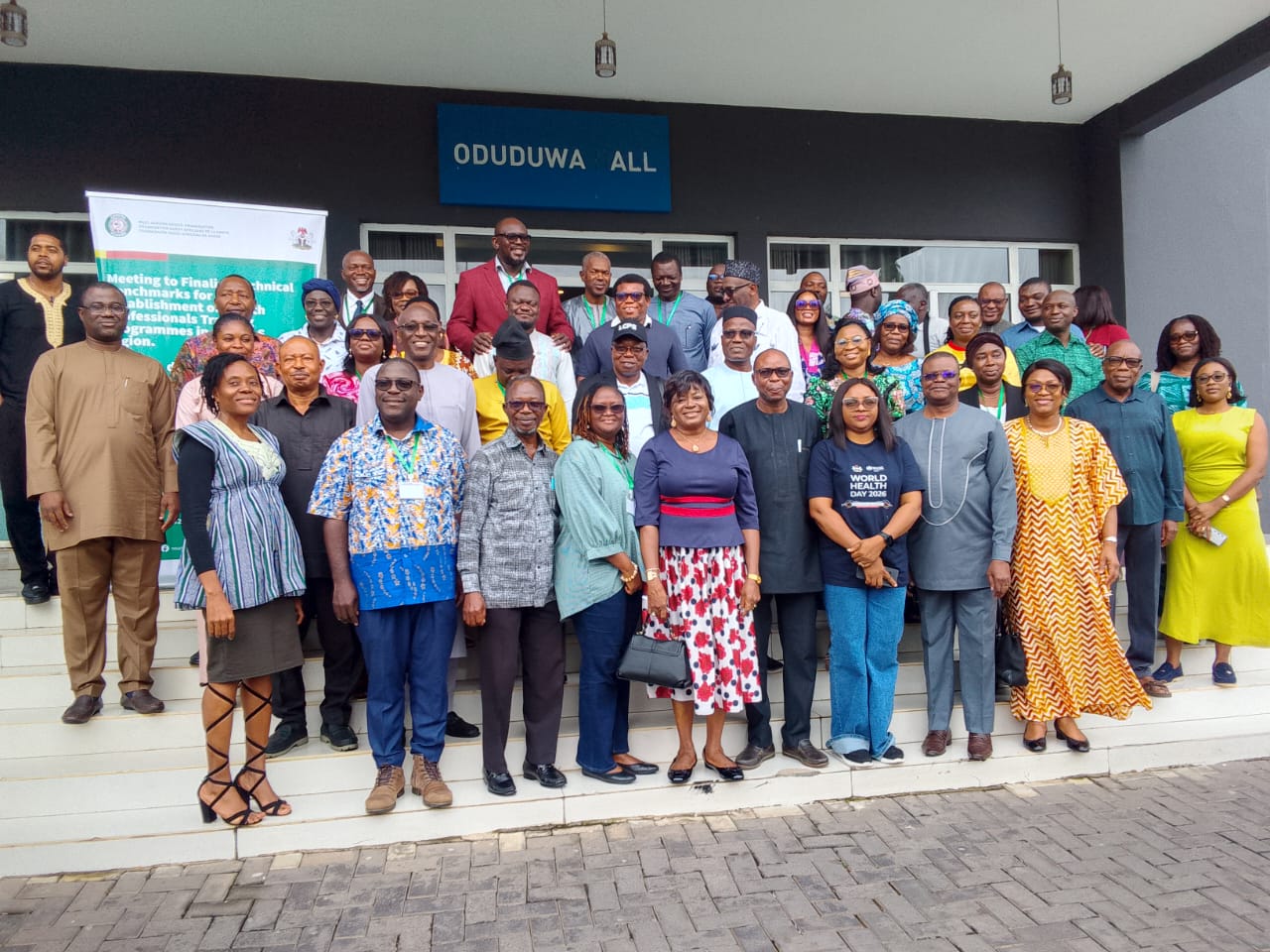
The West African Health Organisation (WAHO) has finalised a harmonised regional benchmark aimed at standardising the establishment, accreditation and operation of health sciences training institutions across member states of the Economic Community of West African States (ECOWAS).
The development was announced by WAHO’s Head of Training and Human Resources for Health, Professor Joseph Olorunda, at the end of a regional validation workshop attended by health experts and academics from across the 15-member ECOWAS bloc.
According to Olorunda, the benchmark establishes minimum requirements that health sciences training institutions must meet to obtain regional accreditation and ensure the production of competent healthcare professionals.
“The benchmark provides the minimum standards for establishing, accrediting and operating health sciences training institutions across the ECOWAS region,” He said.
He disclosed that the harmonised document had been finalised and would be published on the WAHO website after the completion of administrative procedures, enabling institutions and member states to access it for self-assessment and accreditation.
“Countries seeking regional accreditation can download the document, conduct a self-assessment and submit their applications through the approved process,” Olorunda explained.
Olorunda explained that institutions seeking WAHO’s support for the training of health professionals would be expected to comply with the standards outlined in the regional benchmark.
More than 65 health professionals and academics participated in the workshop, where participants reviewed and validated the guidelines aimed at improving the quality and consistency of health workforce training across West Africa.
Also speaking, WAHO Liaison Officer for Nigeria, Dr. Bosede Arogundade, said the initiative would promote uniform standards in health professional education and facilitate the movement of qualified healthcare workers across ECOWAS member states.
“The benchmark will harmonise the quality of health professional training across ECOWAS and support the free movement of health workers within the region,” Arogundade said.
She added that WAHO would continue working with member states to ensure the effective adoption and implementation of the new regional standards as part of efforts to strengthen healthcare systems and improve the quality of health workforce training across West Africa.
NAN


 has concluded work on a harmonised regional benchmark designed to standardise the establishment, accreditation and operation of health sciences training institutions across member states of the Economic Community of West African States (ECOWAS).)