The United Nations (UN) has highlighted renewed efforts at dialogue, regional cooperation and democratic governance across West Africa and the Sahel, while urging countries in the region to sustain investments in peace, security and development.
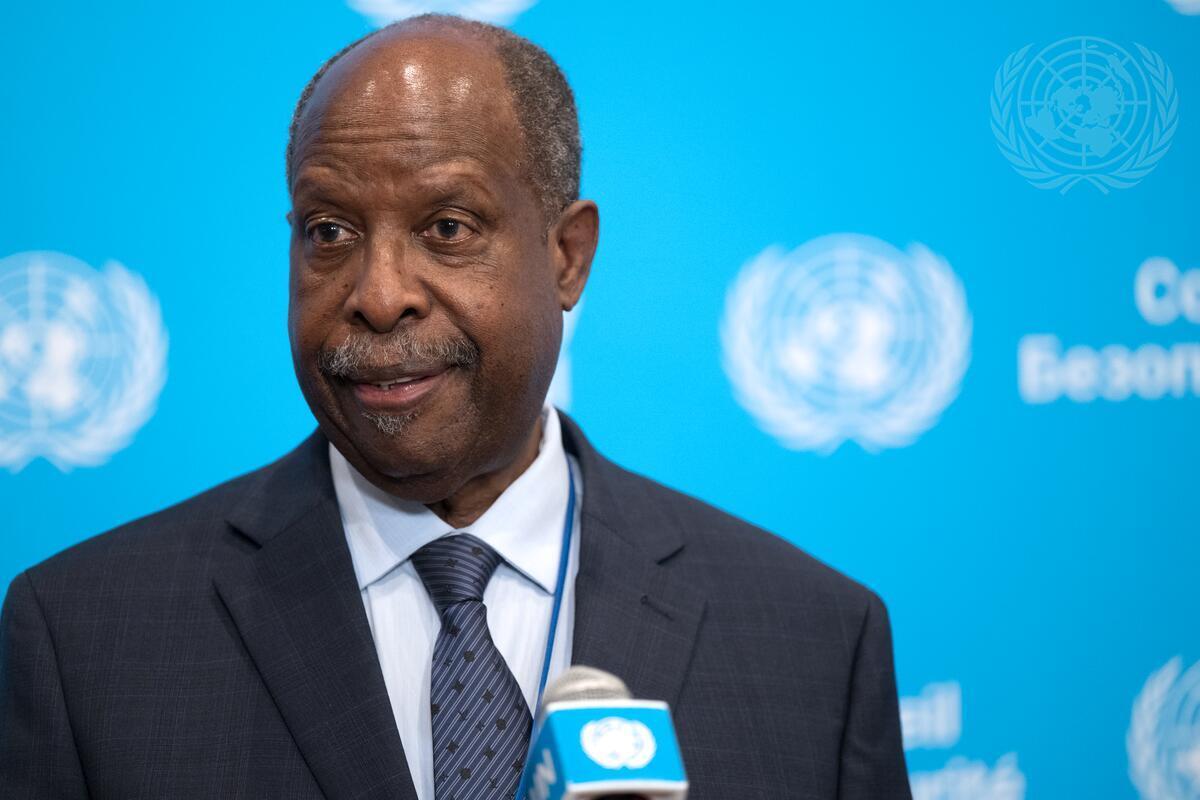
The Special Representative of the UN Secretary-General for West Africa and the Sahel (UNOWAS), Leonardo Santos Simão, made the call while presenting the latest Secretary-General’s report on the activities of the United Nations Office for West Africa and the Sahel to the UN Security Council.
The report reviewed key developments in the region, the activities of UNOWAS, the Cameroon-Nigeria Mixed Commission and the implementation of the United Nations Integrated Strategy for the Sahel.
READ ALSO: AU Condemns Coordinated Terrorist Attacks Across Mali
Addressing the Security Council, Simão highlighted three major trends shaping the region: the security situation, renewed momentum for dialogue and cooperation, and ongoing democratic developments.
Despite persistent security challenges, he noted that West Africa and the Sahel are witnessing growing efforts to strengthen dialogue and cooperation among countries.
The UN envoy welcomed consultations between the Economic Community of West African States (ECOWAS) and member countries of the Alliance of Sahel States (AES), as well as mediation initiatives undertaken by regional leaders and the African Union’s increasing role in promoting dialogue and regional cohesion.
Simão said UNOWAS remains committed to supporting initiatives that encourage cooperation and peaceful engagement among countries in the region.
He cited the reopening of the Kamba border post between Niger and Nigeria, recent diplomatic exchanges among regional states and the decision by Mali and Algeria to normalise bilateral relations as positive examples of dialogue-driven cooperation.
“These are some examples of regional efforts to promote dialogue leading to cooperation among countries in the region,” he said.
On governance, Simão noted that democratic institutions continue to make progress in several countries through peaceful elections, reforms and efforts to strengthen accountable governance.
He, however, stressed the need to sustain progress through adherence to the rule of law, respect for human rights and inclusive governance.
“Despite multiple challenges, democracy is taking root in the region,” he said.
The Special Representative also acknowledged that security concerns remain a major challenge across West Africa and the Sahel.
According to him, terrorist and other non-state armed groups continue to pose significant threats, particularly in the central Sahel and northern Nigeria, while increasingly extending their activities towards coastal states in the Gulf of Guinea.
He noted that such groups are adopting more sophisticated tactics, including the use of drones, advanced communication technologies and cryptocurrencies, while strengthening links with transnational organised crime networks.
Simão warned that the humanitarian consequences of insecurity remain severe, with millions of people displaced across the region.
He said humanitarian access remains restricted in many conflict-affected areas, while funding shortages continue to reduce the delivery of life-saving assistance.
The UN envoy added that women, children and young people continue to bear the greatest burden of insecurity, human rights violations and limited access to essential services.
He also expressed concern over attacks on schools, noting that they undermine educational opportunities and the future of affected communities.
Simão emphasised that military responses alone would not be sufficient to address the root causes of instability.
According to him, sustainable peace requires greater investment in social, economic and environmental development, alongside security measures.
He highlighted UNOWAS initiatives in water diplomacy, maritime security and youth engagement, noting that integrated approaches combining security, development and humanitarian interventions have yielded positive results in parts of the region.
The Special Representative also commended progress made by the Cameroon-Nigeria Mixed Commission in implementing the 2002 judgment of the International Court of Justice, describing it as a model of peaceful dispute resolution and regional cooperation.
“It is an example of how patient and principled engagement can transform potentially conflicting issues into a framework for cooperation,” he said.
Simão reaffirmed UNOWAS’ commitment to implementing its mandate in support of peace, constitutional governance and regional cooperation across West Africa and the Sahel.
UN