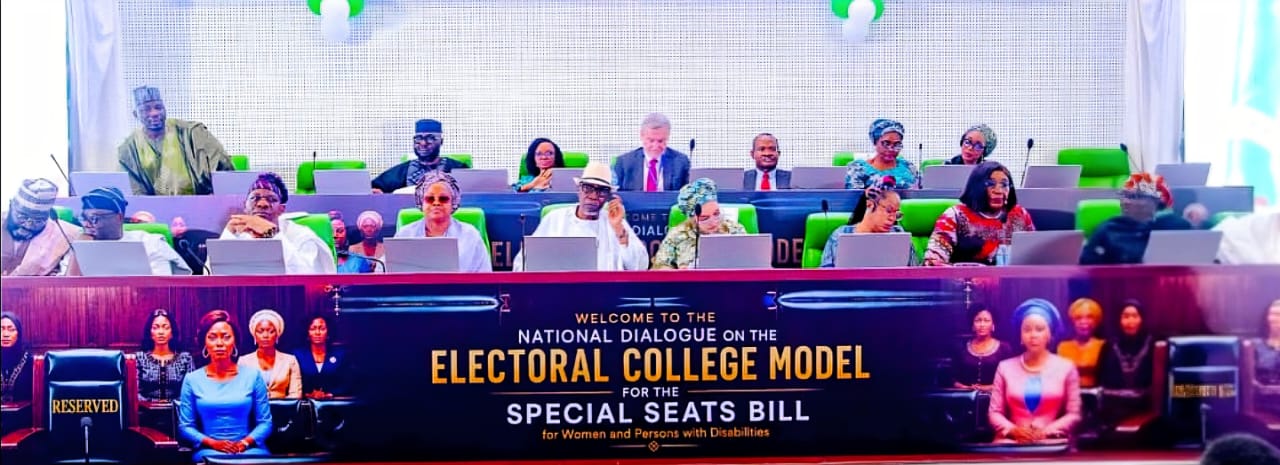
Stakeholders at the 2026 National Assembly Open Week have examined the Electoral College Model as a practical pathway for implementing the proposed Special Seats Bill.
At the National Dialogue on the Electoral College Model for the Special Seats Bill in Abuja, participants renewed calls for constitutional reforms to strengthen the representation of women and persons with disabilities. They urged sustained collaboration, stronger political commitment and robust legal safeguards to promote inclusive governance across Nigeria.
Representing the Minister of Women Affairs and Social Development, Hajiya Imaan Sulaiman-Ibrahim, the Permanent Secretary, Mrs Nko Asanye Esuabana, described the National Assembly Open Week as “a commendable milestone that underscores the legislature’s commitment to transparency, accountability and inclusive governance.”
She said sustained engagements with several All Progressives Congress governors had already produced “historic paradigm shifts”, noting that when executive political will aligns with unwavering advocacy, systemic gender gaps can be permanently dismantled.
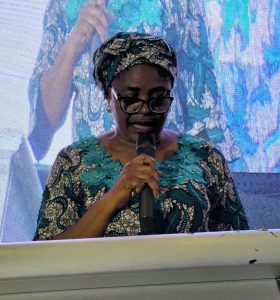
Speaking on the proposed Electoral College Model, Sulaiman-Ibrahim said the ministry regarded it “not as a setback, but as a critical and realistic step towards ending the systemic exclusion of half of Nigeria’s population from legislative decision-making.”
She stressed that the composition of the Electoral College must be protected through robust legal safeguards within the Electoral Act to prevent political domination and ensure that elected women remain directly accountable to the citizens they represent.
The Wife of the Speaker of the House of Representatives, Hajiya Fatima Abbas Tajudeen, called for greater openness to reforms that promote inclusion, fairness and effective representation.
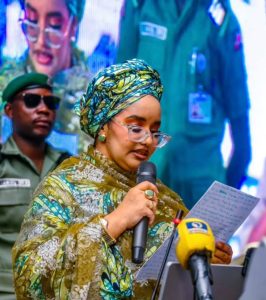
She commended the refinement of the proposal through the introduction of the Electoral College Model, describing it as an innovative approach with the potential to reduce election costs, curb the influence of money politics, broaden participation and provide a more structured and credible process for selecting representatives for the reserved seats.
Nigeria’s first female Speaker and former Speaker of the House of Representatives, Patricia Olubunmi Etteh, said the Special Seats Bill was “not about creating privilege, but about creating opportunity”.
She noted that Nigeria’s democratic journey has been one of continuous improvement and said the country’s electoral system must continue to evolve in response to changing realities.
Etteh described the Electoral College Model as a viable option worthy of careful consideration, urging evidence-based reforms guided by sound research, broad consultation and the national interest rather than sentiment.
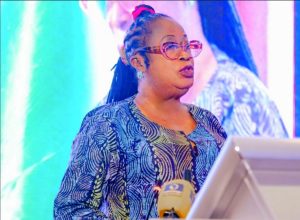
Director-General of the Maryam Babangida National Centre for Women Development, Mrs Adedayo Benjamins-Laniyi, said the Special Seats Bill and disability inclusion were “not optional additions to our democratic architecture, but foundational corrections.”
She reminded participants that everyone could eventually become a person with a disability, adding that “the structures we build today are the structures we may one day depend on ourselves”.
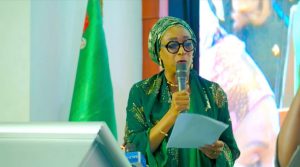
Calling for decisive legislative action, Benjamins-Laniyi urged lawmakers to approve the framework, strengthen the implementation mechanisms and pass the bill.
The dialogue concluded with a renewed commitment by government institutions, lawmakers, women leaders, development partners and disability advocates to pursue reforms that will expand inclusive representation and strengthen Nigeria’s democratic governance in line with the nation’s diversity and aspirations.