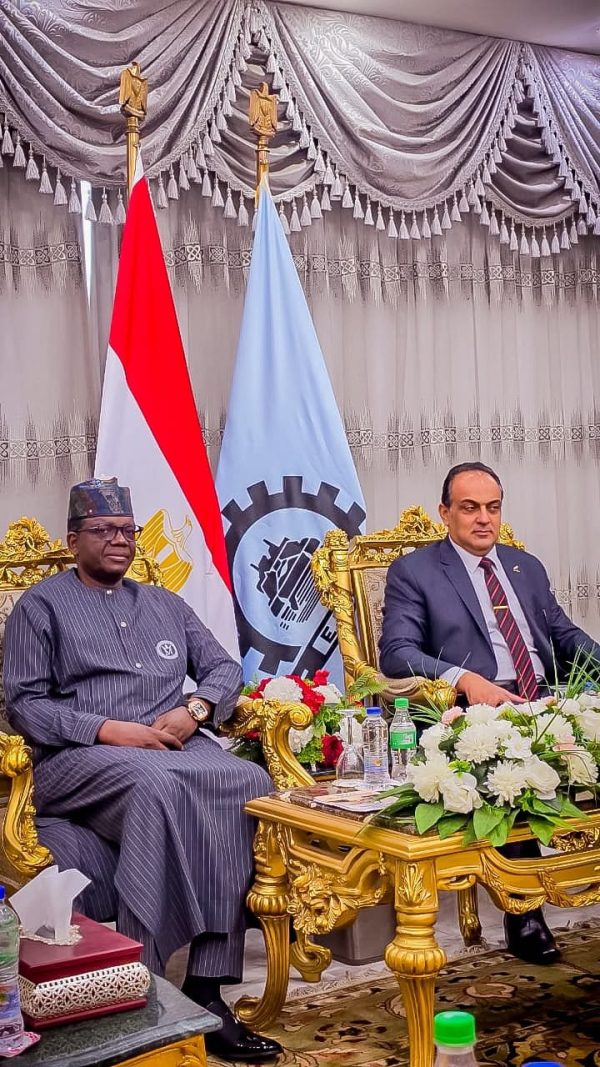
Nigeria is moving to deepen its defence relationship with Egypt through industrial cooperation focused on technology transfer, joint production and the possible establishment of an ammunition production line in the country.
The development followed a two-day high-level Nigerian defence delegation visit to Egyptian defence industry facilities led by the Minister of State for Defence, Dr Bello Muhammed Matawalle.
The delegation comprised representatives from the Ministry of Defence, Defence Headquarters, the Nigerian Army, Nigerian Navy, Nigerian Air Force, Office of the National Security Adviser, Defence Intelligence Agency and Defence Industries Corporation of Nigeria (DICON).
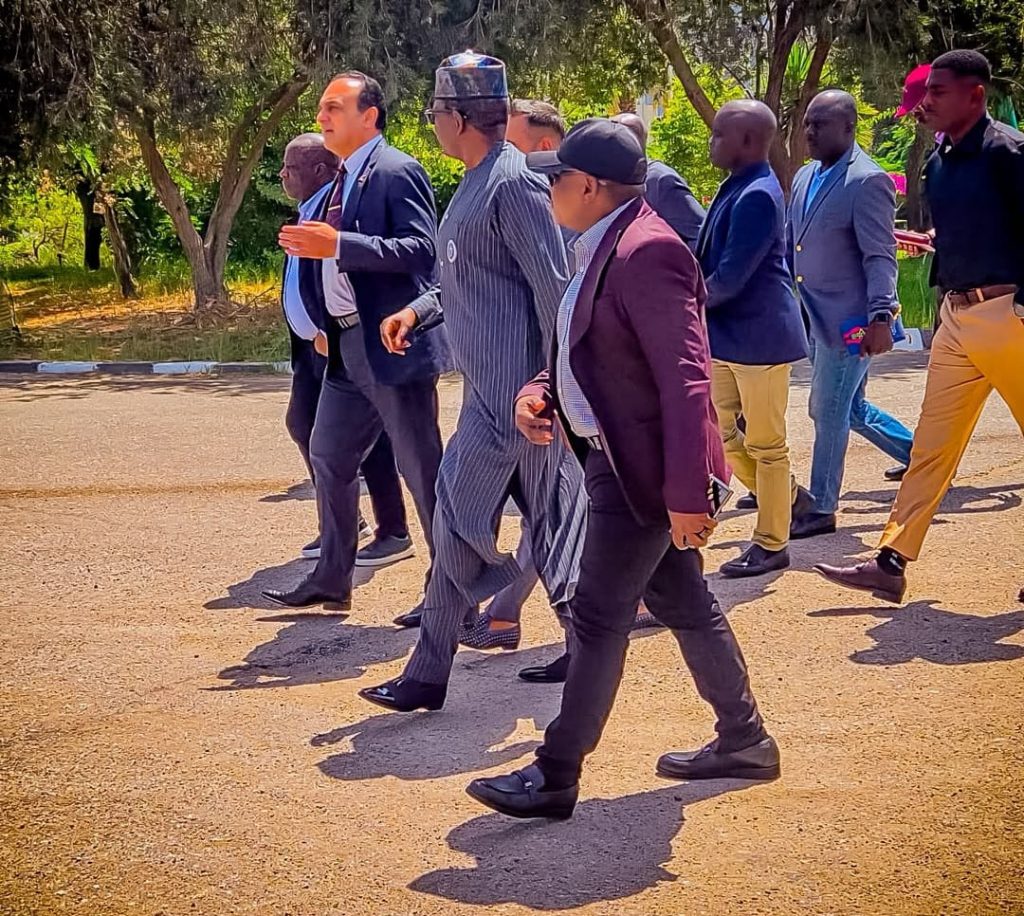
The Ministry of Defence said; “the visit aimed at advancing sustainable industrial cooperation rather than immediate equipment procurement.”
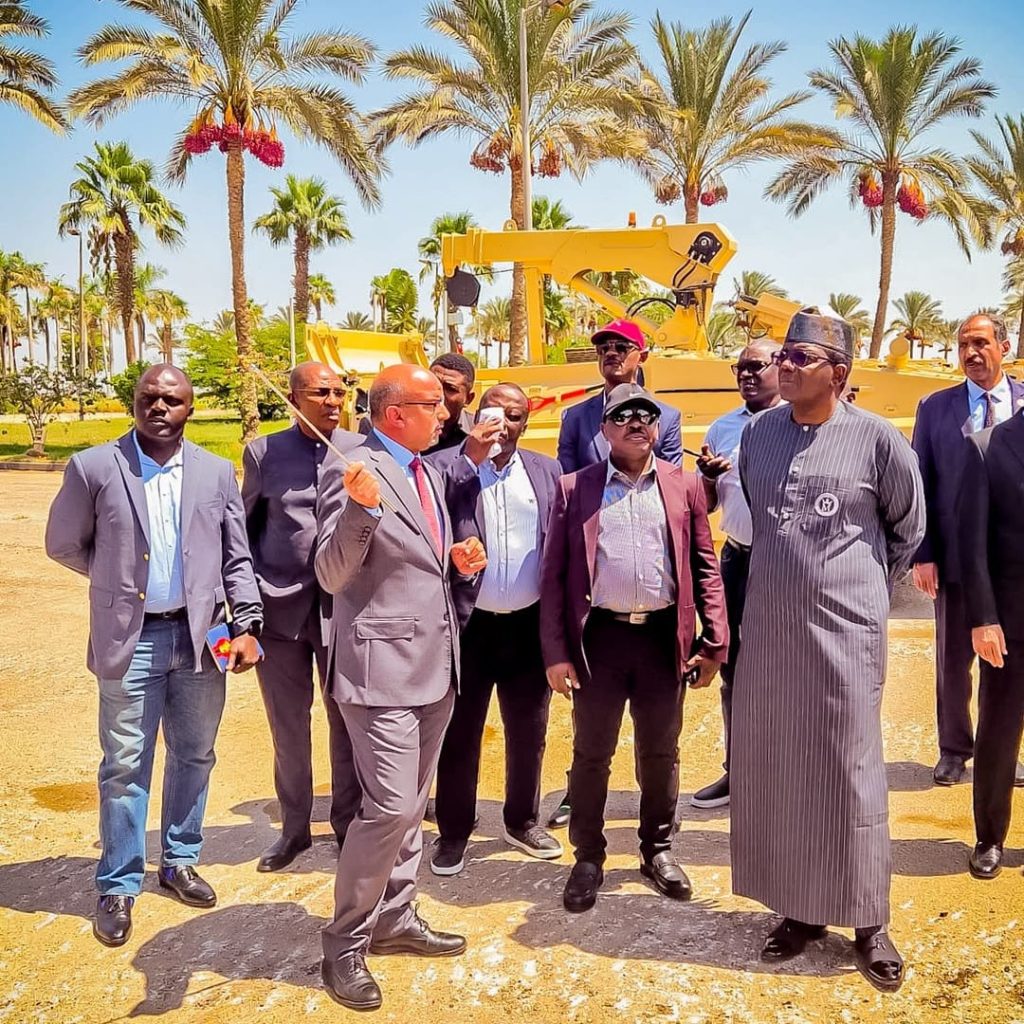
The delegation focused on identifying areas where Egypt’s defence manufacturing experience could support Nigeria’s efforts to expand indigenous production capacity.
At Eagle International for Defence Systems Company in Suez, the delegation examined locally manufactured defence systems and industrial processes as part of efforts to assess Egypt’s experience in developing domestic defence production capabilities.
The engagement also opened discussions on possible collaboration with DICON for the joint manufacture of selected military equipment and systems.
The proposed cooperation is expected to facilitate the transfer of industrial knowledge and specialised expertise to Nigeria while strengthening local content and technical capacity.
Rather than relying mainly on overseas procurement, the initiative seeks to establish sustainable production capabilities that can support the Nigerian Armed Forces over the long term.
The second phase of the engagement in Cairo focused on ammunition production, one of the key requirements for achieving greater military self-reliance.
Discussions with the Egyptian Ministry of Military Production centred on the possibility of establishing an ammunition production line in Nigeria through structured technical and industrial cooperation.
Both sides expressed interest in advancing the proposal and developing formal agreements to provide an institutional framework for its implementation.
If realised, the initiative could reduce Nigeria’s dependence on external sources for critical military supplies while strengthening the resilience of its defence supply chain.
Dr Matawalle described the engagement as strategic and developmental, reflecting the Nigerian Government’s broader objective of building a modern military-industrial complex capable of supporting national defence requirements while promoting technological and economic development.
The initiative is also in line with Nigeria’s wider drive towards defence industrialisation, particularly as the Armed Forces continue to face security challenges requiring reliable access to equipment, ammunition, maintenance capabilities and specialised technologies.
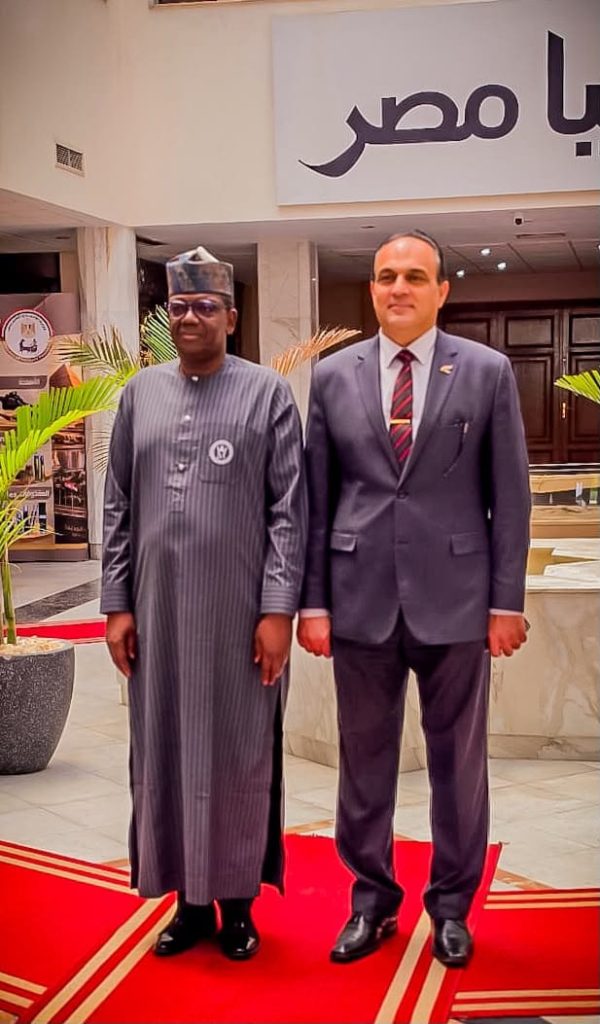
The composition of the delegation, which included the major military services and key national security institutions alongside DICON, further underscores the breadth of the industrial and security agenda being pursued through the Egyptian engagement.
The Ministry of Defence said “the areas of cooperation identified during the visit are expected to lead to further engagements aimed at developing concrete frameworks for technology and knowledge transfer, bilateral defence cooperation and a more self-reliant Nigerian defence industrial base.”