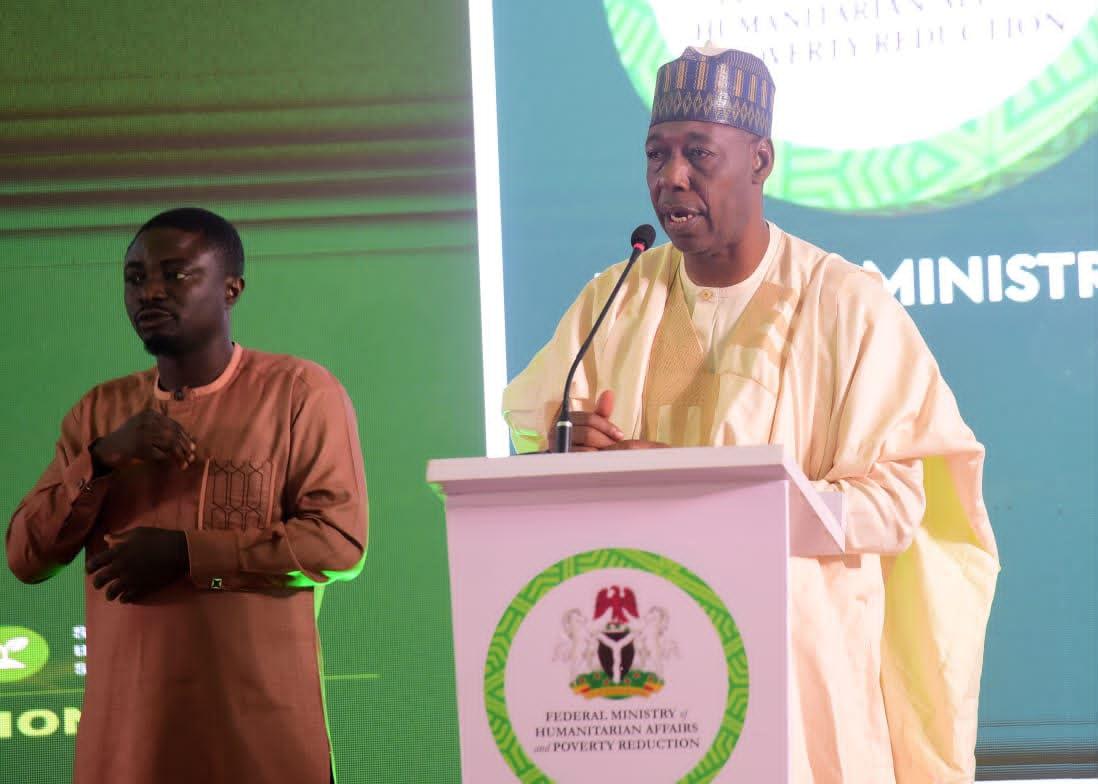
Borno State Governor, Babagana Zulum, has called for transparent, inclusive and fair implementation of the Federal Government’s $1 billion Household Prosperity and Empowerment Social Protection Programme, HOPE-SP.
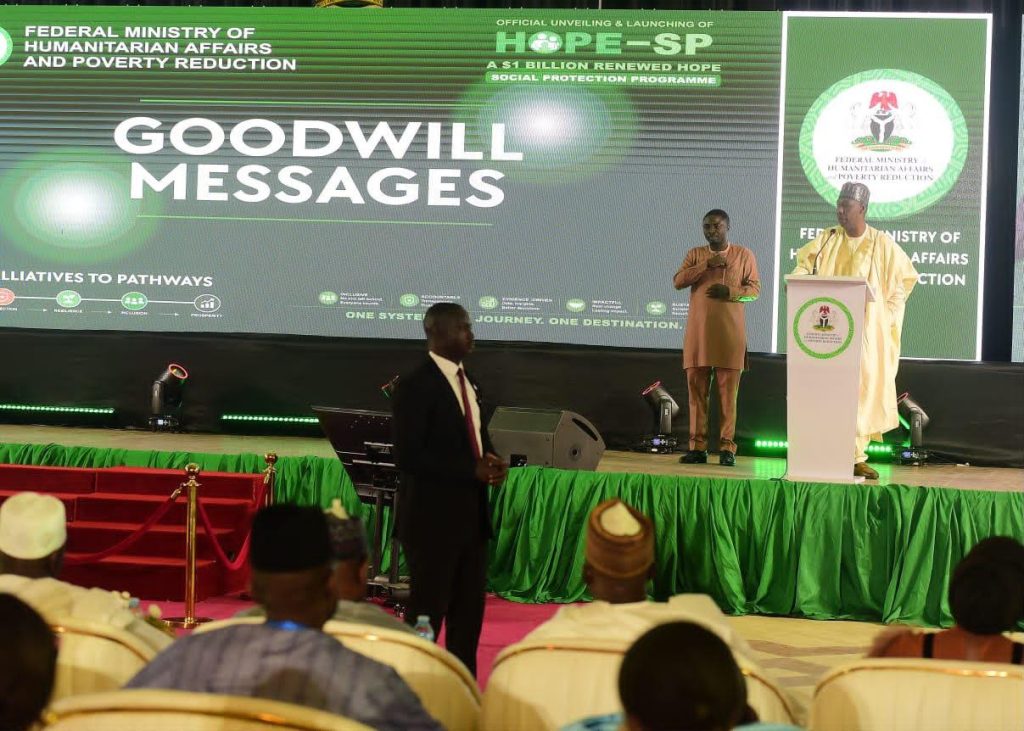
Governor Zulum made the call at the official launch of the programme organised by the Federal Ministry of Humanitarian Affairs and Poverty Reduction and themed, “From Palliative to Pathways.”
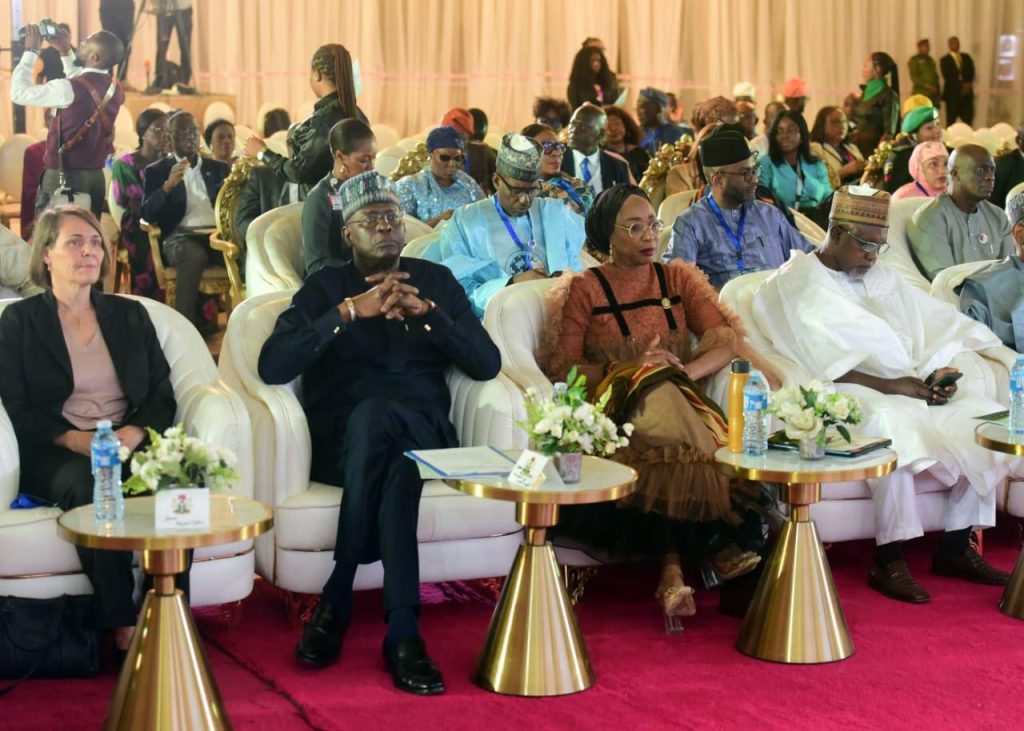
The programme was unveiled by Nigeria’s First Lady, Senator Oluremi Tinubu, at the Banquet Hall of the State House, Abuja.
Speaking on the initiative, Governor Zulum commended President Bola Ahmed Tinubu for introducing the programme, describing it as an important intervention capable of addressing some of the socio-economic conditions contributing to insecurity and insurgency in Nigeria.
The governor stressed that poverty, illiteracy and social inequality remain major drivers of insecurity in many parts of the world, including Nigeria.
READ ALSO: Borno Governor Commissions Three Major Health Projects In Monguno
He maintained that military action alone would not be sufficient to bring an end to insurgency, noting that the socio-economic and political dimensions of insecurity must also be addressed.
“The kinetic measures alone will not end the insurgency. Addressing the socio-economic and political dimensions of the crisis is critical to addressing insecurity challenges in Nigeria,” Zulum said.
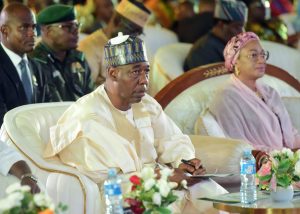
The Borno governor assured the Federal Government of the support of subnational governments towards the successful implementation of the programme.
Challenges
However, he identified poor implementation, particularly weaknesses in beneficiary selection, as one of the major challenges that could undermine social intervention programmes.
Zulum therefore urged the Federal Ministry of Humanitarian Affairs and Poverty Reduction and the implementing agencies to adopt clearly defined vulnerability criteria in selecting beneficiaries.
He said such criteria would promote transparency, inclusivity and fairness, while ensuring that assistance reaches Nigerians who genuinely need it.
“I want to call upon the Ministry of Humanitarian Affairs to ensure that targeted beneficiaries are selected based on certain vulnerability criteria that will ensure inclusivity,” he said.