The Nigerian government and stakeholders have called for urgent action to bridge the gap between gender-based violence (GBV) policies and their implementation, particularly in rural, underserved and hard-to-reach communities where women and girls remain vulnerable.
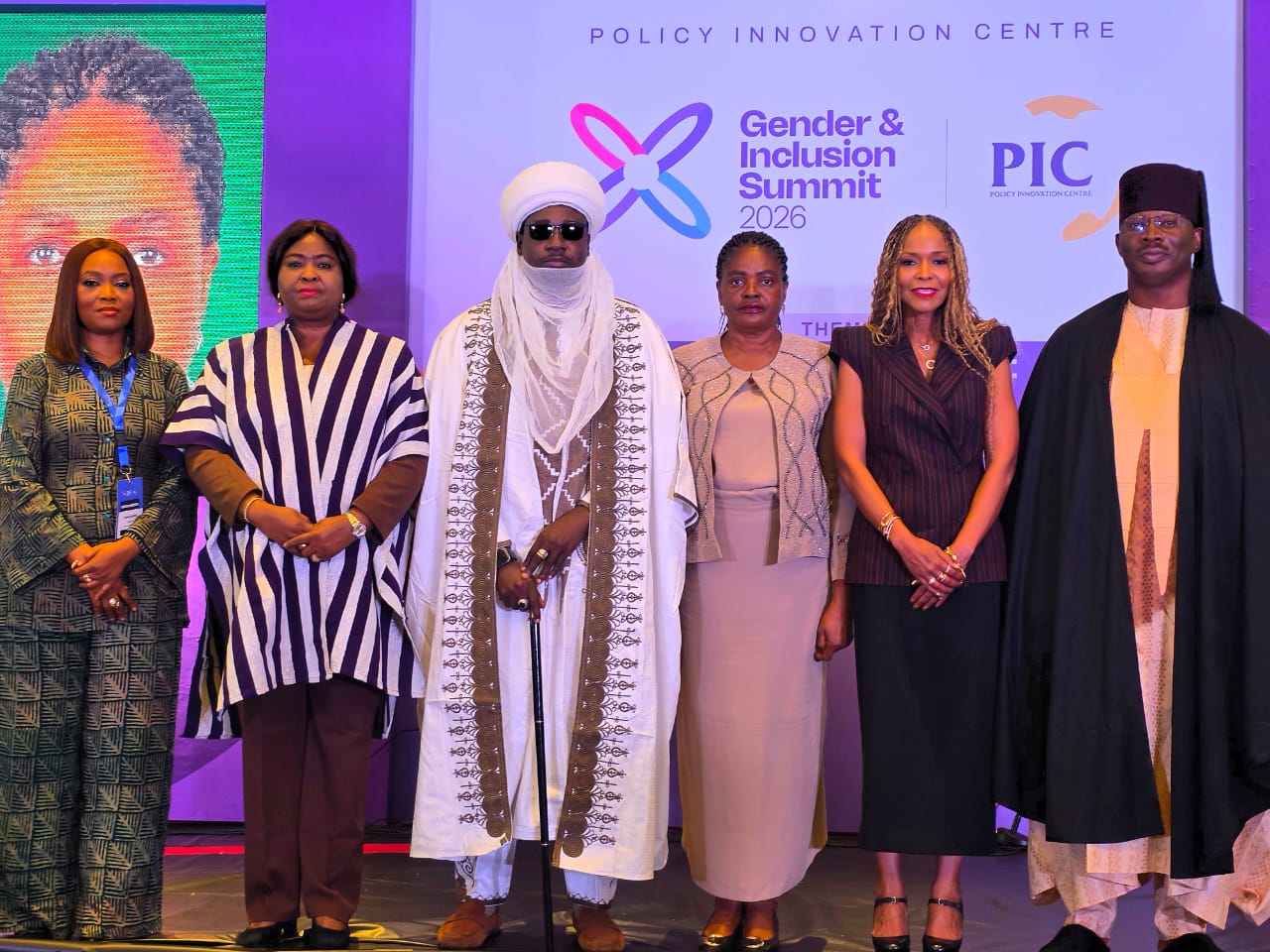
The Permanent Secretary, Federal Ministry of Women Affairs and Social Development, Mrs Esuabana Nko Asanye, made the call at a high-level GBV forum organised by the Policy Innovation Centre during the 2026 Gender and Inclusion Summit (GS-26) in Abuja.
Asanye said Nigeria’s response to GBV must be anchored on effective policy implementation, inter-institutional coordination and survivor-centred accountability.
“A policy statement on paper offers no shelter from harm unless backed by operational tools, reliable funding and robust local infrastructure,” she said.
She said the Ministry’s social policy reforms under the Renewed Hope Social Impact Intervention (RHSII 774) covered women, children, families and vulnerable persons, including the National Boy Child Policy 2026.
According to her, positively shaping boys to value dignity, equality, empathy and respect was critical to preventing violence.
She stressed that protecting women and girls and engaging boys were complementary pathways to building safer families and communities.
Asanye identified stronger inter-agency coordination and institutionalised data and accountability as key priorities, calling for closer collaboration among health, justice, law enforcement and social protection agencies, as well as sub-national governments.
She also advocated functional referral pathways, decentralised emergency shelters, legal aid and psychosocial support, while urging stronger measures to protect survivors from secondary victimisation and ensure swift legal consequences for perpetrators.

Representing UN Women and the ECOWAS Country Representative, Ms Beatrice Eyong, Programme Specialist, Mrs Patience Ekeoba, said GBV remained a major barrier to development, with women and girls facing violence both offline and online.
Ekeoba said the true measure of policy success was its impact on women beyond urban centres.
“The real test of our policies and programmes is not what happens in Abuja, but whether they reach the woman who has never entered this room,” she said.
She cited child marriage, female genital mutilation and harmful practices such as the “money wife” tradition as evidence of persistent social norms requiring sustained community engagement and policy action.
Ekeoba said violence against women also carried significant economic costs, noting that intimate partner violence reduced women’s labour-market participation and productivity.

The founder of the Women at Risk International Foundation (WARIF), Dr Kemi DaSilva-Ibru, said GBV must be treated as a lived reality rather than an abstract policy issue or statistic.
DaSilva-Ibru said Nigeria had recorded progress through the Violence Against Persons Prohibition Act, state-level domestication, Sexual Assault Referral Centres and helplines, but warned that the gains remained fragile.
She identified declining awareness of GBV laws and inadequate financing as challenges requiring sustained commitment, stressing that economic dependence, harmful social norms and impunity continued to trap survivors in abusive situations.
She urged participants to move beyond dialogue and commit to practical actions that would strengthen prevention, protection, access to justice and economic opportunities for survivors.
The forum, themed “From Agenda to Action: Making Innovations Count for the Last Mile,” emphasised the need for laws, policies and innovations to translate into measurable protection and justice for vulnerable Nigerians.