The National Universities Commission (NUC) has tasked Nigerian universities with producing competent, employable and morally responsible graduates to improve the quality of university education and enhance the country’s global competitiveness.
The commission identified quality assurance, relevant curricula, character development and stronger collaboration with industry as essential to achieving this goal.
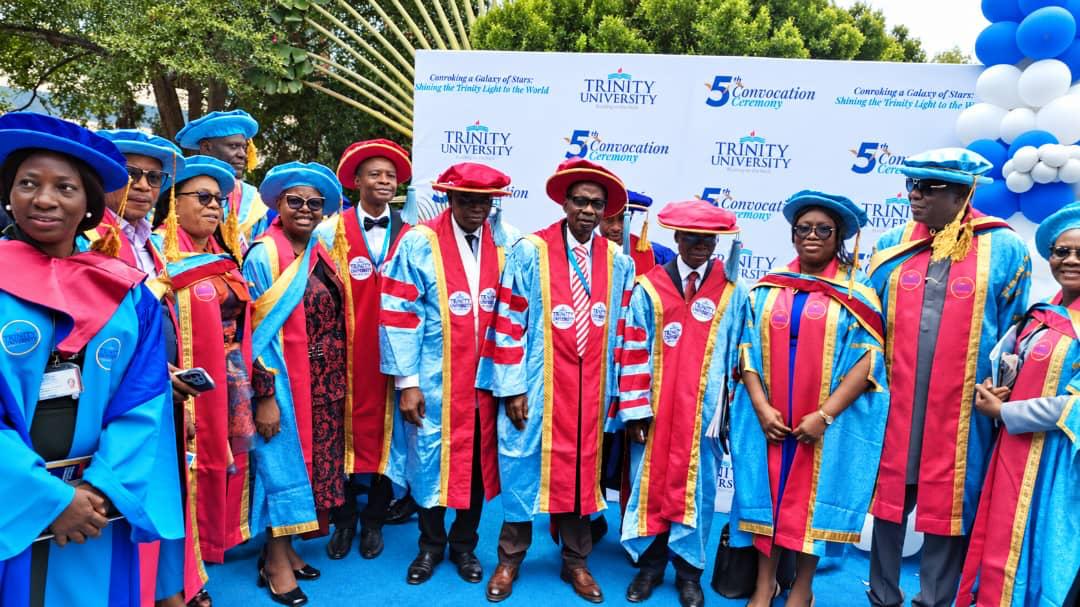
The Executive Secretary of the commission, Professor Abdullahi Ribadu, represented by a Deputy Director, Dr Ayoteju Ogun, made this known at the fifth convocation ceremony of Trinity University in Lagos State.
He said the true worth of a university should be measured by the quality of minds it develops, the character it nurtures, the knowledge it advances and the solutions its graduates provide to the society.
 Professor Ribadu described the convocation theme, “Convoking a Galaxy of Stars: Shining the Trinity Light to the World,” as a call to responsibility.
READ ALSO: NUC, World Bank Seal $65m Deal for Nigerian Universities
According to him, the light of a university shines brighter when its graduates distinguish themselves through knowledge, integrity, innovation and service to humanity.
He said the NUC remained committed to improving the quality, relevance and global competitiveness of Nigerian universities through minimum academic standards, programme accreditation and continuous quality improvement.
The Executive Secretary explained that quality assurance must go beyond compliance with regulatory requirements and become an enduring institutional culture reflected in effective teaching, credible assessment and relevant curricula.

He also highlighted the importance of collaboration among universities, industries and other stakeholders in improving graduate employability, promoting entrepreneurship and transforming research findings into practical solutions.
“As technology evolves, institutions must equip graduates with the knowledge, adaptability, critical thinking and ethical judgement required to navigate change and contribute meaningfully to national development,” he said.
Professor Ribadu assured the university community that the Commission would continue to work with institutions and relevant stakeholders to advance its priorities.
Addressing the graduating students, he said obtaining a degree is an important achievement, but its value would ultimately depend on how they use the opportunities it provides.
He advised them to apply their education to solving problems, creating opportunities, developing solutions and improving lives.
The Vice-Chancellor of Trinity University, Professor Clement Kolawole, said the institution places character development and good morals alongside academic performance in determining students’ eligibility for graduation.
Professor Kolawole highlighted that the university had withheld a student from graduation over character-related concerns, maintaining that academic achievement alone should not qualify a student for a degree.
He explained that effective character assessment in tertiary institutions could contribute to addressing corruption, indiscipline and other forms of misconduct in the country.
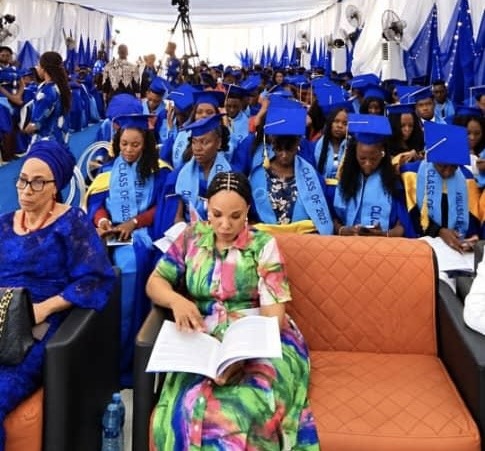
A total of 323 students from three faculties received degrees and prizes during the ceremony, with 79 of them graduating with First-Class honours.