Nigeria is targeting $7 million in support for its National Neglected Tropical Diseases (NTDs) Programme in 2027, following plans to mobilise $1 million in domestic counterpart funding from government sources.
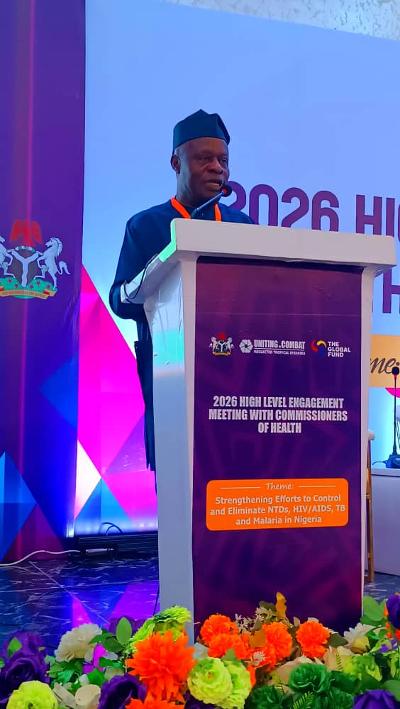
The Minister of State for Health and Social Welfare, Dr Iziaq Salako, disclosed this at the 2026 Annual High-Level Advocacy Meeting on Neglected Tropical Diseases in Abuja, where he called on state governments to increase domestic funding for disease control and elimination.
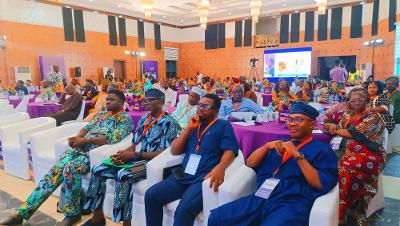
The meeting, held from October 28 to 29 under the theme, “Translating Commitments into Budgetary Action,” brought together state commissioners of health, government officials, development partners and implementing organisations to discuss sustainable financing for NTD interventions.
READ ALSO: Nigeria Begins 2027 Budget Process, Targets December Submission
Represented by the Director of Public Health at the Federal Ministry of Health and Social Welfare, Dr Charles Nzelu, Salako described NTDs as a major public health and development challenge that disproportionately affects poor, vulnerable and underserved communities.
He noted that the diseases contribute to disability, reduced productivity, educational setbacks, stigma and economic hardship, stressing that eliminating them was essential to Nigeria’s poverty-reduction efforts and sustainable development goals.
The minister acknowledged progress achieved through collaboration among federal and state governments, healthcare workers, communities and development partners but emphasised that sustaining the gains would require stronger government ownership, increased domestic investment and improved implementation of NTD programmes.
He commended states that had established dedicated budget lines for NTD interventions, noting, however, that budgetary provisions must translate into actual allocations, timely releases and effective utilisation of funds.
Salako urged state commissioners of health to prioritise NTD interventions in their 2027 budgets and Annual Operational Plans, while encouraging states without dedicated budget lines to establish them during the ongoing planning and budgeting cycle.
“Nigeria’s objective should go beyond meeting counterpart-funding requirements to attract donor support, towards building a sustainable domestic financing system for disease control and elimination”.
Speaking on progress in NTD control, the National Coordinator for Neglected Tropical Diseases in the Department of Public Health, Mr Adebayo Peters, highlighted achievements in reducing the burden of diseases such as trachoma, lymphatic filariasis and onchocerciasis.
Peters explained that while some NTDs could be treated with medicines, others required prolonged medical management because of their lasting physical effects.
He attributed the progress recorded to government commitment and collaboration with international organisations, including the World Health Organization, as well as implementing partners.
“Medicines for several NTD interventions were donated and provided to patients free of charge, the ministry and its partners were addressing logistical challenges associated with the clearance and distribution of medicines.
On snakebite management, Peters disclosed that the Nigeria government committed more than ₦450 million to the procurement of antivenoms in the previous year.
Also speaking, the Chairman of the House of Representatives Committee on Health Institutions, Honourable Amos Magaji, called for increased funding, stronger inter-agency collaboration and improved primary healthcare services to accelerate NTD elimination.
Magaji emphasised the need for coordinated action among the Federal Ministry of Health and Social Welfare, state governments, the National Assembly and other stakeholders, noting that collaboration would strengthen the national response.
He acknowledged challenges associated with inadequate budget releases in previous years but said efforts were underway to strengthen funding commitments through cooperation between the legislature and the executive.