


The Federal Capital Territory Administration (FCTA) is seeking to attract up to 1.5 billion dollars in private sector investment to transform Abuja’s public transport system, improve energy infrastructure and strengthen waste management.
The administration disclosed that it had received two major private sector investment proposals targeting electric mobility and waste management as part of efforts to promote climate-resilient infrastructure and sustainable urban development.
The proposals were presented on Thursday, 5 November 2026, at the FCT Post-COP30 Investment Roundtable in Abuja, held under the theme, “Mobilising Investment for Green Infrastructure and Sustainable E-Mobility in the FCT”.
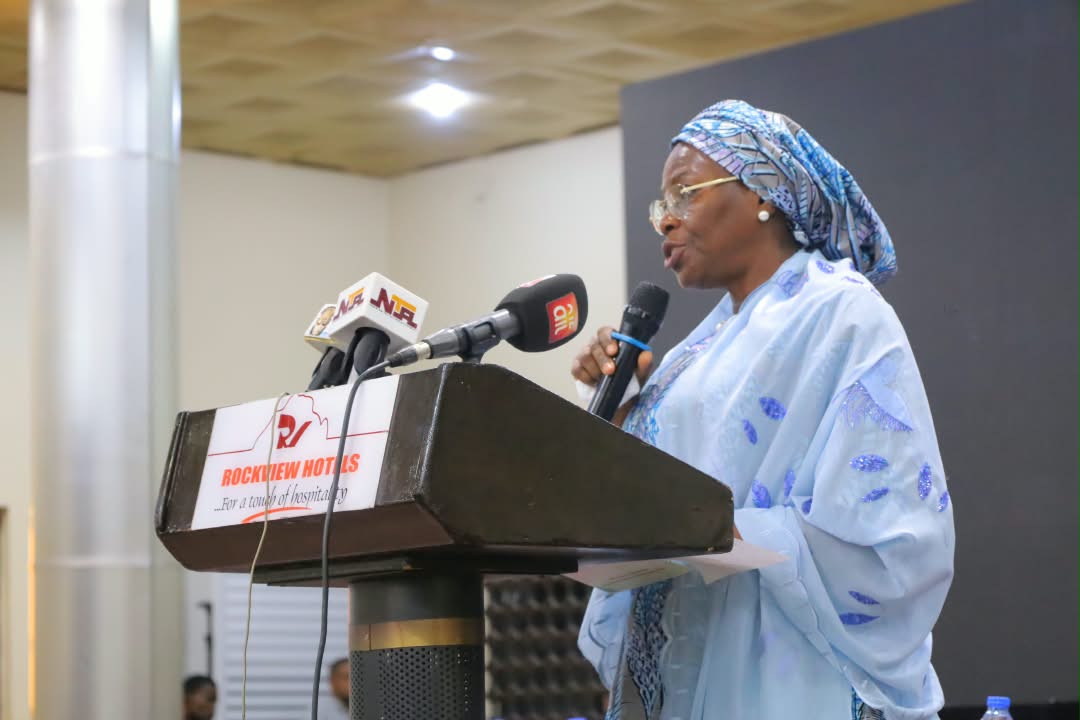
Delivering the keynote address on behalf of the FCT Minister, Nyesom Wike, the Acting Head of Service, Mrs Nancy Sabanti Nathan, said the rapid expansion of the nation’s capital had placed considerable pressure on existing infrastructure.
She explained that population growth and increasing urban activities had heightened the demand for efficient public transport, cleaner energy solutions and climate-resilient infrastructure.
Highlighting the investment proposals, Mrs Nathan disclosed that Magnifique Integrated Concept Limited and its consortium partners had submitted an integrated e-mobility proposal valued at approximately 1.5 billion dollars.
The proposed project is expected to cover electric mass transit fleets, cleaner vehicle technologies, charging infrastructure, supporting energy systems and digital transport services across the FCT.
She also announced a second proposal by Hallmark Technologies and General Services Limited, which focuses on converting municipal waste into valuable resources through waste-to-wealth initiatives.
Speaking with journalists on the sidelines of the roundtable, Mrs Nathan expressed concern over the environmental impact of ageing vehicles operating on roads across the territory, linking vehicular emissions to the environmental challenges facing the capital.
She said the proposed initiatives were designed to deliver practical benefits to residents rather than remain policy discussions, particularly in addressing transportation difficulties and environmental pollution.
According to her, the proposed transition to cleaner public transport would target high-density areas experiencing severe traffic congestion, with the introduction of compressed natural gas (CNG) and electric buses to improve commuter mobility.
She added that transport operators would be encouraged to deploy smart tracking technologies in public vehicles to address the menace of ‘one-chance’ crimes and improve passenger safety.
On waste management, Mrs Nathan said the proposed intervention by Hallmark Technologies and General Services Limited would include the production of bio-compost to support agricultural activities in farming communities across the FCT.
She further disclosed that the administration was planning public awareness campaigns to educate residents on protecting the proposed green infrastructure, stressing that community participation would be essential to preventing vandalism and ensuring sustainability.
The Acting Head of Service also said the FCTA planned to showcase its investment-ready project portfolios at a dedicated side event during COP31.
In a related development, the Economic Planning, Revenue Generation and Public-Private Partnership Secretariat reaffirmed the administration’s commitment to developing commercially viable, transparent and legally compliant public-private partnership arrangements.
The Secretariat said all proposed investments, including the 1.5-billion-dollar e-mobility project, would undergo rigorous technical and financial feasibility assessments, appropriate risk allocation and regulatory scrutiny to safeguard public interest.
Earlier, the Chairman of the FCT Green Bond Committee and Permanent Secretary, Treasury and Budget Department, Mr Adamu Ibrahim Wanki, said the roundtable was convened to build on the momentum generated by the FCT’s participation at COP30 in Belém, Brazil.
He explained that the committee was working to translate expressions of interest into concrete and bankable investment projects.
Mr Wanki urged development finance institutions, private investors and regulatory agencies to establish clear implementation timelines, define institutional responsibilities and agree on financing arrangements to accelerate project development.
In a goodwill message delivered on behalf of the Director-General of the National Council on Climate Change (NCCC), Mrs Omotayo Newe Majeekodumi, the Head of Climate Finance at the council, Ms Benny Ejiofor, said Nigeria’s third Nationally Determined Contribution (NDC 3.0) outlined a national climate financing target of 337 billion dollars between 2026 and 2035.
She commended the FCTA for demonstrating subnational leadership in climate action, noting that the success of such initiatives would depend on translating policy commitments into investment-ready projects and securing actual financing.
Ms Ejiofor reaffirmed the council’s readiness to support the FCT through blended finance arrangements, green bond instruments and concessional climate financing to promote climate-smart urban development.
A communiqué issued at the end of the roundtable stated that the meeting was organised to provide a platform for government institutions, financial organisations, development partners, private investors and project developers to explore investment opportunities and mobilise financial and technical resources for green infrastructure and sustainable e-mobility in the FCT.
Presenting the communiqué, the Secretary of the FCT E-Mobility Implementation Committee, Dr Uwem Useh, said the meeting provided an opportunity to explore practical approaches to developing bankable projects in electric mobility, renewable energy, waste management, waste-to-energy and climate-resilient infrastructure.
The communiqué also highlighted the need for appropriate regulatory frameworks, operational incentives and innovative risk-sharing mechanisms to attract private sector participation in green transport investments.
Presentations at the roundtable further examined circular economy solutions, including waste sorting, recycling, composting and waste-to-energy generation.
Participants identified inadequate waste collection systems, poor waste segregation and funding constraints as major challenges requiring private sector participation, improved logistics and investment in material recovery infrastructure.

In a vote of thanks, the Secretary of the FCT Green Bond Committee, Mr Obiora Ekueme, expressed appreciation to the FCT Minister, Nyesom Wike, for his leadership and approval of the investment roundtable.
He also acknowledged the contributions of development partners, financial and regulatory institutions, investors and other stakeholders.
Mr Ekueme urged participants to move beyond discussions and translate the commitments arising from COP30 into tangible investments and measurable development outcomes for the Federal Capital Territory.

