


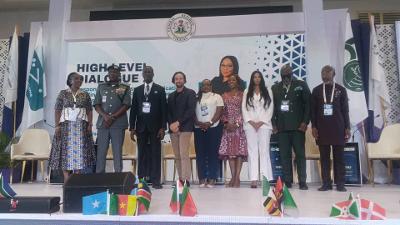
The Minister of Finance and Coordinating Minister of the Economy of Nigeria, Taiwo Oyedele, has urged African governments to prioritise public trust, strengthen institutional accountability and ensure that economic reforms deliver measurable improvements in the lives of citizens.
While addressing the 2026 World Public Relations Forum in Abuja, the Minister said economic reforms could not succeed without public confidence and credible communication.
He argued that trust influenced investment decisions, tax compliance, business planning and citizens’ willingness to accept difficult economic policies.
“As Minister of Finance, I spend much of my time thinking about currencies, how we earn them, how we manage them, and what gives them value. But today, I want to speak to you about the one that sits beneath all the other currencies. And that currency is trust,” he said.

The minister cautioned that government could not rely on public relations campaigns to compensate for poor performance, broken promises or ineffective institutions.
READ ALSO: African Leaders Unite to Combat 50m Unit Housing Crisis
“Communication can explain performance and make it visible. But performance must come first,” he stressed.
He added that declining public confidence could undermine even well-designed policies, making government explanations appear unconvincing and increasing resistance to economic reforms.
The finance minister also expressed concern about misinformation surrounding the Federal Government’s tax reforms.
“If we reform taxation, we must explain clearly who pays, who is exempt, how compliance works, and where to seek redress. And we must do it before the rumour travels far and wide,” he said.
“Falling inflation does not mean falling prices. It means prices are rising more slowly than before,” he explained.
While speaking, the Comptroller-General of the Nigeria Customs Service (NCS), Dr Bashir Adeniyi, re-echoed Oyedele’s position, saying institutional credibility depended on citizens’ experiences rather than official statements.
Adeniyi said Customs had learnt that reforms could encounter resistance when stakeholders received insufficient information before implementation.
He cited the introduction of B’Odogwu, the service’s indigenous technology platform, as an example of how early engagement helped secure public acceptance.
Adeniyi explained that Customs organised stakeholder sessions, established help desks and introduced the platform gradually across its commands.
He also emphasised the importance of preparing frontline officers to explain new procedures to customers.
“If the officer at the terminal cannot explain a new process with confidence, no press release will save you. Your staff are your loudest messengers, whether you prepare them or not,” he said.
The Customs chief disclosed that B’Odogwu was fully operational and received recognition from the African Continental Free Trade Area (AfCFTA) Secretariat in August 2026 as a model for other African countries.
The initiative rewards businesses that meet established security and operational standards with faster cargo clearance.
“A kept promise and a visible result. That is the communication that changes behaviour,” Adeniyi stated.
The 2026 World Public Relations Forum brought together communication professionals, policymakers, diplomats, business leaders and other stakeholders to examine the role of responsible communication in strengthening public confidence, institutional credibility and national development.

