



The Nigerian Port Economic Regulatory Agency (NPERA) has commenced the implementation of its enabling law, with plans to address high port charges, poor service delivery, and other bottlenecks increasing the cost of doing business in Nigeria’s maritime sector.
The agency, which is transitioning from the Nigerian Shippers’ Council into a full-fledged regulatory institution, is also working towards achieving financial sustainability and establishing the institutional structures required to discharge its statutory responsibilities.
The Director-General of NPERA, Dr Pius Akutah, stated this at the opening of a three-day strategic management brainstorming programme for the agency’s directors, deputy directors and assistant directors in Lagos.
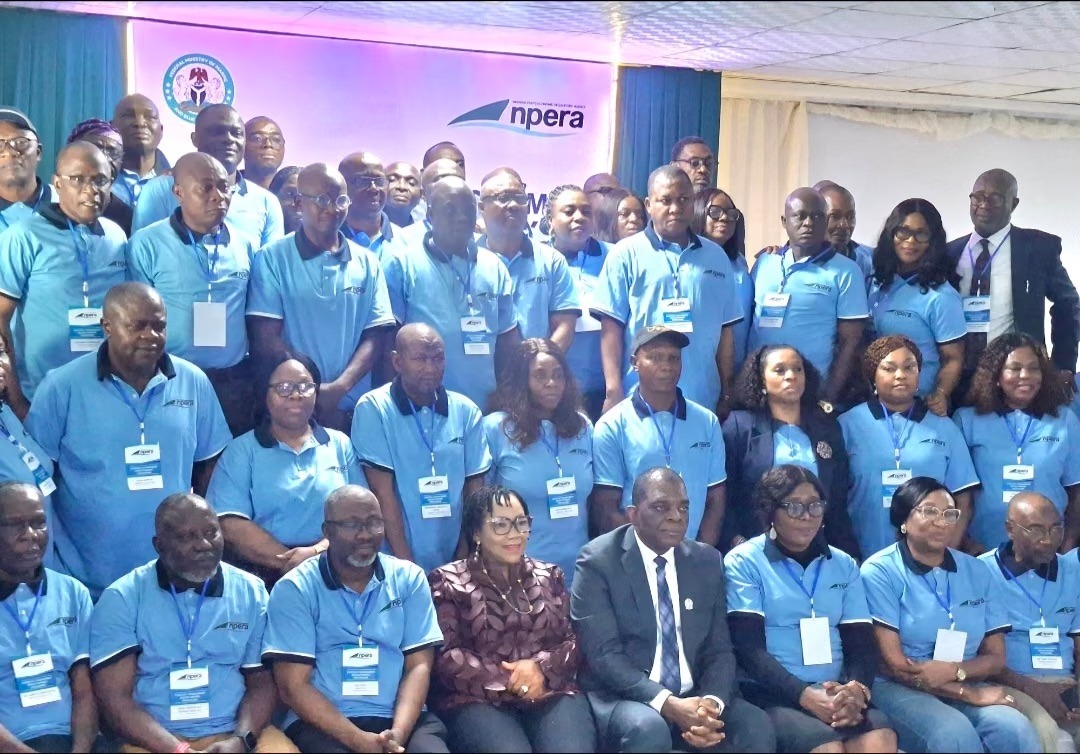
Akutah identified financial sustainability, prevention of regulatory gaps, protection of industry interests, stakeholder confidence and the establishment of a clear regulatory framework as key priorities in the transition process.
He said, “The transition required deliberate planning to ensure that the agency was adequately positioned to enforce its mandate, communicate regulatory expectations to industry operators and establish the legal, institutional and operational structures necessary for effective regulation”.
READ ALSO: NPA, NPERA Strengthen Collaboration on Inland Dry Ports
The Director-General explained that NPERA had the statutory powers to address longstanding concerns over excessive port charges, inadequate service delivery and the lack of competitiveness in Nigeria’s maritime industry.
He said the agency was also embarking on stakeholder sensitisation to familiarise port operators, users and other industry participants with the provisions of its enabling law, particularly their rights, responsibilities and obligations under the new regulatory framework.
According to Akutah, addressing persistent complaints about poor services and the high cost of port operations was among the major reasons for establishing the agency.
“That is one of the reasons why NPERA, as a law, was passed. We are looking at several complaints regarding failure of service in the sector, regarding non-competitiveness of our port sector, regarding all of these issues and that is why the law was passed,” he said.
He said the new regulatory framework was expected to create a more competitive operating environment for shippers and other port users.
Akutah disclosed that internal implementation activities were already underway, assuring stakeholders that the agency would provide further clarification on its regulatory responsibilities while ensuring their participation in the transition process.
He also revealed plans to engage the National Assembly to brief lawmakers on the progress of implementation, noting that legislators were particularly interested in how the new regulatory framework would translate into lower prices of goods, reduced import charges and a lower overall cost of doing business.
The engagement, he said, would cover key milestones, including the unveiling of the agency’s identity and logo by the supervising minister, the establishment of a Transitional Implementation Committee and ongoing engagements with relevant government institutions.
Meanwhile, Managing Partner of Paul Usoro & Co., Mfon Usoro, called for a competent and skills-based governing board to provide effective oversight of NPERA as it assumed its expanded regulatory responsibilities.
Usoro said the board should comprise professionals with the technical knowledge, experience and institutional capacity to protect the interests of port users and service providers.
She identified regulatory and legal expertise, dispute resolution, financial management, mediation, port operations and maritime economics as essential competencies required for effective board oversight.
The maritime lawyer stressed that board members must have a sound understanding of the agency’s enabling legislation, tariff regulations, competition rules and the broader legal framework governing the maritime industry.
She also emphasised the importance of financial literacy, saying board members should be capable of scrutinising budgets, examining expenditure patterns and demanding explanations for underutilised funds or poor budget performance.
“That expertise in dispute resolution would enable the board to intervene in major disagreements between port service providers and users, particularly where such disputes could not be resolved at management level”, Usoro said
The transition to NPERA marks a significant institutional development in Nigeria’s port administration, with the agency expected to strengthen economic regulation, improve service standards and promote a more competitive maritime operating environment.

