



Stakeholders have called for stronger institutional accountability, effective enforcement of protective laws and gender-responsive interventions to address inequalities undermining Nigeria’s HIV response.
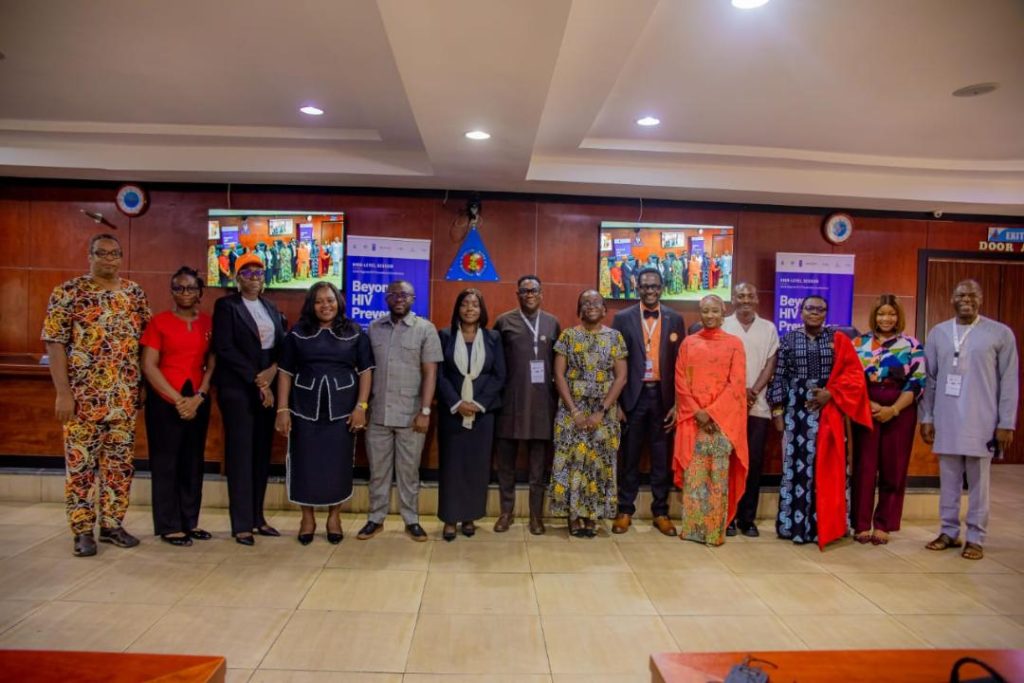
The call was made at a high-level session organised by the United Nations Development Programme (UNDP) Nigeria and the Joint United Nations Team on HIV/AIDS, with support from the Global Fund and other partners.
The session, themed “From Policy Commitments to Evidence, Justice and Action,” focused on promoting gender justice, human rights and accountable health systems for a sustainable HIV response.
Participants examined strategies for translating legal protections and human rights commitments into practical institutional reforms, stronger accountability and inclusive service delivery to address gender inequalities, stigma and discrimination affecting HIV prevention and treatment.
Speaking on behalf of UNDP and the Joint United Nations Team on HIV/AIDS, Onyinye Belinda Ndubuisi said Nigeria’s HIV response could not be sustained through biomedical interventions alone without addressing the social and institutional barriers exposing vulnerable populations to infection.

“We cannot sustain Nigeria’s HIV response without confronting the inequalities, violence, stigma, discrimination and institutional barriers that shape access to prevention, protection, care and justice,” she said.
She identified gender-based violence, unequal power relations, economic vulnerability, stigma and punitive practices as major obstacles to accessing prevention, protection, treatment and justice, particularly for women, girls and key populations.
Ndubuisi highlighted interventions supported under the Global Fund Grant Cycle Seven, including the establishment of a High-Level Observatory on Gender, Justice, Human Rights and Health, covering 19 states and the Federal Capital Territory.
She also cited guidelines developed to translate existing legal protections into institutional practice, drawing on the Violence Against Persons (Prohibition) Act 2015, the Administration of Criminal Justice Act 2015 and the Anti-Torture Act 2017.
During the panel discussion, participants called for stronger enforcement of existing laws, adequate funding for sexual assault referral centres and measures to address harmful social norms that restrict women’s decision-making power and increase their vulnerability.
They also advocated institutional behavioural change, the review of discriminatory laws and non-discriminatory healthcare services, particularly for key populations.
Concerns were raised over breaches of confidentiality by healthcare workers, which participants said discourage people from seeking or continuing treatment.
The panellists recommended practical human rights education, continuous professional training for legal and health practitioners, stronger institutional oversight, improved inter-agency coordination, confidential complaint mechanisms and effective remedies for victims of rights violations.
They further called for the integration of rights-related services into healthcare and insurance systems, including coverage for forensic tests, as well as confidential referral pathways and accessible channels for seeking redress.
Chairperson of the session and Executive Secretary of the Administration of Criminal Justice Monitoring Committee, Dr. Evbu Igbinedion, emphasised the importance of collaboration, practical legal education and data-driven interventions.
She advocated community engagement through law clinics, stressing that “until the last person at the chain receives help and access to justice, there is exclusion.”
Participants also urged greater community involvement in programme design and monitoring, noting that evidence generated by the Observatory should inform policy decisions, budgetary allocations and institutional reforms.
The discussion further highlighted challenges confronting persons with disabilities, including inaccessible sexual assault referral centres, police stations and courts, with calls for improved accessibility and confidentiality.
The discussion further highlighted challenges confronting persons with disabilities, including inaccessible sexual assault referral centres, police stations and courts, with calls for improved accessibility and confidentiality.
In her closing remarks, Ndubuisi said sustainable progress depended on adequately resourced institutions that could be held accountable for their responsibilities.
“The measure of a sustainable HIV response is not only how many services we deliver, but whether every person can access them safely, equitably, with dignity and without fear,” she said.

