


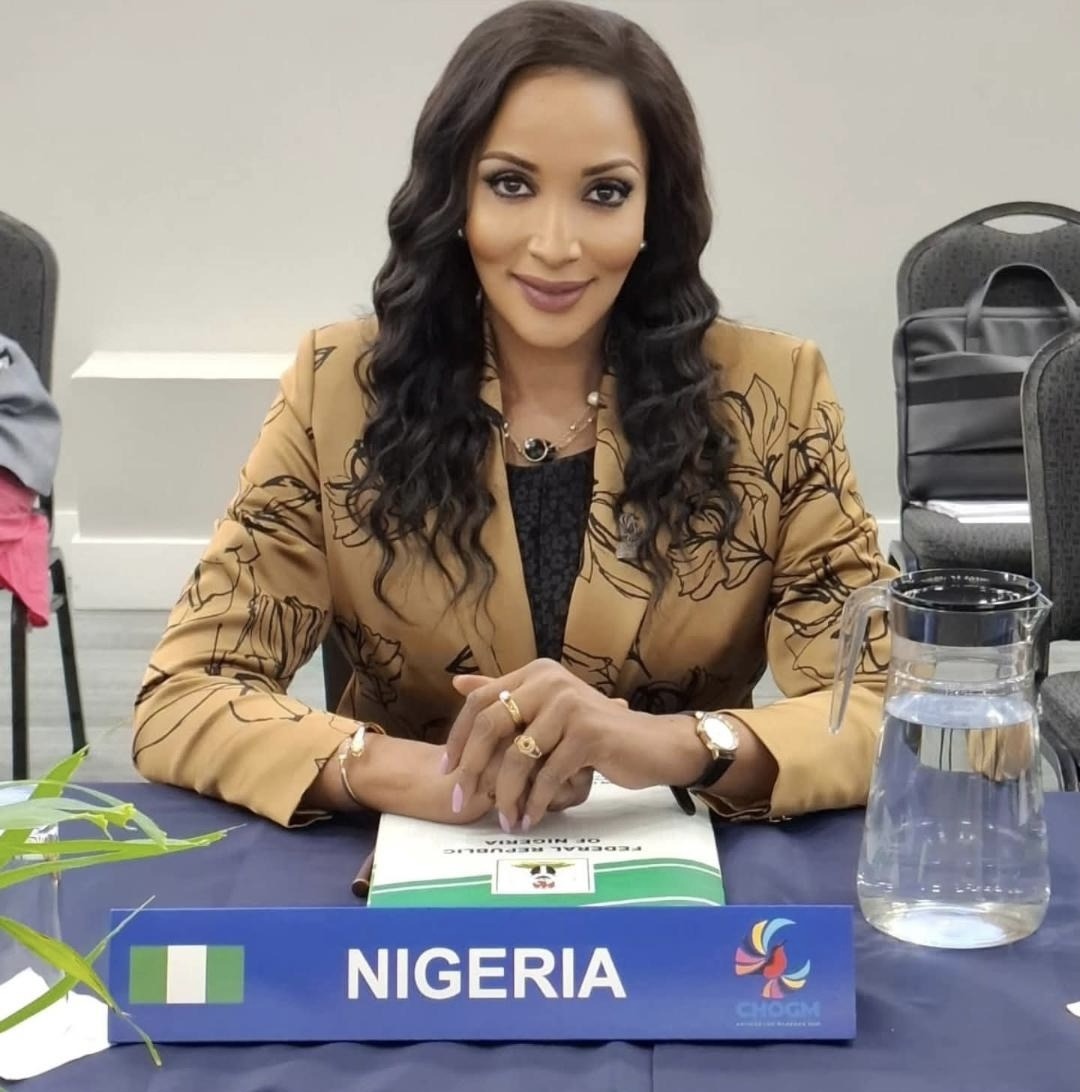
Nigeria has called for stronger cooperation among Commonwealth member states to address security challenges, expand trade, strengthen democratic governance and promote reparatory justice.
The Minister of Foreign Affairs, Ambassador Bianca Odumegwu-Ojukwu, made the call at the 2026 Commonwealth Heads of Government Meeting (CHOGM), which recently concluded in St John’s, Antigua.
In a statement issued by the Minister’s Special Assistant on Communication and New Media, Dr Magnus Eze, the minister said the Commonwealth must translate its shared values and commitments into practical actions capable of addressing the challenges confronting member countries.
She identified the fight against terrorism, improved access to development finance and stronger collective security as key areas requiring renewed attention amid changing global geopolitical realities.
On democratic governance, Odumegwu-Ojukwu highlighted Nigeria’s preparations for the January 2027 general elections, calling on the Commonwealth to support credible electoral processes through election observation missions and stronger democratic institutions.
She said Nigeria, under President Bola Tinubu, remained committed to promoting civil, political and social rights, while upholding the rule of law and judicial independence as essential pillars of transparent and inclusive governance.
The minister also emphasised the importance of economic cooperation, welcoming the establishment of the Commonwealth Trade Portal as an initiative that could strengthen commercial relations and create new opportunities for member countries.
“Nigeria is particularly pleased to note the creation of the Commonwealth Trade Portal. Trade facilitation initiatives will foster economic growth, expanding trade links among members, and assisting developing economies to integrate into the global financial market will most certainly go a long way towards boosting economic development and trade,” she said.
She further called for improved market access and trade facilitation to accelerate economic growth and ensure developing economies benefit more meaningfully from global financial and commercial opportunities.
On gender inclusion and humanitarian concerns, Odumegwu-Ojukwu urged the Commonwealth to prioritise the protection and empowerment of women and girls affected by armed conflicts, displacement and climate change.
She stressed the need to guarantee access to essential services, livelihoods and justice, noting that affected women and girls must be involved in shaping solutions to the challenges confronting them.
The issue of reparatory justice, particularly the historical consequences of the transatlantic trafficking of enslaved Africans, also featured prominently in Nigeria’s interventions.
The minister welcomed the United Kingdom government’s agreement to engage affected countries in structured, time-bound, inclusive and good-faith dialogue on reparatory justice.
The development reflects renewed attention to historical injustices and the need for meaningful engagement between affected nations and former colonial powers.
Nigeria expressed optimism that the outcomes of CHOGM 2026 would translate into concrete commitments that create employment opportunities, strengthen security and improve the living conditions of citizens across the Commonwealth.
The country reiterated its commitment to advancing cooperation that promotes peace, prosperity, democracy and inclusive development among member states.

