


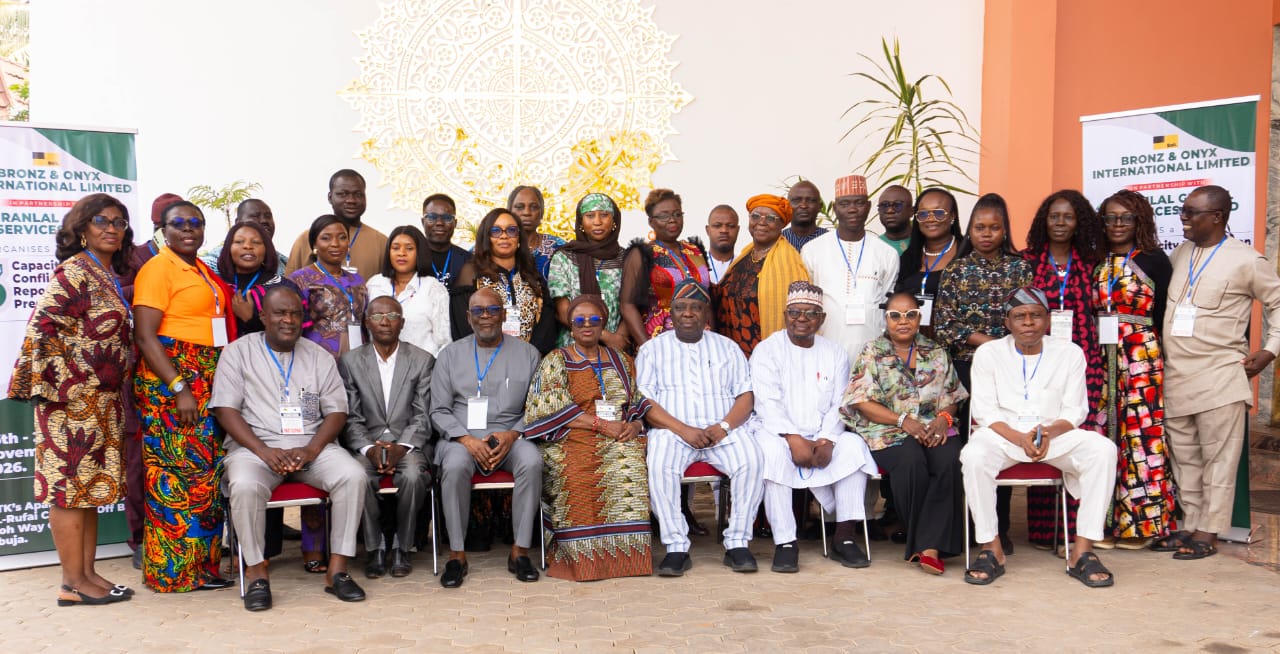
A three-day residency on conflict-sensitive reporting and presentation in Abuja has concluded with the presentation of a draft Code of Conduct for ratification and adoption by participating media organisations.
The proposed code is aimed at guiding media organisations in promoting responsible conflict-sensitive reporting and presentation.
Organised by Bronz & Onyx International Limited in partnership with Ranlal Global Services Nigeria Limited, the training brought together more than 25 defence and security correspondents, editors, presenters and producers.
READ ALSO: WPRF Abuja Declaration Seeks Responsible Communication as SDG
The proposed Code will guide reporting of public decisions, protests and conflicts without worsening tensions, and promote peace.
At the closing session, Lead Trainer and Chief Executive Officer of Bronz & Onyx International Limited, Mrs Mojisola Makanjuola, thanked participants for their commitment and engagement.
She said the residency strengthened their capacity for conflict-sensitive reporting, urging them to apply the lessons and share them beyond the training room.
Makanjuola charged participants to become ambassadors for a better Nigeria and raise media standards, emphasising their responsibility to promote peace.
“You are the soldiers. Go do that,” she said.
She acknowledged co-convener Dr Mohammed Kudu Abubakar and teams and partners behind the residency.
In a charge, Professor Okey Okechukwu, Executive Director of Development Specs Academy, examined journalism’s constitutional foundations, freedom of expression and accountability.
He spotlighted the Freedom of Information Act as a tool for accessing public information, stressing that media freedom carries legal and professional responsibilities.
Okechukwu called for fair application of the law, urging journalists to balance public interest with national security when reporting terrorism and security operations, and cautioned against disclosing classified intelligence or operational details that could endanger personnel.
Speaking on behalf of the over 25 participants, Glory Ohagwu said the training had deepened their understanding of journalism’s responsibilities amid misinformation.
She said Conflict Sensitive journalism demanded context, verification and awareness of the human consequences of words, images and narratives.
“One of the most enduring lessons of this training is the power of journalism, not only in its ability to expose conflicts, but also in its capacity to challenge prejudice, counter misinformation, and prevent the escalation of tensions and create pathways for understanding,” she said.
Ohagwu stressed that conflict-sensitive reporting should not be mistaken for censorship.
“It is about informing without inflaming, questioning without re-judging, exposing wrongdoings without promoting hatred, and giving a voice to the voiceless without reinforcing divisions,” she said.
She urged journalists to use deliberate language, verify information and resist pressure to publish before facts are established.
“The microphone is not merely an instrument for amplification. It carries responsibilities. Your pen is not merely for documenting. It shapes perspectives. And your camera does not only capture. It preserves images that will influence generations yet unborn,” she said.
The draft Code now awaits ratification and adoption by media organisations.

