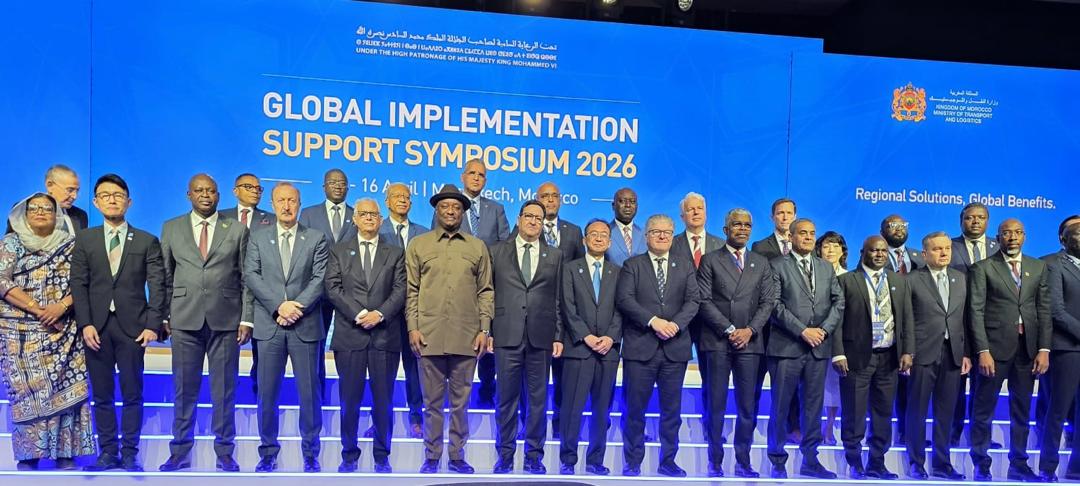
The Minister of Aviation and Aerospace Development, Festus Keyamo (SAN), has received Nigeria’s Civil Aviation Master Plan (CAMP) from the International Civil Aviation Organisation (ICAO).
The presentation took place during the opening session of the ICAO Global Implementation Support Symposium (GISS) in Marrakech, Morocco.
The Minister, who also served as a special guest at a ministerial roundtable, spoke on the “Future of Aviation Workforce in Nigeria,” highlighting efforts to address the skills gap within the country’s aviation ecosystem.
The presentation of the landmark document marks a major milestone in Nigeria’s Aviation Sector, signaling ‘a bold and structured pathway for the industry’s transformation over the next few decades.’
The Minister had approved the development of the Master Plan with the project undertaken by ICAO’s Capacity Development and Implementation (CDI) unit. Work on the initiative formally commenced in September 2024, beginning with a comprehensive training programme on Civil Aviation master planning, which brought together key stakeholders across Nigeria’s aviation ecosystem.
The CAMP, which spans a 20-year period (2025–2045), is strategically aligned with Nigeria’s National Development Plan and other key policy frameworks, ensuring coherence with the Nigerian Government’s broader economic and infrastructural objectives.
READ ALSO:Nigeria, Sierra Leone Sign Pact To Enhance Aviation Safety
The Civil Aviation Master Plan is anchored on globally recognised pillars critical to building a modern, competitive, and resilient aviation sector such as infrastructure and technology development.
This includes the modernisation of airport infrastructure to accommodate increasing passenger and cargo traffic, alongside the deployment of advanced technologies, including unmanned aerial systems (drones).
It also addresses the need to sustain Nigeria’s commitment to a zero-fatality aviation environment through strict adherence to international safety and security standards.
Also in focus is the transformation of Nigerian Airports into Aerotropolis hubs to drive economic activities, create jobs, and enhance national connectivity.
The CAMP is underpinned by sustainability and innovation, with a strong focus on human capital development, building a highly skilled and future-ready workforce across all segments of the aviation industry, creating investment opportunities for the private sector, particularly in Maintenance, Repair and Overhaul (MRO) facilities and modern cargo terminals and aligning Nigeria’s aviation growth with global green initiatives and environmentally responsible practices.
The presentation of the CAMP at the ICAO Global Implementation Support Symposium underscores Nigeria’s growing visibility and commitment to international best practices in aviation development.
The ICAO, as the global body responsible for setting standards and regulations for aviation safety, security, efficiency, and environmental protection, continues to play a pivotal role in supporting Nigeria’s aviation modernisation efforts.