The Federal Government’s framework for repositioning the Nigerian Safety Investigation Bureau (NSIB) as an independent multimodal accident investigation agency has received strong backing from key stakeholders across the aviation, maritime, rail, road transportation, and security sectors.
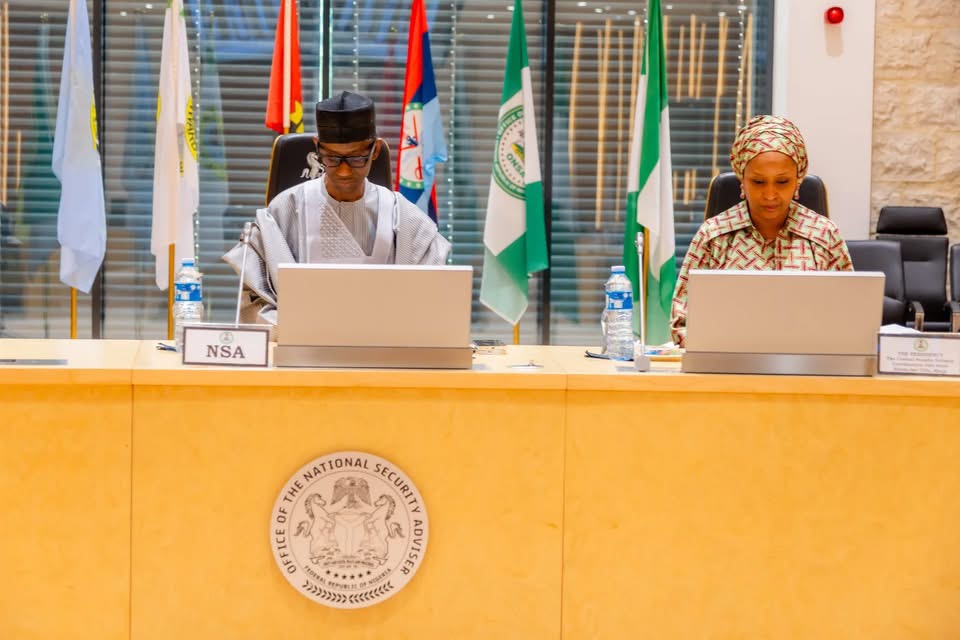
The endorsement came during a high-level stakeholder engagement held at the Joint Intelligence Board Hall of the Office of the National Security Adviser (ONSA) in Abuja, Nigeria’s capital, where participants called for stronger coordination between transportation safety oversight and national security response mechanisms.
The meeting, convened by ONSA, brought together senior government officials, transport regulators, emergency response agencies, and security institutions to discuss the implementation of the new reporting structure approved by President Bola Ahmed Tinubu in March 2026.
Under the new arrangement, the NSIB will now report directly to the Presidency through ONSA, ending its previous supervisory alignment with the Federal Ministry of Aviation and Aerospace Development.
READ ALSO: NSIB Investigates Rigasa-Idu Railway Incident
Stakeholders described the reform as a strategic response to the increasing complexity of transport-related incidents and emergencies, many of which now intersect with national security concerns, infrastructure protection, emergency response coordination, and intelligence management.

Speaking during the engagement, the Director-General of the NSIB, Captain Alex Badeh Jr., described the transition to the Presidency as a major institutional development that would strengthen investigative transparency, operational independence, and inter-agency collaboration.
“Our responsibility remains preventive, not punitive. The Bureau determines the probable causes of accidents, identifies systemic safety gaps, and issues recommendations aimed at preventing future occurrences. We do not regulate, prosecute, or apportion blame,” Badeh said.
He added that the new framework would improve occurrence notification timelines, evidence preservation, and coordinated response during investigations involving multiple authorities or incidents with wider national security implications.
Preserving Public Trust
In his remarks, Mallam Nuhu Ribadu said the Presidency approved the reform to eliminate bureaucratic bottlenecks, strengthen investigative neutrality, and establish a more coordinated national transportation safety framework.
According to him, ONSA would provide institutional coordination and oversight support, particularly in situations where investigations involve systemic failures or operational lapses connected to sectoral agencies themselves.
He stressed that an independent reporting structure was necessary to preserve public trust, neutrality, and professional transparency.