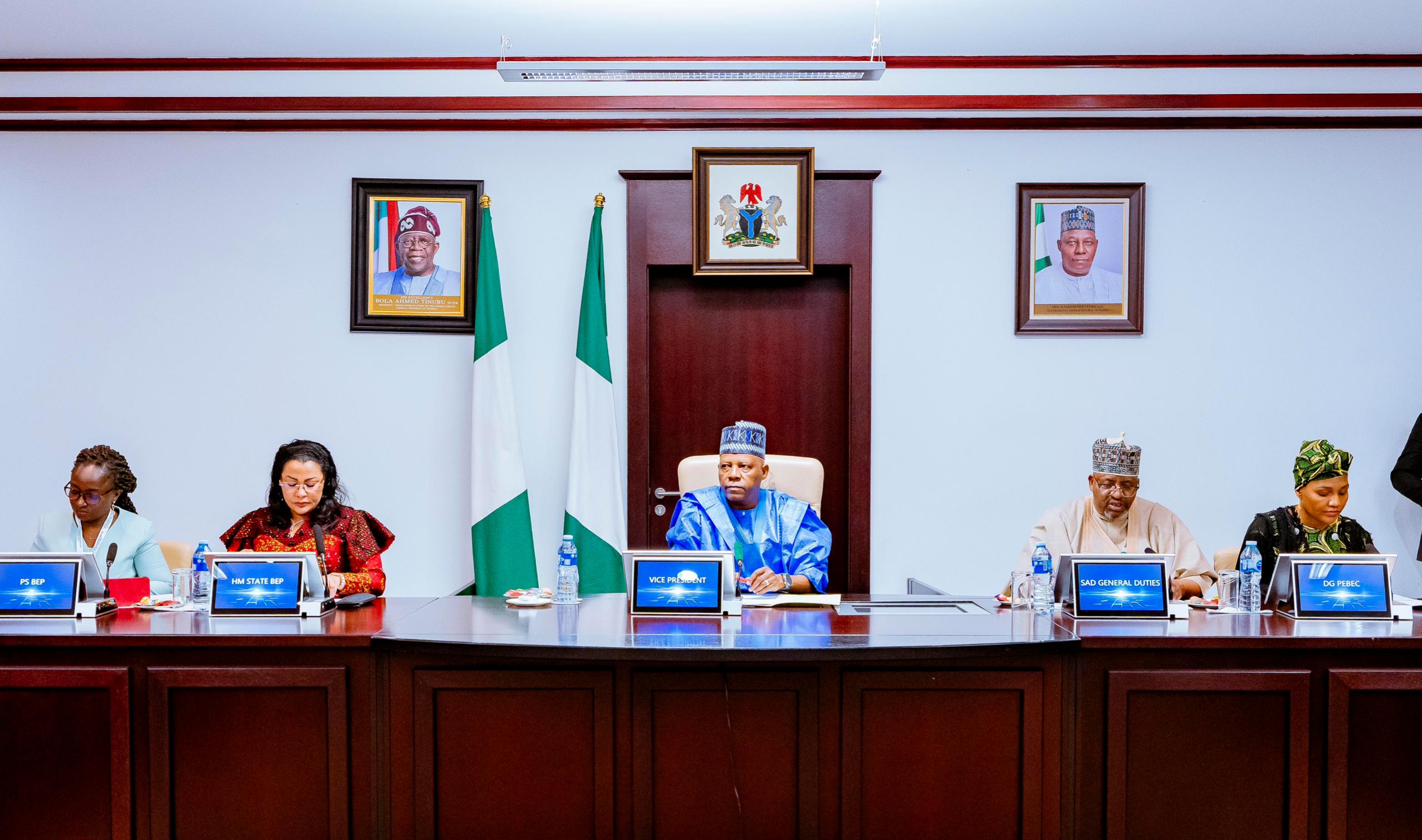
Vice President Kashim Shettima has urged state governments to accelerate business-enabling reforms to unlock the full potential of the $750 million World Bank-assisted State Action on Business Enabling Reforms (SABER) programme.
He said the reforms are critical to attracting domestic and foreign investments, improving infrastructure, and driving economic growth at the subnational level.
Speaking at a stakeholders’ meeting on optimising the implementation of the SABER programme at the Presidential Villa in Abuja, the Vice President noted that full implementation of the programme would create a more predictable, transparent, and investor-friendly business environment across the states.
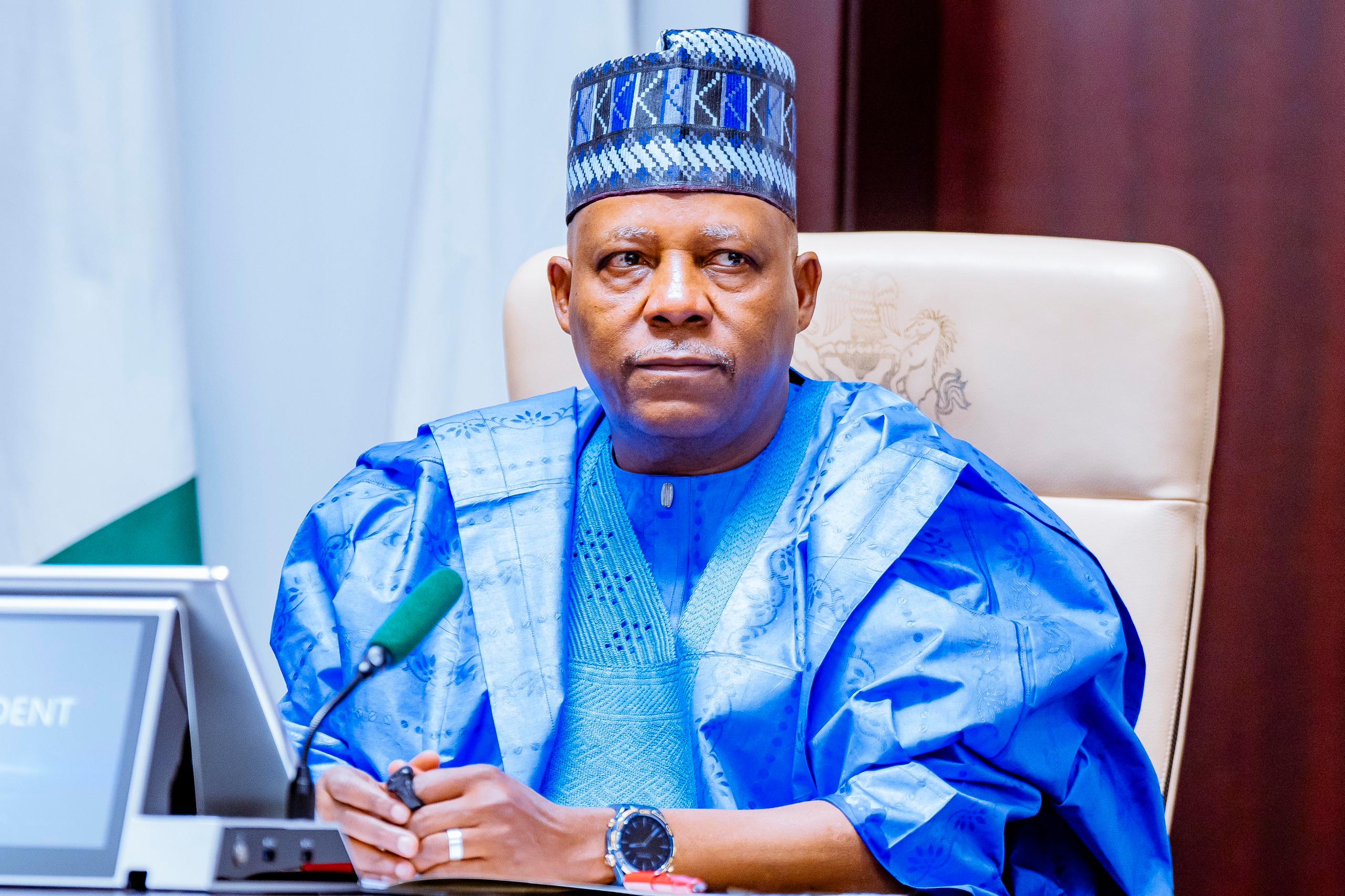
Benefits
He also listed other benefits of the programme to include attracting domestic and foreign investment, strengthening private-sector confidence, reducing the cost of doing business, expanding digital and physical infrastructure, improving access to land and commercial justice systems, and enhancing the competitiveness of the states.
- READ ALSO: President Tinubu’s Reforms Erasing Burden on Small Businesses – PEBEC DG
- PEBEC Calls for Stronger State Economic Collaboration
“These outcomes will translate into increased economic activity, higher productivity, job creation, improved internally generated revenue, and better living standards for our citizens,” he stated.
Accordingly, the Vice President directed the Director General of the Presidential Enabling Business Environment Council (PEBEC), Zarah Mustapha-Audu, to initiate moves towards extending the lifespan of the programme by an additional year, so that states can fully utilise the opportunities at their doorsteps.
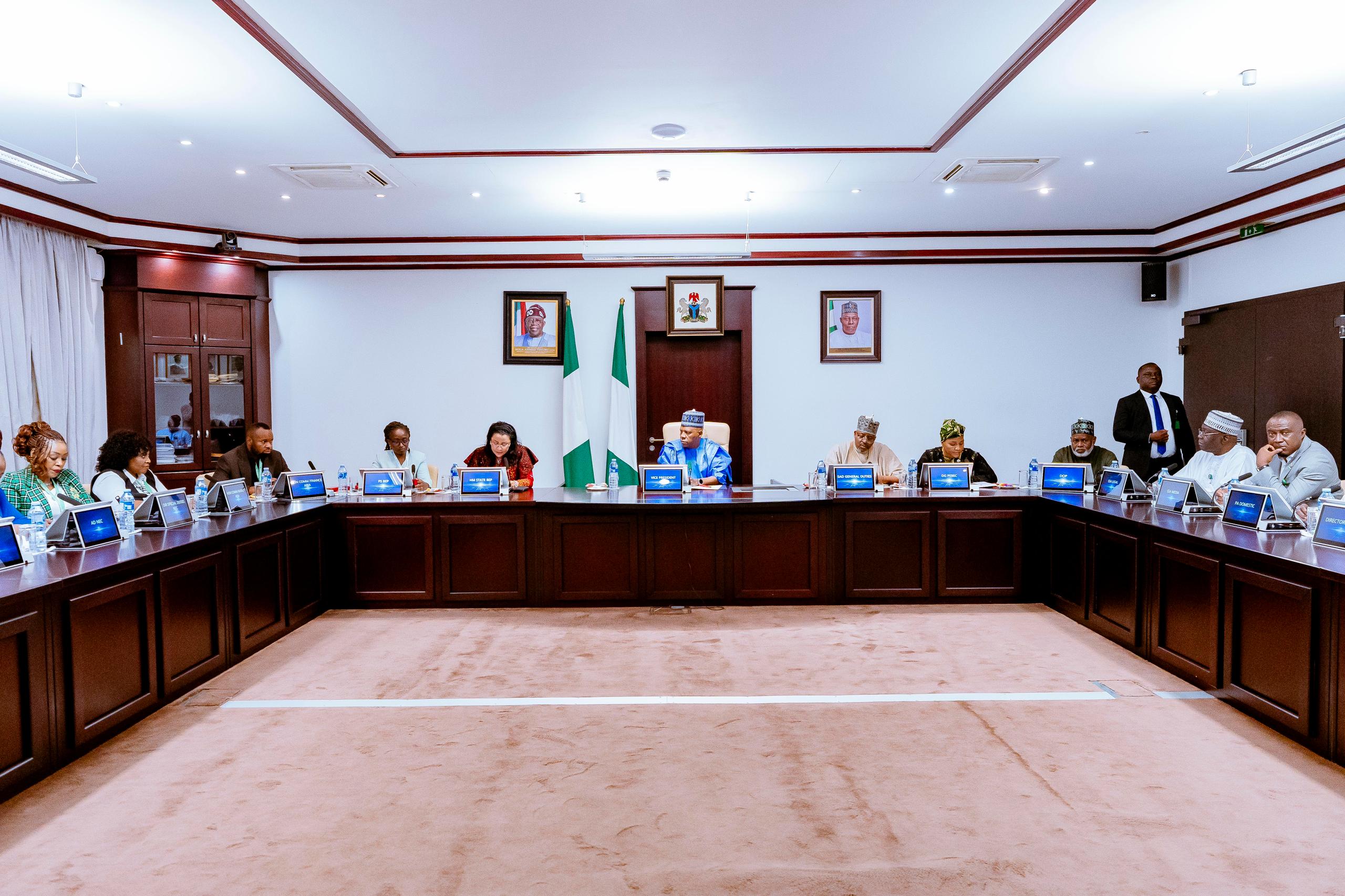
VP Shettima noted that “Nigeria stands a better chance of facilitating the actualisation of its one trillion-dollar economy drive by fully optimising SABER implementation.”
“I therefore encourage us to engage constructively and contribute meaningfully to our deliberations. Let us seize this opportunity to unlock the full potential of the SABER Programme and position our States as engines of economic growth, investment, and sustainable development,” VP Shettima stated.
He tied the success of the ongoing reforms of the administration of President Bola Tinubu to a conducive and enabling environment for businesses to thrive, maintaining that this can be determined at the sub national level.
The Minister of State for Budget and Economic Planning, Dr. Doris Uzoka-Anite, encouraged stakeholders to address identified implementation bottlenecks as the SABER programme delivers its intended outcomes for Nigeria in line with the Renewed Hope Agenda.
She expressed optimism that the $750 million performance-based intervention designed by the World Bank technical team and the PEBEC Secretariat will be fully accessed by the states.
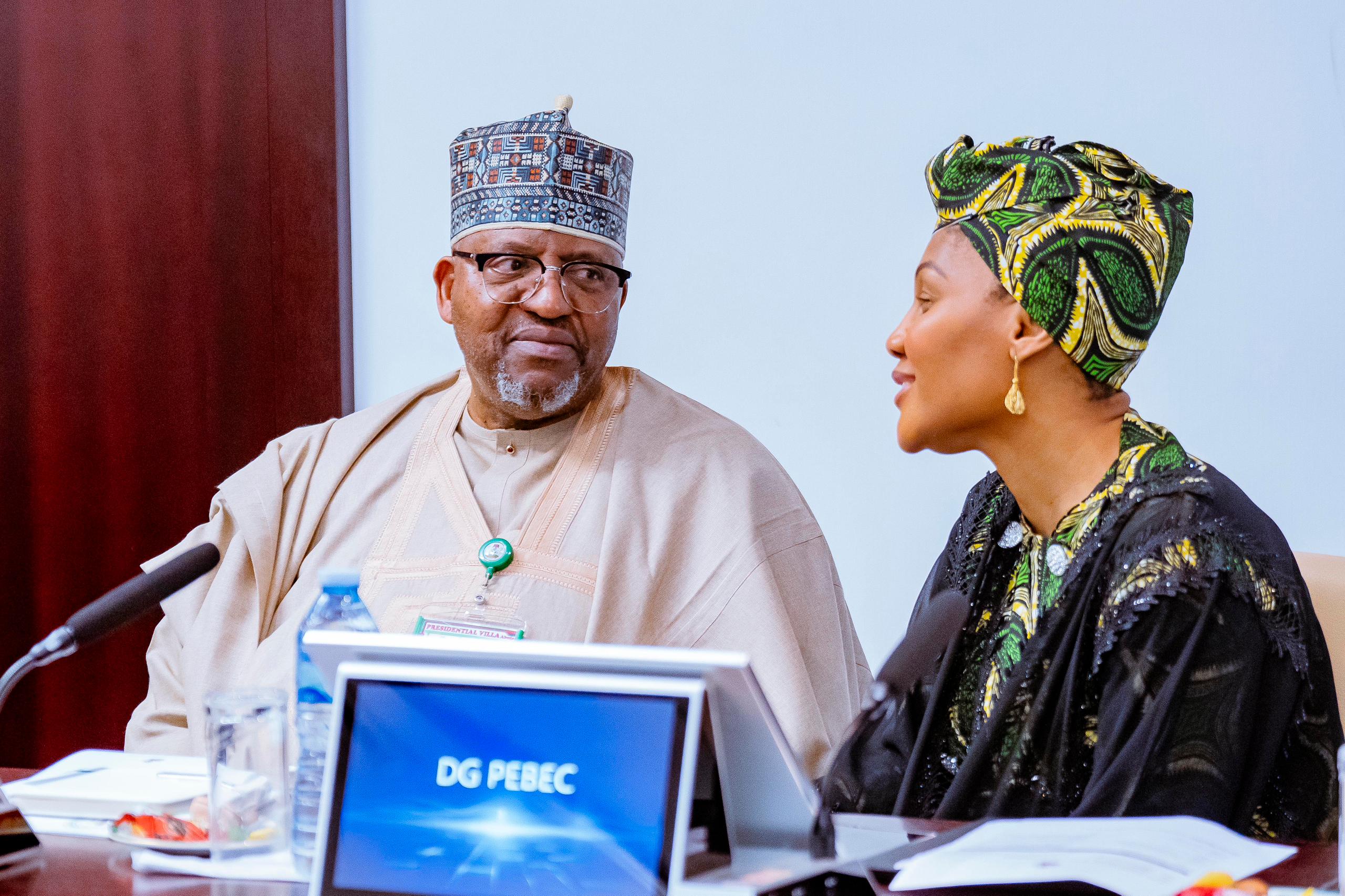
Giving an overview of the SABER Programme and implementation matters, the Director-General of PEBEC, Zarah Mustapha-Audu, assured the VP that the council remains committed to removing bureaucratic bottlenecks by working with all arms of government, civil society organisations (CSOs), the private sector, and other stakeholders towards achieving the programme’s objectives.
She explained that while the funds are tied to deliverables, progress is being made by participating states to meet all disbursement-linked indicators as stipulated by the programme.